Guide to Building a Fashion Brand in 2026
Learn how to build a fashion brand in 2026 with this expert guide covering market trends, brand identity, product development, technology, and growth strategies.

The fashion landscape in 2026 is transforming faster than ever, opening doors for those ready to launch a fashion brand. Digital innovation, shifting consumer values, and global challenges are rewriting the rules of success in this dynamic industry.
This comprehensive guide is designed to walk you step by step through building a fashion brand, whether you are starting fresh or seeking to innovate an existing label. Our goal is to equip you with practical strategies, emerging trends, and real-world tactics to help you navigate the complex journey from idea to thriving business.
You will discover how to conduct market research, define your brand identity, develop standout products, build resilient supply chains, leverage technology, master marketing, and expand distribution. Each section is crafted to demystify the process and make your path to success clear and actionable.
The world is ready for creative, tech-savvy entrepreneurs who can think differently. By following this guide, you will be empowered to turn your vision into a flourishing brand that stands out in the evolving fashion industry.
Understanding the Fashion Industry in 2026
The fashion industry in 2026 is experiencing a transformative era, marked by rapid change and new opportunities. Navigating this landscape is essential for anyone eager to launch or grow a fashion brand. Understanding the forces at play will help you build a fashion brand that stands out and thrives in a competitive global market.

Key Trends and Market Dynamics
In 2026, the global fashion landscape is shaped by economic shifts, such as inflation and trade tariffs, which influence consumer spending and sourcing strategies. Shoppers are more value-conscious, seeking both affordability and quality.
Sustainability and ethical production have become central demands. Consumers expect a fashion brand to prioritize eco-friendly materials, transparent supply chains, and responsible labor practices. The digital-first and DTC (direct-to-consumer) models continue to surge, allowing a fashion brand to reach global audiences with lower overhead.
Inclusivity and diversity are now core expectations, reflected in expanded size ranges and multicultural marketing. The boundaries between luxury, mid-luxury, and fast fashion are less defined, as brands blend premium materials with accessible pricing.
The global market is projected to reach new highs, with estimates suggesting over $2 trillion in value by 2026. Brands like Ossou demonstrate success by focusing on premium denim and sharp market positioning. For a deeper dive into these shifts, see Key trends redefining fashion in 2026.
Competitive Landscape and Brand Differentiation
The market for a fashion brand is more crowded than ever. To succeed, you must offer a unique value proposition. Niche brands that leverage storytelling, micro-collections, and strong narratives often outperform generic competitors.
Leading names like H&M and Zara have adapted to faster trend cycles and digital innovation, while new players carve out local or digital-first niches. Established brands expand globally, but emerging brands find success by targeting specific communities or needs.
Brand personality is crucial for building loyalty. Data from 2026 shows that consumers prefer brands with clear values and authentic voices. Spending patterns indicate a willingness to invest in brands that reflect personal identity and ethics.
Brands that bridge designer and contemporary styles, or those that use technology to personalize the shopping experience, are gaining ground. For a fashion brand, differentiation is not just about product, but also about the story you tell and the audience you engage.
Regulatory, Technological, and Cultural Shifts
Regulations in 2026 focus on sustainability, labor rights, and transparency. New rules require a fashion brand to disclose sourcing, production methods, and environmental impact. Compliance is essential for market access and reputation.
Technology integration is a game-changer. Brands use AI, AR, and advanced data analytics for everything from design to customer experience. For example, AI-driven trend forecasting and AR-powered virtual fitting rooms are now standard for innovative brands.
Cultural shifts, like the rise of genderless fashion and global style crossovers, redefine what it means to be relevant. Brands that embrace diversity and adapt to new cultural norms excel in reaching modern consumers.
Case studies show that brands using technology for supply chain optimization and customer engagement outperform those that rely on traditional methods. Adapting to geopolitical tensions and relocating production are also common strategies for risk mitigation.
Defining Your Brand Identity and Vision
Defining a clear identity and vision is foundational for a fashion brand in 2026. In an era shaped by rapid change and conscious consumers, your brand’s purpose, personality, and protection are essential. This section guides you through shaping a fashion brand’s story, visual presence, audience focus, and legal safeguards.

Crafting a Unique Value Proposition
Every successful journey for a fashion brand begins with a well-defined mission and vision. These statements clarify your brand’s purpose and set the tone for decision-making. Authenticity is key—consumers in 2026 expect brands to align with their values, such as sustainability and inclusivity.
To develop your value proposition:
- Articulate your core mission in one sentence.
- Define what makes your offering unique.
- Identify the social or environmental impact you aim to deliver.
Purpose-driven branding resonates when it reflects real commitments. For example, Ossou’s focus on “what is truly necessary” illustrates clarity and intent. Industry research highlights that integrating values-based messaging, such as those found in Sustainable fashion trends 2026, can help a fashion brand connect with conscious consumers and stand out in a crowded market.
Building Visual and Verbal Brand Elements
Visual and verbal identity translates your vision into memorable touchpoints. Designing a distinctive logo, color palette, and visual guidelines ensures a fashion brand is instantly recognizable. Consistency across digital and physical platforms enhances trust and professionalism.
Storytelling is equally vital. A fashion brand’s narrative should be woven into every interaction, from product descriptions to social posts. To develop a compelling voice:
- Select tone attributes (e.g., bold, refined, approachable).
- Use stories to highlight brand values and heritage.
- Maintain uniform messaging across all channels.
Iconic brands like Chanel and Gucci exemplify how cohesive visuals and storytelling build lasting recognition. Prioritize uniformity in every detail to reinforce your brand’s presence.
Positioning and Target Audience Analysis
Pinpointing the right audience is crucial for a fashion brand seeking growth in 2026. Begin by segmenting your market using demographic and psychographic data. Consider shifts such as Gen Z’s preference for authenticity, digital experiences, and cultural relevance.
Practical tools for audience analysis include:
- Customer personas that detail motivations, behaviors, and style preferences.
- Journey mapping to visualize interactions and pain points.
- Localization strategies to adapt messaging for regional markets.
Brands that successfully bridge designer and contemporary segments often tailor collections and marketing to appeal to multiple audiences. Data-driven insights can guide a fashion brand in refining its positioning for maximum impact.
Brand Legalities and Protection
Securing your brand’s legal foundation is a non-negotiable step for a fashion brand. Start by trademarking your name and logo to safeguard intellectual property. This prevents imitation and strengthens your market position.
Address digital asset protection by:
- Registering domain names and social handles early.
- Using secure platforms for e-commerce and customer data.
- Monitoring for unauthorized use of brand elements online.
Consult legal professionals familiar with the fashion industry to navigate registration and compliance. Avoid common pitfalls, such as neglecting international trademark coverage or overlooking copyright in original designs. A proactive approach ensures a fashion brand’s identity remains protected as it grows.
Designing and Developing Your Product Line
Creating a fashion brand in 2026 means navigating a landscape where innovation and purpose drive every product decision. Success hinges on mastering each stage, from ideation to production, ensuring your collection stands out and resonates with modern consumers.

Concept to Creation: Product Development Process
The journey of a fashion brand begins with translating creative concepts into tangible products. Designers start with sketches, mood boards, and trend analysis, balancing artistic vision and market demand. Leveraging technology, brands can now use AI-powered platforms for virtual sampling and rapid prototyping, streamlining the creative process.
Collaboration is becoming essential. Tools like AI-enhanced co-design in fashion foster interaction between designers and consumers, resulting in collections that truly reflect target audience preferences. For instance, premium denim labels such as Ossou prioritize both heritage craftsmanship and cutting-edge materials, ensuring their offerings stand out in a crowded market.
Product development typically includes:
- Trend forecasting and concept validation
- Material selection and initial prototyping
- Iterative sampling and feedback loops
On average, the process takes three to six months, with costs varying based on complexity and scale. For a fashion brand aiming for longevity, a thoughtful development cycle is crucial.
Sourcing Materials and Ethical Production
Sourcing quality materials is foundational for a fashion brand committed to excellence and ethics. In 2026, consumers expect transparency and sustainability, pushing brands to vet suppliers rigorously and prioritize eco-friendly options.
Building strong supplier relationships ensures consistent quality and responsible practices. Brands like Ossou, renowned for Japanese denim, demonstrate how premium sourcing elevates both product and reputation. Key factors when sourcing include:
- Certifications for organic or recycled materials
- Traceability across the supply chain
- Fair labor standards and transparent manufacturing
Consumers are increasingly willing to pay more for sustainable goods. A fashion brand that champions ethical production not only gains trust but also future-proofs its business against regulatory changes.
Quality Control and Product Testing
Maintaining high standards is non negotiable for a fashion brand that seeks lasting impact. Rigorous quality assurance processes help prevent costly recalls and safeguard reputation. Each product undergoes multiple rounds of testing, from durability and fit to colorfastness and washability.
Effective quality control involves:
- Inspection at every production stage
- Fit testing with real users
- Feedback-driven improvements
Brands like Chanel and Gucci are known for their meticulous standards, fueling customer loyalty and repeat purchases. For a fashion brand, investing in quality control directly influences long term success and consumer satisfaction.
Pricing Strategy and Assortment Planning
Pricing shapes how a fashion brand is perceived in the market. Decisions must balance production costs, brand positioning, and consumer expectations. The recent rise of high street coats priced at $1,000 reflects a shift toward higher perceived value and willingness to invest in standout pieces.
Assortment planning is equally vital. Brands often structure collections as:
- Core staples for year round appeal
- Seasonal lines to capture trends
- Capsule collections for exclusivity
Smart inventory planning helps a fashion brand avoid overproduction and markdowns. Data shows new brands thrive with focused assortments of 15 to 30 SKUs, allowing room for flexibility and rapid response to consumer feedback.
Building a Resilient Supply Chain and Operations
Establishing a resilient supply chain is critical for a fashion brand aiming to thrive in 2026. The landscape is complex, shaped by shifting global dynamics, evolving consumer expectations, and rapid advancements in technology. Success depends on making strategic decisions at every operational stage, from sourcing to delivery.
Manufacturing Models: Local vs. Global
Choosing between local and global manufacturing is one of the first decisions for a fashion brand. Local production offers benefits like shorter lead times, greater quality control, and easier communication. For example, Ossou’s LA-based denim production enables closer oversight and fast response to market shifts.
Global manufacturing, on the other hand, can reduce costs and provide access to specialized materials or techniques. However, it introduces risks such as tariffs, longer shipping times, and geopolitical uncertainty. Consider the following comparison:
| Model | Lead Time | Cost | Quality Control | Flexibility |
|---|---|---|---|---|
| Local | 2-4 weeks | Higher | High | High |
| Global | 6-12 weeks | Lower | Moderate | Moderate |
A fashion brand must weigh these factors against its core values and operational goals to choose the best fit.
Inventory Management and Scalability
Effective inventory management is essential for a fashion brand to minimize losses and support growth. Leveraging demand forecasting tools and data analytics helps predict trends and optimize stock levels. Many brands now use just-in-time production, pre-orders, or limited drops to reduce deadstock.
Implementing robust inventory systems ensures real-time visibility of stock across channels. Brands that prioritize scalability set up processes that adapt to increasing order volumes without sacrificing efficiency. For a fashion brand, scalable inventory management is a key advantage in a competitive market.
Logistics, Fulfillment, and Customer Experience
Seamless logistics are vital for delivering a superior customer experience. A fashion brand must select shipping and warehousing partners that align with its speed and reliability standards. Fast, accurate fulfillment is especially important for DTC brands, as modern consumers expect quick delivery and easy returns.
Packaging and unboxing also influence brand perception. Eco-friendly materials, thoughtful design, and clear communication all contribute to customer satisfaction. International shipping requires additional planning, but with the right partners, a fashion brand can reach a global audience efficiently.
Risk Management and Crisis Planning
Operational risks are inevitable for a fashion brand in 2026. Common challenges include supply chain disruptions, quality issues, and sudden recalls. Building a resilient operation means having contingency plans and diversifying suppliers to reduce dependence on any single source.
Key steps for risk management include:
- Regularly assessing vulnerabilities in the supply chain
- Establishing backup suppliers and alternative routes
- Monitoring for early warning signs using data analytics
- Training teams on rapid crisis response
Brands that proactively plan for disruptions are better equipped to maintain stability and reputation, even during unpredictable events.
Leveraging Technology and AI for Brand Growth
The role of technology in building a fashion brand has never been more important. In 2026, digital tools and artificial intelligence are redefining every stage of the fashion process. From concept to customer, innovation is the key to staying competitive and relevant. Let us explore how embracing these advancements can elevate a fashion brand and drive measurable growth.
Digital Tools for Design, Production, and Marketing
Digital transformation is at the heart of a fashion brand’s evolution. AI-powered design platforms now allow teams to generate virtual samples, reducing physical waste and shortening timelines. Product Lifecycle Management (PLM) systems streamline workflow, centralizing everything from sketches to final production specs.
Brands are leveraging 3D modeling and augmented reality to visualize collections before a single garment is made. These innovations help a fashion brand stand out with immersive product presentations and dynamic lookbooks. According to industry reports, nearly 75% of leading labels plan to increase investment in digital tools by 2026.
For those seeking effective strategies, exploring digital fashion marketing strategies 2026 can provide actionable insights on optimizing brand storytelling and visual content.
Enhancing Customer Experience with AI
Personalization is revolutionizing how a fashion brand connects with consumers. AI-driven engines analyze customer data in real time, tailoring product recommendations and dynamic pricing. Virtual try-on (VTO) tools and fit prediction software minimize returns and boost satisfaction by helping shoppers find their perfect fit instantly.
Chatbots powered by machine learning offer round-the-clock support, answering questions and guiding customers through the purchase journey. Data shows that brands implementing AI-powered personalization experience conversion rates up to 30% higher than industry averages. For a fashion brand, these technologies transform every customer touchpoint into a tailored experience.
Data Analytics and Trend Forecasting
Harnessing big data is vital for a fashion brand aiming to stay ahead of trends. Advanced analytics tools process sales data, social media signals, and global market indicators to forecast demand with precision. Social listening platforms capture emerging conversations, enabling brands to anticipate shifts before they become mainstream.
Below is a simple table summarizing key analytics benefits for a fashion brand:
| Analytics Tool | Purpose | Impact on Brand |
|---|---|---|
| Demand Forecasting | Predict sales trends | Reduce overstock |
| Social Listening | Spot emerging trends | Faster response |
| Customer Segmentation | Target audience analysis | Higher engagement |
By integrating these insights, a fashion brand can make agile decisions, refine collections, and increase ROI on every campaign.
How AI Visual Solutions Accelerate Fashion Branding
AI-powered platforms such as Lumoo Studio are revolutionizing how a fashion brand creates and distributes visual content. These tools enable brands to generate campaign-ready imagery, digital lookbooks, and model shots in minutes rather than weeks.
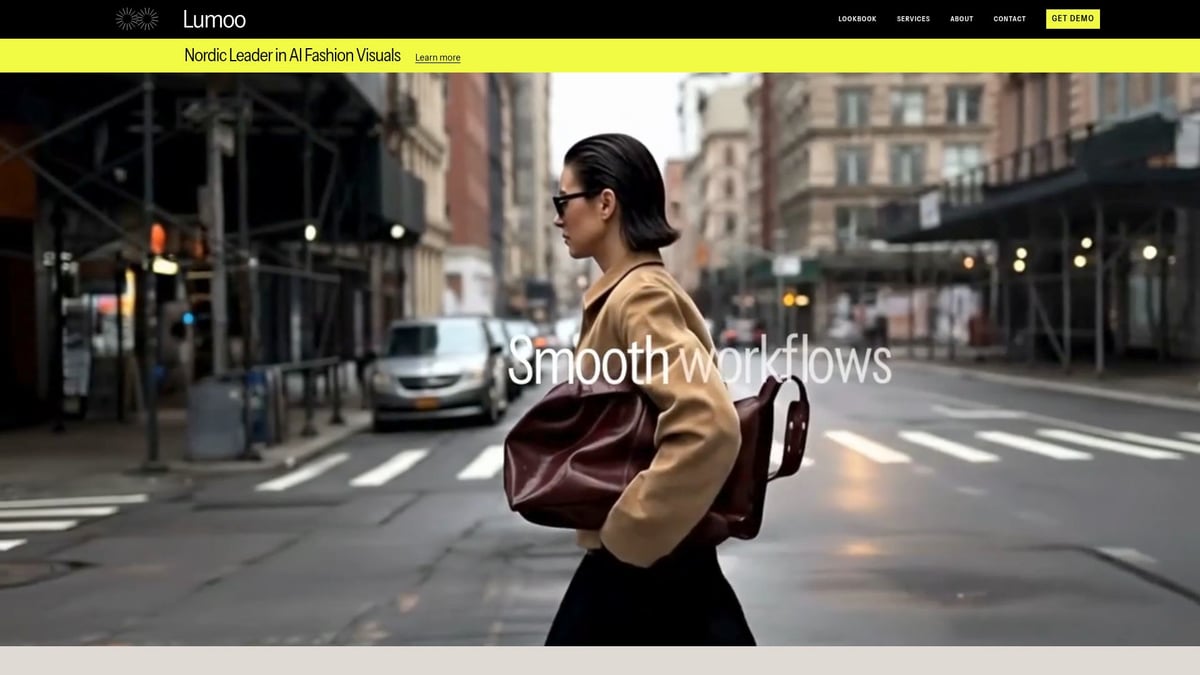
With solutions like Lumoo ID and StoryLook, a fashion brand can ensure consistent storytelling across all channels. By reducing production costs and accelerating timelines, these platforms support rapid go-to-market strategies. AI-driven visuals also help showcase inclusivity by representing diverse audiences authentically. As more brands adopt these solutions, the visual identity of a fashion brand becomes both more dynamic and accessible.
Marketing, Launch, and Scaling Strategies
Launching and growing a fashion brand in 2026 means mastering a mix of strategy, creativity, and adaptability. The right marketing and launch plan can set a fashion brand apart in a saturated market. This section covers the essential steps from building excitement pre-launch to measuring success as you scale.
Crafting a Go-to-Market Plan
A strong go-to-market plan is the backbone of launching a fashion brand. Begin by creating pre-launch buzz using teasers, influencer seeding, and targeted PR outreach. Plan your launch event, whether physical, digital, or a hybrid, to capture attention.
Create a checklist to ensure nothing is missed:
- Develop brand assets and messaging
- Engage early adopters through exclusive previews
- Secure media coverage and social mentions
- Plan logistics for launch day
Look at Ossou’s launch at Casa Valle in New York as an example of effective event-based activation. Brands that invest in anticipation-building strategies often see higher engagement and initial sales. For a fashion brand, meticulous planning at this stage lays the groundwork for long-term growth.
Building an Omnichannel Presence
Success in 2026 requires a fashion brand to create a seamless customer experience across digital and physical channels. Direct-to-consumer (DTC) strategies remain popular, but combining them with wholesale or marketplace partnerships broadens reach.
Consider these options for omnichannel growth:
- Pop-up shops for limited-time engagement
- Retail partnerships for wider distribution
- E-commerce platforms for direct sales
- Social commerce integrations for impulse purchases
Brands like Ossou plan for a 50/50 sales split between DTC and wholesale. Data shows omnichannel customers have higher retention rates. A fashion brand that delivers consistency across all channels stands out and builds loyalty.
Social Media, Influencer, and Community Marketing
Social platforms are essential for a fashion brand to connect with modern consumers. Focus on Instagram, TikTok, and emerging platforms to showcase new collections and behind-the-scenes content.
Effective strategies include:
- Partnering with influencers for authentic reach
- Encouraging user-generated content (UGC) to build trust
- Launching loyalty programs and digital forums for community
Statistics show that over 70% of fashion purchases in 2026 are influenced by social media. For a fashion brand, sustained engagement and viral moments can fuel both awareness and sales.
Storytelling, PR, and Brand Partnerships
Compelling storytelling gives a fashion brand a unique voice in a crowded market. Invest in both traditional and digital PR to reach editors and tastemakers who can amplify your message.
Explore opportunities like:
- Limited-edition collaborations with other brands or creators
- Cross-industry partnerships for broader exposure
- Strategic media outreach to secure features and interviews
Measuring ROI on PR efforts is critical. Partnerships not only expand reach but also add credibility and excitement to a fashion brand’s narrative.
Customer Retention and Loyalty Building
Retaining customers is just as important as attracting new ones for a fashion brand. Post-purchase engagement drives repeat sales and strengthens relationships.
Key tactics include:
- Targeted email marketing and exclusive content
- VIP programs and early access for loyal customers
- Consistent product quality and responsive service
Brands with high repeat purchase rates often gather feedback to inform future collections. The lifetime value of a loyal customer can be several times their initial purchase, making retention a top priority for a fashion brand.
Measuring Success and Scaling Up
Tracking performance is vital as a fashion brand grows. Monitor key metrics such as sales, customer acquisition cost, retention rate, and brand awareness.
Use these tools and frameworks:
- Analytics dashboards to track cross-channel performance
- Customer feedback loops for product improvement
- Scalability plans for expanding product lines or entering new markets
Study brands that have scaled successfully post-launch for best practices. Maintaining brand integrity and agility ensures a fashion brand can adapt and thrive as it grows.
As you navigate the exciting journey of launching your fashion brand in 2026, remember that standing out in a crowded market takes more than just great ideas—it takes powerful visual storytelling and the right technology. By leveraging AI-driven solutions like those offered by Lumoo Studio, you can transform simple product images into vibrant, conversion-focused visuals that truly connect with your audience. If you’re ready to see how these innovative tools can accelerate your brand’s growth and bring your creative vision to life, I invite you to Get Demo and experience the possibilities firsthand.