Guide to Artificial Intelligence and Fashion Trends 2026
Explore how artificial intelligence and fashion intersect in 2026, from AI trend forecasting to personalization, sustainability, and future industry innovations.

Artificial intelligence and fashion are merging in ways that are redefining the industry as we move toward 2026. Today, AI is not just a buzzword but a driving force influencing trend forecasting, creative design, supply chain management, retail experiences, and sustainability. This comprehensive guide explores how artificial intelligence and fashion are coming together to shape the future, offering insights, expert predictions, and actionable strategies. Whether you are a brand, designer, or consumer, understanding these changes is crucial. Read on to discover how you can thrive in the new era of AI-powered fashion.
The Evolution of Artificial Intelligence in Fashion
The journey toward 2026 marks a pivotal moment for artificial intelligence and fashion. Once driven purely by creative instincts and cyclical trends, the industry now embraces a digital revolution. AI is not just a tool but a catalyst that is redefining how designers, brands, and consumers interact with style and innovation.

The Emergence of AI in Fashion
Traditionally, fashion relied on human intuition, creativity, and seasonal cycles for inspiration. However, as the digital era accelerated, artificial intelligence and fashion began to converge. The integration of machine learning, computer vision, and natural language processing introduced new ways to analyze trends and predict consumer preferences.
Key drivers behind this shift include the surge in e-commerce, growing demand for personalized experiences, and the relentless pace of fast fashion. Early applications of artificial intelligence and fashion included trend analysis platforms, chatbots for customer service, and visual search tools that allowed shoppers to find products using images instead of text.
According to AI's Impact on Fashion Market Growth, AI adoption rates in fashion have seen exponential growth since 2020. Brands recognize the value of data-driven insights, and as a result, investment in artificial intelligence and fashion solutions continues to climb.
Major Milestones and Breakthroughs
As artificial intelligence and fashion became more intertwined, the industry witnessed several significant milestones. The launch of the first AI-designed fashion collections proved that technology could augment, not replace, creative vision. Virtual try-on technologies allowed consumers to experience clothing digitally, reducing the friction between inspiration and purchase.
The move from manual processes to data-driven decision-making reshaped design, merchandising, and marketing. For example, companies like ASOS and Stitch Fix leveraged artificial intelligence and fashion analytics to personalize recommendations and streamline inventory management. Zalando invested in AI for both trend forecasting and customer engagement, setting new benchmarks for digital transformation.
These breakthroughs demonstrated how artificial intelligence and fashion could work together to enhance speed, accuracy, and innovation across the value chain.
The State of AI in Fashion by 2026
By 2026, artificial intelligence and fashion are inseparable. AI tools have become standard in design studios, supply chains, and retail environments. Experts predict that the industry will rely even more on predictive analytics, automation, and immersive technologies to stay competitive.
While the path to adoption was not without challenges, the industry overcame skepticism about creativity loss and concerns about data privacy. Collaborative efforts between technology providers and fashion houses addressed these issues, fostering trust and accelerating digital transformation. As artificial intelligence and fashion continue to evolve, brands focus on balancing innovation with ethical considerations and preparing their teams for a future shaped by AI-driven creativity.
AI-Powered Trend Forecasting and Design Innovation
Artificial intelligence and fashion are now inseparable when it comes to shaping the future of style. As brands seek to outpace competitors and engage consumers, AI-driven tools are revolutionizing how trends emerge and how collections are brought to life. This section explores the evolution from data-driven insights to creative AI collaboration, virtual visualization, and next-generation personalization.
Data-Driven Trend Prediction
Artificial intelligence and fashion forecasting have become deeply intertwined as brands harness big data to decode what consumers want next. AI platforms scan millions of social media posts, sales transactions, and consumer behaviors in real time, identifying subtle shifts in style, color, and material preferences.
Predictive analytics empower designers and merchandisers to anticipate emerging trends with unprecedented accuracy. Platforms like Heurist and WGSN leverage machine learning algorithms to deliver actionable insights, reducing reliance on instinct and minimizing costly guesswork. This data-centric approach streamlines collection planning and ensures better alignment with market demand.
Recent studies show that AI adoption has improved trend prediction accuracy by up to 30 percent compared to traditional methods. Artificial intelligence and fashion houses that embrace these insights can respond faster to evolving tastes, ultimately strengthening their competitive edge.
Generative Design and Creative Collaboration
The convergence of artificial intelligence and fashion has unlocked new realms of creativity for designers. Generative AI systems analyze existing patterns and styles, then propose novel silhouettes, textures, and motifs based on specific input parameters. Designers can quickly iterate on ideas, exploring thousands of variations within minutes.
This collaborative approach democratizes design, enabling both established labels and emerging talent to access advanced creative tools. Rapid prototyping, powered by AI, accelerates the development of unique garments and collections. Platforms such as Deep Fashion exemplify how designers expand their creative horizons alongside intelligent algorithms.
Recent research highlights how Generative AI in Fashion Design is not only enabling more physics-aware, functional garments, but also driving innovation in aesthetics and fit. Artificial intelligence and fashion teams that adopt these tools are better positioned to deliver fresh, market-ready designs efficiently.
Virtual Prototyping and 3D Visualization
Virtual prototyping represents a significant leap forward for artificial intelligence and fashion design workflows. Instead of relying solely on physical samples, brands now use AI-powered software to create digital prototypes. Designers can view, modify, and perfect garments in a 3D environment, examining fit, drape, and color before any material is cut.
The integration of augmented and virtual reality further enhances this process. Teams conduct immersive design reviews, making real-time adjustments and visualizing collections as interactive experiences. Leading brands report that this shift reduces both sample costs and development time, while supporting sustainability by minimizing material waste.
Artificial intelligence and fashion companies leveraging virtual prototyping can bring products to market faster, adapt to feedback instantly, and reduce their environmental impact.
Enhancing Personalization in Design
Personalization is at the forefront of artificial intelligence and fashion strategies. AI-driven engines analyze customer preferences, previous purchases, and style profiles to recommend or even co-create items tailored to individual tastes. This mass customization extends from color and fit to fabric choices and finishing details.
On-demand production models further reduce inventory and promote sustainability. Stitch Fix’s AI-powered personalization engine is a leading example, matching clients with curated selections that reflect their unique style. Artificial intelligence and fashion brands embracing this approach can foster deeper customer loyalty and streamline supply chains.
Personalized design not only delights consumers but also enables brands to differentiate themselves in a crowded market. The result is a win-win for business performance and customer satisfaction.
AI Visual Content Creation: The Role of Lumoo Studio
Visual storytelling is now a vital part of artificial intelligence and fashion brand strategies. Lumoo Studio harnesses advanced AI to generate high-quality, brand-aligned visuals that elevate digital content across platforms. Their suite of tools includes Lumoo Alive, which transforms designer sketches into striking visuals, and Lumoo VTO, offering virtual try-on experiences that engage online shoppers.
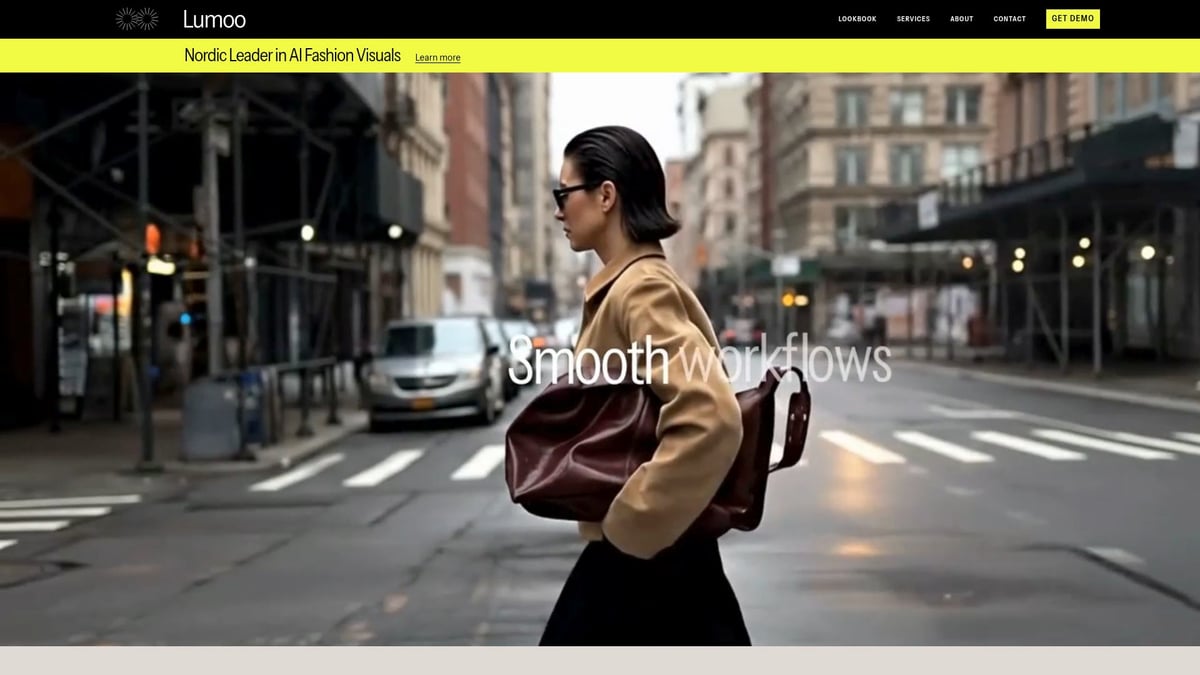
Lumoo Sizes addresses the need for inclusive fit visualization, ensuring that products are showcased on diverse body types. These solutions streamline creative workflows, enabling rapid content production without sacrificing consistency or storytelling impact. Artificial intelligence and fashion marketers benefit from enhanced engagement, as compelling visuals drive interaction and emotional connection.
By adopting Lumoo Studio’s tools, designers, marketers, and retailers can efficiently scale their content, maintain brand integrity, and stay ahead in a visually driven marketplace. Artificial intelligence and fashion will continue to evolve together, with AI-powered visuals shaping how brands communicate and connect with consumers.
AI in Supply Chain, Manufacturing, and Inventory Management
Artificial intelligence and fashion are converging in unprecedented ways, especially within the supply chain, manufacturing, and inventory management realms. By 2026, AI has become a pivotal force, streamlining processes and driving smarter decisions throughout the entire production pipeline.

Predictive Analytics for Demand and Inventory
Predictive analytics, powered by artificial intelligence and fashion data, has transformed the way brands forecast demand and manage inventory. AI systems now analyze sales records, market trends, and even weather patterns to predict what will sell and when.
Brands leveraging these insights experience fewer stockouts and avoid costly overstock scenarios. For example, AI-driven platforms have helped retailers reduce inventory errors by up to 30 percent. With such precision, the entire supply chain becomes more resilient and responsive.
By integrating artificial intelligence and fashion analytics, companies can optimize stock levels and meet consumer demand more accurately than ever before.
Automated Supply Chain Optimization
Automated supply chain optimization is another major leap, where artificial intelligence and fashion logistics intersect. AI enables real-time monitoring of every supply chain link, from raw materials to finished products on store shelves.
AI agents assist in supplier selection, production scheduling, and logistics routing. Fast fashion brands, in particular, have gained agility and efficiency using these tools. For a deeper dive into these advancements, explore how AI in Fashion Supply Chain Optimization is reshaping the industry.
As artificial intelligence and fashion technologies evolve, supply chains become more transparent, adaptive, and cost-effective.
Smart Manufacturing and Quality Control
In manufacturing, artificial intelligence and fashion innovation converge through robotics and automation. AI-powered machines handle repetitive tasks, increasing production speed while minimizing errors.
Computer vision is widely used for quality control, inspecting garments for defects and ensuring consistent standards. Brands adopting these systems report higher accuracy and reduced labor costs.
Artificial intelligence and fashion manufacturing are now inseparable, with smart factories setting new benchmarks for productivity and quality.
Sustainability and Waste Reduction
Sustainability is at the forefront as artificial intelligence and fashion brands seek to minimize waste. AI-driven forecasting allows precise fabric usage, which reduces excess inventory and environmental impact.
Brands also use AI to optimize cutting patterns and predict return rates, further lowering textile waste. Some companies have documented a 20 percent reduction in carbon footprint after adopting AI-powered processes.
Through artificial intelligence and fashion innovation, the industry is making significant strides toward a greener future.
AI in Logistics and Distribution
Logistics and distribution have seen remarkable improvements as artificial intelligence and fashion logistics teams collaborate. AI algorithms optimize delivery routes, factoring in traffic, weather, and real-time order data.
Warehouse automation, including AI-guided robots, speeds up order fulfillment and improves accuracy. These advancements lead to faster deliveries, cost savings, and higher customer satisfaction.
By harnessing artificial intelligence and fashion logistics solutions, brands are poised to meet the evolving expectations of consumers in 2026.
AI-Enhanced Retail Experiences: E-Commerce and In-Store
Artificial intelligence and fashion are rapidly changing the retail landscape, offering consumers a seamless blend of digital and physical experiences. From online platforms to brick-and-mortar stores, AI-driven solutions are transforming how brands engage shoppers, enhance personalization, and streamline operations. Retailers embracing these innovations are setting new standards for convenience, creativity, and customer satisfaction in the world of artificial intelligence and fashion.

AI in E-Commerce Platforms
E-commerce has become a major testing ground for artificial intelligence and fashion innovation. Retailers now deploy chatbots and virtual assistants to provide real-time, personalized support, guiding shoppers through product discovery and purchase decisions. Visual search technology lets users upload images to find similar styles instantly, eliminating the frustration of text-based searches.
AI-driven product recommendations are another powerful tool. By analyzing browsing and buying history, platforms present shoppers with curated selections tailored to their unique tastes. This not only boosts conversion rates but also increases customer loyalty. Brands like H&M and ASOS lead the way, integrating sophisticated AI systems to anticipate preferences and trends.
For a deeper dive into how AI enhances personalization and customer engagement in fashion retail, explore AI-Driven Personalization in Fashion Retail. The synergy between artificial intelligence and fashion ensures that digital shopping is more intuitive, enjoyable, and efficient than ever before.
Virtual Fitting Rooms and Try-On Technology
One of the most exciting developments in artificial intelligence and fashion is the rise of AR and AI-powered virtual fitting rooms. These tools allow online shoppers to "try on" clothing digitally, using their device’s camera or a personalized avatar. This interactive experience builds confidence in fit and style, reducing return rates and increasing satisfaction.
Brands such as Zalando and ASOS have launched interactive virtual try-on features that let customers see how garments look in real time. These solutions analyze body shape, movement, and lighting to deliver accurate, realistic visualizations. By bridging the gap between physical and digital, artificial intelligence and fashion are redefining expectations for online shopping.
Virtual fitting rooms also support inclusivity by offering a broader range of sizes and fits. This technology is a key driver in making fashion more accessible and enjoyable for all consumers.
AI in Physical Retail Stores
Physical stores are evolving, thanks to artificial intelligence and fashion-driven technologies. Smart mirrors and interactive displays provide instant outfit recommendations, let shoppers visualize different color options, and even suggest coordinating accessories. These tools personalize the in-store journey, making shopping both efficient and inspiring.
AI-powered loyalty programs track customer preferences and reward repeat visits with tailored promotions. Real-time inventory updates ensure that products are available when and where shoppers want them. Seamless checkout experiences, powered by AI, minimize wait times and streamline payments.
Retailers blending digital and physical channels are seeing stronger engagement and higher sales. The intersection of artificial intelligence and fashion in stores creates memorable, tech-enhanced shopping environments that stand out from the competition.
Omnichannel Integration
True retail innovation lies in omnichannel integration, where artificial intelligence and fashion work together to unify the customer experience across every touchpoint. AI synchronizes inventory, customer profiles, and promotions, ensuring consistency whether the shopper is online, in-app, or visiting a physical location.
Brands leveraging AI for omnichannel strategies benefit from increased loyalty and retention. Shoppers enjoy personalized offers, real-time product availability, and the ability to start a purchase in one channel and complete it in another. Artificial intelligence and fashion together make these seamless transitions possible, meeting modern consumers' expectations for flexibility and convenience.
As the boundaries between digital and physical retail blur, AI will continue to drive the evolution of fashion shopping, delivering smarter, more connected experiences for everyone.
Personalization, Consumer Engagement, and Marketing Transformation
Artificial intelligence and fashion are now inseparable, driving a new era of personalization and marketing innovation. As brands harness AI to analyze data and automate content creation, the relationship between companies and consumers is becoming more dynamic, engaging, and tailored than ever. Let us explore how these advancements are shaping the way we shop, interact, and experience fashion.
Hyper-Personalized Shopping Journeys
The fusion of artificial intelligence and fashion has made hyper-personalized shopping a reality. AI systems analyze individual preferences, purchase history, and real-time browsing behavior to deliver tailored product suggestions and styling advice.
For example, Stitch Fix uses AI to curate fashion boxes that match each customer’s unique taste. This approach increases satisfaction and loyalty by making shoppers feel understood.
Key benefits include:
- Higher conversion rates due to relevant recommendations
- Increased average order value through upselling and cross-selling
- Improved customer retention from ongoing personalization
Consumers now expect curated experiences, and brands that leverage artificial intelligence and fashion insights are more likely to exceed these expectations.
AI in Content Creation and Campaigns
With artificial intelligence and fashion merging in marketing, brands can now automate the creation of product descriptions, styling guides, and campaign visuals. AI tools generate copy that resonates with target audiences and create lookbooks or videos that showcase collections dynamically.
AI-driven content enables:
- Faster campaign launches with consistent brand messaging
- Cost savings by reducing manual creative work
- Dynamic storytelling that adapts to audience segments
Brands using AI for content creation can quickly respond to trends, ensuring their digital presence remains fresh and engaging.
Influencer Marketing and Social Listening
Artificial intelligence and fashion brands are transforming influencer marketing by identifying relevant creators and monitoring campaign performance in real time. AI-powered platforms scan social media to find influencers who align with brand values and track engagement metrics to assess ROI.
Social listening tools use AI to capture emerging trends and gauge consumer sentiment. This data guides brands in developing campaigns that resonate with their audience and quickly adapting strategies as preferences shift.
Key applications include:
- Influencer identification and partnership management
- Real-time campaign analytics and optimization
- Trend detection and sentiment analysis for proactive marketing
Ethical Considerations and Data Privacy
As artificial intelligence and fashion become more intertwined, ethical use of consumer data is paramount. Brands must address privacy concerns by being transparent about data collection and usage.
Best practices include:
- Obtaining clear consent for data use
- Ensuring AI algorithms are fair and unbiased
- Complying with regulations such as GDPR and CCPA
Responsible AI-driven marketing fosters consumer trust and strengthens brand reputation, positioning companies for long-term success in an evolving digital landscape.
Artificial intelligence and fashion are redefining personalization, engagement, and marketing. By embracing these technologies ethically, brands can create meaningful connections with consumers and drive sustained growth.
Sustainability, Ethics, and the Future of Fashion with AI
As artificial intelligence and fashion become increasingly intertwined, the industry is experiencing a profound shift toward sustainability, ethical practices, and future-ready talent. These changes are not only reshaping production but also redefining how brands approach environmental responsibility and inclusivity.
AI for Sustainable Fashion
Sustainability is now a core pillar of artificial intelligence and fashion innovation. AI helps brands monitor their environmental footprint with precision. For example, machine learning algorithms optimize material sourcing and production schedules, minimizing waste and energy use.
Brands use AI to reduce textile waste by analyzing demand patterns, which leads to smarter inventory planning. Data shows that companies leveraging AI in manufacturing have reported up to a 20% reduction in fabric waste and a noticeable drop in carbon emissions.
Key benefits include:
- Accurate demand forecasting
- Efficient resource allocation
- Real-time sustainability tracking
By integrating artificial intelligence and fashion, brands are setting new industry standards for eco-friendly operations.
Circular Fashion and AI
The circular economy is gaining momentum as artificial intelligence and fashion brands embrace resale, recycling, and upcycling. AI-driven platforms authenticate garments, set fair prices, and match secondhand goods with buyers, making sustainable shopping seamless.
AI tools also help brands design for longevity and recyclability. For instance, some platforms use image recognition to sort textiles for recycling, ensuring materials are repurposed efficiently.
Brands adopting circular practices benefit from:
- Increased product lifespan
- Enhanced customer loyalty
- Reduced landfill contributions
Artificial intelligence and fashion are now pivotal in driving circularity and promoting responsible consumption.
Ethical AI in Fashion
As artificial intelligence and fashion grow closer, ethical considerations take center stage. Brands are working to ensure that AI algorithms are fair, diverse, and inclusive. This involves auditing data sets to avoid bias in design, marketing, and recruitment.
Industry groups are developing guidelines to promote transparency and accountability in AI applications. These standards help prevent discrimination and foster trust among consumers and stakeholders.
Key ethical priorities include:
- Inclusive design processes
- Algorithmic transparency
- Ongoing bias monitoring
By prioritizing ethics, artificial intelligence and fashion can create a more equitable and representative industry.
Preparing for the Future: AI Skills and Talent in Fashion
The future of artificial intelligence and fashion depends on a workforce equipped with the right skills. Designers, merchandisers, and marketers increasingly need AI literacy to stay competitive.
Educational programs and industry partnerships are emerging to bridge the skills gap. New roles are appearing, such as AI fashion strategist and digital product developer, reflecting the sector’s technological evolution.
To succeed, professionals should focus on:
- Data analysis and interpretation
- Collaboration with AI systems
- Continuous learning and upskilling
Investing in talent ensures artificial intelligence and fashion can continue to innovate responsibly and sustainably.
Fashion Trends 2026: What to Expect from AI-Driven Innovation
As 2026 approaches, the intersection of artificial intelligence and fashion is reshaping the industry in remarkable ways. Forward-thinking brands are leveraging advanced technologies to set new standards in creativity, personalization, and sustainability. This section explores the key trends, evolving consumer expectations, and the challenges and opportunities that lie ahead.
Key AI-Driven Fashion Trends for 2026
Artificial intelligence and fashion are converging to drive several pivotal trends in 2026. Hyper-personalization is now the norm, with AI algorithms tailoring collections and recommendations to each consumer’s taste. Digital-first collections are growing, allowing brands to launch virtual garments that can be tried on in augmented reality or even worn in metaverse environments. Sustainability remains in focus, as AI optimizes material usage and minimizes waste.
A quick summary of 2026’s leading trends:
| Trend | AI’s Role | Impact |
|---|---|---|
| Hyper-personalization | Real-time data analysis | Unique shopping experiences |
| Digital collections | Virtual prototyping, AR/VR integration | Faster and eco-friendly launches |
| Sustainability | Smart forecasting, waste reduction | Lower environmental footprint |
| Inclusivity & Diversity | Bias-aware algorithms | Broader representation |
| Metaverse fashion | Digital garment creation, avatar styling | New revenue streams |
Brands like ASOS, Nike, and Gucci are already experimenting with these innovations. Artificial intelligence and fashion together are redefining the creative process, making collections more adaptive, inclusive, and digitally connected than ever before.
Consumer Expectations and Shopping Behaviors
Consumer expectations are shifting rapidly as artificial intelligence and fashion become increasingly intertwined. Shoppers now anticipate instant, personalized experiences both online and in-store. Virtual try-ons, AI-powered chatbots, and curated product recommendations are becoming essential parts of the buying journey.
AI’s ability to predict preferences and suggest styles encourages unique self-expression. Meanwhile, the demand for ethical fashion is rising. Consumers expect brands to use artificial intelligence and fashion responsibly, prioritizing transparency and sustainability. The divide between fast fashion and slow fashion is also influenced by AI, as it allows for on-demand production and reduces unsold inventory.
Today’s shoppers value brands that can offer convenience, customization, and a sense of social responsibility. Artificial intelligence and fashion play a crucial role in meeting these evolving demands.
Challenges and Opportunities Ahead
Despite the promise of artificial intelligence and fashion, several challenges remain. Data privacy concerns and the ethical use of AI-generated insights are at the forefront. Brands must ensure transparent data practices and actively address algorithmic bias to foster trust.
Technology adoption can be complex, especially for smaller labels with limited resources. There is also the creative challenge of maintaining human artistry in a data-driven environment. However, these hurdles create opportunities for innovation. Brands that invest in upskilling teams and forming cross-disciplinary partnerships will stand out.
Looking forward, artificial intelligence and fashion will continue to evolve together, offering new ways for brands to differentiate and connect with consumers. By embracing responsible AI strategies, the fashion industry can prepare for ongoing transformation and sustainable growth.
As we’ve explored, artificial intelligence is reshaping every corner of the fashion world—from predicting trends to creating stunning visuals and streamlining workflows. If you’re ready to see how these innovations can help your brand stand out in 2026 and beyond, I encourage you to experience Lumoo Studio’s advanced AI solutions firsthand. Discover how you can elevate your visual storytelling, personalize customer experiences, and accelerate your creative process by seeing these tools in action. Let’s unlock the future of fashion together—Get Demo