Best Fashion Retailers Transforming Shopping in 2026
Discover the best fashion retailers leading the industry in 2026, from luxury platforms to innovative AI-powered brands reshaping visual commerce.
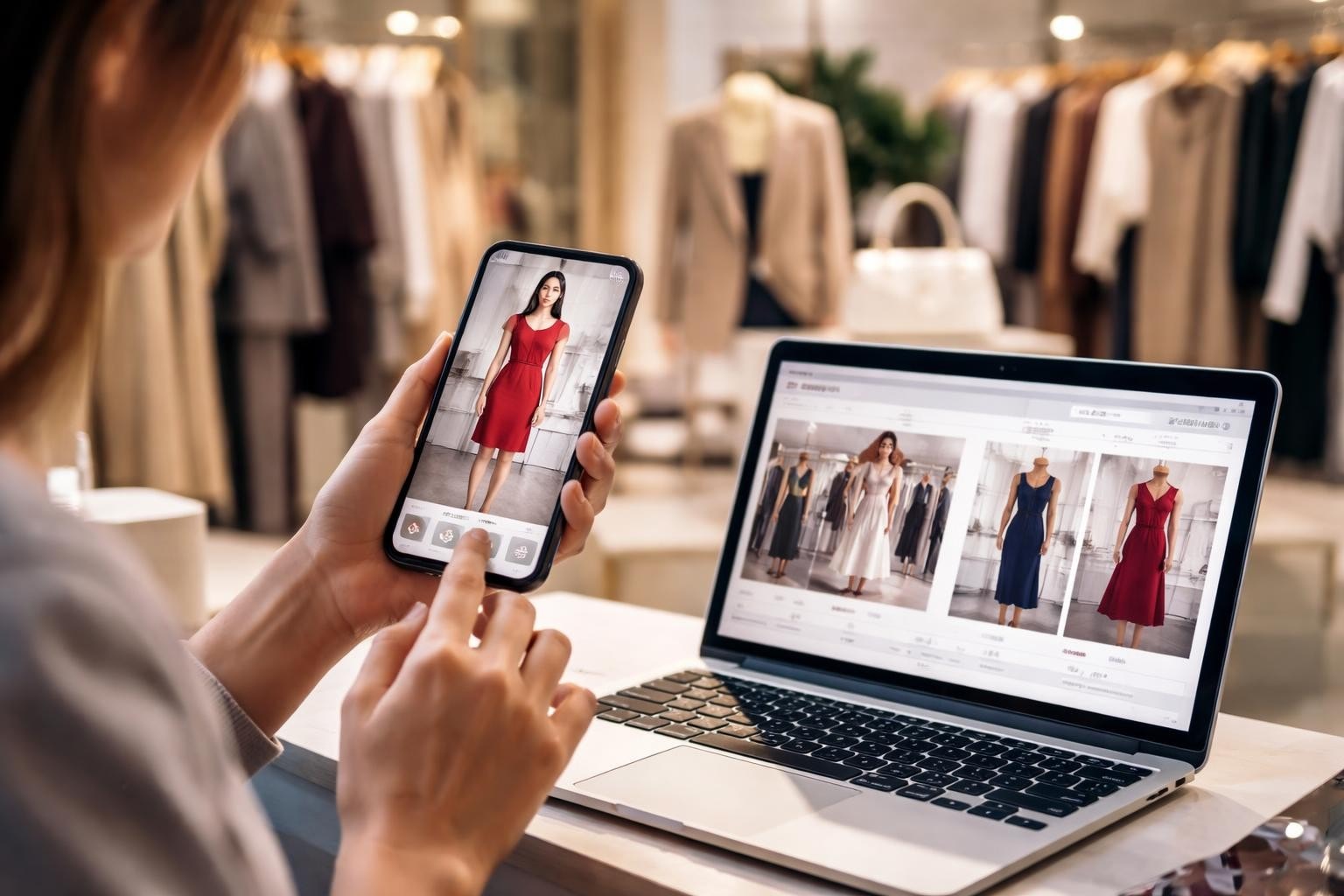
The fashion retail landscape continues to evolve at an unprecedented pace, driven by technological innovation, changing consumer expectations, and the integration of artificial intelligence into every aspect of the shopping experience. As we navigate 2026, identifying the best fashion retailers requires looking beyond traditional metrics to understand how brands are leveraging cutting-edge technology to create compelling visual narratives and seamless customer journeys. The most successful retailers now combine curated selections with advanced visualization tools, transforming how consumers discover and engage with fashion products online.
Understanding What Makes the Best Fashion Retailers Stand Out
The definition of excellence in fashion retail has fundamentally shifted over the past decade. Today's best fashion retailers excel not just in product curation but in creating immersive digital experiences that bridge the gap between online browsing and physical interaction.
Key differentiators include:
- Advanced visual merchandising capabilities that showcase products from multiple angles
- Integration of virtual try-on technology for improved purchase confidence
- Personalized recommendations based on behavioral data and style preferences
- Seamless omnichannel experiences connecting digital and physical touchpoints
- Sustainability initiatives and transparent supply chain practices
The Americas best retailers ranking demonstrates that customer satisfaction remains paramount, but satisfaction now depends heavily on technological sophistication and visual presentation quality.
The Role of Visual Technology in Modern Retail
Visual presentation has become the primary battleground for fashion retailers. Static product images no longer suffice when consumers expect dynamic, lifestyle-oriented content that helps them envision products in real-world contexts.
Leading retailers are investing heavily in AI-powered solutions that transform basic product photography into engaging visual stories. This shift recognizes a fundamental truth: fashion is inherently visual, and the brands that best communicate their aesthetic vision capture market share.
Luxury Fashion Platforms Redefining Premium Shopping
The luxury segment has witnessed remarkable innovation as platforms combine exclusive inventory with sophisticated presentation tools. These best fashion retailers understand that luxury consumers expect exceptional visual quality alongside product exclusivity.
| Platform | Specialty | Key Innovation |
|---|---|---|
| Farfetch | Global luxury marketplace | Boutique aggregation with unified experience |
| Net-a-Porter | Curated designer collections | Editorial-quality product photography |
| Vestiaire Collective | Pre-owned luxury authentication | Sustainability-focused resale platform |
| Bessette | Discounted designer fashion | Curated off-price luxury shopping |
Farfetch pioneered the boutique aggregation model, connecting independent luxury retailers with global consumers through a single platform. Their success demonstrates how technology can expand market reach while maintaining brand integrity.
The curated approach of platforms like Bessette shows how even discount luxury retail benefits from sophisticated curation and presentation. By controlling the visual narrative, these retailers maintain aspirational appeal despite lower price points.
Pre-Owned Luxury and Circular Fashion
Sustainability concerns have elevated pre-owned luxury platforms into the best fashion retailers category. Vestiaire Collective exemplifies this trend, combining authentication services with comprehensive visual documentation that builds buyer confidence.
These platforms face unique challenges in visual presentation. Unlike new inventory with professional brand photography, pre-owned items require consistent, high-quality imaging that accurately represents condition while maintaining aesthetic appeal.
AI-powered imaging solutions enable consistent visual standards across thousands of unique items, ensuring that a vintage Chanel bag receives the same professional presentation quality as current-season merchandise.
Contemporary Fashion Retailers Leading Digital Innovation
Beyond luxury, contemporary fashion retailers are deploying innovative technologies to compete effectively in crowded marketplaces. These brands understand that mid-market consumers expect premium presentation quality regardless of price point.
Successful contemporary retailers share common traits:
- Investment in visual content creation at scale
- Mobile-first design prioritizing thumb-friendly navigation
- Social commerce integration connecting discovery to purchase
- Size and fit technology reducing return rates
- Dynamic pricing strategies responsive to demand signals
Abercrombie & Fitch has successfully reinvented itself through focused product development and modernized visual merchandising. Their transformation illustrates how heritage brands can compete by updating their visual language to match contemporary aesthetic preferences.
Supporting Independent Designers Through Marketplace Models
Platforms like Wolf & Badger have created successful models supporting independent designers who lack resources for sophisticated e-commerce infrastructure. These best fashion retailers provide centralized technology while allowing individual brand expression.
The challenge for marketplace operators is maintaining visual coherence across diverse vendors with varying photography capabilities. Advanced AI-powered services solve this problem by standardizing presentation quality without eliminating individual brand character.
Online Fashion Destinations Competing Through Experience
Pure-play online retailers continue expanding their dominance by offering unmatched selection combined with sophisticated discovery tools. These best fashion retailers recognize that abundance requires exceptional navigation and filtering capabilities.
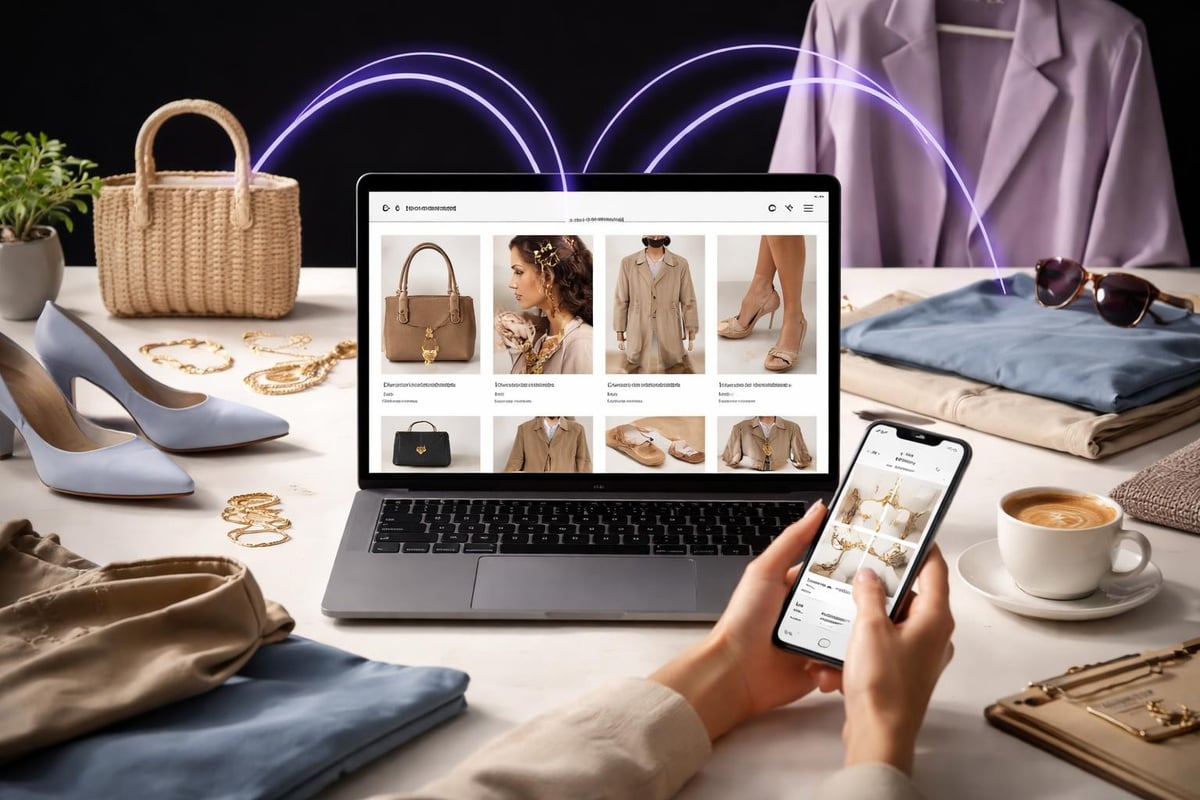
ShopStyle evolved from a simple search engine into a comprehensive marketplace by understanding that product discovery itself creates value. Their aggregation model connects consumers with products across hundreds of retailers through unified search and filtering.
The top online clothing stores identified by The Independent demonstrate consistent excellence in several areas:
- Extensive product range spanning multiple price points and style categories
- Editorial content that contextualizes products within broader trends
- Flexible return policies that reduce purchase friction
- Advanced search functionality including visual search capabilities
- Loyalty programs that reward repeat engagement
Specialized Dress Retailers Carving Market Niches
Specialization allows certain retailers to dominate specific categories through deep expertise. The ranking of top dress retailers reveals how focused merchandising creates competitive advantage.
Specialized retailers excel by understanding their category intimately and presenting products in ways that highlight relevant attributes. For dresses, this means showcasing fit, movement, and styling versatility through varied imagery and model diversity.
| Retailer Type | Competitive Advantage | Visual Strategy |
|---|---|---|
| Category Specialists | Deep inventory expertise | Multiple angles and detail shots |
| Fast Fashion | Trend responsiveness | Lifestyle and editorial styling |
| Sustainable Brands | Transparency storytelling | Production process visualization |
| Size-Inclusive | Fit diversity representation | Wide range of model body types |
Consumer Preferences Shaping Retail Evolution
Understanding consumer behavior is essential for any retailer aspiring to best-in-class status. Research on America's favorite fashion retailers reveals consistent patterns in what drives loyalty and satisfaction.
Top consumer priorities include:
- Product quality that justifies price points
- Visual presentation that accurately represents items
- Efficient customer service resolving issues quickly
- Easy returns processing with minimal friction
- Ethical practices in manufacturing and labor
Trust emerges as the unifying factor. Consumers trust retailers that present products honestly through comprehensive imagery, provide accurate sizing information, and stand behind their merchandise with straightforward policies.
The Growing Importance of Visual Accuracy
Return rates represent significant costs for fashion retailers, often caused by disconnects between product presentation and reality. The best fashion retailers invest in visual accuracy that sets appropriate expectations.
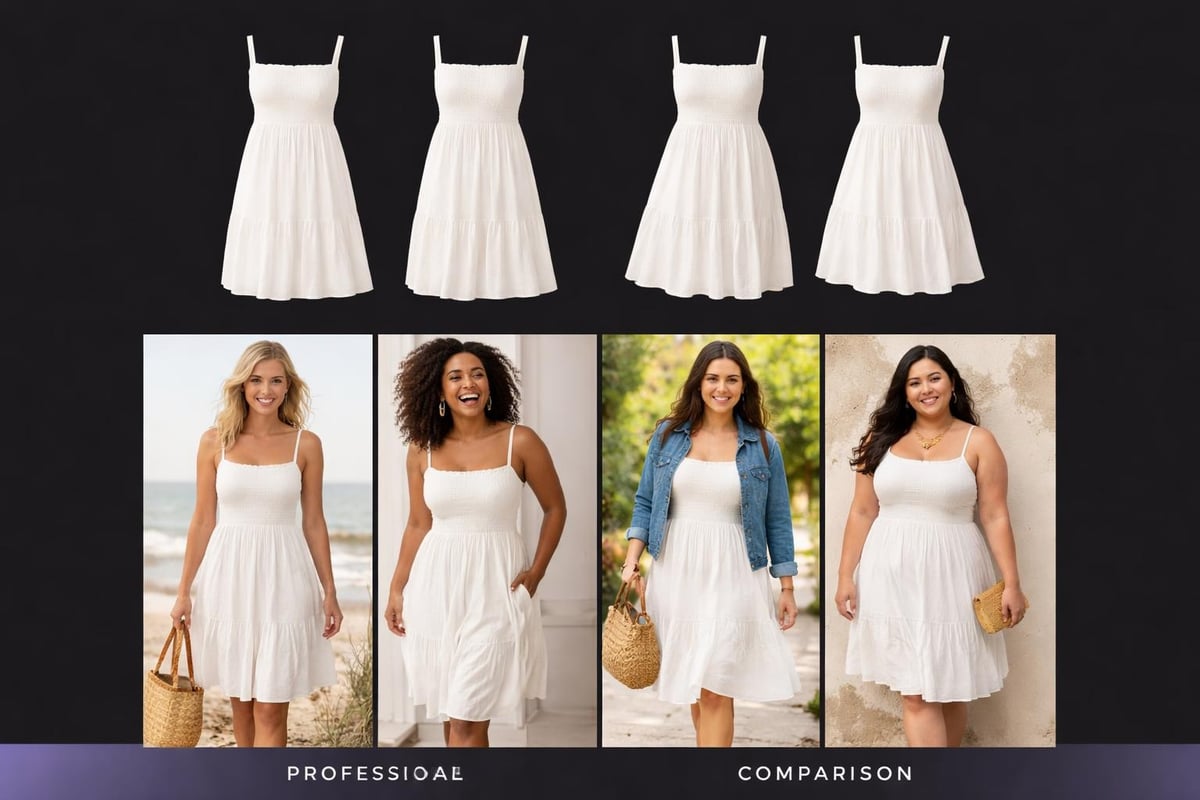
Advanced imaging technology enables presenting products on diverse model types, showing items in motion through video, and providing zoom functionality revealing fabric texture and construction details. These capabilities reduce surprise upon delivery.
Tools that activate visual content help retailers maintain consistency across thousands of SKUs, ensuring every product receives professional-quality presentation regardless of production timeline constraints.
Technology Integration Defining Next-Generation Retail
The best fashion retailers in 2026 distinguish themselves through sophisticated technology integration that enhances rather than replaces human curation and creativity. Artificial intelligence now powers multiple aspects of the retail experience.
AI applications transforming fashion retail:
- Automated product tagging for improved search and discovery
- Personalized recommendations based on style preferences and behavior
- Dynamic pricing optimization responding to demand and inventory
- Visual content generation creating lifestyle imagery from product photos
- Virtual try-on experiences allowing customers to visualize fit
- Size prediction algorithms reducing fit-related returns
These technologies democratize capabilities previously available only to retailers with substantial resources. Small and mid-sized brands now access tools that create professional visual content at scales previously impossible.
Creating Compelling Visual Narratives at Scale
Volume creates challenges for visual consistency. Retailers carrying thousands of SKUs struggle to produce lifestyle imagery, styled shots, and video content for every item through traditional photography.
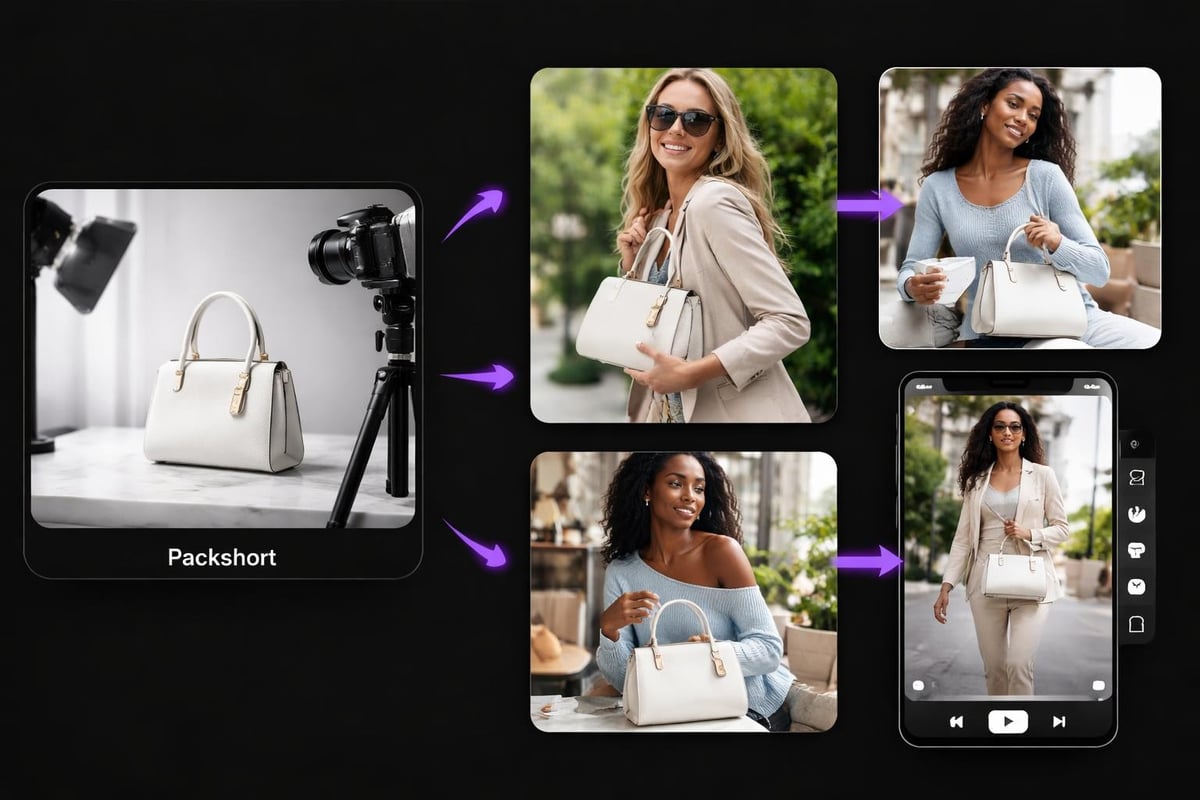
AI-powered visual generation solves this challenge by transforming basic product photos into diverse visual assets. A single packshot becomes dozens of variations showing different styling contexts, model types, and environmental settings.
This capability is particularly valuable for marketplace operators and multi-brand retailers needing consistent presentation quality across vendors with varying photography capabilities. Technology creates visual equity that benefits both retailers and consumers.
Building Partnership Ecosystems for Mutual Success
The most successful fashion retailers recognize they cannot excel in every capability independently. Strategic partnerships enable accessing specialized expertise while focusing on core competencies.
Common partnership models include:
- Technology providers offering visual enhancement and personalization tools
- Logistics specialists managing fulfillment and returns processing
- Payment platforms facilitating transactions and fraud prevention
- Marketing platforms driving discovery and customer acquisition
- Authentication services validating luxury item provenance
These partnerships allow retailers to assemble best-in-class capabilities without building everything internally. The partner ecosystem approach creates win-win scenarios where specialized providers deliver superior results in their domains.
The Future of Fashion Retail Technology
Looking ahead, the best fashion retailers will continue differentiating through technology adoption while maintaining the human elements that make fashion compelling. Automation handles repetitive tasks, freeing creative professionals to focus on curation, storytelling, and customer relationships.
Emerging technologies on the horizon include:
- Augmented reality showrooms blending physical and digital experiences
- Blockchain-based provenance tracking for authenticity and sustainability
- Advanced body scanning for perfect fit prediction
- AI stylists providing personalized outfit recommendations
- Generative design tools creating custom products on demand
The retailers that thrive will balance technological sophistication with authentic brand voice and human connection. Technology enables efficiency and scale, but fashion remains fundamentally about self-expression and emotional resonance.
Measuring Success in Modern Fashion Retail
Traditional metrics like sales per square foot become less relevant as retail shifts online. The best fashion retailers in 2026 track different indicators reflecting digital-first realities.
Key performance indicators for fashion retail:
| Metric | Significance | Industry Benchmark |
|---|---|---|
| Conversion Rate | Purchase efficiency | 2-4% for fashion |
| Average Order Value | Customer spending power | $75-150 typical range |
| Return Rate | Product-expectation alignment | 20-40% for online fashion |
| Customer Lifetime Value | Long-term relationship strength | 3-5x acquisition cost |
| Time on Site | Engagement and discovery | 3-8 minutes average |
| Visual Content Engagement | Image and video interaction | 60%+ interaction rate |
Visual engagement metrics deserve particular attention. Products with comprehensive imagery (multiple angles, styled shots, video) consistently outperform those with minimal visual content. The correlation between visual investment and conversion is clear and direct.
Retailers optimizing visual presentation see measurable improvements across multiple KPIs. Better imagery reduces returns, increases average order value, and improves customer satisfaction scores.
The best fashion retailers in 2026 share common characteristics: they prioritize visual excellence, leverage technology strategically, and maintain authentic connections with their audiences. Success requires balancing innovation with the timeless human elements that make fashion meaningful. As visual presentation becomes increasingly central to retail success, brands need partners who understand both fashion aesthetics and cutting-edge technology. Lumoo Studio empowers fashion retailers to elevate their visual storytelling through AI-powered tools that transform basic product photography into compelling model images, videos, and lifestyle content that drives engagement and conversion across all channels.