Brand and Fashion: AI-Driven Strategies for 2026
Discover how brand and fashion intersect through AI technology, visual storytelling, and digital innovation to create compelling customer experiences.

The relationship between brand and fashion has evolved dramatically in recent years, shifting from traditional marketing approaches to technology-driven experiences that captivate modern consumers. As we navigate through 2026, fashion brands face unprecedented opportunities to differentiate themselves through innovative visual storytelling, AI-powered personalization, and immersive digital experiences. Understanding how to build a cohesive brand identity while adapting to rapid technological change has become essential for survival in today's competitive marketplace.
The Evolution of Brand Identity in Fashion
Fashion brands today must navigate a landscape where celebrity influence increasingly shapes consumer expectations and digital presence often matters more than physical retail spaces. The concept of brand and fashion has expanded beyond logos and taglines to encompass entire ecosystems of visual content, customer experiences, and emotional connections.
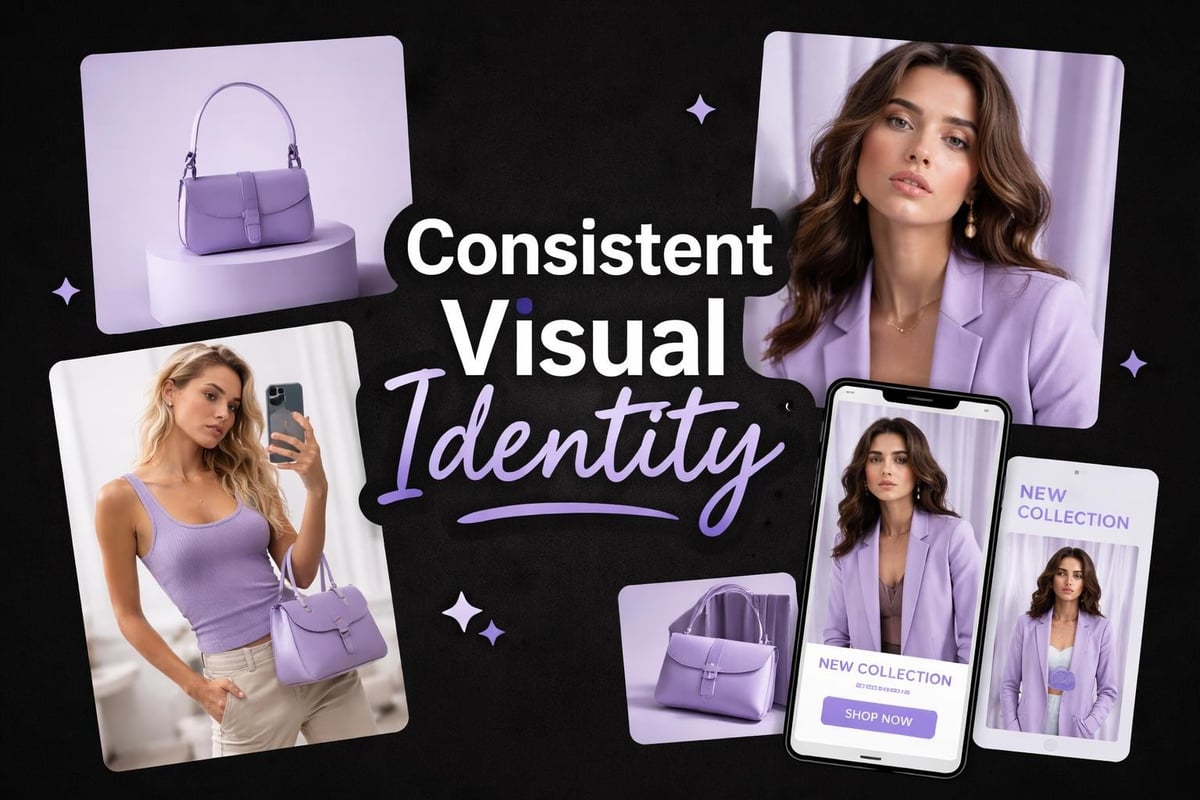
Building Recognition Through Visual Consistency
Establishing a distinctive visual identity requires more than selecting colors and fonts. Successful fashion brands create comprehensive style guides that govern every customer touchpoint, from product photography to social media content. This consistency builds trust and makes brands instantly recognizable across crowded digital platforms.
Key elements of visual brand consistency include:
- Product photography style and lighting
- Model selection and styling approach
- Background aesthetics and composition
- Color grading and post-processing techniques
- Typography and graphic design elements
When customers encounter consistent visual messaging, they develop stronger brand associations and higher purchase confidence. This principle applies whether showcasing luxury evening wear or athletic performance apparel.
The Role of Storytelling in Fashion Branding
Narrative-driven content has become fundamental to fashion marketing, transforming how brands communicate their values and connect with audiences. Rather than simply displaying products, successful brands craft compelling stories that resonate emotionally with their target demographics.
Modern consumers seek authenticity and purpose. They want to understand the inspiration behind collections, the craftsmanship involved in production, and the values guiding brand decisions. Fashion brands that articulate these narratives effectively create deeper relationships with customers beyond transactional interactions.
Digital Transformation and Brand Experience
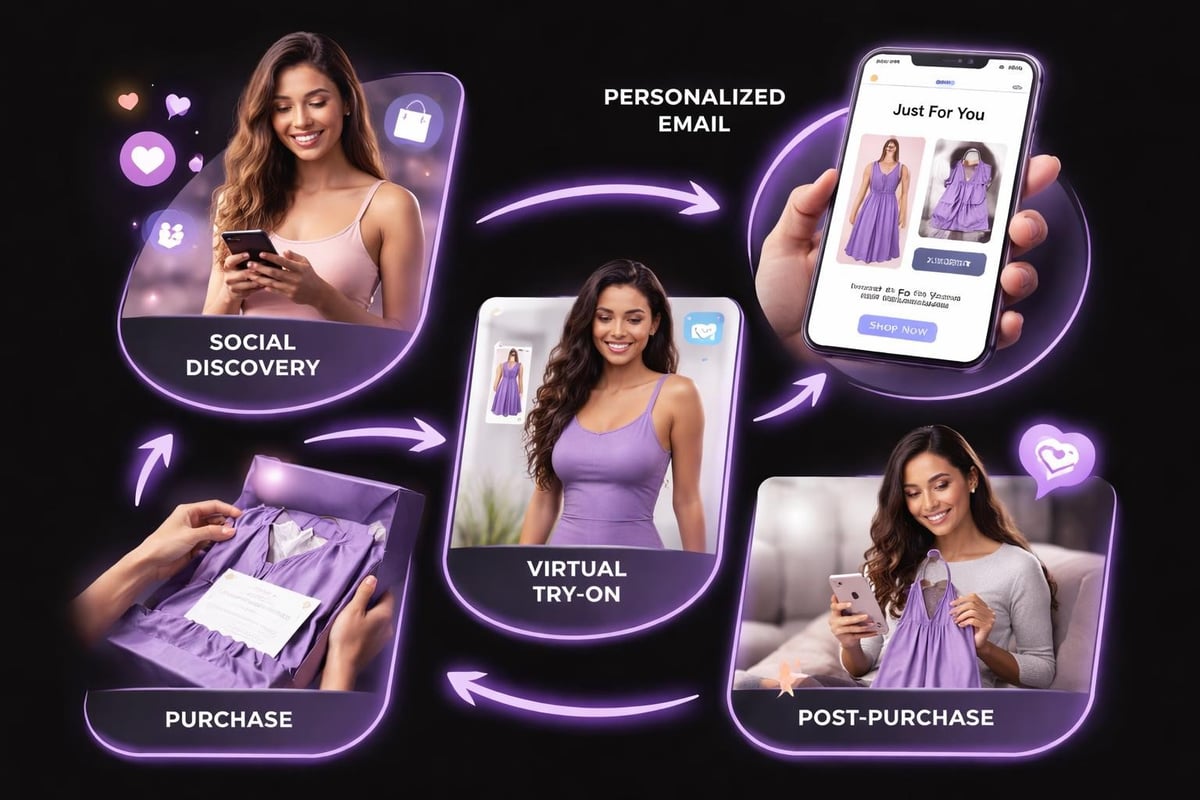
The intersection of brand and fashion has been revolutionized by digital technology. Virtual try-on experiences, AI-generated model imagery, and interactive lookbooks represent just the beginning of this transformation.
Virtual Try-On Technology
Digital fashion and virtual try-ons have emerged as dominant trends reshaping how consumers interact with fashion brands online. These technologies address a fundamental challenge in e-commerce: helping customers visualize how products will look on them before purchasing.
Virtual try-on capabilities reduce return rates, increase conversion rates, and enhance customer satisfaction. They also provide valuable data about customer preferences and sizing patterns that inform inventory decisions and product development.
| Virtual Try-On Benefits | Brand Impact | Customer Impact |
|---|---|---|
| Reduced return rates | Lower logistics costs | Higher purchase confidence |
| Increased engagement | Extended session duration | Interactive shopping experience |
| Personalization data | Better inventory planning | Customized recommendations |
| Competitive advantage | Market differentiation | Enhanced convenience |
AI-Powered Visual Content Creation
Creating high-quality product imagery traditionally required expensive photoshoots, professional models, and extensive post-production. AI technology has democratized this process, enabling brands to generate diverse model images, styled lookbooks, and dynamic visual content at scale.
This transformation particularly benefits emerging brands and direct-to-consumer businesses that lack resources for traditional production methods. By converting simple product shots into professionally styled model images, brands maintain visual quality while controlling costs.
The Lumoo Studio services exemplify how AI technology enables fashion brands to create sophisticated visual content that rivals traditional photography at a fraction of the cost and time investment.
Marketing Strategies for Fashion Brands
Understanding brand and fashion dynamics requires mastery of both timeless marketing principles and emerging digital strategies. The most successful brands balance consistency with innovation, tradition with experimentation.
Content Marketing and Social Media Presence
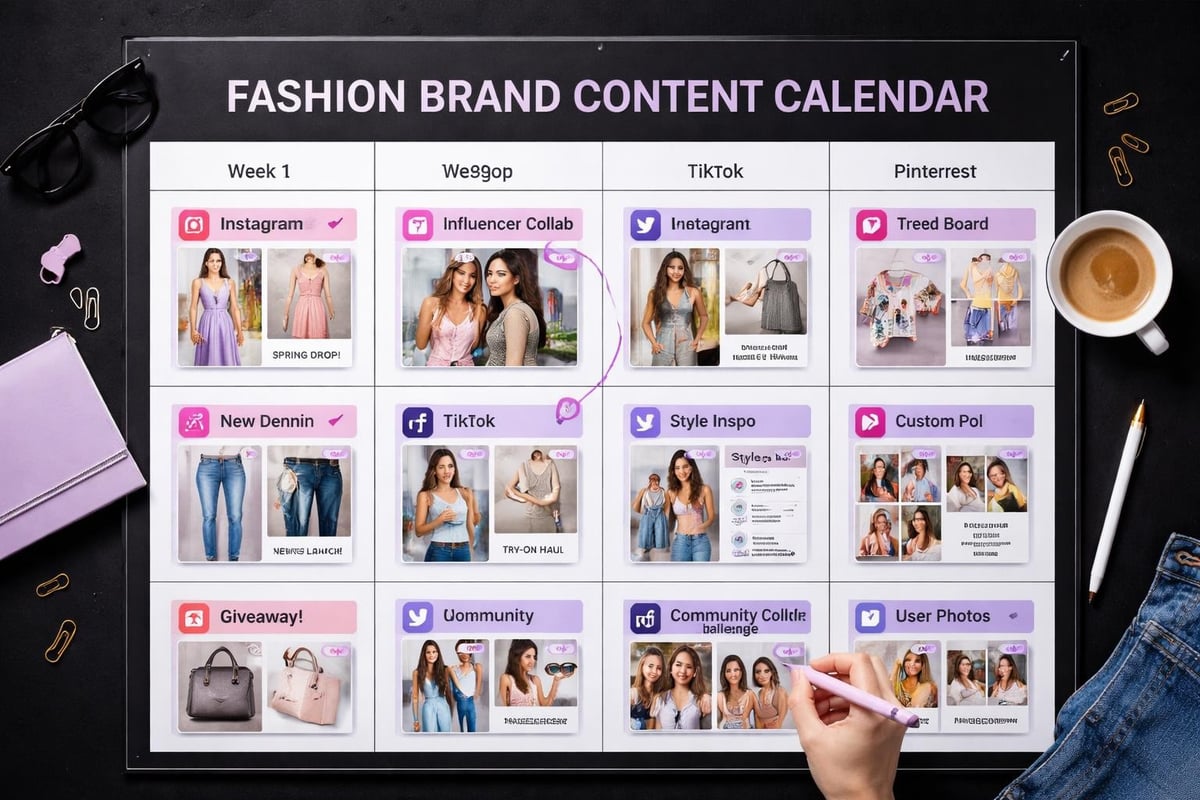
Fashion brands must maintain active, engaging social media presences across multiple platforms. Each platform demands different content approaches, from Instagram's visual focus to TikTok's short-form video format.
Effective social media strategies include:
- Platform-specific content optimization - Tailoring format and messaging to each channel's unique characteristics
- Influencer partnerships - Collaborating with creators whose audiences align with brand demographics
- User-generated content campaigns - Encouraging customers to share their styling and experiences
- Behind-the-scenes storytelling - Revealing design processes and brand culture
- Interactive features - Utilizing polls, questions, and live streaming to build community
Consistency in voice and aesthetic across platforms reinforces brand identity while allowing creative flexibility to maximize platform-specific engagement opportunities.
Drop Culture and Scarcity Marketing
Adopting drop culture strategies has proven effective for building anticipation and driving immediate sales. Limited releases create urgency and exclusivity, transforming routine product launches into cultural events.
This approach works particularly well for brands targeting younger demographics who value uniqueness and timely access to trending items. Teaser campaigns build momentum, while strict release windows encourage decisive purchasing behavior.
However, drop culture requires careful execution to avoid frustrating loyal customers. Brands must balance scarcity with accessibility, ensuring strategies feel exciting rather than manipulative.
Sustainability and Ethical Branding
The relationship between brand and fashion increasingly incorporates sustainability and ethical considerations. Modern consumers demand transparency about production practices, material sourcing, and environmental impact.
Communicating Sustainable Practices
Brands committed to sustainability must effectively communicate these efforts without appearing performative. Authentic sustainability messaging requires specific details about materials, manufacturing processes, and improvement initiatives.
Transparent sustainability communication includes:
- Detailed material breakdowns and sourcing information
- Manufacturing partner certifications and standards
- Carbon footprint calculations and reduction goals
- Packaging innovations and waste reduction efforts
- Repair programs and product longevity initiatives
Generic claims about being "eco-friendly" no longer satisfy informed consumers. They expect verifiable data and ongoing commitment to improvement rather than perfection.
The Business Case for Ethical Fashion
Sustainable and ethical fashion trends reflect genuine market demand rather than passing fads. Consumers increasingly align purchasing decisions with personal values, creating competitive advantages for brands that prioritize ethical practices.
This shift affects brand and fashion relationships at fundamental levels. Values become differentiating factors as important as aesthetic style or price points. Brands that authentically embrace sustainability attract loyal customer bases willing to pay premium prices for aligned values.
Direct-to-Consumer Brand Building
The rise of direct-to-consumer (DTC) brands has transformed fashion industry dynamics. These brands control their entire customer experience, from product development through final delivery.
Advantages of DTC Fashion Brands
| Advantage | Description | Brand Impact |
|---|---|---|
| Customer relationships | Direct communication and data collection | Personalized marketing and product development |
| Margin control | Elimination of wholesale markups | Competitive pricing or increased profitability |
| Brand narrative | Unfiltered messaging and positioning | Authentic customer connections |
| Agility | Rapid response to trends and feedback | Market relevance and innovation |
DTC brands leverage technology to create seamless shopping experiences that traditional retailers struggle to match. They collect valuable customer data informing everything from sizing standards to color preferences.
Building Strong Brand Identity
DTC success requires distinctive brand identities that resonate with target audiences. Without retail partners providing credibility and distribution, DTC brands must establish trust and recognition independently.
This challenge drives many DTC fashion brands to invest heavily in content marketing, influencer partnerships, and community building. They create aspirational lifestyles around their products rather than simply selling clothing items.
Visual consistency becomes particularly critical for DTC brands operating primarily online. Every product image, marketing email, and social post contributes to overall brand perception.
Innovation in Fashion Presentation
Traditional fashion presentation methods are being reimagined through digital innovation. Runway shows stream globally, lookbooks become interactive experiences, and product launches happen entirely in virtual spaces.
Digital Lookbooks and Interactive Content
Static PDF lookbooks have evolved into dynamic digital experiences featuring video, 360-degree product views, and shoppable links. These interactive formats engage customers more effectively while providing measurable data about product interest.
Fashion brands can now create seasonal lookbooks featuring diverse model representations without the logistical complexity of traditional photoshoots. AI technology enables rapid generation of styled imagery across different body types, skin tones, and styling approaches.
This capability particularly benefits brands serving diverse customer bases who want to see products on models resembling themselves. Representation in marketing directly impacts purchase confidence and brand loyalty.
Seasonal Trends and Product Launches
Fashion trends like the fuzzy bag charm movement demonstrate how specific items can capture cultural moments and drive consumer interest. Successful brands anticipate and respond to these trends while maintaining core brand identity.
The challenge lies in balancing trend responsiveness with brand consistency. Brands must evaluate which trends align with their positioning and customer expectations versus which might dilute brand identity.
Trend evaluation criteria:
- Alignment with brand aesthetic and values
- Relevance to target customer demographics
- Production feasibility within current capabilities
- Profit margins and inventory risk
- Long-term versus short-term appeal
Technology Integration for Fashion Brands
The future of brand and fashion depends on seamless technology integration that enhances rather than replaces human creativity. The most successful implementations augment designer vision with AI capabilities.
AI in Design and Operations
Integrating AI in fashion design and operations extends beyond visual content creation to include trend forecasting, inventory optimization, and personalized recommendations. These applications improve efficiency while enabling better customer experiences.
AI algorithms analyze social media trends, sales data, and cultural movements to predict emerging styles before they peak. This foresight helps brands allocate resources effectively and reduce overproduction waste.
Operational AI applications streamline supply chain management, optimize pricing strategies, and automate customer service interactions. These behind-the-scenes improvements enable brands to focus creative energy on design and storytelling.
Size Technology and Fit Optimization
Sizing remains one of fashion e-commerce's most persistent challenges. Inconsistent standards across brands and products create frustration and drive returns. Advanced sizing technology addresses this problem through data-driven recommendations and virtual fitting.
Brands implementing sophisticated size recommendation systems report significantly reduced return rates and increased customer satisfaction. These systems learn from customer feedback and purchase patterns to continuously improve accuracy.
Measuring Brand Success in Fashion
Understanding brand and fashion performance requires tracking metrics beyond traditional sales figures. Modern brands monitor engagement, sentiment, and long-term customer value.
Key Performance Indicators
| Metric | What It Measures | Why It Matters |
|---|---|---|
| Customer Lifetime Value | Total revenue per customer | Long-term profitability |
| Brand Awareness | Recognition in target markets | Market position strength |
| Engagement Rate | Social interaction levels | Content effectiveness |
| Return Rate | Product satisfaction | Quality and sizing accuracy |
| Net Promoter Score | Customer loyalty | Word-of-mouth potential |
These metrics provide comprehensive views of brand health beyond immediate sales performance. They indicate whether brand-building efforts translate into sustainable business growth.
Social Listening and Sentiment Analysis
Monitoring conversations about brand and fashion topics across social platforms reveals customer perceptions, emerging concerns, and competitive positioning. This qualitative data complements quantitative metrics for fuller understanding.
Brands discovering negative sentiment patterns can address issues before they escalate into reputation crises. Positive sentiment identification highlights successful strategies worth amplifying.
The Future of Fashion Branding
As we progress through 2026, the relationship between brand and fashion continues evolving. Emerging technologies like augmented reality, blockchain authentication, and advanced personalization will further transform how brands connect with customers.
Success in this landscape requires balancing innovation with authenticity, technology with creativity, and efficiency with quality. Fashion brands must remain true to their core identities while embracing tools that enhance customer experiences and operational effectiveness.
The brands that thrive will be those viewing technology as an enabler of creative vision rather than a replacement for human judgment. They'll leverage AI and digital tools to scale their unique aesthetic and values rather than homogenizing into generic efficiency.
Understanding these dynamics positions fashion brands to build lasting relationships with customers who value both style and substance. The future belongs to brands that master the interplay between timeless branding principles and cutting-edge technological capabilities.
Brand and fashion success in 2026 demands strategic integration of visual consistency, technological innovation, and authentic storytelling that resonates with modern consumers. Whether you're launching a new DTC brand or revitalizing an established fashion house, creating compelling visual content at scale remains essential for competitive differentiation. Lumoo Studio empowers fashion brands to transform ordinary product images into professional model photography, dynamic lookbooks, and engaging visual stories that elevate brand presence and drive customer engagement. Discover how AI-powered fashion technology can amplify your brand's visual storytelling today.