Collections in Fashion: Complete Guide for 2026
Explore how collections in fashion shape industry trends, from seasonal planning to AI-driven production. Expert insights for modern brands.
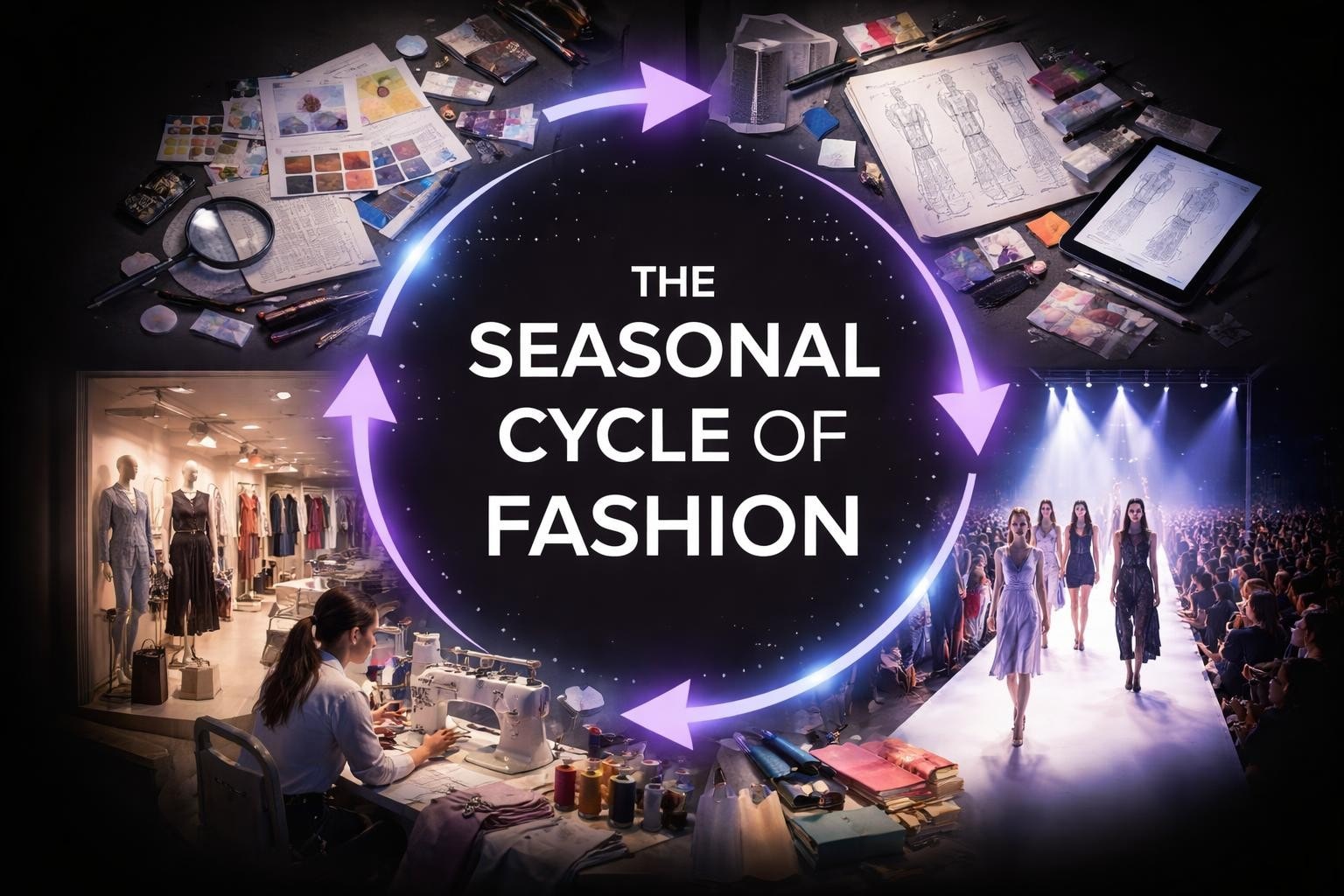
The fashion industry operates on a carefully orchestrated calendar where collections in fashion serve as the fundamental building blocks of brand identity, commercial success, and creative expression. These curated groups of garments represent far more than simple product assortments-they embody strategic vision, market positioning, and the ability to anticipate consumer desires months or even years in advance. For modern fashion brands navigating an increasingly complex landscape of digital transformation, sustainability demands, and rapidly shifting consumer preferences, understanding the full spectrum of fashion collections has become essential to maintaining competitive advantage and market relevance.
Understanding the Strategic Role of Fashion Collections
Collections in fashion function as comprehensive seasonal statements that communicate a brand's aesthetic direction, target demographic, and market positioning. Each collection typically contains between 20 to 100 pieces, carefully coordinated to tell a cohesive story while addressing practical commercial considerations. The strategic importance of these collections extends beyond pure design creativity, encompassing production logistics, inventory management, marketing campaigns, and retail distribution.
The Anatomy of Modern Fashion Collections
Contemporary fashion collections consist of multiple components working in harmony. Core pieces establish the foundational silhouettes and color palettes, while statement pieces generate media attention and define trend leadership. Commercial pieces ensure profitability by appealing to broader consumer segments, and capsule elements create focused narratives around specific themes or collaborations.
Key collection components include:
- Signature pieces that reinforce brand identity
- Commercial bestsellers driving revenue
- Trend-forward items establishing market leadership
- Basics providing wardrobe essentials
- Limited editions creating exclusivity and urgency
The balance between these elements determines collection success. Luxury houses like Dolce & Gabbana showcase exclusive craftsmanship through their Alta Moda events, demonstrating how collections in fashion can elevate brand prestige through meticulous attention to handcrafted details and limited production runs.
Seasonal Collection Cycles and Planning
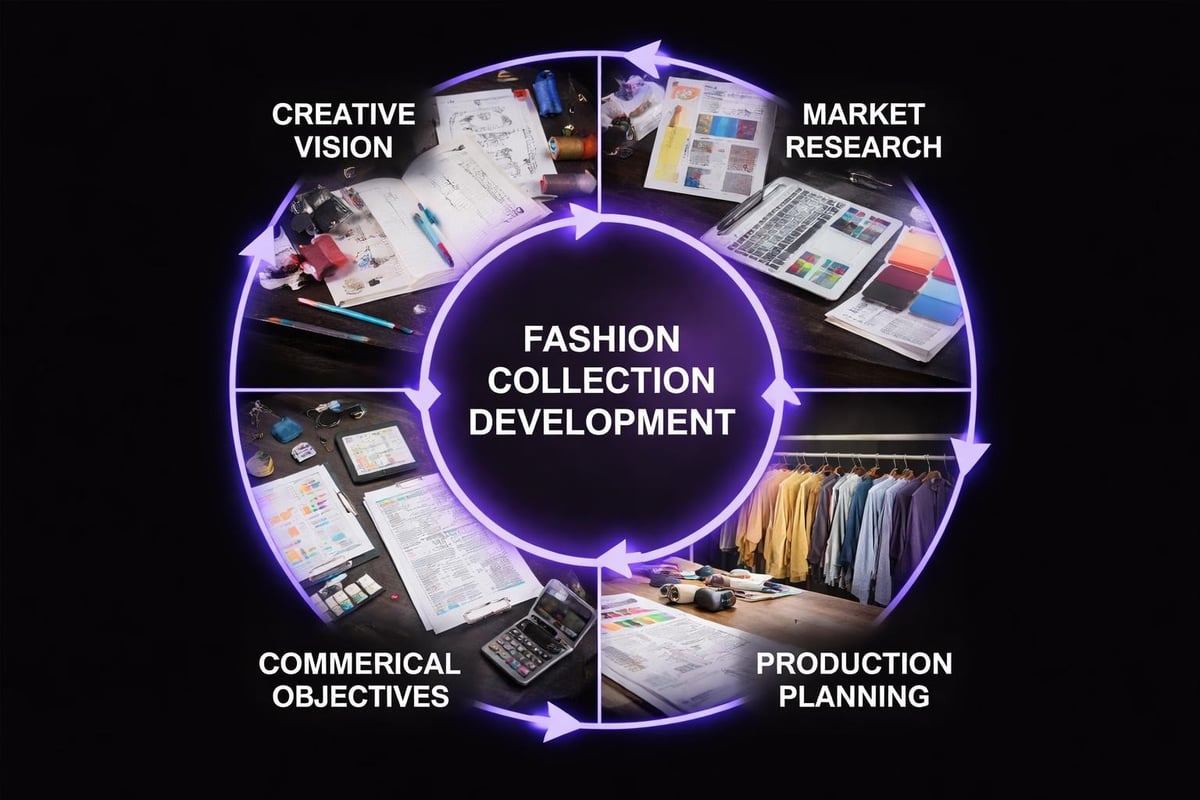
Fashion brands traditionally operate on biannual cycles, with Spring/Summer and Fall/Winter collections forming the industry backbone. However, many brands now incorporate Pre-Fall, Resort, and Cruise collections to maintain consumer engagement throughout the year. This expanded calendar requires sophisticated planning and resource allocation.
| Collection Type | Timeline | Primary Purpose | Target Market |
|---|---|---|---|
| Spring/Summer | January-June | Warm weather essentials | Global markets |
| Fall/Winter | July-December | Cold weather wardrobes | Northern hemisphere focus |
| Resort/Cruise | November-May | Transitional pieces | Vacation destinations |
| Pre-Fall | May-August | Early seasonal items | Early adopters |
| Capsule | Year-round | Focused themes | Niche audiences |
The fashion collection development process involves multiple phases spanning 12-18 months before products reach consumers. This extended timeline presents significant challenges for brands attempting to balance creative vision with market responsiveness.
The Creative Process Behind Fashion Collections
Developing collections in fashion requires balancing artistic expression with commercial viability. Designers and creative directors begin with extensive research, drawing inspiration from art movements, cultural shifts, historical references, and emerging social trends. This research phase establishes the conceptual foundation upon which entire collections are built.
Inspiration and Concept Development
Concept development transforms abstract inspiration into concrete design direction. Mood boards, fabric swatches, color palettes, and silhouette sketches gradually coalesce into a unified vision. This creative exploration phase allows designers to experiment freely while establishing parameters that guide subsequent development work.
Recent Paris Fashion Week presentations have demonstrated diverse approaches to collection concepts. Balmain's extravagant surrealist show contrasted sharply with Courrèges' minimalist approach, illustrating how different creative philosophies shape distinct collection identities even within the same fashion week calendar.
Essential concept development elements:
- Trend forecasting and market analysis
- Material research and fabric sourcing
- Color palette selection
- Silhouette exploration
- Theme refinement
- Technical specification documentation
From Sketch to Sample
Translating sketches into physical samples represents a critical transition point where creative vision meets production reality. Pattern makers, technical designers, and sample machinists collaborate to create prototype garments that balance design intent with manufacturing feasibility. This iterative process often reveals necessary modifications to achieve desired aesthetics while maintaining production efficiency.
Modern technology has transformed this phase significantly. Digital pattern making, 3D garment simulation, and virtual sampling reduce both time and material waste. Lumoo Studio's services enable brands to visualize collections through AI-generated model images before physical samples exist, accelerating decision-making and reducing development costs.
Trend Forecasting and Market Positioning
Collections in fashion must navigate the delicate balance between innovation and commercial appeal. Trend forecasting agencies analyze global cultural movements, consumer behavior patterns, and emerging aesthetic directions to provide guidance for collection development occurring 18-24 months in advance.
Analyzing Consumer Preferences
Understanding target consumer preferences requires comprehensive market research combining quantitative data analysis with qualitative insight gathering. Sales performance metrics from previous collections, social media engagement patterns, focus group feedback, and competitive landscape analysis all contribute to informed collection planning.
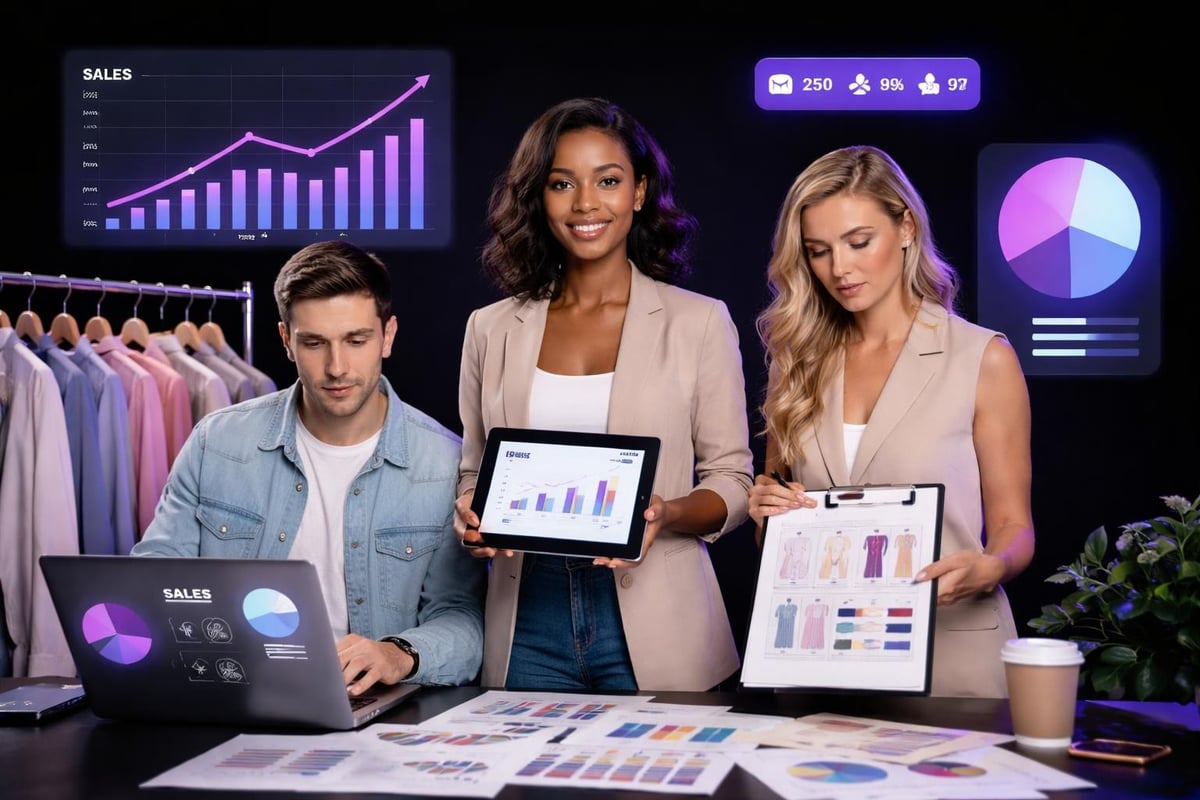
Data sources informing collection decisions:
- Historical sales performance by category
- Social media sentiment and engagement metrics
- Retail partner feedback and sell-through rates
- Consumer survey results and focus groups
- Competitive positioning analysis
- Emerging lifestyle trend indicators
Balancing Innovation with Accessibility
Successful collections in fashion push creative boundaries while maintaining sufficient familiarity to engage existing customers. This balance requires strategic merchandising that layers innovative pieces with accessible entry points. The Calvin Klein 1990s collections exemplify this approach, demonstrating how minimalist design can achieve both critical acclaim and commercial success through timeless appeal.
Contemporary brands increasingly face pressure to address sustainability concerns while maintaining design innovation. Collections must now consider environmental impact alongside aesthetic merit, requiring new approaches to material selection, production methods, and lifecycle planning.
Production Planning and Technical Execution
Transforming approved designs into manufactured products demands meticulous production planning. Collections in fashion require coordinated efforts across multiple disciplines, including sourcing, manufacturing, quality control, and logistics. The complexity multiplies exponentially as collection size increases or when brands produce across multiple geographic regions.
Material Sourcing and Supplier Relationships
Fabric and trim selection profoundly impacts both collection aesthetics and production feasibility. Establishing reliable supplier relationships ensures consistent quality and timely delivery. Lead times for specialized materials can extend several months, requiring forward planning aligned with overall collection development timelines.
| Material Category | Typical Lead Time | Quality Considerations | Sustainability Factors |
|---|---|---|---|
| Natural fibers | 8-12 weeks | Consistency, texture | Organic certification |
| Synthetic fabrics | 6-10 weeks | Performance, durability | Recycled content |
| Specialty textiles | 12-16 weeks | Exclusivity, uniqueness | Production impact |
| Trims and notions | 4-8 weeks | Compatibility, finish | Material composition |
Manufacturing Coordination
Production coordination requires managing multiple manufacturing partners across potentially global locations. Technical specification packages ensure consistent interpretation of design intent across different production facilities. Sample approvals, pre-production meetings, and in-line inspections maintain quality standards throughout manufacturing.
The shift toward smaller, more frequent collection releases challenges traditional production models. Fast fashion brands pioneered rapid production cycles, but even luxury houses now explore more agile manufacturing approaches to maintain market relevance and respond to emerging trends.
Marketing and Presentation Strategies
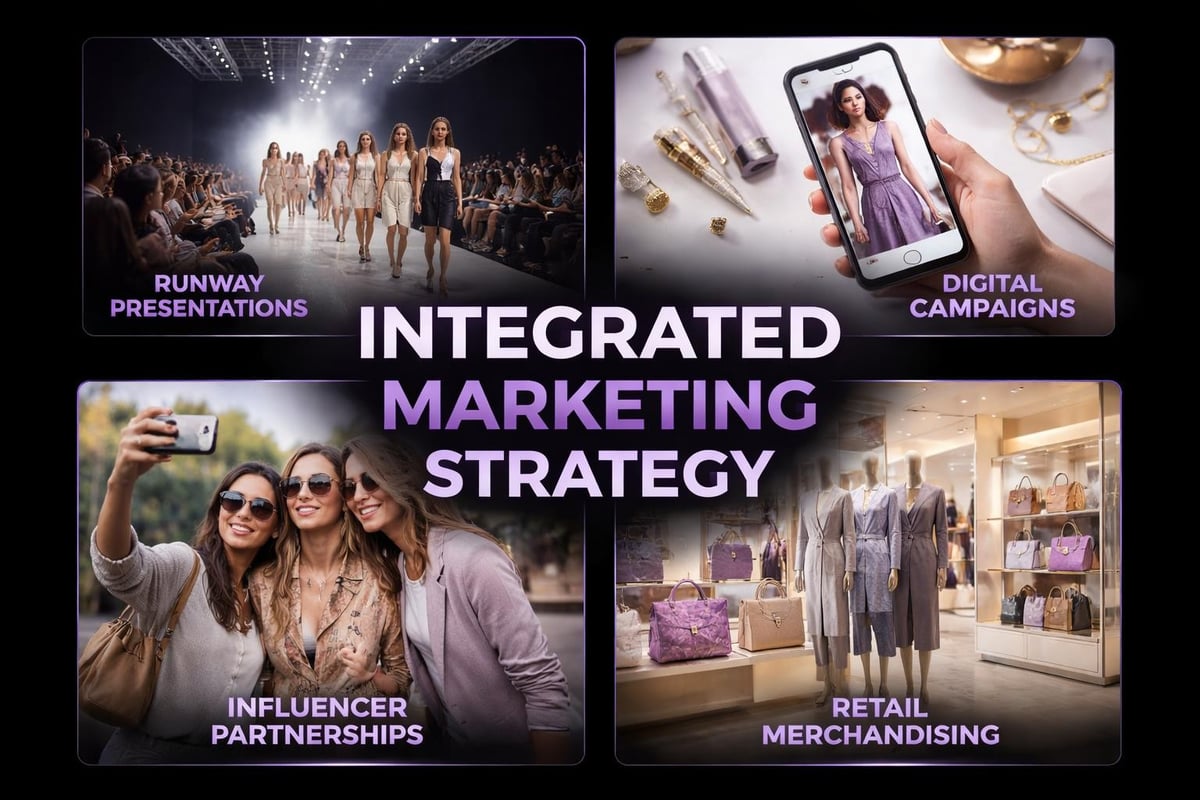
How brands present collections in fashion significantly influences market reception and commercial performance. The presentation strategy encompasses everything from runway shows and lookbooks to digital campaigns and retail merchandising. Each touchpoint contributes to the overall narrative brands construct around their collections.
Runway Shows and Digital Presentations
Fashion week presentations remain powerful marketing vehicles generating media coverage and establishing trend authority. However, the format continues evolving beyond traditional runway shows. Digital presentations, immersive experiences, and hybrid events expand reach while controlling costs and reducing environmental impact.
Dior's Spring 2025 collection demonstrated how established houses blend sporty aesthetics with urban elements to resonate with contemporary audiences. Meanwhile, Japanese designers at Paris Fashion Week showcased innovative wardrobe reinvention approaches, illustrating diverse presentation philosophies across different cultural perspectives.
Presentation format options:
- Traditional runway shows with live audiences
- Digital-only presentations and video lookbooks
- Hybrid events combining physical and virtual elements
- Intimate appointments for buyers and media
- Immersive installations and experiential activations
- Social media-first content strategies
Visual Storytelling and Lookbook Creation
Lookbooks translate collection concepts into compelling visual narratives that buyers, press, and consumers can readily understand. Professional photography, styling, and art direction create cohesive stories reinforcing brand identity while showcasing individual pieces effectively. The quality and consistency of these visual assets directly impact wholesale orders and direct-to-consumer sales.
Technology now enables fashion brands to produce diverse visual content more efficiently. AI-powered platforms can generate multiple model images from single product shots, creating extensive lookbook content without expensive photo shoots. This technological advancement democratizes high-quality visual storytelling, allowing emerging brands to compete with established players on presentation quality.
The Role of Technology in Modern Collection Development
Digital transformation has fundamentally altered how brands conceive, develop, and market collections in fashion. From initial design through final consumer delivery, technology touches every phase of the collection lifecycle. This technological integration accelerates timelines, reduces costs, and enables new creative possibilities previously impractical or impossible.
AI and Virtual Design Tools
Artificial intelligence applications in fashion range from trend prediction algorithms to automated pattern generation and virtual garment simulation. These tools augment human creativity rather than replacing it, enabling designers to explore more variations and make faster, more informed decisions throughout collection development.
Virtual sampling technology allows brands to visualize complete collections before manufacturing physical samples. This capability significantly reduces material waste while shortening development timelines. Brands can test multiple colorway options, adjust proportions, and refine details in digital environments before committing to physical production.
Digital Asset Creation and Management
Managing the extensive digital assets associated with collections in fashion requires robust systems and workflows. Product photography, technical specifications, marketing materials, and sales collateral accumulate rapidly across collection development. Organized digital asset management ensures teams access accurate, current information throughout the collection lifecycle.
Lumoo Studio addresses this challenge by transforming ordinary product shots into dynamic visual content including styled model images and engaging lookbooks. These AI-driven capabilities enable brands to maintain consistent visual quality across all marketing channels while significantly reducing production time and costs associated with traditional photography.
Merchandising and Retail Strategy
Even brilliantly designed collections in fashion require strategic merchandising to achieve commercial success. How brands organize, price, and distribute collections profoundly influences market reception and sales performance. Effective merchandising aligns product assortment with customer expectations while optimizing inventory investment and margin potential.
Collection Architecture and Product Mix
Strategic merchandising begins during collection planning by establishing optimal product mix across categories, price points, and style classifications. This architecture ensures collections address diverse customer needs while maintaining cohesive brand expression. Analysis of previous collection performance informs category allocation and style count decisions.
Critical merchandising considerations:
- Category breadth versus depth
- Price point distribution and margin targets
- Style count balancing variety with focus
- Color and print assortment
- Size range optimization
- Inventory allocation by channel
Pricing Strategy and Value Perception
Pricing collections in fashion requires balancing production costs, competitive positioning, perceived value, and target margin requirements. Premium pricing strategies reinforce luxury positioning but demand exceptional quality and brand equity. Value-oriented approaches prioritize accessibility but require volume efficiency to maintain profitability.
The Metropolitan Museum of Art's "Sleeping Beauties" exhibition highlighted fashion's ephemeral nature and the craftsmanship behind historical collections, reminding contemporary brands that perceived value extends beyond material costs to encompass cultural significance and artistic merit.
Sustainability and Ethical Considerations
Contemporary collections in fashion face increasing scrutiny regarding environmental impact and ethical production practices. Consumer awareness of fashion's ecological footprint drives demand for sustainable alternatives, while regulatory frameworks increasingly mandate transparency and accountability. Brands must integrate sustainability throughout collection development rather than treating it as superficial marketing positioning.
Circular Design Principles
Circular fashion approaches design collections with end-of-life considerations from inception. This methodology prioritizes material selection favoring renewable, recyclable, or biodegradable options. Design choices facilitate repair, reuse, and eventual material recovery, extending product lifecycles and reducing waste.
Circular design strategies include:
- Mono-material construction for easier recycling
- Modular designs enabling component replacement
- Timeless aesthetics resisting trend obsolescence
- Durable construction extending usable life
- Take-back programs facilitating material recovery
- Transparent supply chain documentation
Ethical Production Standards
Beyond environmental considerations, ethical collections in fashion address labor practices, fair compensation, and safe working conditions throughout supply chains. Third-party certifications, factory audits, and transparent supplier relationships demonstrate commitment to ethical standards. These practices increasingly influence purchase decisions among conscious consumers.
Heritage Collections and Archival Influence
Fashion houses with extensive histories often mine their archives for inspiration when developing new collections in fashion. This approach connects contemporary offerings with brand heritage, creating continuity that reinforces identity while demonstrating evolution. Archive-inspired collections appeal to consumers seeking authenticity and cultural connection beyond transient trends.
Reinterpreting Classic Designs
Successful heritage reinterpretation balances respect for original designs with contemporary relevance. Brands extract core design elements, signature techniques, or iconic silhouettes from archival pieces, then update proportions, materials, and details for modern consumers. This strategy enables brands to leverage established equity while remaining current.
Matthieu Blazy's debut collection for Chanel exemplifies how new creative leadership can honor brand heritage while introducing fresh perspectives. Such transformative moments in collections in fashion history demonstrate the dynamic tension between preservation and innovation that defines successful luxury brands.
Anniversary and Commemorative Collections
Milestone anniversaries provide natural opportunities for special collections celebrating brand history. These commemorative offerings often feature elevated craftsmanship, premium materials, and limited availability that justify premium pricing. The Vogue World 2024 celebration honoring 100 years of French fashion demonstrated how industry-wide commemorations can reinforce fashion's cultural significance.
Collaboration and Capsule Collections
Limited-edition collaborations between fashion brands and external partners generate excitement, expand audience reach, and inject fresh creative perspectives into collections in fashion. These partnerships range from designer collaborations with mass retailers to brand partnerships with artists, athletes, or cultural institutions. Strategic collaborations introduce brands to new customer segments while creating urgency through scarcity.
Strategic Partnership Selection
Successful collaborations align partner brands' values, aesthetics, and target audiences while offering complementary strengths. The partnership should provide mutual benefit, whether through audience expansion, capability access, or creative cross-pollination. Clear contractual agreements establish design control, production responsibility, and profit distribution before development begins.
| Collaboration Type | Primary Benefit | Typical Duration | Target Outcome |
|---|---|---|---|
| Designer x Mass Market | Accessibility expansion | Single season | Volume sales |
| Brand x Artist | Creative credibility | Limited release | Media attention |
| Fashion x Sports | Performance innovation | Ongoing partnership | Category entry |
| Luxury x Contemporary | Audience crossover | Seasonal capsule | Brand rejuvenation |
Capsule Collection Development
Capsule collections offer focused alternatives to full seasonal collections in fashion, typically containing 10-20 coordinated pieces unified by specific themes, occasions, or inspirations. These compact offerings appeal to consumers seeking curated selections while allowing brands to test new concepts with limited risk. Digital-native brands often favor capsule approaches over traditional seasonal calendars.
Future Directions for Fashion Collections
The evolution of collections in fashion continues accelerating as technology, sustainability imperatives, and changing consumer behaviors reshape industry norms. Brands increasingly adopt flexible development timelines, on-demand production capabilities, and personalized offering strategies that challenge traditional collection models. Understanding emerging directions helps brands position themselves advantageously for future market conditions.
Personalization and Customization
Advanced manufacturing technologies enable brands to offer personalized or customized products within collection frameworks. Digital tools allow consumers to select colors, materials, or design details, creating unique variations on core collection pieces. This approach satisfies desire for individuality while maintaining production efficiency through controlled variation.
Seasonless and Trans-Seasonal Approaches
Climate change, global markets, and shifting lifestyles challenge traditional seasonal collection divisions. Some brands now develop seasonless collections emphasizing layering capability and transitional pieces functional across temperature ranges. This approach reduces collection count while extending individual piece relevance throughout the year.
Trans-seasonal design principles:
- Versatile layering systems
- Temperature-adaptive materials
- Multi-functional design features
- Extended color palettes beyond seasonal conventions
- Focus on core wardrobe building versus trend chasing
The diverse summer visions presented at Paris Fashion Week by mid-sized houses demonstrate how different brands interpret seasonal requirements through unique creative lenses, suggesting multiple viable approaches to collection development coexist successfully.
Data-Driven Collection Planning
Advanced analytics increasingly inform collection development decisions. Sales data, social media engagement metrics, and consumer behavior tracking provide empirical foundations for previously intuition-driven choices. Machine learning algorithms identify patterns and predict performance, enabling more precise style selection, quantity planning, and distribution strategies.
However, data-driven approaches must balance analytical rigor with creative intuition. Over-reliance on historical performance data risks conservative collections lacking innovation necessary for market leadership. The most successful brands integrate data insights with creative vision, using analytics to inform rather than dictate collection direction.
Collections in fashion represent the convergence of creative vision, strategic planning, and technical execution that defines successful brands in an increasingly competitive marketplace. Understanding the comprehensive collection development process-from initial inspiration through final retail presentation-enables brands to create offerings that resonate with target audiences while achieving commercial objectives. Modern technology, particularly AI-driven visual content creation, transforms how brands develop and present collections, making sophisticated capabilities accessible to organizations of all sizes. Lumoo Studio empowers fashion brands to elevate their collection presentations through advanced AI technology that transforms standard product photography into compelling visual narratives, enabling you to showcase your collections with the professional quality that today's market demands.