Consumer Fashion Trends & Technology in 2026
Explore how consumer fashion is evolving in 2026 with AI technology, sustainability trends, and changing shopping behaviors shaping the industry.
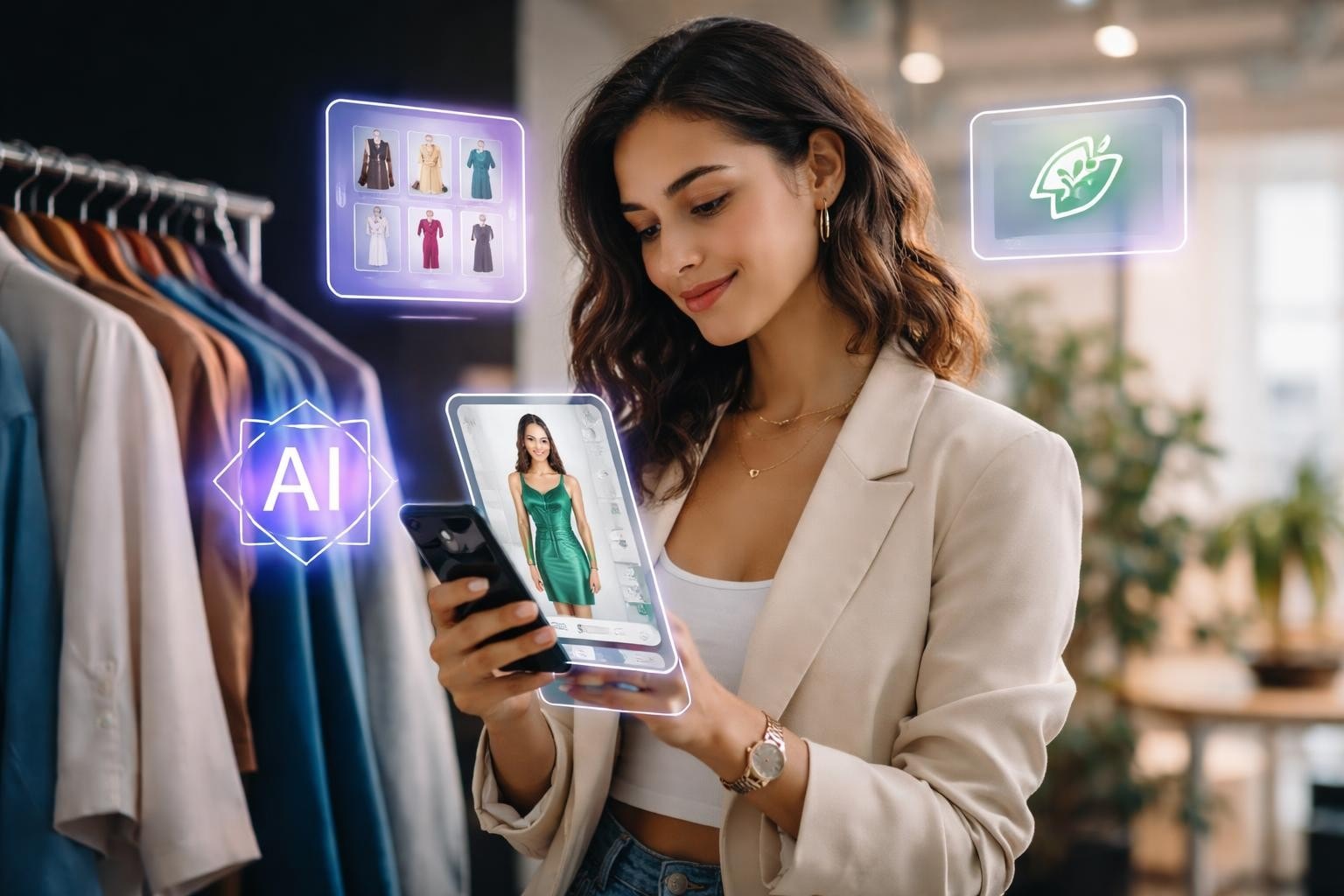
The landscape of consumer fashion has undergone a remarkable transformation over the past few years, driven by technological innovation, sustainability demands, and shifting purchasing behaviors. As we navigate through 2026, brands face unprecedented challenges and opportunities in meeting the evolving expectations of fashion-conscious consumers. Understanding these dynamics is essential for retailers, manufacturers, and technology providers who aim to remain competitive in an increasingly digital and values-driven marketplace.
The Current State of Consumer Fashion Markets
Consumer fashion spending patterns have experienced significant fluctuations recently, reflecting broader economic trends and changing priorities. According to comprehensive fashion retail statistics, the industry continues to adapt to post-pandemic realities while navigating inflation concerns and sustainability imperatives. The market has witnessed a notable shift toward deliberate purchasing decisions, with consumers prioritizing quality, versatility, and ethical production over impulse buying.
Key market indicators include:
- Increased spending on sustainable and eco-conscious fashion items
- Growing preference for digital-first shopping experiences
- Rising demand for personalized product recommendations
- Expansion of secondhand and resale markets
- Integration of virtual try-on technologies
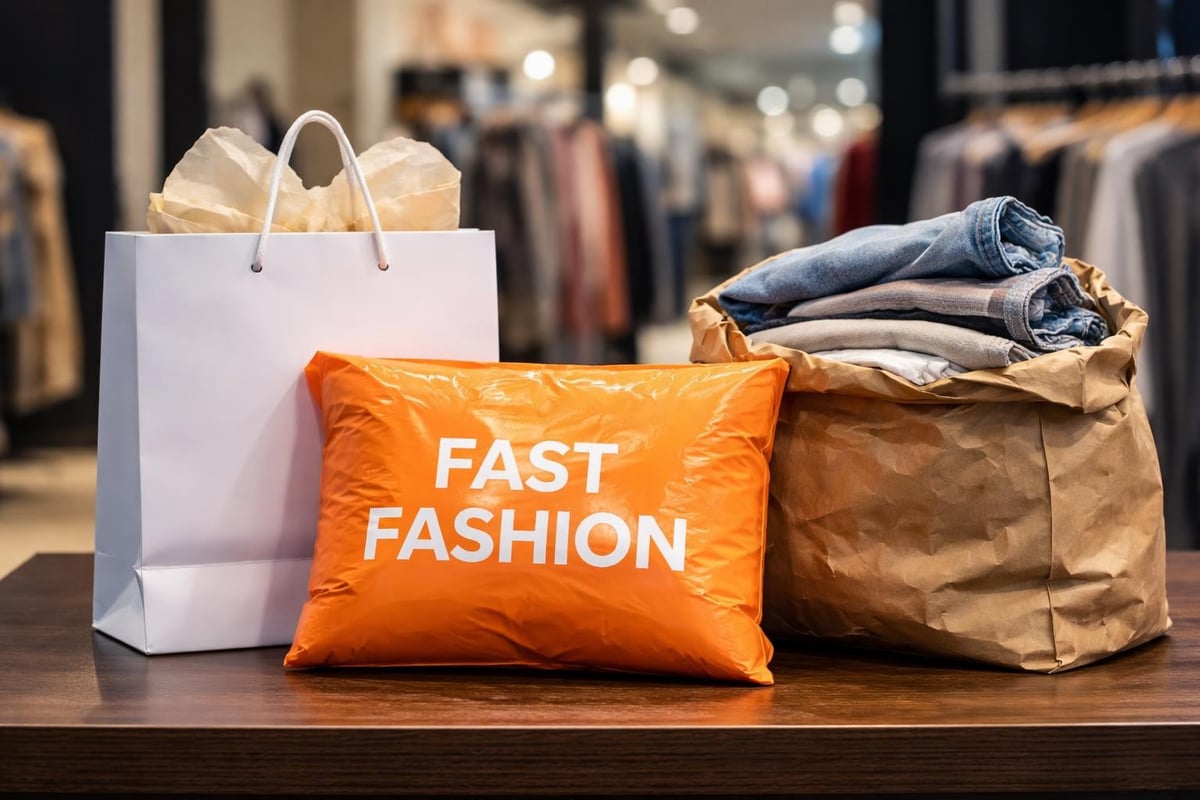
The disruption caused by ultra-fast fashion platforms has fundamentally altered competitive dynamics, forcing traditional retailers to reconsider their strategies. This shift has created opportunities for technology-driven solutions that help brands differentiate themselves through superior visual presentation and personalized customer experiences.
Technology-Driven Shopping Experiences
Modern consumer fashion relies heavily on technological integration to meet shopper expectations. Virtual try-on capabilities, AI-powered styling recommendations, and interactive lookbooks have become essential tools for brands seeking to engage digital-native consumers. These technologies bridge the gap between online convenience and in-store confidence, reducing return rates while increasing customer satisfaction.
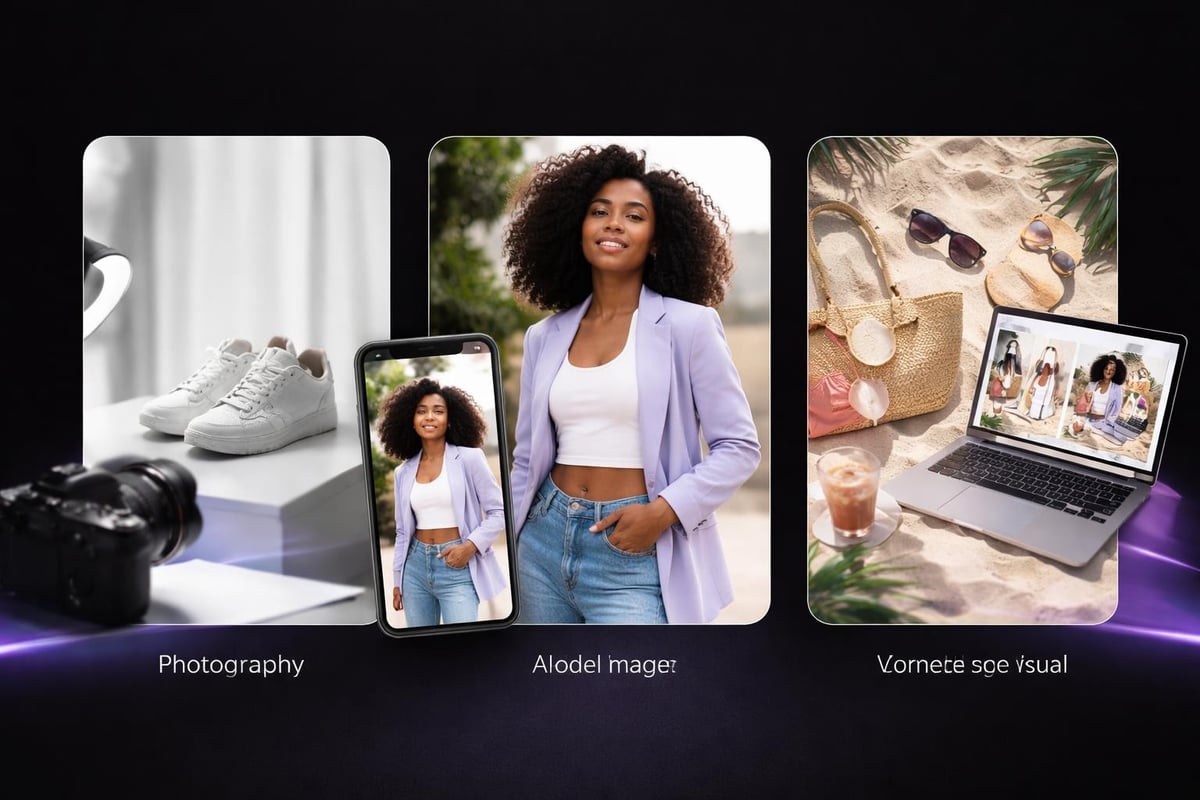
The implementation of AI-driven visual solutions from Lumoo Studio enables brands to showcase their products through dynamic model imagery and styled presentations that resonate with target audiences. This approach transforms static product photography into compelling narratives that drive engagement and conversion.
Sustainability and Ethical Consumption Trends
Environmental consciousness has evolved from a niche concern to a mainstream priority in consumer fashion. Today's shoppers actively seek information about production methods, material sourcing, and brand values before making purchase decisions. This shift has created both challenges and opportunities for fashion retailers.
| Sustainability Factor | Consumer Priority Level | Impact on Purchase Decision |
|---|---|---|
| Material transparency | High | 67% influence |
| Ethical labor practices | Very High | 74% influence |
| Recycling programs | Moderate | 45% influence |
| Carbon footprint disclosure | Growing | 52% influence |
The rise of sustainable fashion trends reflects deeper consumer shifts toward mindful consumption. The "curated closet" movement encourages shoppers to build smaller, higher-quality wardrobes that align with personal style and values rather than chasing every trend.
Practical sustainability strategies include:
- Developing transparent supply chain communications
- Offering repair and recycling programs
- Using AI to reduce overproduction and waste
- Creating versatile, season-spanning designs
- Partnering with verified sustainable material suppliers
Brands that authentically embrace sustainability find themselves better positioned to attract loyal customers who view fashion as an extension of their personal values. However, greenwashing remains a significant risk, as informed consumers quickly identify and reject superficial sustainability claims.
Digital Transformation in Fashion Retail
The digitalization of consumer fashion extends far beyond basic e-commerce functionality. Advanced platforms now offer comprehensive experiences that include personalized styling, size prediction algorithms, and immersive visual presentations. These capabilities address longstanding pain points in online fashion shopping, particularly around fit uncertainty and style confidence.
Leveraging AI-powered activation tools allows brands to create engaging content that showcases products in realistic contexts. This technology helps consumers visualize how garments look on different body types and in various styling combinations, significantly improving the online shopping experience.
Visual Storytelling and Brand Differentiation
In an oversaturated market, visual excellence has become a critical differentiator. Consumer fashion brands must compete not only on product quality and price but also on the compelling presentation of their collections. High-quality imagery, diverse model representation, and styled lookbooks communicate brand identity while helping shoppers envision themselves in the clothing.
The transformation from basic packshots to dynamic model imagery serves multiple strategic purposes:
- Enhanced engagement: Styled images generate higher click-through rates
- Reduced returns: Better visualization leads to more confident purchases
- Brand storytelling: Cohesive visual narratives communicate brand values
- Social media performance: Compelling content drives organic sharing
- Competitive positioning: Professional presentation elevates brand perception
Emerging Consumer Fashion Trends for 2026
The latest trends elevating everyday outfits demonstrate that consumer fashion in 2026 balances practicality with aesthetic appeal. Shoppers increasingly favor versatile pieces that work across multiple occasions, reflecting both economic pragmatism and a desire for streamlined wardrobes.
Dominant trend categories include:
- Gender-neutral and inclusive designs
- Tech-integrated wearables
- Vintage-inspired contemporary pieces
- Weather-adaptive and functional fashion
- Bold accessories paired with neutral foundations
These trends reflect broader cultural shifts toward individuality, functionality, and self-expression. Consumer fashion has moved away from rigid seasonal collections toward more fluid, year-round offerings that adapt to climate variability and lifestyle flexibility.
Personalization and Individual Style
Mass personalization represents one of the most significant developments in consumer fashion. Advanced algorithms analyze individual preferences, body measurements, and style history to deliver customized recommendations. This approach respects the growing desire among shoppers to express unique identities rather than simply following mainstream trends.
| Personalization Feature | Consumer Adoption Rate | Satisfaction Impact |
|---|---|---|
| Size recommendations | 78% | +42% confidence |
| Style matching | 64% | +35% engagement |
| Color preferences | 71% | +28% conversion |
| Occasion-based suggestions | 56% | +31% repeat purchase |
The integration of personalized services enables brands to deliver tailored experiences at scale, combining the efficiency of automation with the relevance of individual attention. This technology-driven personalization helps smaller brands compete effectively against larger competitors by offering superior customer experiences.
The Secondhand and Resale Revolution
Consumer fashion increasingly embraces circular economy principles, with secondhand shopping transitioning from budget necessity to conscious choice. The normalization of pre-owned fashion reflects changing attitudes toward ownership, value, and environmental responsibility. This shift has created entirely new business models and revenue streams within the fashion ecosystem.
Factors driving secondhand growth:
- Economic value consciousness
- Environmental sustainability concerns
- Access to premium brands at lower prices
- Treasure-hunting and unique finds
- Social acceptance and influencer endorsement
The success of resale platforms demonstrates that consumer fashion value extends beyond initial purchase price to include longevity, resale potential, and versatility. Forward-thinking brands now design with circular lifecycle in mind, creating products that maintain appeal and quality through multiple ownership cycles.
Fast Fashion Versus Conscious Consumption
The tension between ultra-fast fashion and conscious consumption defines much of the current consumer fashion landscape. While rapid-production models continue to attract price-sensitive shoppers, growing awareness of environmental and social costs prompts reconsideration of these choices. This dynamic creates opportunities for brands that position themselves as premium-yet-accessible alternatives.
Technology plays a crucial role in bridging this divide. By reducing production waste through accurate demand forecasting and offering virtual try-on to minimize returns, brands can operate more sustainably while maintaining competitive pricing. AI-powered workflow solutions help optimize these processes, enabling efficiency without compromising quality or ethics.
Multichannel Shopping Behaviors
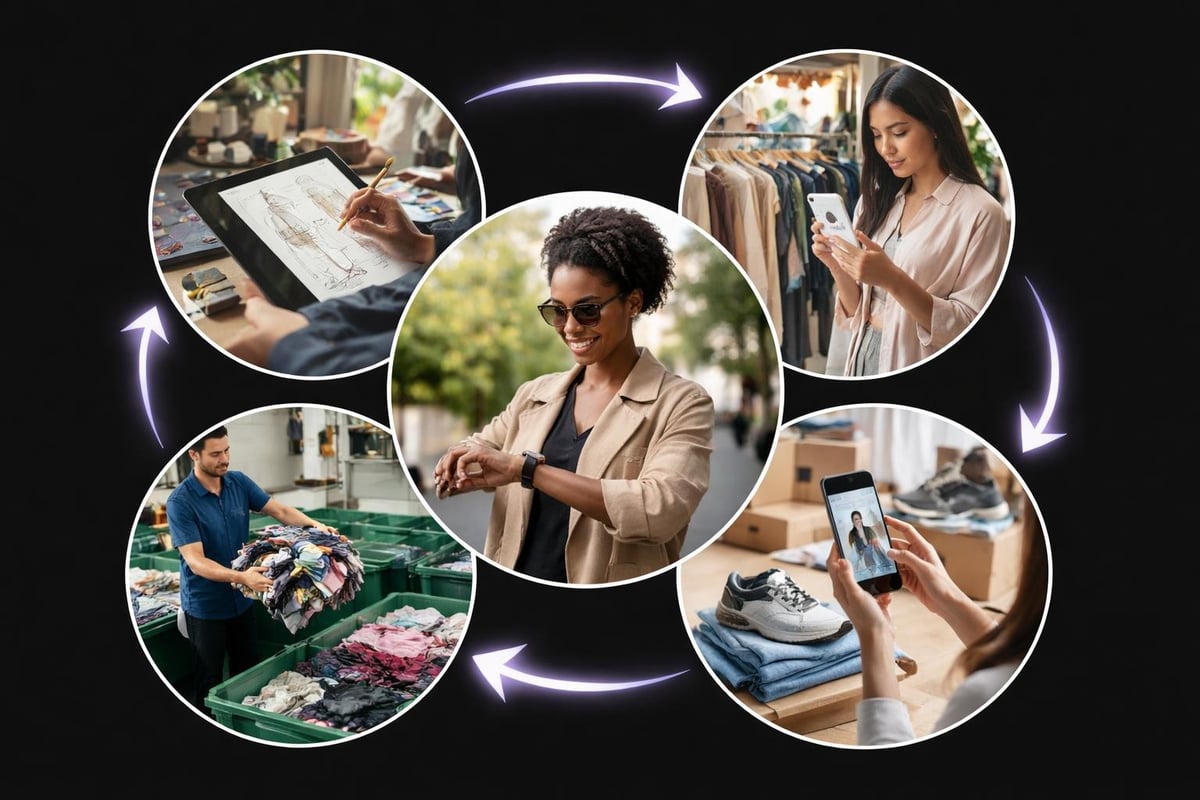
Modern consumer fashion shoppers seamlessly navigate between digital and physical channels, expecting consistent experiences across all touchpoints. Research on social media, comparison shopping on mobile devices, in-store trying, and online purchasing represent typical customer journeys. Brands must optimize for this complex, non-linear path to purchase.
The rise of social commerce has particularly impacted consumer fashion, with platforms like Instagram and TikTok serving as both discovery and transaction venues. Influencer partnerships, user-generated content, and shoppable posts blur the lines between entertainment and commerce, creating new opportunities for brand visibility.
Essential multichannel capabilities:
- Consistent inventory visibility across channels
- Unified customer data and purchase history
- Flexible fulfillment options (ship-to-home, BOPIS, curbside)
- Seamless return processes regardless of purchase channel
- Integrated loyalty programs spanning all touchpoints
Brands that excel in multichannel retail understand that each touchpoint serves specific purposes in the customer journey. Physical stores become experience centers and brand ambassadors, while digital channels provide convenience, selection, and personalized service.
Data-Driven Decision Making in Fashion
Consumer fashion brands increasingly rely on data analytics to inform everything from design decisions to inventory management. Understanding which styles resonate with specific demographics, identifying emerging trends before competitors, and optimizing pricing strategies all depend on sophisticated data analysis capabilities. The brands that harness these insights most effectively gain significant competitive advantages.
Predictive analytics help forecast demand more accurately, reducing both stockouts and excess inventory. This capability proves particularly valuable in consumer fashion, where trends shift rapidly and product lifecycles remain short. By analyzing historical patterns alongside real-time signals, brands can make more informed production and procurement decisions.
The Role of Visual AI in Modern Fashion
Visual artificial intelligence has emerged as a transformative force in consumer fashion, enabling capabilities that were previously impossible or prohibitively expensive. From automated image enhancement to virtual model generation, these technologies democratize access to professional-quality visual content. Smaller brands can now compete with industry giants on visual presentation, leveling the competitive playing field.
The partnership opportunities with technology providers enable fashion brands to access cutting-edge capabilities without massive technology investments. This approach allows companies to focus on their core competencies-design, merchandising, and customer relationships-while leveraging specialized expertise for technical needs.
Future Directions in Consumer Fashion
Looking ahead, consumer fashion will continue evolving in response to technological advancement, environmental imperatives, and changing social values. The integration of augmented reality, blockchain for authenticity verification, and advanced personalization algorithms will further transform shopping experiences. Brands that embrace these innovations while maintaining authentic connections with customers will thrive in this dynamic environment.
The convergence of sustainability, technology, and individuality defines the future of consumer fashion. Shoppers want products that reflect their values, fit their unique needs, and offer compelling value-whether measured in price, quality, longevity, or experience. Meeting these multifaceted expectations requires sophisticated capabilities across design, production, marketing, and customer service.
Consumer fashion in 2026 demands that brands balance technological innovation with authentic human connection, sustainability with accessibility, and trend awareness with timeless appeal. Success requires not only understanding these dynamics but also implementing the tools and strategies to execute effectively. Lumoo Studio empowers fashion brands to meet these challenges through AI-driven visual solutions that transform product presentation, enhance customer engagement, and drive conversion while maintaining efficiency and sustainability. By partnering with technology innovators who understand the unique demands of modern fashion retail, brands can focus on what they do best while delivering the exceptional experiences today's consumers expect.