Design Studio Fashion Guide: Creative Insights for 2026
Discover how design studio fashion is evolving in 2026 with creative insights, tech trends, and strategies to future proof your studio for success. Read the guide.
The world of design studio fashion is transforming rapidly, bringing bold innovation and creativity to the forefront of the industry. As we approach 2026, professionals and studios face new opportunities and challenges shaped by technology, digital workflows, and evolving consumer demands.
This guide delivers actionable insights to help you navigate these changes. Discover the evolution of design studios, explore key trends for 2026, and learn future-focused strategies that will empower your team to stay ahead.
Get ready to unlock fresh perspectives and practical tools for thriving in the ever-changing landscape of fashion.
The Evolution of Fashion Design Studios
The landscape of design studio fashion is undergoing a dramatic transformation. Studios are reimagining how they operate, collaborate, and create. This evolution is driven by new technologies, changing consumer expectations, and a demand for agility. Let’s explore how these shifts are shaping the future of design studio fashion.

Shifting Studio Models and Structures
The traditional atelier is giving way to a new breed of design studio fashion spaces. These studios are transforming into cross-functional creative hubs. Teams now blend design, technology, and marketing expertise under one roof.
Remote and hybrid collaboration has become standard. Global design teams work together across time zones, using digital platforms to stay connected. Multidisciplinary talent is highly valued, as studios seek individuals who can contribute beyond a single specialty.
Leading brands are adopting agile studio setups. This approach enables rapid prototyping and quicker pivots in response to trends. The result is improved speed-to-market and greater creative flexibility, essentials for staying ahead in design studio fashion.
Impact of Digital Transformation
Digital transformation is reshaping every aspect of design studio fashion. Studios now rely on cloud-based platforms for seamless collaboration and asset management. The integration of 3D modeling and digital prototyping tools has revolutionized how collections are conceptualized and refined.
AI and data analytics are central to decision-making. Studios that embrace digital-first strategies are outperforming legacy competitors. For a deeper look at how AI and virtual prototyping are redefining the industry, see AI-Driven Design and Virtual Prototyping.
By harnessing these technologies, design studio fashion teams can predict trends, optimize workflows, and create more compelling products. This digital edge is no longer optional, but a core driver of studio success.
Collaboration and Creative Synergy
Effective collaboration is at the heart of modern design studio fashion. Studios organize cross-team brainstorming sessions and design sprints to spark innovation. Digital whiteboards and collaborative software tools facilitate real-time idea sharing.
Open communication between design, merchandising, and marketing teams fuels creative synergy. Studios also tap into global talent pools, bringing fresh perspectives and diverse expertise into the ideation process.
This collaborative environment empowers design studio fashion teams to generate bold ideas, iterate quickly, and deliver collections that resonate worldwide.
The Designer’s Role in 2026
The role of the designer in design studio fashion is expanding rapidly. Designers now go beyond sketching, engaging in data analysis, storytelling, and technology integration.
Designers act as brand strategists and experience creators, shaping not just garments but entire narratives. Key skills for 2026 include:
- Digital literacy
- Sustainability expertise
- Cross-cultural awareness
According to a recent industry survey, 68% of studios now require digital design proficiency. As the demands on design studio fashion professionals continue to evolve, continuous learning and adaptability are essential.
Top Creative Trends Shaping Fashion Studios in 2026
The landscape of design studio fashion is undergoing a remarkable transformation as studios adapt to new creative trends and technologies in 2026. Studios are embracing digital innovation, sustainability, inclusivity, and immersive storytelling to stay ahead. Let’s explore the top trends shaping the future of design studio fashion and how these shifts will influence creative strategy, production, and consumer engagement.

Digital-First Aesthetics and AI-Driven Design
Design studio fashion is rapidly evolving as studios integrate artificial intelligence into their creative workflows. AI now assists with pattern making, color forecasting, and trend prediction, allowing designers to experiment with generative tools for faster prototyping. The rise of digital-first aesthetics means collections are often launched online before physical samples are even produced. Major fashion weeks are witnessing the emergence of AI-generated collections, setting new standards for creativity and speed.
For an in-depth look at the latest tools, see AI Fashion Design Tools in 2026, which explores powerful platforms like Figma AI Extensions and Adobe Firefly now central to design studio fashion.
Hyper-Personalization and Customization
The demand for individuality is reshaping design studio fashion in 2026. Consumers want garments that reflect their unique personalities, prompting studios to leverage data analytics for personalized, made-to-order pieces. Studios use advanced algorithms to tailor designs at scale, delivering exclusive experiences for every customer. According to recent market research, 74 percent of shoppers now seek customization options when purchasing apparel.
This shift compels design studio fashion teams to rethink their approach, ensuring that every collection can be adapted to meet diverse style preferences and fit requirements.
Sustainable and Circular Design Practices
Sustainability is a core driver of innovation in design studio fashion. Studios are adopting closed-loop materials and zero waste processes, significantly reducing environmental impact. Upcycling and garment longevity have become top priorities, with major brands introducing circular collections that keep products in use longer.
Studios also collaborate with suppliers to source eco-friendly fabrics and achieve industry certifications. The focus on sustainable and circular models not only benefits the planet but also aligns with the values of modern consumers, who increasingly expect ethical practices from design studio fashion leaders.
Inclusive Design and Body Positivity
Design studio fashion now champions inclusivity by designing for all body types, ages, and abilities. Studios employ diverse fit models and digital avatars to ensure garments cater to a wide spectrum of consumers. Industry data reveals that 52 percent of new collections now feature extended sizing, reflecting the shift toward greater body positivity.
This commitment goes beyond sizing, as design studio fashion teams prioritize accessibility and representation, making fashion more welcoming and relevant for everyone in 2026.
Immersive Storytelling and Brand Narratives
Storytelling is the heartbeat of design studio fashion in 2026. Studios weave cohesive visual narratives across digital and physical platforms, using AR and VR for interactive lookbooks and presentations. Virtual fashion shows and digital showrooms are now common, offering immersive experiences that captivate audiences worldwide.
By integrating these technologies, design studio fashion professionals can engage consumers on a deeper level, building emotional connections that drive brand loyalty and set their labels apart.
Tech-Integrated Wearables and Smart Fabrics
The intersection of fashion and technology is more prominent than ever in design studio fashion. Studios collaborate with tech companies to develop smart textiles and wearable devices that combine style with functionality. Embedded sensors, responsive fabrics, and health-monitoring features are transforming everyday apparel.
The wearable tech market is projected to grow by 20 percent by 2026, highlighting the importance of innovation in design studio fashion. As these products become mainstream, studios that embrace tech integration will lead the next wave of creative disruption.
The 2026 Fashion Studio Workflow: From Concept to Collection
The journey from initial concept to final collection is undergoing a transformation in the design studio fashion landscape. Studios are reimagining every workflow stage, infusing creativity, technology, and sustainability at every step. This section explores how future-focused studios operate, highlighting actionable strategies for professionals aiming to thrive in 2026.

Ideation and Inspiration Gathering
In 2026, design studio fashion begins with a dynamic ideation phase. Teams tap into AI-powered trend tracking tools and social listening platforms to identify emerging patterns. Digital mood boards, accessible from anywhere, foster collaboration between global designers and creative leads.
Studios host virtual inspiration sessions, encouraging ideas from diverse voices. This cross-pollination of creativity results in more innovative concepts. By integrating technology and open communication, design studio fashion workflows become more agile, adapting quickly to cultural shifts and consumer preferences. The ideation stage now sets a strong foundation for every successful collection, ensuring relevance and originality from the start.
Digital Sketching and Prototyping
Next, studios embrace digital sketching and advanced prototyping as standard practice. Designers use 3D sketching software to rapidly iterate on silhouettes, colors, and textures. Digital twins allow for realistic sample visualization, reducing the need for physical prototypes and accelerating feedback cycles.
This digital transformation in design studio fashion not only streamlines workflows but also minimizes waste. Teams can experiment boldly, knowing that changes are easily reversible. The result is greater creative freedom and a faster path to market-ready designs, positioning design studio fashion at the forefront of innovation in 2026.
Material Sourcing and Sustainability Integration
Material sourcing is now a strategic pillar in design studio fashion. Digital platforms connect studios with ethical suppliers, ensuring transparency and traceability. Blockchain technology verifies material origins and compliance with eco-certifications, while AI recommends sustainable alternatives based on design needs.
Studios seek out biodegradable, recycled, and upcycled textiles to meet both creative and environmental goals. For more insights, explore Sustainable and Circular Fashion Trends. By prioritizing sustainable sourcing, design studio fashion studios align with evolving consumer values and regulatory standards, setting new benchmarks for responsible production.
Sample Development and Virtual Fittings
Sample development is revolutionized through virtual try-on technology and 3D-printed prototypes. In design studio fashion, digital avatars are used to test fit and movement, providing instant feedback and reducing the rounds of physical sampling.
This approach streamlines the pre-production process, making it faster and more cost-effective. Teams can spot issues early and adjust designs without material waste. The integration of virtual fittings supports inclusivity by enabling fit validation for diverse body types, helping design studio fashion collections resonate with a wider audience.
Collection Review and Iteration
Review and iteration are now continuous in design studio fashion. Cloud-based collaboration tools allow real-time feedback from stakeholders, including designers, merchandisers, and marketing teams. Data analytics guide adjustments, ensuring each piece aligns with market demand.
Shortened review cycles mean collections can launch faster and respond to trends in near real-time. This iterative approach empowers design studio fashion teams to fine-tune details based on live insights, maintaining creative excellence while maximizing commercial impact.
Launch Strategies and Omnichannel Presentation
The final stage in the design studio fashion workflow is launch and presentation. Digital fashion shows, virtual showrooms, and shoppable AR/VR experiences redefine how collections reach consumers. Studios create immersive content that blends storytelling with direct purchasing opportunities.
Omnichannel strategies ensure collections are accessible across platforms, from social media to e-commerce. By adopting these innovative launch methods, design studio fashion brands captivate modern audiences, drive engagement, and set new standards for interactive retail in 2026.
Integrating Technology and AI in Modern Fashion Studios
Innovation in technology is transforming every aspect of design studio fashion. Today’s studios harness AI, automation, and digital platforms to create smarter workflows, faster launches, and more engaging collections. Let’s explore how these advancements are reshaping the industry.
AI-Powered Design and Trend Forecasting
AI is now an essential tool in design studio fashion, analyzing consumer data and predicting trends with unmatched speed. Creative teams use AI-driven platforms to generate mood boards, forecast color palettes, and suggest new silhouettes. These solutions accelerate concept development, allowing studios to respond to market changes in real time.
For example, leading brands employ generative design algorithms that process massive datasets from social media, runway shows, and retail sales. This approach keeps design studio fashion always a step ahead, ensuring collections stay relevant and compelling.
Automation in Pattern Making and Production
Automation streamlines the pattern-making process in design studio fashion. CAD/CAM systems create digital patterns, while robotics handle sample cutting and assembly with precision. This shift reduces manual labor, speeds up production, and minimizes errors.
According to recent studies, automation can cut sample development time by 40%. Studios also benefit from advancements like Textile IR: Physics-Aware Fashion CAD, which connects CAD, simulation, and lifecycle assessment for smarter, more sustainable workflows. These innovations free up creative energy for designers and ensure a smoother path from concept to garment.
Virtual Prototyping and Fittings
Virtual prototyping has become a cornerstone of design studio fashion. Using 3D avatars and digital mannequins, designers test garment fit and style before producing physical samples. This not only saves time but also reduces material waste and costs.
Leading studios report cutting prototype expenses in half by adopting these technologies. Digital twins enable teams to visualize how fabrics drape and move, making the entire design process more efficient and environmentally friendly. Virtual fittings also let designers gather feedback from stakeholders across the globe.
Enhancing Collaboration with Digital Platforms
Collaboration is at the heart of design studio fashion, and digital platforms are making teamwork seamless. Real-time feedback tools support instant communication between designers, merchandisers, and marketers, no matter their location.
Cloud-based asset management systems allow studios to organize and share files, sketches, and samples securely. Studios using these collaborative platforms experience faster project turnaround and greater creative synergy. This tech-driven approach empowers global teams to innovate together and deliver cohesive collections.
Data Analytics for Consumer Insights
Studios now leverage big data to inform every stage of the design studio fashion workflow. Predictive analytics tools analyze buying patterns, social trends, and inventory levels, guiding design direction and merchandising strategies.
A recent report shows that data-driven studios achieve 30% higher sell-through rates than their peers. The integration of real-time dashboards and analytics platforms enables faster, smarter decision-making. This data-centric mindset is vital for studios aiming to stay competitive and meet evolving consumer demands.
AI Visual Solutions for Fashion Studios: Lumoo Studio
Lumoo Studio offers AI-powered visual solutions tailored to the needs of design studio fashion. Their suite includes Lumoo ID, VTO, Flow, Sizes, Alive, and StoryLook, which provide accelerated design-to-market timelines and brand consistency.
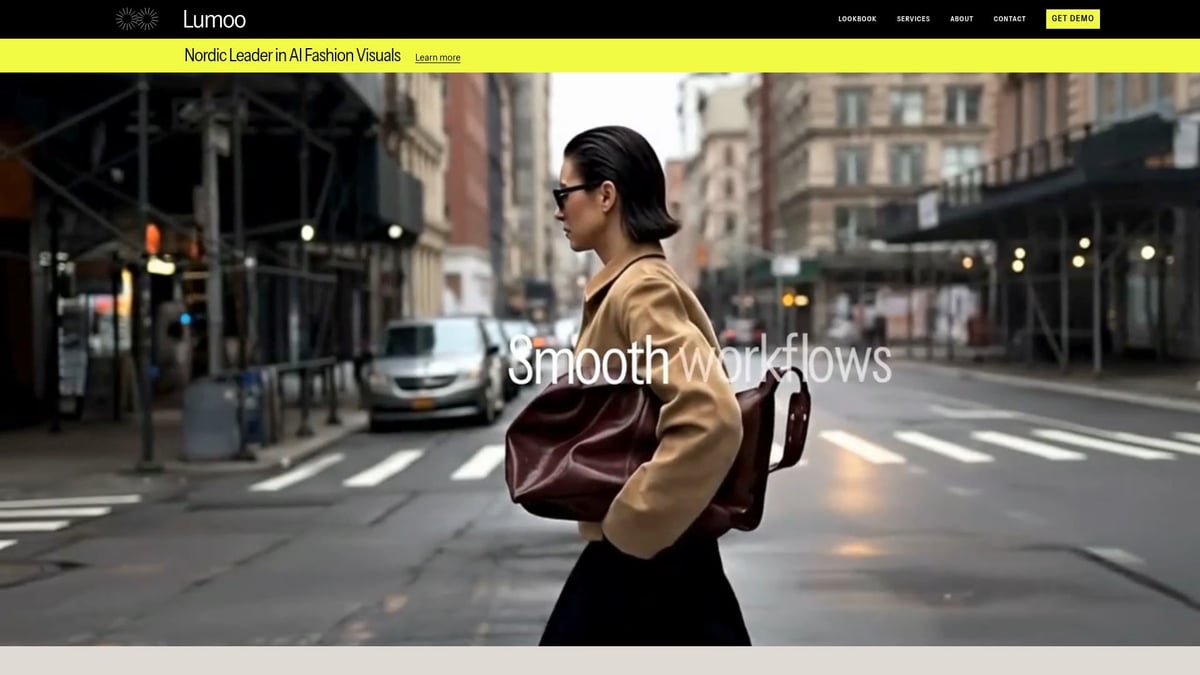
These tools enable true-to-life fit visualization, dynamic lookbook creation, and seamless integration with existing workflows. Creative teams using Lumoo benefit from producing high-impact visuals that resonate with today’s digital-first consumers. For studios scaling content creation and storytelling, Lumoo delivers the agility and innovation required for success in 2026.
Sustainability, Ethics, and Social Impact in Fashion Studio Practices
Sustainability, ethics, and social impact are now central pillars in design studio fashion. Studios are reevaluating every stage of their process to align with rising expectations from consumers and industry standards. Let us explore how these values are shaping tomorrow’s studios and driving measurable results.
Eco-Conscious Design and Material Innovation
Today’s design studio fashion prioritizes eco-conscious practices, integrating biodegradable, recycled, and upcycled materials into collections. Studios are forming partnerships with sustainable textile manufacturers to ensure the lowest possible environmental impact. For example, some leading brands have achieved zero-waste studio certifications by adopting closed-loop production systems.
| Material Type | Benefits | Example Use Cases |
|---|---|---|
| Biodegradable | Reduces landfill | T-shirts, linings |
| Recycled fibers | Conserves resources | Denim, outerwear |
| Upcycled fabrics | Limits new waste | Accessories, patchwork |
By embracing these materials, design studio fashion not only meets consumer demand but also paves the way for a greener industry.
Transparent and Ethical Production
Transparency is at the core of responsible design studio fashion. Studios are leveraging blockchain technology to create fully traceable supply chains, making it easier to verify the origins of each garment. Ethical labor sourcing and fair trade compliance are becoming non-negotiable standards.
A recent statistic shows that 60% of consumers prefer brands with transparent practices, highlighting the importance of trust in today’s market. Studios that adopt clear, ethical production processes are building stronger relationships with their customers and setting new industry benchmarks.
Social Responsibility and Community Engagement
Modern design studio fashion is increasingly defined by its social impact. Studios are collaborating with local artisans and supporting community initiatives, such as charitable capsule collections and educational programs.
Key examples of social engagement include:
- Partnering with artisans to preserve traditional crafts
- Launching collections that support nonprofit causes
- Providing scholarships or mentorship for emerging designers
By actively engaging with communities, design studio fashion can create positive change and foster deeper connections with consumers.
Diversity, Equity, and Inclusion Initiatives
Diversity, equity, and inclusion are now integral to design studio fashion. Studios are implementing inclusive hiring practices and promoting leadership opportunities for underrepresented groups. Designing for a broader range of consumers is also a growing priority.
Industry data reveals a 40% increase in DEI-focused studio policies since 2024, reflecting a genuine commitment to representation. These efforts ensure that collections resonate with diverse audiences and reflect the evolving values of society.
Regulatory Compliance and Certifications
Adhering to global sustainability standards is crucial for design studio fashion. Studios are navigating certifications such as GOTS and Fair Trade to validate their ethical practices. Many pursue third-party audits to ensure compliance and transparency.
Earning certifications like B Corp signals to consumers and partners that a studio is dedicated to rigorous environmental and social standards. As regulations evolve, proactive compliance will help design studio fashion stay ahead of the curve and maintain industry leadership.
Future-Proofing Your Fashion Studio: Strategies for 2026 and Beyond
Adapting to constant change is essential for any design studio fashion business looking to succeed beyond 2026. The landscape is shifting rapidly, and studios must be proactive, agile, and innovative to stay ahead. Explore proven strategies to ensure your studio remains competitive, resilient, and future-ready.
Building Agility and Adaptability
Agility drives success in design studio fashion by enabling quick pivots when trends or market conditions shift. Studios are embracing flexible workflows that allow for rapid prototyping and scenario planning to anticipate disruptions.
For instance, during global events, leading studios rapidly adapted their processes to maintain production and meet changing consumer demands. Agile teams can launch new collections faster, test ideas in real time, and respond to feedback without lengthy delays.
- Flexible team structures
- Adaptive project management tools
- Real-time communication platforms
Investing in agility ensures your design studio fashion team can navigate uncertainty with confidence.
Continuous Learning and Upskilling
The pace of innovation in design studio fashion means ongoing education is critical. Studios that prioritize continuous learning help their teams master new technologies, sustainability practices, and creative techniques.
Many studios now invest in digital and sustainability education, offering cross-training programs that blend creative and technical skills. According to industry data, 78% of studios provide regular training to keep their teams at the forefront of industry trends.
This commitment to upskilling builds a culture of curiosity and resilience, preparing your design studio fashion business for future challenges.
Strategic Partnerships and Collaborations
Collaboration is a cornerstone of future-ready design studio fashion operations. Studios are increasingly co-creating with technology firms, artists, and influencers to drive innovation and reach new audiences.
Cross-industry partnerships yield fashion-tech capsule collections and unique product launches that set studios apart. By working with external experts, your team can access fresh perspectives, advanced tools, and new markets.
- Joint ventures with tech companies
- Artist-in-residence programs
- Influencer-designed collections
A collaborative mindset ensures your design studio fashion brand remains relevant and visionary.
Leveraging Data for Strategic Decision Making
Data-driven strategies are transforming design studio fashion, offering deeper insights into consumer preferences and market dynamics. Studios use analytics to refine design choices, set optimal pricing, and craft effective marketing campaigns.
Real-time dashboards provide business intelligence, helping teams monitor performance and quickly act on emerging trends. Studies show that data-driven studios outperform peers by 25% in revenue growth.
Adopting data analytics empowers your design studio fashion team to make smarter, faster decisions that fuel long-term success.
Embracing New Consumer Behaviors
Consumers are redefining what they expect from design studio fashion brands. They demand immediacy, transparency, and personalized experiences. Studios that engage directly with Gen Z and Alpha audiences through digital channels see stronger loyalty and brand advocacy.
Innovative studios now launch direct-to-avatar fashion lines and leverage social media to build deeper connections. Monitoring consumer sentiment and adapting quickly to feedback is vital for staying relevant.
By understanding and embracing these shifts, your design studio fashion business can create lasting relationships with new generations of shoppers.
Cultivating a Distinct Studio Identity and Brand
A recognizable identity is essential in the crowded design studio fashion market. Story-driven branding and visual consistency help studios stand out and build trust with consumers.
Developing a signature aesthetic, from logo to lookbook, ensures your brand is instantly identifiable across all touchpoints. Studios known for their unique philosophies and design language attract loyal followings and media attention.
Invest in consistent messaging, cohesive visuals, and authentic storytelling to solidify your design studio fashion brand’s reputation.
Predicting the Next Wave of Fashion Studio Innovation
The future of design studio fashion will be shaped by emerging technologies like quantum computing and immersive metaverse experiences. Studios that experiment with new tools and platforms are better equipped to anticipate and lead industry shifts.
Preparing for these advancements involves ongoing research, pilot projects, and openness to change. By staying curious and adaptable, your design studio fashion team can seize new opportunities and maintain a position at the forefront of innovation.
As we’ve explored, the future of design studios is all about blending creativity with innovative technology and agile workflows. If you’re ready to elevate your brand’s visual storytelling, streamline your design process, and stay ahead of 2026’s key trends, now is the perfect time to see these insights in action. Experience firsthand how Lumoo Studio’s AI-powered tools can transform your approach—whether you’re aiming for hyper personalization, sustainable practices, or immersive digital experiences. Let’s shape the future of fashion together—Get Demo and discover how you can lead your studio into the next era of creativity.