Fashion and Ecommerce Guide: Trends and Strategies for 2026
Discover the latest fashion and ecommerce trends for 2026 with data driven insights actionable strategies and expert guidance to drive growth and stay competitive.

The world of fashion and ecommerce is experiencing explosive growth, fueled by revolutionary technologies and shifting consumer behaviors. As we look toward 2026, brands and retailers face both unprecedented opportunities and fierce competition in the digital space.
This guide is designed to equip you with the latest trends, actionable strategies, and essential insights needed to thrive. You will discover how leading companies are adapting to changing market dynamics, embracing omnichannel tactics, and prioritizing sustainability.
By mastering these approaches, you can unlock new revenue streams, foster lasting brand loyalty, and stay ahead in a rapidly evolving market. Ready to transform your business? Dive in and turn these strategies into measurable success.
The Fashion Ecommerce Market in 2026: Growth, Segments & Key Statistics
The global fashion and ecommerce sector is entering a new era of expansion and innovation. In 2026, industry leaders and emerging brands alike are navigating a rapidly shifting landscape shaped by technology, consumer demands, and digital transformation. Strategic adaptation is essential for success as the market evolves in both scale and sophistication.

Market Size & Revenue Projections
By 2026, global fashion and ecommerce revenues are forecast to surpass $1.6 trillion, reflecting sustained double-digit growth since 2019. The Asia-Pacific region, especially China and South Korea, is leading this surge, influencing global trends and consumer preferences. According to the Global Fashion Ecommerce Market Forecast, market segmentation remains crucial, with apparel, footwear, accessories, and bags each showing robust performance. Accessories and bags, for example, saw a growth rate of 15.6% in 2018 and are projected to maintain healthy expansion.
A significant demographic shift is underway, with over 1.2 billion new consumers aged 16 to 35 entering the digital marketplace. Cross-border sales are rising, adding new revenue streams and intensifying competition. Alternative marketplaces such as Amazon and Facebook Marketplace are gaining traction, while mobile commerce now accounts for a rapidly growing share of transactions.
| Segment | 2018 Growth | 2022 Projected Growth |
|---|---|---|
| Accessories | 15.6% | 8.7% |
| Bags | 15.6% | 8.7% |
| Apparel | 11.2% | 7.0% |
| Footwear | 10.3% | 6.5% |
This dynamic growth cements fashion and ecommerce as a powerhouse of the global digital economy.
Consumer Behavior & Expectations
Consumer behavior in fashion and ecommerce is evolving rapidly, driven by digital fluency and heightened expectations. Personalization is now a baseline requirement, with 43% of purchases influenced by tailored recommendations. Nearly all buyers—98%—rely on peer reviews before making decisions, underscoring the importance of social proof.
Today's shoppers demand seamless mobile-first experiences, fast navigation, and frictionless checkouts. Loyalty programs are increasingly important, with 75% of consumers seeking personalized offers as part of their engagement. Transparency in sourcing, sustainability, and ethical practices is also critical, especially among younger demographics. Influencer marketing and peer recommendations play a major role, as seen in the digital strategies of brands like ASOS and Zalando.
Key expectations shaping fashion and ecommerce:
- Personalized product recommendations
- Mobile-optimized browsing and checkout
- Transparent and ethical sourcing
- Loyalty rewards and exclusive offers
- Trustworthy reviews and social validation
Brands that excel in these areas are positioned for strong growth in 2026.
Industry Characteristics & Competitive Dynamics
The fashion and ecommerce industry is defined by fierce competition and rapid innovation. Website presentation and usability are central to customer acquisition and retention. Brands must tell compelling stories, integrating promotions and superior customer service to foster loyalty.
Automated shopping journeys, including self-service options, quick checkouts, and hassle-free returns, are now the norm. Multichannel and omnichannel strategies allow retailers to reach consumers wherever they shop, whether online, in-app, or in physical locations. Live chat, virtual assistants, and AI-powered support enhance the customer experience, delivering instant answers and personalized guidance.
Leading brands differentiate themselves through unique narratives, exclusive collections, and frictionless shopping experiences. In this hyper-competitive market, the ability to adapt and innovate is essential for long-term success in fashion and ecommerce.
Key Challenges & Opportunities
Navigating the future of fashion and ecommerce involves overcoming significant challenges while seizing new opportunities. Rising consumer expectations for speed, choice, and personalization require brands to rethink supply chain management and digital marketing strategies. Global disruptions continue to affect inventory and fulfillment, making agility a key asset.
Emerging markets and underserved demographics present avenues for expansion, while advanced data analytics enable brands to identify trends, optimize assortments, and reduce return rates. Striking a balance between rapid growth and responsible, sustainable practices is now a business imperative.
To succeed, fashion and ecommerce brands must:
- Invest in data-driven decision making
- Streamline operations with technology
- Reduce returns through better fit and transparency
- Commit to ethical sourcing and sustainability
- Innovate in customer engagement and retention
With the right strategies, brands can turn industry challenges into competitive advantages in 2026.
Top Fashion Ecommerce Trends for 2026
The landscape of fashion and ecommerce in 2026 is rapidly evolving, driven by consumer demand, technology, and global digitalization. Brands that stay ahead of these trends will capture new opportunities and outperform competitors. From hyper-personalization to sustainable practices, understanding these shifts is essential for any business aiming to excel in the world of fashion and ecommerce. For a deeper dive into these emerging trends, see the comprehensive overview at Fashion Ecommerce Trends 2026.

Hyper-Personalization & AI-Driven Shopping Experiences
Fashion and ecommerce are being transformed by AI, enabling brands to deliver highly tailored shopping journeys. AI analyzes browsing patterns, purchase history, and preferences to suggest relevant products, increasing conversion rates. For instance, dynamic pricing adjusts offers in real time, while personalized recommendations drive 43% of all purchases.
Chatbots and virtual assistants provide support, answering questions instantly and guiding customers to the right products. Predictive analytics help retailers forecast demand, optimize inventory, and anticipate trends. Customizable experiences, such as monogramming or made-to-order items, enhance engagement and loyalty.
By leveraging AI-powered solutions, fashion and ecommerce brands ensure every interaction feels unique, fostering long-term relationships and brand advocacy.
Omnichannel & Multichannel Retailing
Seamless integration across digital and physical touchpoints defines the future of fashion and ecommerce. Brands are moving from multichannel to truly unified omnichannel experiences, connecting websites, mobile apps, brick-and-mortar stores, and social platforms.
Customers expect to browse online, purchase via mobile, and pick up in-store or opt for same-day delivery. Apps, social commerce, and marketplaces expand reach, allowing consumers to engage wherever they prefer. Personalization across all channels ensures consistent brand messaging and convenience.
Retailers investing in omnichannel strategies see higher engagement and sales. For example, in South Korea, 77% of consumers made fashion purchases online, reflecting the growing importance of digital-first retailing in fashion and ecommerce.
Social Commerce & Influencer Marketing
Social platforms are now central to fashion and ecommerce, serving as both discovery and sales channels. Instagram, TikTok, Facebook, and Pinterest enable shoppable posts, livestream shopping, and direct engagement with consumers.
Influencer partnerships, both macro and micro, build trust and drive interaction. Apparel brands on Instagram average 13.71 interactions per 1,000 followers, showcasing the power of authentic endorsements. User-generated content, reviews, and peer recommendations amplify reach and credibility.
Emerging direct-to-consumer brands and established players alike are leveraging social commerce to foster communities, provide customer service, and fuel growth in fashion and ecommerce.
Virtual Try-On, Augmented Reality, and AI Visuals
Innovation in virtual try-on (VTO) and augmented reality is revolutionizing fashion and ecommerce by reducing returns and boosting buyer confidence. Consumers can visualize clothing on themselves or AI-generated models, making decisions with greater certainty.
Visual search tools and dynamic lookbooks facilitate product discovery. Brands integrating AR into mobile apps and websites report higher engagement and improved satisfaction. 3D modeling and immersive experiences enable shoppers to explore garments in detail.
Visual content is crucial in fashion and ecommerce, driving longer dwell times and higher conversion rates as shoppers interact with engaging, realistic imagery.
Sustainability, Ethics, and Circular Fashion
Sustainability has become a driving force within fashion and ecommerce. Shoppers, especially Gen Z and Millennials, prioritize eco-friendly, ethical products and demand transparency in sourcing and manufacturing.
Circular business models, such as resale, rental, and recycling, are gaining traction. Brands are adopting certifications, carbon labeling, and sustainable packaging to communicate their commitment. For example, eco-friendly collections are attracting new customers and setting industry standards.
Technology enables brands to track, report, and share their sustainability efforts, making environmental responsibility a competitive advantage in fashion and ecommerce.
Automation, Logistics, and Supply Chain Innovations
Automation is streamlining every aspect of fashion and ecommerce operations, from order fulfillment to inventory management. AI-driven demand forecasting ensures optimal stock levels, while robotics and IoT enhance warehouse efficiency.
Innovations in last-mile delivery, such as drones and autonomous vehicles, are improving speed and reliability. Real-time tracking and proactive notifications keep customers informed, raising satisfaction.
Efficient logistics reduce costs and environmental impact, while advanced supply chain solutions position brands for scalable, sustainable growth in fashion and ecommerce.
Essential Strategies for Fashion Ecommerce Success in 2026
In the rapidly evolving world of fashion and ecommerce, brands must adopt forward-thinking strategies to stand out and achieve long-term growth. Success in 2026 requires more than a beautiful website or trendy products. It demands a multi-faceted approach that blends technology, data, and customer-centricity. Below, we outline six essential strategies every fashion and ecommerce brand should prioritize.

Building a High-Performance Ecommerce Platform
A high-performance platform is the foundation of success in fashion and ecommerce. Fast-loading, mobile-first sites are essential, as mobile shopping continues to outpace desktop use. According to Ecommerce Fashion Statistics 2025, user experience and site speed are top factors influencing online shopping decisions.
Key platform features include:
- Responsive design for seamless browsing across devices
- Intuitive navigation and robust filtering
- Secure, frictionless checkout with multiple payment options
Integrating your platform with marketplaces and social channels expands reach while accessible, inclusive design ensures everyone can shop with ease. Brands excelling in fashion and ecommerce consistently invest in platform optimization to boost conversion and loyalty.
Optimizing Product Data & Feed Management
Accurate product data powers discoverability in fashion and ecommerce. Centralizing product information ensures consistency, while optimized data feeds for Google Shopping, Amazon, and social platforms increase visibility.
Best practices include:
- Keyword-rich titles and detailed descriptions
- Automated inventory and pricing updates
- Tools for managing catalogs and product variants
Quality feeds not only improve ad relevance but also reduce acquisition costs. For brands managing large assortments, automation is key. As fashion and ecommerce scales, feed optimization supports growth and drives more efficient marketing.
Leveraging Social Media & Community Engagement
Social media is a dynamic driver in fashion and ecommerce, offering direct access to engaged audiences. A strong presence on Instagram, TikTok, Facebook, and Pinterest enables brands to showcase products, share stories, and spark conversations.
Effective tactics:
- Partner with influencers and encourage user-generated content
- Share behind-the-scenes glimpses and trend insights
- Run interactive campaigns like polls, contests, and live events
Community-building fosters loyalty and advocacy. By monitoring trends and feedback, fashion and ecommerce brands can adapt quickly and stay ahead of consumer expectations.
Expanding Global Reach & Channel Diversification
Global expansion is a major growth lever in fashion and ecommerce. Selling on multiple channels—your own site, marketplaces, and social commerce—maximizes exposure and revenue opportunities.
Strategies for success:
- Tailor product offerings and content for local markets
- Offer local currencies and payment methods
- Address international shipping, taxes, and compliance
Brands that diversify channels and localize experiences outperform competitors. Cross-border ecommerce is becoming a primary revenue driver, making adaptability essential for fashion and ecommerce leaders.
Personalization, Loyalty, and Customer Retention
Personalization is transforming fashion and ecommerce by delivering tailored experiences that drive repeat purchases. Robust loyalty programs with personalized rewards, dynamic segmentation, and targeted promotions create deeper customer connections.
Key retention strategies:
- Omnichannel loyalty programs with unified perks
- Automated retention marketing (email, SMS, push notifications)
- Data-driven segmentation for relevant offers
Brands that use customer data to personalize interactions see higher lifetime value and reduced churn. Investing in personalization and loyalty cements long-term success in fashion and ecommerce.
Sustainability as a Competitive Advantage
Sustainability is now a core expectation in fashion and ecommerce. Integrating eco-friendly collections, transparent sourcing, and responsible messaging appeals to conscious consumers.
Steps to stand out:
- Partner with sustainable suppliers and logistics providers
- Highlight certifications, impact stories, and green initiatives
- Use sustainable packaging and promote recycling efforts
Early adopters of sustainability capture market share and gain trust. For fashion and ecommerce brands, environmental responsibility is not just a value—it is a powerful competitive edge.
Technology & Innovation: The Future of Fashion Ecommerce
The future of fashion and ecommerce is being shaped by rapid advances in technology. Brands that embrace innovation are positioned to lead, as AI, automation, immersive experiences, and data-driven strategies redefine how consumers discover and shop for fashion. Staying ahead means understanding and leveraging these emerging tools to unlock growth and efficiency.
AI, Machine Learning, and Automation
Artificial intelligence is transforming the fashion and ecommerce landscape. AI-powered personalization tailors product recommendations, search results, and merchandising in real time. Machine learning optimizes inventory and demand forecasting, ensuring the right products are available when needed.
Automation streamlines customer service, with chatbots and virtual assistants delivering instant support. Dynamic pricing and real time product suggestions drive higher conversion rates. As highlighted in AI's Impact on Fashion Ecommerce, adopting these technologies improves operational efficiency and keeps brands ahead of the curve.
Brands using AI for predictive analytics can quickly identify trends and adapt, which is crucial for success in fashion and ecommerce. The result is enhanced customer experiences and measurable growth.
Virtual Try-On, AR, and Immersive Shopping Experiences
Virtual try-on (VTO) and augmented reality are revolutionizing how shoppers interact with products online. With AR overlays and 3D modeling, customers can visualize garments on themselves or virtual models, reducing uncertainty about fit and style.
Immersive experiences in fashion and ecommerce platforms boost engagement and confidence. Shoppers are more likely to convert when they can see how an item looks in a realistic setting. Brands integrating AR into apps and websites are seeing reduced returns and higher customer satisfaction.
Interactive features like virtual fitting rooms make online shopping more personal and accessible. This technology is quickly becoming an industry standard for fashion and ecommerce leaders.
Visual Content Creation & AI-Driven Imagery
High quality, dynamic visuals are essential for standing out in fashion and ecommerce. AI-driven tools enable brands to generate diverse model images, styled lookbooks, and animated visuals at scale. This speeds up content production while maintaining brand consistency and inclusivity.
Visual storytelling is a major influence on purchase decisions. Shoppers expect to see garments on a range of models and in multiple settings. AI helps deliver these assets efficiently, allowing fashion and ecommerce brands to keep up with changing trends and customer expectations.
Leading brands use AI-powered imagery to boost engagement, dwell time, and ultimately, sales. Investing in advanced visual content solutions is no longer optional for competitive players.
Lumoo Studio: AI-Powered Visual Solutions for Fashion Ecommerce
Lumoo Studio stands at the forefront of AI-powered visuals for fashion and ecommerce. Their suite of tools, including Lumoo ID, VTO, Flow, Sizes, Alive, and StoryLook, empowers brands to create campaign-ready model images and videos from simple packshots.
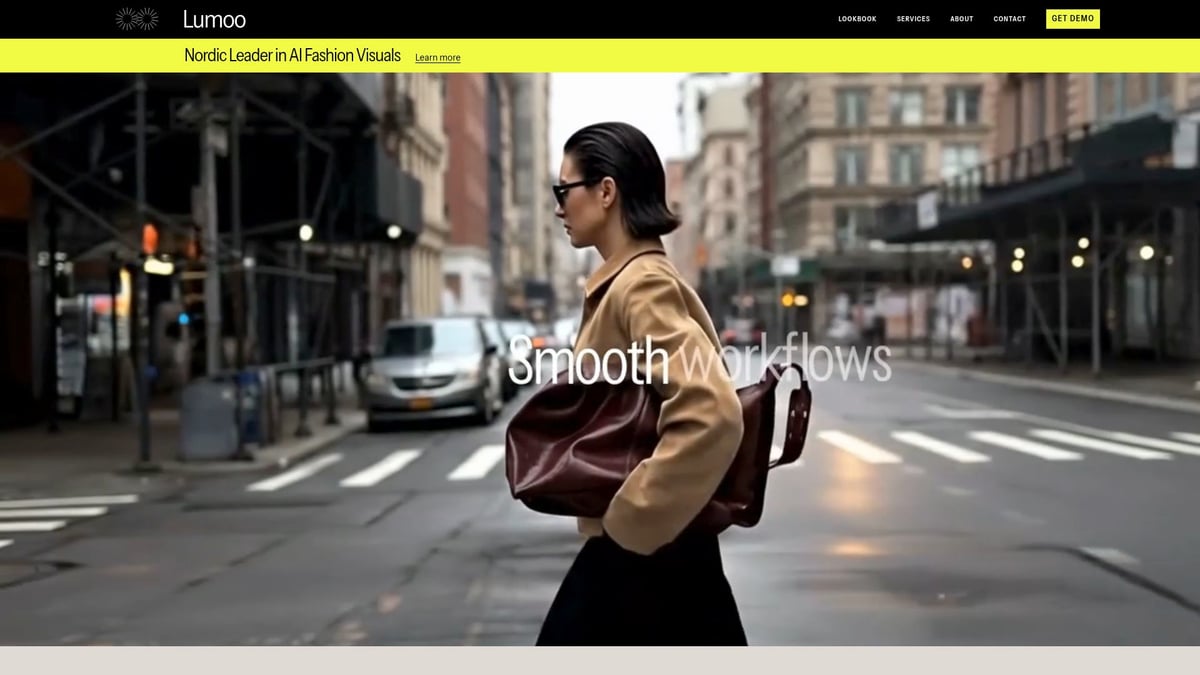
With Lumoo, brands can accelerate content production, achieve 360 degree visual coverage, and showcase true-to-life garment fit on diverse models. These innovations support omnichannel campaigns with high impact, brand consistent visuals.
For designers and marketers, Lumoo drives conversion, engagement, and market presence. Adopting scalable, innovative visual solutions like Lumoo is key for success in the evolving fashion and ecommerce ecosystem.
Data Analytics, Measurement, and Optimization
Data analytics plays a critical role in the future of fashion and ecommerce. Real time performance tracking enables brands to make informed decisions quickly. Attribution modeling helps optimize marketing spend across channels, maximizing return on investment.
A B testing for website design, product presentation, and promotions uncovers what resonates with shoppers. Predictive analytics identifies emerging trends and informs assortment planning. Fashion and ecommerce brands that use analytics to personalize experiences consistently outperform their peers.
A data driven approach ensures continuous improvement, helping brands adapt to changing consumer behaviors and market conditions.
Sustainability, Ethics, and the Circular Economy in Fashion Ecommerce
Sustainability is now a core pillar of the fashion and ecommerce industry. Brands and retailers recognize that ethical practices and circular models are not just trends but essential strategies for long-term growth. As we explore this landscape, it becomes clear that modern consumers expect transparency, responsibility, and innovation at every stage.
Consumer Demand for Sustainable Fashion
Consumer awareness is at an all-time high, with Gen Z and Millennials leading the charge for sustainability in fashion and ecommerce. Recent surveys reveal that sustainability is now a top purchase driver, influencing both brand loyalty and buying choices. Shoppers increasingly seek information about materials, production processes, and ethical sourcing before making decisions.
Certifications, such as Fair Trade and carbon labeling, play a significant role in building trust. Brands like Stella McCartney and Patagonia have captured market share by offering eco-friendly ranges and sharing their sustainability journeys openly.
This shift in consumer mindset means that fashion and ecommerce brands must prioritize transparency and environmental responsibility to remain competitive and relevant in 2026.
Implementing Sustainable Practices Across the Value Chain
To meet rising expectations, fashion and ecommerce companies are embedding sustainability throughout their value chains. This includes sourcing organic or recycled materials, ensuring fair labor conditions, and embracing ethical manufacturing processes.
Waste reduction is another major focus. Many brands are adopting closed-loop systems, recycling initiatives, and upcycling programs to minimize environmental impact. Sustainable packaging, such as compostable mailers or reusable bags, is becoming standard.
Technology is essential for tracking and reporting sustainability efforts. For example, platforms now provide real-time insights into supply chain emissions and ethical compliance, helping brands like ASOS integrate sustainability into every operation. In fashion and ecommerce, these initiatives build both credibility and customer loyalty.
Circular Business Models: Resale, Rental, and Upcycling
Circular business models are redefining the landscape of fashion and ecommerce. Resale platforms, rental services, and upcycling initiatives are experiencing rapid growth, offering consumers new ways to participate in sustainable fashion.
| Model | Description | Example Brands |
|---|---|---|
| Resale | Pre-owned fashion marketplace | Depop, ThredUp |
| Rental | Temporary access to high-end pieces | Rent the Runway, HURR |
| Upcycling | Transforming old items into new goods | Patagonia, Eileen Fisher |
The circular fashion market is projected for double-digit growth, as brands launch proprietary programs to capture this momentum. By embracing these models, fashion and ecommerce businesses create new revenue streams and reduce their environmental impact.
Communicating Sustainability to Consumers
Effective communication is crucial for fashion and ecommerce brands to engage today's conscious consumer. Storytelling, transparency, and interactive digital content all play vital roles. Brands use certifications, digital badges, and third-party endorsements to showcase their commitment.
Many companies leverage AR and immersive tools to visualize impact, such as carbon footprints or material journeys. Engaging customers in recycling programs or sustainability challenges further builds community.
By highlighting real progress and fostering two-way dialogue, brands strengthen trust and inspire ongoing loyalty in the evolving world of fashion and ecommerce.
Step-by-Step Guide: Launching and Scaling a Fashion Ecommerce Brand in 2026
Launching a successful fashion and ecommerce brand in 2026 takes more than just great products. You need a clear roadmap, a focus on innovation, and agile execution. This guide breaks down each step to help you build, grow, and future-proof your business in the evolving digital landscape.
Step 1: Market Research & Trend Analysis
Start by thoroughly researching your target audience and market segments. Use advanced analytics tools to identify which demographics are most active in fashion and ecommerce. Evaluate your competitors’ strategies and look for gaps or underserved needs.
Leverage trend analysis through social listening, sales data, and global insights to understand what styles and categories are gaining traction. This foundation ensures your product development aligns with consumer demand and market shifts.
Step 2: Building Your Ecommerce Infrastructure
Choose an ecommerce platform that fits your needs, whether it’s Shopify, Magento, or a custom solution. Prioritize mobile-first, responsive design for your store. Fast site performance and seamless navigation are essential for capturing the fashion and ecommerce audience.
Integrate secure payment gateways and reliable logistics systems. Set up automated product data feeds for marketplaces and social selling platforms, ensuring accurate inventory and pricing across all channels.
Step 3: Developing a Winning Product & Content Strategy
Curate collections based on data-driven forecasts and customer preferences. Invest in high-quality, diverse, and dynamic product visuals to stand out in the fashion and ecommerce space.
Personalization is key. Implement recommendation engines and tailored content experiences. Plan an omnichannel content calendar to deliver engaging campaigns across web, mobile, and social platforms. Strong visuals and relevant storytelling drive higher engagement and sales.
Step 4: Marketing, Acquisition, and Community Building
Launch targeted marketing campaigns using social media, search advertising, and influencer partnerships. Shoppable content and livestream events can boost real-time engagement with your fashion and ecommerce community.
Build loyalty programs with personalized rewards to retain customers. Encourage user-generated content and foster a sense of belonging through interactive experiences like polls or contests. Community engagement turns new buyers into long-term advocates.
Step 5: Scaling Operations & Embracing Innovation
Automate fulfillment, returns, and customer support with AI-driven tools to streamline operations. Expand your reach by selling on new channels, entering untapped geographies, and diversifying your product range.
Continuously optimize your processes using analytics and customer feedback. Invest in sustainability and circular economy initiatives to align with evolving fashion and ecommerce values.
Step 6: Measuring Success & Continuous Improvement
Set clear KPIs for sales, engagement, retention, and sustainability goals. Use analytics dashboards for real-time tracking and actionable insights. Conduct A/B testing on website elements, product presentation, and marketing tactics.
Stay agile by adapting strategies based on analytics and emerging trends. Continuous improvement is essential for long-term growth and resilience in fashion and ecommerce.
As we look ahead to 2026, it’s clear that innovation, personalization, and compelling visuals will define success in fashion ecommerce. By embracing AI-driven solutions, dynamic content, and seamless omnichannel experiences, you’ll be ready to meet the evolving expectations of today’s shoppers and stand out in a crowded market. If you’re curious how advanced visual technology can elevate your brand’s storytelling and drive real results, I encourage you to explore the possibilities firsthand. Take the next step toward future-ready fashion ecommerce—Get Demo.