The Ultimate Guide to Building a Fashion Brand in 2026
Launch your fashion brand in 2026 with expert guidance on trend forecasting, AI tools, sustainable practices, and digital strategies for lasting success.

Dreaming of launching a fashion brand in 2026? The landscape is evolving faster than ever, filled with both exciting opportunities and unique challenges for visionary entrepreneurs.
This guide delivers a clear, step-by-step roadmap to help you build, grow, and sustain your fashion brand in the digital-first era. Discover how to forecast trends, craft an authentic brand identity, harness AI, embrace sustainability, and master omnichannel marketing.
Ready to unlock proven strategies and expert insights for success? Let’s dive in and shape the future of fashion together.
Understanding the 2026 Fashion Landscape
The fashion brand landscape in 2026 is transforming at an unprecedented pace. As new consumer generations come of age and digital innovation accelerates, established norms are being replaced by agile, tech-enabled strategies. To thrive as a fashion brand, founders must understand these shifts and anticipate the next wave of opportunity.

Key Market Trends and Consumer Shifts
The core of the 2026 fashion brand market is shaped by Gen Z and Gen Alpha, who are redefining what it means to be style-conscious. These consumers demand brands that align with their values, especially when it comes to sustainability and transparency. According to Statista, 65% of Gen Z prefer a fashion brand with strong environmental values.
Digital-native brands and direct-to-consumer (DTC) models are now the norm. Consumers expect instant access, seamless shopping experiences, and authentic engagement from their favorite fashion brand. Social commerce is booming, with platforms like TikTok and Instagram serving as both inspiration and checkout counter.
Virtual stores and the metaverse are gaining traction, allowing customers to interact with a fashion brand in entirely new ways. Virtual try-ons and digital avatars are breaking down barriers, making shopping more accessible and personalized. Inclusivity is not optional; brands are expected to represent all sizes, backgrounds, and identities.
Sustainability is a non-negotiable pillar for any modern fashion brand. Eco-conscious leaders like PANGAIA and Collina Strada are proof that ethical sourcing, transparency, and circular practices can drive both loyalty and growth. For a deeper dive into what’s ahead, the 2026 Fashion Trends Forecast offers valuable insight into emerging consumer behaviors and market dynamics.
Fashion brand founders who prioritize these shifts—by listening to their audience and adapting quickly—will be best positioned for long-term relevance.
Technology and AI Disruption in Fashion
Technology is revolutionizing every aspect of the fashion brand journey. Artificial intelligence is at the forefront, reshaping how collections are designed, produced, and marketed. AI-driven sketch-to-sample tools are enabling rapid prototyping, while 3D modeling and virtual avatars bring garments to life before a single sample is made.
Personalization is another key advantage for the modern fashion brand. AI algorithms analyze data to recommend products, optimize fit, and forecast demand. Virtual try-ons are becoming standard, allowing shoppers to see how products look on real bodies, boosting confidence and reducing returns.
Automation is streamlining the supply chain, making inventory management smarter and more sustainable. Brands use AI to predict trends, plan production, and minimize waste—giving them a competitive edge in a crowded market. According to McKinsey, 72% of fashion brands plan to increase their investment in AI by 2026.
Leaders in the space are already leveraging these tools to deliver greater value, agility, and customer satisfaction. Embracing technology is not just about efficiency; it is about crafting a fashion brand that is future-ready and resilient in a rapidly evolving landscape.
Defining Your Unique Fashion Brand Identity
In 2026, standing out in the fashion industry begins with a clear and authentic fashion brand identity. With consumers facing endless choices, the ability to connect on a personal and emotional level sets successful brands apart from the rest.

Crafting a Distinctive Brand Story
Every fashion brand must start with a compelling story. Authenticity matters more than ever, as consumers seek brands that reflect their values and aspirations. Begin by defining your mission, vision, and core values. Ask yourself: What does your fashion brand stand for, and how do you want customers to feel when they interact with you?
Identify your target audience by building detailed personas. Consider age, lifestyle, shopping behaviors, and social values. Gen Z and Gen Alpha, in particular, are drawn to brands that champion inclusivity, sustainability, and transparency. According to Accenture, 77% of consumers buy from brands that align with their values.
A strong visual identity is also essential. Design a memorable logo, select a cohesive color palette, and choose typography that reflects your brand’s personality. Packaging should be both functional and visually appealing, reinforcing your fashion brand’s message at every touchpoint.
Take inspiration from Telfar, whose “Not for You—for Everyone” mantra resonates through inclusive design and accessible pricing. Telfar’s approach demonstrates how a fashion brand can foster loyalty by making every customer feel seen and valued.
Building Brand Differentiation in a Crowded Market
With the fashion landscape more competitive than ever, your fashion brand must carve out its own space. Start by conducting a thorough competitive analysis to identify gaps in the market. Look for white space where your brand’s unique perspective can shine.
Niche positioning is a powerful strategy. Focus on micro-communities that align with your brand’s ethos. Collaborations and creative partnerships can help your fashion brand reach new audiences and generate buzz. For example, Jacquemus is known for viral marketing campaigns and immersive pop-up experiences that engage fans beyond traditional retail.
Balancing heritage with innovation is key. While honoring your brand’s roots, stay agile and open to new ideas. This approach ensures your fashion brand remains relevant and appealing in the ever-evolving 2026 market.
Leveraging AI and Technology for Fashion Brand Success
Artificial intelligence is rapidly redefining what it means to build and grow a fashion brand in 2026. From concept to customer, digital tools are now central to every stage of the creative and operational journey. Embracing these technologies is no longer optional; it is essential for any modern fashion brand seeking to compete and thrive.
Integrating AI-Powered Visual Tools and Automation
AI-powered tools are transforming how a fashion brand approaches design, visualization, and production. Designers now use intuitive sketch-to-sample platforms that generate digital prototypes, cutting weeks from traditional workflows and reducing errors. Advanced 3D modeling and virtual avatars allow teams to visualize garments on diverse body types, ensuring inclusivity and accurate fit from the earliest stages.
Beyond creative tasks, AI automates repetitive processes. Content creation for social media, lookbooks, and e-commerce is now streamlined, freeing creative teams to focus on innovation. Virtual try-ons and personalized recommendations make the online shopping experience more engaging and accessible, increasing customer satisfaction and confidence in a fashion brand's offerings.
Supply chain management also benefits from AI. Automated inventory forecasting and real-time analytics help brands avoid costly overproduction and stockouts. According to AI in Fashion Market Growth, the adoption of AI technologies is projected to fuel significant market growth, with 72% of fashion brands planning to increase their AI investments by 2026.
Let us compare the impact of AI adoption in fashion brand operations:
| Aspect | Before AI Adoption | After AI Adoption |
|---|---|---|
| Design Speed | Weeks for samples | Days or hours for digital samples |
| Personalization | Limited, manual | Scalable, data-driven |
| Inventory Control | Prone to errors | Proactive, real-time forecasting |
By integrating these technologies, a fashion brand can enhance efficiency, accuracy, and creativity.
How AI Fashion Solutions Like Lumoo Studio Empower Brands
AI solutions such as Lumoo Studio are setting new standards for visual content creation and brand consistency. For a fashion brand, tools like Lumoo ID and Lumoo VTO enable seamless generation of model imagery that aligns perfectly with the brand’s aesthetic and values. By transforming simple sketches into campaign-ready visuals, teams accelerate the journey from idea to launch.
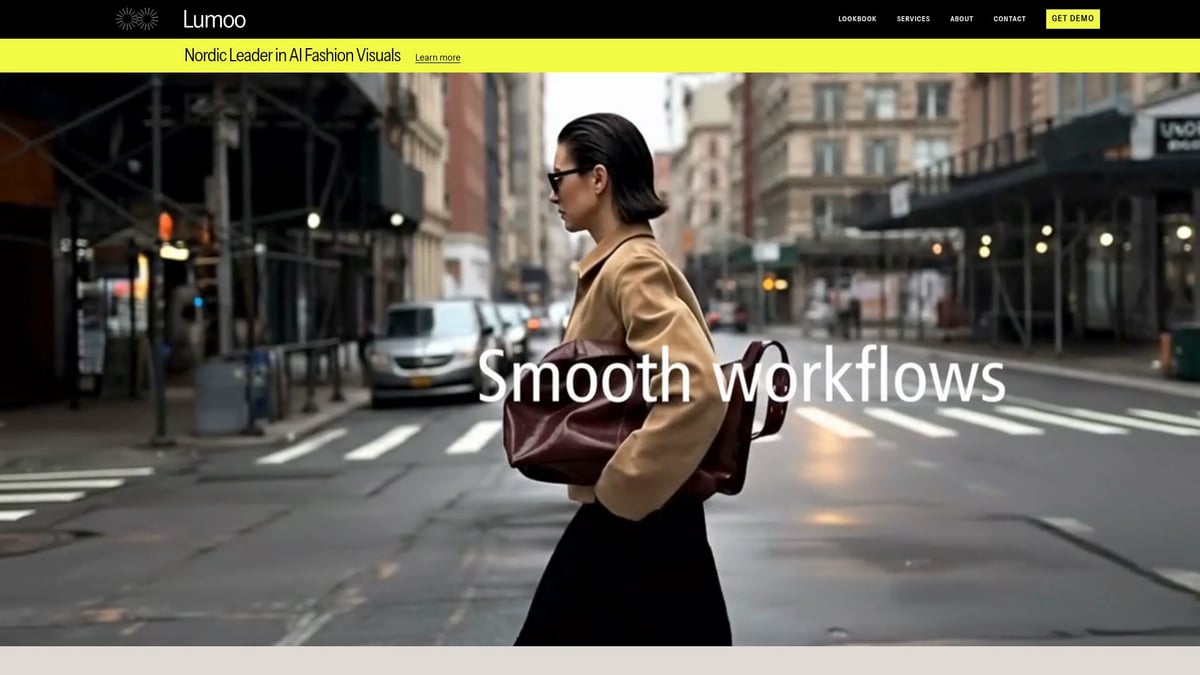
These platforms offer:
- Consistent brand-aligned visuals for every collection
- True-to-life garment representation on a wide range of digital avatars
- Scalable production of high-quality content for e-commerce and marketing
With Lumoo Studio, a fashion brand can bring inclusivity to the forefront. Virtual try-ons allow customers to see garments on avatars that reflect their own identities and body types. This not only boosts engagement but also customer confidence, reducing returns and strengthening brand loyalty.
Brands leveraging Lumoo’s AI tools have reported faster content delivery and increased sales. The ability to maintain creative integrity while scaling production is a game-changer for any fashion brand aiming to lead in 2026.
Sustainable and Ethical Foundations for Modern Brands
Sustainability is no longer optional for any fashion brand aiming to thrive in 2026. As consumer expectations evolve, building ethical and eco-conscious foundations is essential for long-term relevance and trust. Today’s fashion brand must address environmental impact, ethical sourcing, and transparent communication from the start.

Embracing Sustainability as Core Strategy
A forward-thinking fashion brand integrates sustainability at every stage. Start by sourcing eco-friendly materials such as organic cotton, TENCEL, or lab-grown fabrics. Embrace circular design principles, planning for products to be reused, recycled, or composted after use. Transparent supply chains and ethical labor practices are non-negotiable, ensuring every partner aligns with your brand values.
Modern production methods support sustainability. Consider made-to-order or on-demand models to reduce waste and avoid overproduction. This approach not only limits environmental impact but also appeals to conscious consumers. According to Nielsen (2024), 73% of shoppers are willing to pay more for sustainable products, highlighting the business case for ethical practices.
Stay informed about the latest eco-friendly innovations. The rise of lab-grown materials and new sustainable practices is reshaping the industry. For more on this, explore Sustainable Materials in Fashion. Brands like Stella McCartney lead by example, setting benchmarks in sustainable luxury.
Certifications offer credibility and build trust. Common standards include:
| Certification | Focus Area |
|---|---|
| GOTS | Organic textiles |
| Fair Trade | Ethical labor |
| B Corp | Social and environmental |
| OEKO-TEX | Chemical safety |
A fashion brand committed to these practices stands out in a crowded market.
Communicating Sustainability to Consumers
How you share your sustainability story matters. Consumers are quick to spot greenwashing, so authenticity and transparency are crucial for any fashion brand. Use third-party verification and real impact data to support your claims.
Tell your story through engaging content. Highlight your journey, challenges, and measurable outcomes in blog posts, videos, and social media updates. Digital platforms allow you to publish impact reports, showcase certifications, and involve your audience in your mission.
Leverage community building to foster loyalty. Create spaces where customers can discuss sustainability, share experiences, and support each other’s values. This builds trust and turns your audience into advocates for your fashion brand.
Effective communication transforms sustainability from a buzzword into a core part of your brand identity. By being transparent and authentic, your fashion brand will inspire confidence and drive lasting engagement.
Designing, Producing, and Launching Your Collection
Bringing a fashion brand to life in 2026 requires a strategic approach to design, production, and launch. Each stage is influenced by technology, sustainability, and evolving consumer expectations. Let us walk through the essential steps to transform your vision into a successful collection.
Step 1: Conceptualization and Trend Forecasting
The first step in launching a fashion brand collection is translating creative inspiration into actionable concepts. In 2026, trend forecasting relies heavily on AI and data analytics for accurate predictions. Platforms like WGSN and AI-driven tools analyze social media, consumer sentiment, and global events to uncover emerging styles.
Moodboarding remains vital for shaping your collection’s narrative. Digital platforms allow real-time collaboration and rapid iteration. Incorporating generative AI and metaverse technologies into the ideation stage can further expand creative possibilities, enabling designers to visualize garments in immersive environments. For a deeper dive into these integrations, see this Generative AI and Metaverse in Fashion review.
- Use AI to identify upcoming color palettes and silhouettes.
- Build digital moodboards for cohesive storytelling.
- Stay agile by adapting to fast-moving cultural shifts.
A fashion brand that masters trend forecasting gains a critical edge in the market.
Step 2: Design, Sampling, and Prototyping
Once your concept is clear, the design process begins. Digital design tools empower a fashion brand to rapidly create, modify, and visualize garments in 3D, reducing the need for physical samples. This minimizes costs and environmental impact, aligning with sustainability goals.
Sustainable sampling methods, such as virtual prototyping and small-batch runs, help reduce waste. Prioritizing inclusivity from the outset, designers should ensure patterns accommodate diverse body types and sizes.
- Leverage 3D modeling software for accurate visualizations.
- Use digital avatars to test garment fit and appeal.
- Opt for recycled fabrics or innovative textiles in samples.
By embracing these methods, a fashion brand can deliver both creativity and responsibility in its designs.
Step 3: Sourcing, Production, and Quality Control
With prototypes approved, sourcing and production move to the forefront. Choosing ethical, reliable manufacturing partners is essential for any fashion brand. Decisions between local and offshore factories affect quality, timelines, and environmental footprint.
Navigating minimum order quantities (MOQs) is a common challenge. Small-batch production and flexible manufacturing models are increasingly popular for new brands. Quality assurance is enhanced through tech-enabled inspections, ensuring garments meet standards before reaching consumers.
- Research factories with strong ethical credentials.
- Balance cost, speed, and quality when selecting suppliers.
- Implement digital QA tools for real-time production monitoring.
Strong sourcing and quality control practices are foundational to a successful fashion brand.
Step 4: Preparing for Launch
As your collection nears completion, building anticipation is key. A fashion brand should deploy teaser campaigns, influencer collaborations, and behind-the-scenes content to engage its audience. Pre-orders, capsule drops, and limited editions foster exclusivity and early buzz.
- Launch teaser campaigns across social channels.
- Partner with influencers for authentic reach.
- Use pre-orders to gauge demand and manage inventory risk.
Fear of God, for example, has perfected the art of pre-launch strategy, generating excitement and securing sales before release. By executing a well-planned launch, a fashion brand can maximize impact and set the stage for long-term growth.
Building a Digital-First Brand Presence
Establishing a digital-first approach is essential for any fashion brand aiming to thrive in 2026. The digital landscape is evolving rapidly, and brands must leverage advanced platforms, immersive experiences, and data-driven strategies to stand out.
E-Commerce, Social Media, and Omnichannel Strategies
Selecting the right e-commerce platform is the foundation for a successful fashion brand. In 2026, brands often choose between major platforms to create seamless shopping experiences. Here is a quick comparison:
| Platform | Strengths | Best For |
|---|---|---|
| Shopify | User-friendly, robust app ecosystem | Fast launch and scaling |
| WooCommerce | Customization, integration with WordPress | Content-driven brands |
| Custom | Full control, unique experiences | Established brands |
Optimizing product pages with high-quality visuals, video, and compelling storytelling increases conversion rates. For a fashion brand, visuals play a critical role in conveying quality and style. Integrate 360-degree product views and short-form video to showcase garments from every angle.
Social media marketing is indispensable. Platforms like TikTok, Instagram, and Pinterest continue to drive discovery and engagement. Emerging channels such as Threads and BeReal are gaining traction among Gen Z and Gen Alpha. Here are top strategies for 2026:
- Leverage short-form video for product launches.
- Collaborate with micro-influencers for authentic reach.
- Use shoppable posts to drive instant purchases.
- Run AR try-on campaigns for interactive shopping.
Social commerce is a key growth driver. According to GlobalWebIndex, 81% of fashion purchases are now influenced by social media. Omnichannel strategies—combining online, mobile, and in-person touchpoints—ensure that your fashion brand remains accessible and consistent everywhere your customers engage.
Community Building and Customer Engagement
Building a loyal community is fundamental for a modern fashion brand. Start by developing loyalty programs that reward repeat purchases and foster a sense of belonging. Exclusive online communities, such as private forums or Discord groups, allow customers to connect with the brand and each other.
Live shopping events are gaining popularity, enabling real-time interaction between the fashion brand and its audience. Host Q&A sessions, behind-the-scenes streams, or product drops to spark excitement. Interactive content like polls, quizzes, and virtual styling sessions keeps engagement high.
Personalization is now expected. Utilize AI-driven recommendations and messaging to deliver tailored experiences for each customer. This not only increases sales but also strengthens the emotional connection with your fashion brand.
Glossier exemplifies the power of community-driven growth. By listening to feedback and involving customers in product development, they have cultivated a passionate, loyal audience. In 2026, brands that prioritize authentic engagement will outperform those relying solely on traditional marketing.
Scaling, Managing, and Sustaining Your Fashion Brand
Building a successful fashion brand is just the beginning. To thrive in 2026, founders must master the art of scaling, managing, and sustaining their businesses with precision and agility. This process requires robust financial planning, advanced supply chain techniques, and a commitment to continuous improvement.
Financial Planning and Funding Your Growth
Solid financial planning is the backbone of any fashion brand’s growth. Start by creating a detailed business plan that outlines your goals, target markets, and estimated expenses. Accurate financial projections help you anticipate costs and set realistic revenue targets.
Explore various funding options to support your fashion brand’s expansion. Consider bootstrapping, crowdfunding, angel investors, or venture capital, depending on your business model and growth stage. Each path offers unique benefits and risks.
Cash flow management is crucial. Monitor your income and expenses closely to avoid liquidity issues. Use digital accounting tools to automate tracking and generate real-time reports. This ensures your fashion brand can respond quickly to market changes and seize new opportunities.
Supply Chain Optimization and Inventory Management
Efficient supply chain management is vital for a fashion brand aiming to scale. Leverage technology for real-time inventory tracking and demand forecasting. Digital platforms can alert you to low stock, predict trends, and help plan production cycles with greater accuracy.
Adopt agile and flexible supply chain models that allow your fashion brand to pivot quickly. This reduces the risk of overproduction and markdowns, protecting your bottom line. Collaborate with suppliers who share your commitment to quality and transparency.
Consider implementing on-demand production or limited runs to minimize waste. By aligning inventory closely with customer demand, your fashion brand can maintain exclusivity while reducing excess stock. These strategies build trust and drive long-term profitability.
Measuring Success and Iterating for the Future
To sustain growth, a fashion brand must track performance and adapt to change. Identify key performance indicators (KPIs) such as sales, customer engagement, and retention rates. Use dashboards and analytics tools to visualize progress.
Gather customer feedback through surveys, reviews, and social media interactions. This data reveals what your audience values and where your fashion brand can improve. Act on insights quickly to refine products, messaging, and service.
Prepare for global expansion by researching new markets and adapting your approach. Successful brands like ALO Yoga have scaled by blending direct-to-consumer and wholesale strategies. By iterating and innovating, your fashion brand remains resilient in a competitive landscape.
As you look to launch and grow your fashion brand in 2026, embracing innovative tools like AI-powered visual solutions can truly set you apart. We've explored how technology, digital-first strategies, and compelling storytelling are shaping the future of fashion. If you're ready to see how Lumoo Studio’s advanced features can help you create stunning visuals, streamline your workflow, and connect with today’s consumers, I encourage you to experience it firsthand. Take the next step toward building a future-ready brand—Get Demo.