The Expert Guide to Fashion Businesses in 2026
Discover the essential trends, technologies, and strategies shaping fashion businesses in 2026. Gain expert insights to drive success and future proof your brand.

The world of fashion businesses is transforming at a pace never seen before. Rapid advancements, shifting consumer values, and emerging technologies are reshaping what it takes to succeed.
Are you prepared to lead, adapt, and thrive as 2026 approaches? This expert guide will unveil the critical trends, powerful technologies, and game-changing strategies every professional in the industry needs to know.
Discover how innovators are driving the future, why sustainability is now a must, and what digital transformation means for your brand. Ready to unlock the insights that will future-proof your journey in fashion businesses? Dive into the full guide below.
The Fashion Industry in 2026: Landscape and Key Trends
The world of fashion businesses is evolving at lightning speed. By 2026, the industry will be defined by a fusion of digital innovation, sustainability imperatives, and new consumer expectations. According to McKinsey's State of Fashion 2026 Report, these shifts are creating both challenges and exciting opportunities for brands ready to adapt.

Evolution of the Fashion Business Model
Fashion businesses are moving away from traditional retail models. Omnichannel experiences are now the norm, blending e-commerce, physical stores, and social platforms. The rise of direct-to-consumer (DTC) brands and microbrands is reshaping how products reach customers.
Brands like Nike exemplify this shift, with DTC sales accounting for over 42 percent of revenue in 2024. Integration of digital and physical retail is crucial for future growth, offering consumers a seamless journey across every touchpoint.
Sustainability as a Business Imperative
Sustainability is no longer optional for fashion businesses. Regulatory requirements are driving demands for circularity and transparency throughout the supply chain. Rental, resale, and upcycling business models are rapidly gaining traction.
For example, ThredUP’s 2024 Resale Report projects the secondhand market will double by 2026. These developments reflect a broader industry commitment to responsible growth and environmental stewardship.
Technology-Driven Transformation
Technology is revolutionizing how fashion businesses operate and compete. Artificial intelligence powers design, forecasting, and hyper-personalization, while 3D design tools and virtual sampling streamline product development.
By 2026, 70 percent of brands will use 3D design for rapid prototyping and waste reduction. Digital twins and advanced analytics support smarter, more agile decision-making, ensuring brands can respond quickly to market shifts.
Consumer Empowerment and Personalization
Consumers are demanding more from fashion businesses in 2026. There is a clear expectation for inclusive sizing, diverse representation, and options for customization.
Hyper-personalized shopping experiences, driven by data analytics, are now standard. Brands that prioritize consumer empowerment build stronger loyalty and stand out in a crowded market.
Market Globalization and Localization
Fashion businesses are expanding into emerging markets such as Southeast Asia and Africa. However, success requires more than global reach; it demands local relevance.
Localized collections and marketing strategies are essential for connecting with diverse consumer bases. Brands must adapt to cultural preferences while maintaining global brand integrity.
Economic and Supply Chain Volatility
Economic uncertainty and supply chain disruptions continue to challenge fashion businesses. Inflation, geopolitical risks, and logistical constraints increase the need for agile, resilient supply chains.
Nearshoring and flexible production models are becoming more common. These strategies help brands manage risk and maintain reliable product availability.
Data-Driven Decision Making
Real-time analytics are transforming how fashion businesses forecast trends, manage inventory, and understand consumer behavior. Data-driven insights enable proactive decision-making and more efficient operations.
Brands that leverage these tools can anticipate market changes, optimize offerings, and enhance customer satisfaction in a rapidly evolving landscape.
Digital Transformation in Fashion: Technologies Reshaping the Industry
The rapid pace of digital transformation is redefining how fashion businesses operate, innovate, and compete. In 2026, technology is not just an enabler, it is the backbone of the industry’s most successful brands. From artificial intelligence to immersive experiences, the digital toolkit for fashion businesses is more robust than ever. According to Lectra's Five Key Trends Reshaping Fashion in 2026, digitalization and new business models are central to future growth.
Artificial Intelligence and Machine Learning
Artificial intelligence is at the core of innovation for fashion businesses. Brands now leverage AI to forecast trends, optimize inventories, and adjust pricing strategies in real time. Machine learning algorithms analyze massive datasets, helping fashion businesses predict demand and segment customers with remarkable accuracy. Stitch Fix, for example, uses AI-driven styling recommendations, personalizing selections for millions of shoppers. This data-driven approach reduces waste and boosts customer satisfaction. As AI technology matures, fashion businesses will find even more ways to gain a competitive edge through automation and insight.
Virtual and Augmented Reality Experiences
Virtual and augmented reality are transforming how consumers interact with fashion businesses. Virtual try-ons and immersive fitting rooms allow shoppers to visualize garments before purchasing, reducing returns and increasing confidence. Gucci’s AR shoe try-on in its mobile app exemplifies how brands can blend digital and physical experiences. AR-powered product visualization tools are becoming standard in e-commerce, making online shopping more engaging and accessible. As these technologies evolve, fashion businesses will deliver even more personalized and interactive customer journeys.
3D Design, Digital Twins, and Virtual Sampling
3D design and digital twin technology are revolutionizing the product lifecycle for fashion businesses. With 3D CAD, designers create rapid prototypes, cutting development time and minimizing waste. Digital twins enable real-time management of products from concept to retail, optimizing every stage. Adidas uses a digital twin platform to streamline supply chain operations and improve efficiency. Virtual sampling eliminates the need for multiple physical prototypes, helping fashion businesses reduce costs and environmental impact. These innovations are setting new standards for speed and sustainability.
Blockchain and Supply Chain Transparency
Blockchain technology is becoming essential for transparent and secure supply chains in fashion businesses. By recording every transaction and movement, blockchain ensures traceability and combats counterfeiting. Smart contracts automate supplier management and payment processes, reducing administrative overhead. Consumers increasingly expect proof of authenticity and ethical sourcing, and blockchain delivers the transparency fashion businesses need to build trust. As regulations tighten, these digital solutions will become mandatory for compliance and reputation management.
The Role of Social Commerce and Influencer Platforms
Social commerce is reshaping how fashion businesses reach and engage consumers. Platforms like TikTok and Instagram now offer shoppable content, allowing users to purchase directly from posts and videos. Creator-led brands and micro-influencer marketing drive authentic connections, expanding reach and credibility. Emerging platforms are providing new opportunities for fashion businesses to build communities and foster brand loyalty. By embracing these digital channels, brands can accelerate growth and stay relevant in a fast-moving market.
Automation and Robotics in Production
Automation and robotics are streamlining production for fashion businesses, enabling faster turnaround and lower costs. Automated cutting, sewing, and logistics systems minimize manual errors and reduce lead times. These technologies help fashion businesses respond quickly to market trends and demand fluctuations. Robotics also enhance quality control, ensuring consistent results across large-scale operations. As adoption increases, automation will become a cornerstone of efficient and flexible manufacturing for the fashion sector.
AI-Powered Visual Content Creation: The Lumoo Studio Example
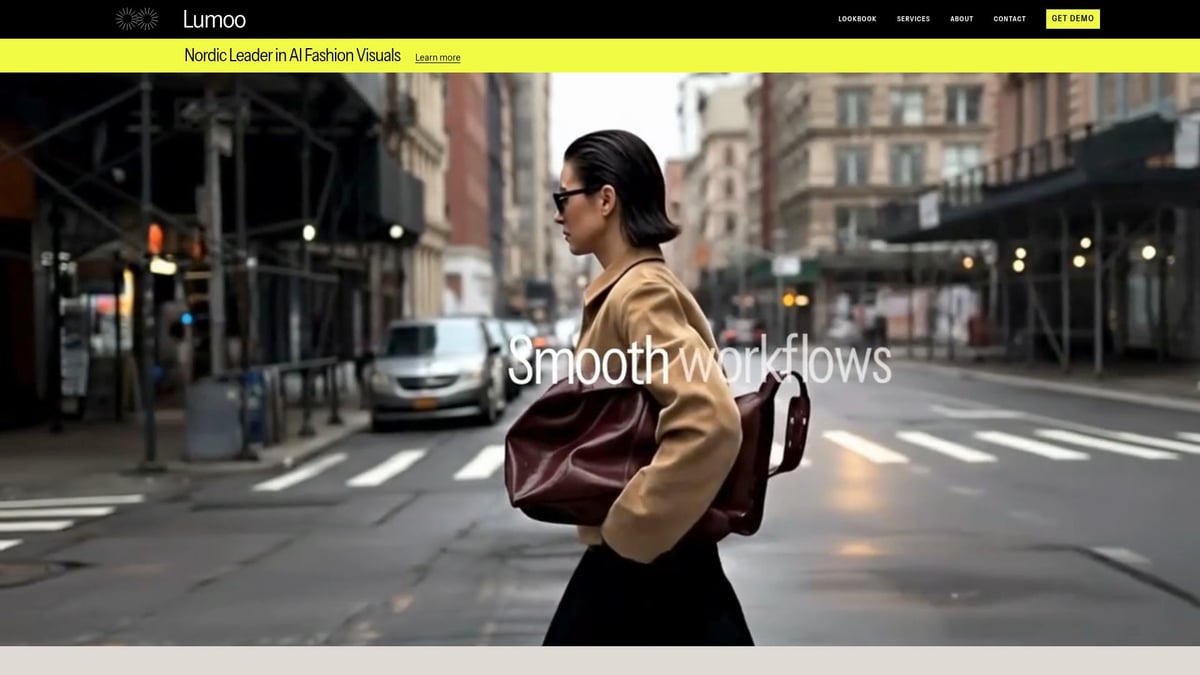
Lumoo Studio stands out as a leader in AI-powered content creation for fashion businesses. The platform offers tools like Lumoo ID, VTO, Flow, Sizes, Alive, and StoryLook, enabling brands to produce dynamic model imagery and true-to-life sizing at scale. Fashion businesses benefit from faster go-to-market timelines, consistent branding, and immersive visual storytelling. By aligning with the digital workflows and inclusivity demands of 2026, Lumoo empowers brands to elevate their campaigns and drive engagement in a competitive landscape.
Sustainability, Ethics, and Circularity: The New Business Imperatives
Sustainability, ethics, and circularity are now non-negotiable for fashion businesses aiming to compete in 2026. Stakeholders demand more than style—regulators, consumers, and partners expect transparency, responsibility, and measurable impact. Adapting to these new imperatives is essential for survival and growth.

Regulatory Landscape and Compliance
Governments are tightening regulations on fashion businesses, particularly in the EU, US, and Asia. The EU Green Deal and Digital Product Passport set a global precedent, requiring brands to document product origins, material content, and environmental impact.
Penalties for greenwashing are increasing, making compliance a core business risk. Brands must now track, verify, and report sustainability metrics across the supply chain to avoid legal and reputational fallout.
Circular Business Models
Circularity has evolved from trend to necessity. Fashion businesses are embracing rental, resale, repair, and upcycling platforms to extend product lifecycles and minimize waste.
Success stories like Rent the Runway and Patagonia’s Worn Wear show how circular business models drive loyalty and open new revenue streams. By adopting these strategies, fashion businesses can meet regulatory requirements and consumer expectations for ethical consumption.
Ethical Sourcing and Labor Practices
Transparency in sourcing and labor is under the microscope. Public demand for fair wages, safe working conditions, and responsible sourcing is transforming procurement strategies.
Certifications such as Fair Trade and B Corp have become powerful trust signals. Brands that invest in ethical partnerships reduce risk and build stronger, more loyal customer bases.
| Certification | Focus Area | Trust Signal |
|---|---|---|
| Fair Trade | Labor, Sourcing | High |
| B Corp | Social, Environmental | High |
Eco-Innovation in Materials and Manufacturing
Eco-innovation is driving a new era of materials and manufacturing for fashion businesses. Bio-based fabrics, recycled textiles, and waterless dyeing are now mainstream.
Closed-loop production and zero-waste design are being accelerated by new sourcing trends and evolving consumer preferences. For an overview of how eco-friendly materials and urban chic aesthetics are shaping the industry, see Fashion Sourcing Trends 2026 by HKTDC.
Innovative brands are also leveraging digital tools to minimize waste and improve efficiency.
Consumer Demand for Responsible Fashion
Consumer expectations have shifted dramatically. Gen Z and Millennials are leading the charge, with 73% willing to pay a premium for sustainable products.
Fashion businesses that prioritize ethics and sustainability see higher engagement and loyalty. Authenticity, transparency, and clear communication are essential for capturing this market.
Transparency and Digital Traceability
Digital traceability tools offer a competitive edge for fashion businesses. QR codes, blockchain, and digital passports allow consumers to verify product provenance instantly.
Leading brands like Stella McCartney are setting the standard by integrating blockchain for end-to-end traceability. This not only builds trust but also streamlines compliance with evolving regulations.
Measuring and Reporting Impact
Impact measurement is now integral for fashion businesses. ESG metrics are featured in annual reports, and real-time analytics platforms provide actionable insights.
Regular reporting on environmental and social impact strengthens stakeholder confidence. Transparent measurement practices will remain a key differentiator as the industry evolves.
The Consumer of 2026: Preferences, Behaviors, and Engagement
Understanding the consumer of 2026 is non-negotiable for fashion businesses seeking to stay relevant. The next generation of shoppers is more empowered, connected, and values-driven than ever before. Their preferences are shaping every aspect of fashion businesses, requiring agility and forward-thinking strategies.

Hyper-Personalization and Customization
Consumers in 2026 expect fashion businesses to offer deeply personalized experiences. AI-powered recommendations, made-to-order products, and interactive design tools are now standard. For instance, Nike By You lets shoppers create custom sneakers to match their unique tastes. This level of personalization not only increases engagement but also builds long-term loyalty as consumers feel seen and valued.
Diversity, Equity, and Inclusion as Core Values
Representation is no longer a trend but a core expectation. Shoppers demand that fashion businesses reflect all body types, ethnicities, and genders in their campaigns and collections. Inclusive sizing is becoming the norm, not the exception. Brands investing in authentic diversity cultivate stronger relationships and trust with their audience, setting a new industry standard.
Digital-First Shopping Habits
The digital transformation is redefining how consumers interact with fashion businesses. Mobile-first browsing, social commerce, and livestream shopping events are commonplace. Platforms like Shein have mastered livestream shopping, driving impulse purchases and real-time engagement. Advanced digital tools, such as those explored in Textile IR: Physics-Aware Fashion CAD Research, enable more immersive and interactive experiences, allowing consumers to visualize and customize products before buying.
Value-Driven Purchasing Decisions
Modern consumers prioritize brands with authentic social and environmental commitments. They are quick to support fashion businesses that champion sustainability, transparency, and ethical practices. Conversely, brands lacking these values face boycotts and online backlash. Shoppers use their purchasing power to advocate for causes they believe in, making values a critical differentiator.
Community and Brand Loyalty
Building community is essential for fashion businesses in 2026. Platforms like Discord and TikTok host vibrant brand communities where shoppers connect, share, and influence each other. Gamified loyalty programs reward engagement, turning customers into brand advocates. This collective spirit not only drives retention but also transforms buyers into lifelong fans.
Instant Gratification and Fast Fulfillment
Speed is a major expectation for the consumer of 2026. Fashion businesses are racing to offer same-day delivery, virtual try-ons, and one-click purchasing. Amazon Prime’s expanded fashion delivery sets the bar for instant gratification. By reducing friction at every stage, brands exceed consumer expectations and secure repeat business.
Data Privacy and Security Concerns
While personalization is valued, consumers are increasingly aware of data privacy. Fashion businesses must balance tailored experiences with robust security and transparent data practices. Building trust in this digital age means respecting consumer privacy and ensuring data is protected at every touchpoint.
Roadmap to Building a Successful Fashion Business in 2026
Navigating the future of fashion businesses requires a strategic, step-by-step approach. By following this roadmap, you can position your brand to thrive amid rapid industry change.
Step 1: Market Research and Trend Analysis
Successful fashion businesses begin with robust market research. Leveraging AI-powered analytics, brands can identify emerging trends and consumer needs in real time. Evaluate market gaps using data-driven insights, and analyze competitor strategies for a competitive edge.
Consider tools that synthesize social listening, sales trends, and global fashion movements. By prioritizing trend analysis, fashion businesses can anticipate shifts and stay relevant in a fast-evolving market.
Step 2: Sustainable and Ethical Business Model Design
Sustainability is now a non-negotiable for fashion businesses. Embed circularity and transparency into your business from the outset. Choose suppliers with strong ethical credentials and prioritize eco-friendly materials.
Form partnerships with technology providers who enable traceable, responsible sourcing. Consumers increasingly expect fashion businesses to demonstrate measurable environmental and social impact, making this step crucial for lasting success.
Step 3: Digital Infrastructure and Technology Integration
Building a robust digital backbone is essential for modern fashion businesses. Select AI, 3D design, and e-commerce platforms that suit your operational needs. Integrate omnichannel retail tools to unify online and offline experiences.
Automate inventory management and personalize marketing through advanced analytics. Investing in future-proof technology ensures fashion businesses can scale efficiently and adapt quickly to market changes.
Step 4: Brand Identity and Visual Storytelling
Differentiation is key for fashion businesses in 2026. Develop a unique brand voice and cohesive visual strategy that resonates with your target audience. Harness AI-powered content creation for consistency and scalability.
Consider dynamic lookbooks, inclusive model imagery, and immersive campaigns. Effective storytelling not only attracts attention but also builds loyalty, helping fashion businesses stand out in a crowded landscape.
Step 5: Agile Production and Supply Chain Management
Resilience is vital for fashion businesses facing ongoing supply chain disruptions. Adopt on-demand manufacturing, nearshoring, and automation to boost agility. Implement real-time tracking and predictive analytics for better inventory control.
An agile approach helps fashion businesses respond swiftly to market demands, reduce waste, and minimize operational risk, ensuring long-term growth and stability.
Step 6: Customer Engagement and Community Building
Engaged communities are the backbone of thriving fashion businesses. Create interactive experiences across all customer touchpoints, from social commerce to loyalty programs. Foster brand communities on platforms like Discord and TikTok.
Personalize engagement using data analytics, and reward loyal customers with exclusive offers. By nurturing these connections, fashion businesses can drive repeat business and foster brand advocacy.
Step 7: Measuring Success and Continuous Improvement
Continuous improvement is essential for sustainable fashion businesses. Set clear KPIs for sustainability, growth, and customer satisfaction. Use real-time analytics platforms to monitor performance and identify areas for optimization.
Iterate on products and processes based on data-driven feedback. Regularly reviewing results allows fashion businesses to adapt strategies, maintain momentum, and achieve their long-term vision.
Future-Proofing Your Fashion Business: Actionable Strategies for 2026 and Beyond
The landscape for fashion businesses in 2026 is dynamic and fiercely competitive. To thrive, brands must look beyond trends and embrace strategies that withstand disruption. The following steps will help you navigate emerging challenges and secure your place in the future of fashion.
Embracing Continuous Innovation
Continuous innovation is the heartbeat of successful fashion businesses. Encourage a culture where experimentation is celebrated and teams are empowered to test new ideas. Rapid iteration enables you to adapt to shifting consumer demands and market trends.
Set up regular brainstorming sessions and pilot programs. Use feedback loops to refine concepts quickly. By staying curious and open to change, your brand remains at the forefront of industry evolution.
Building Strategic Partnerships and Ecosystems
Strategic partnerships expand capabilities and foster resilience. Collaborate with technology firms, sustainability pioneers, and creative agencies to access expertise and resources beyond your core team.
Consider alliances similar to H&M’s work with textile innovators. Joint ventures can unlock new markets, drive product innovation, and share risk. Building a robust ecosystem ensures your fashion businesses remain agile and responsive.
Investing in Talent and Skills Development
Talent development is crucial for future-ready fashion businesses. Upskill your workforce in digital, data, and sustainability competencies.
- Offer regular training programs
- Partner with educational institutions
- Support cross-functional learning
Attract next-generation talent skilled in AI, design, and marketing. By investing in your people, you build a foundation for ongoing growth and adaptability.
Scaling Responsibly and Globally
Scaling requires a balance between growth, integrity, and local relevance. As fashion businesses expand into new markets, adapt products and campaigns for regional audiences.
Use this table to guide responsible scaling:
| Strategy | Benefit |
|---|---|
| Localized design | Enhances market relevance |
| Ethical sourcing | Builds consumer trust |
| Sustainable growth | Supports long-term success |
Careful planning ensures expansion aligns with your brand’s core values.
Leveraging Data for Proactive Decision Making
Leverage data analytics for inventory management, trend forecasting, and understanding customer behavior. Predictive analytics help fashion businesses anticipate shifts, optimize assortments, and personalize experiences.
Invest in real-time dashboards and reporting tools. Data-driven decisions enable you to respond quickly to market changes and minimize inefficiencies.
Risk Management and Resilience Planning
Risk management is essential for stability in uncertain times. Scenario planning prepares fashion businesses for economic, environmental, and technological disruptions.
Develop contingency plans for supply chain interruptions and inflation. Regularly review risk assessments and update protocols to maintain operational continuity.
Monitoring Emerging Technologies and Consumer Shifts
Stay updated on breakthroughs in AI, Web3, and immersive commerce. Monitor evolving consumer expectations and adjust your strategies accordingly.
Engage with industry reports, attend conferences, and join professional networks. By remaining vigilant, fashion businesses can quickly adapt to new opportunities and challenges.
As we’ve explored, the future of fashion is all about agility, innovation, and unforgettable visuals that connect with your audience. If you’re ready to take your brand’s digital storytelling to the next level, why not see firsthand how Lumoo Studio’s AI-powered solutions can help you create dynamic model images, immersive lookbooks, and seamless omnichannel experiences? You don’t have to imagine the possibilities for 2026—you can explore them now. I invite you to Get Demo and discover how your business can thrive in the new era of fashion.