Fashion Design in 2026: AI-Powered Innovation Guide
Discover how fashion design is evolving with AI technology in 2026. Learn essential techniques, workflows, and digital tools transforming the industry.
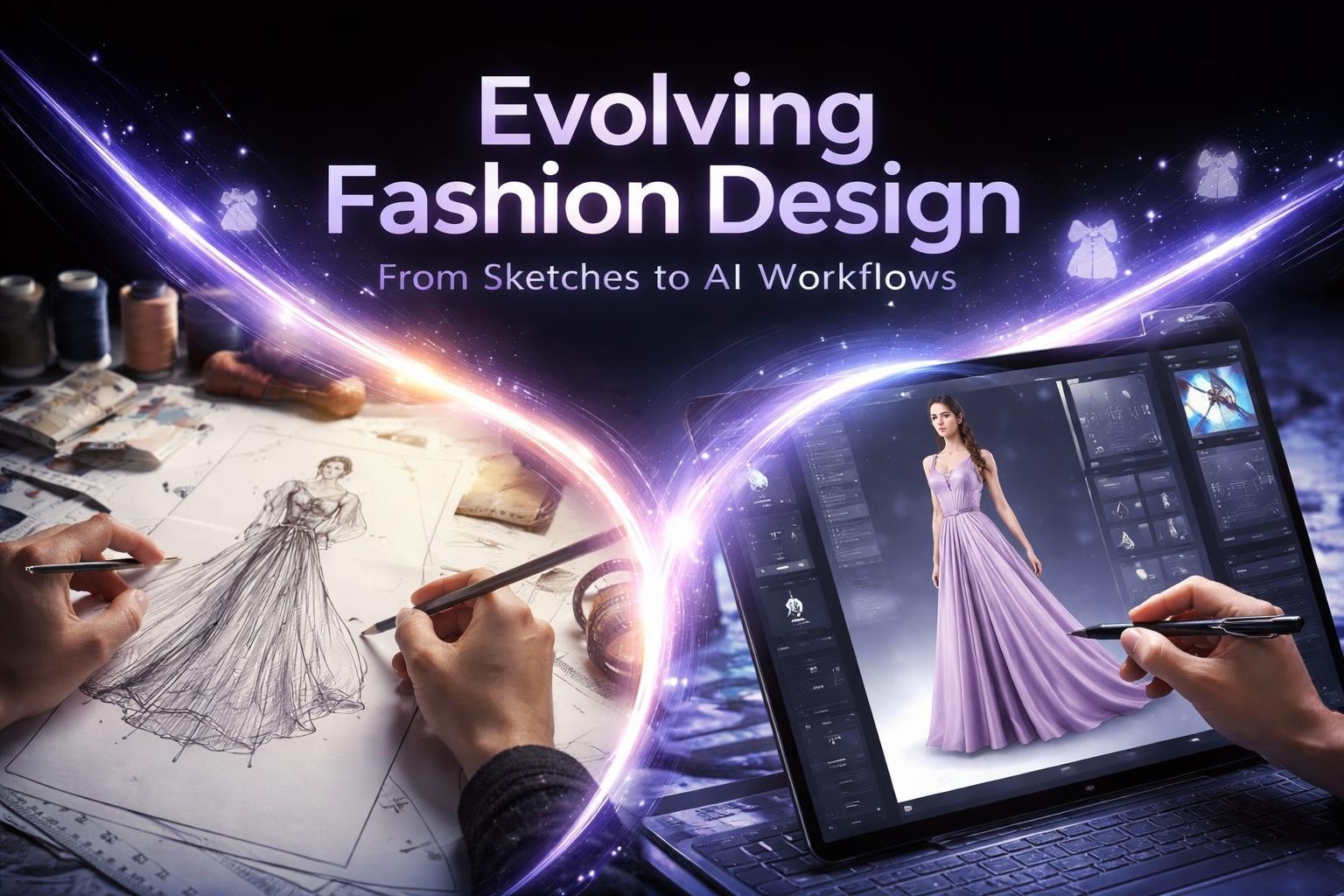
The fashion industry stands at a pivotal intersection of creativity and technology, where traditional design principles meet cutting-edge artificial intelligence solutions. Fashion design has evolved dramatically from hand-drawn sketches and physical draping to sophisticated digital workflows that incorporate machine learning, virtual prototyping, and automated visual content generation. As brands compete in an increasingly digital marketplace, understanding both the foundational principles of fashion design and the technological tools transforming the field becomes essential for creating compelling collections that resonate with modern consumers.
The Foundation of Fashion Design Excellence
Fashion design encompasses far more than creating aesthetically pleasing garments. It requires a deep understanding of human anatomy, textile properties, construction techniques, and cultural context.
Core competencies every designer must develop include:
- Technical sketching and illustration skills
- Pattern making and garment construction
- Color theory and textile selection
- Trend forecasting and market analysis
- Digital design software proficiency
- Understanding of manufacturing processes
The traditional fashion design process begins with research and inspiration gathering. Designers explore various sources of inspiration and information, from historical archives to street style, building mood boards that capture the essence of their vision. This research phase establishes the conceptual framework that guides all subsequent design decisions.
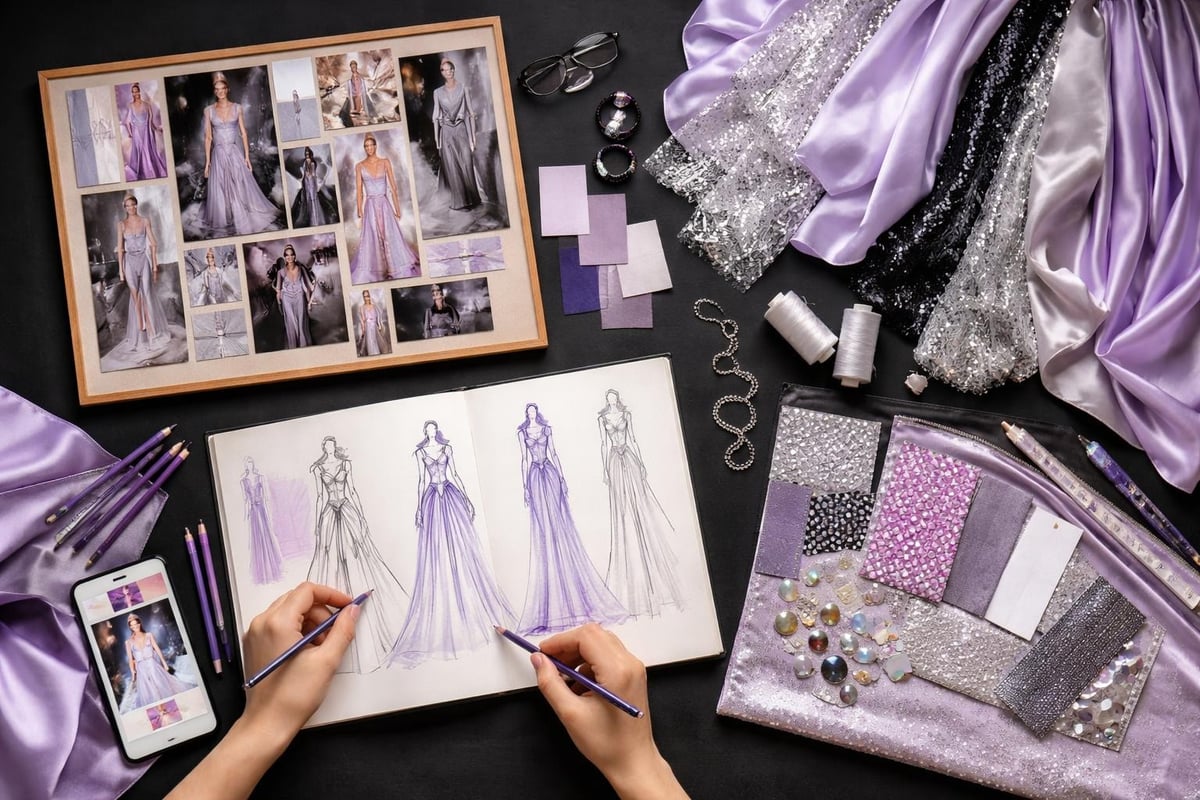
Material selection represents another critical dimension of fashion design. Understanding how different fabrics drape, stretch, and respond to construction techniques directly impacts the final garment's appearance and functionality. Designers must consider not only aesthetic qualities but also practical considerations like care requirements, sustainability, and production costs.
Technical Skills That Define Professional Practice
Modern fashion design demands proficiency across multiple technical disciplines. Pattern making translates creative vision into precise technical specifications that manufacturers can execute. This process requires mathematical precision, spatial reasoning, and extensive knowledge of garment construction.
| Skill Category | Traditional Approach | Contemporary Enhancement |
|---|---|---|
| Sketching | Hand drawing, watercolor | Digital illustration, 3D rendering |
| Pattern Making | Paper patterns, manual drafting | CAD software, parametric design |
| Prototyping | Physical samples, muslin draping | Virtual fitting, digital twins |
| Presentation | Physical lookbooks, runway shows | Digital catalogs, virtual showrooms |
The transition from concept to finished garment involves numerous iterations and refinements. Designers create technical flats that communicate every detail to production teams, develop specification sheets that document measurements and construction methods, and oversee sample development to ensure designs translate correctly from paper to fabric.
Fashion design education has expanded to include digital competencies alongside traditional skills. Students now learn 3D modeling software, digital textile printing techniques, and virtual prototyping tools that complement hand-sketching and draping abilities.
Digital Transformation in Fashion Design Workflows
Technology has revolutionized every stage of the fashion design process, from initial concept development through final production. Digital tools enable designers to work faster, iterate more efficiently, and communicate more effectively with manufacturing partners and consumers.
Computer-aided design (CAD) software has become standard in professional practice. These platforms allow designers to create precise technical drawings, experiment with colorways instantly, and generate production-ready specifications. The shift from analog to digital workflows reduces material waste during the development phase and accelerates time-to-market for new collections.
Key advantages of digital fashion design tools:
- Rapid iteration without material waste
- Precise technical specifications for manufacturing
- Easy collaboration across global teams
- Seamless integration with production systems
- Enhanced visualization for stakeholder presentations
- Digital asset libraries for future reference
Virtual prototyping represents one of the most significant technological advances in fashion design. Designers can now create photorealistic 3D garments, simulate how fabrics drape and move, and visualize collections on virtual models before producing a single physical sample. This capability dramatically reduces development costs and environmental impact while maintaining creative flexibility.
The integration of AI into fashion design workflows extends these benefits further. Machine learning algorithms can analyze trend data, predict consumer preferences, and generate design variations based on specified parameters. These technologies augment rather than replace human creativity, handling repetitive tasks and data analysis while designers focus on innovation and artistic direction.
Visual Content Creation for Fashion Brands
In today's digital marketplace, compelling visual content determines brand success. Fashion design extends beyond the physical garment to encompass how products are presented across e-commerce platforms, social media, and digital marketing channels.
Professional product photography traditionally required expensive studio setups, professional models, and extensive post-production work. This process created bottlenecks for brands launching new collections or testing market response to design variations.
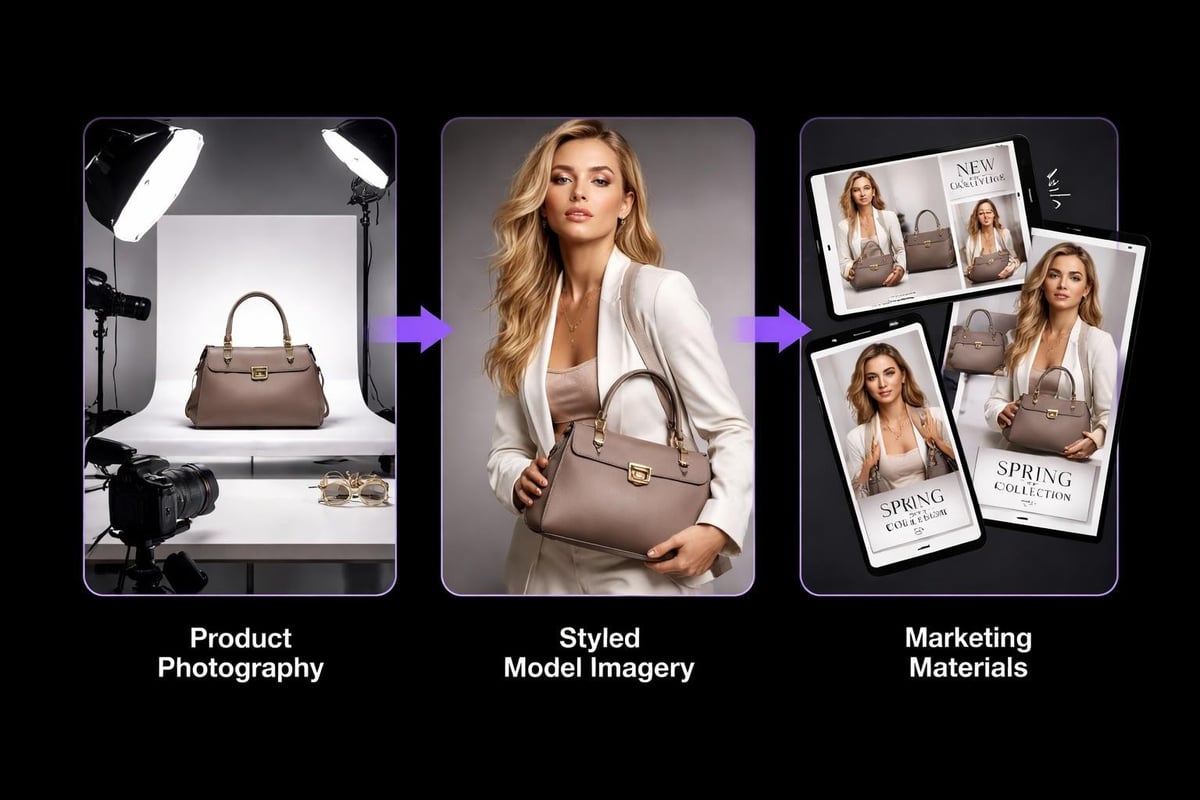
AI-powered visual content tools now enable brands to generate high-quality imagery more efficiently. These technologies can transform simple product shots into fully styled model images, create cohesive lookbooks that maintain brand aesthetic consistency, and produce variations for different markets or demographic segments. The services offered by innovative platforms demonstrate how AI enhances creative output without compromising artistic vision.
Creating Cohesive Brand Narratives Through Design
Fashion design success depends on creating recognizable brand identities that resonate with target audiences. This requires consistency across all touchpoints, from garment silhouettes to visual presentation to marketing messaging.
Developing a signature design aesthetic involves making deliberate choices about:
- Silhouette preferences and proportions
- Color palette restrictions or expansions
- Textile selection philosophies
- Construction detail approaches
- Target customer lifestyle alignment
- Price point positioning strategies
Comprehensive fashion design research resources provide designers with historical context, technical references, and trend analysis tools necessary for informed decision-making. Understanding fashion history prevents unintentional repetition while revealing opportunities for reinterpretation and innovation.
Brand storytelling through fashion design requires understanding how garments communicate values, aspirations, and identity. Each collection should advance an ongoing narrative that deepens customer connections and reinforces brand positioning. This strategic approach transforms fashion design from isolated product creation into cohesive brand building.
Sustainable Innovation in Fashion Design Practice
Sustainability has moved from niche concern to industry imperative. Fashion design in 2026 must address environmental impact, ethical production, and circular economy principles without compromising aesthetic excellence or commercial viability.
Sustainable fashion design strategies include:
- Zero-waste pattern cutting techniques
- Upcycling and material innovation
- Digital sampling to reduce physical waste
- Longevity-focused construction methods
- Transparent supply chain partnerships
- Design for disassembly and recycling
The ProQuest Fashion Studies Collection documents how sustainability considerations have evolved throughout fashion history, providing designers with context for contemporary challenges and precedents for innovative solutions.
Digital tools particularly support sustainability goals by reducing sample production, optimizing material usage, and enabling precise communication that prevents manufacturing errors. Virtual prototyping allows designers to perfect garments digitally before committing resources to physical production.
Material innovation represents another frontier in sustainable fashion design. Designers increasingly work with bio-based textiles, recycled fibers, and innovative manufacturing processes that reduce water consumption and chemical usage. Understanding these new materials requires updated technical knowledge about their properties, limitations, and appropriate applications.
| Sustainability Approach | Design Impact | Implementation Challenge |
|---|---|---|
| Zero-waste patterning | Geometric design constraints | Technical complexity |
| Recycled materials | Limited color/texture options | Inconsistent supply |
| Modular construction | Design for adaptability | Consumer education |
| Digital sampling | Requires new skill sets | Initial technology investment |
Market-Responsive Fashion Design Strategies
Successful fashion design balances creative vision with market realities. Understanding consumer preferences, competitive positioning, and retail requirements ensures designs reach their intended audience and achieve commercial success.
Data-driven design incorporates analytics about customer behavior, sales performance, and trend trajectories. Rather than limiting creativity, this information helps designers make strategic decisions about which innovative concepts to pursue and how to refine designs for maximum market impact.

Contemporary fashion design requires multi-channel thinking. Garments must photograph well for e-commerce, translate effectively across social media platforms, and maintain appeal in physical retail environments. Each channel demands different considerations in terms of detail placement, color intensity, and silhouette proportions.
Leveraging Technology for Competitive Advantage
Fashion brands that integrate advanced technology into their design and presentation workflows gain significant market advantages. The ability to rapidly produce high-quality visual content, test design variations, and respond to emerging trends separates industry leaders from followers.
AI-enhanced workflows enable designers to:
- Generate multiple colorway options instantly
- Visualize collections on diverse model types
- Create seasonal lookbooks with consistent styling
- Produce market-specific imagery variations
- Test design concepts before physical sampling
- Scale visual content production efficiently
These capabilities prove particularly valuable for emerging brands with limited budgets and established companies managing extensive product catalogs. Technology democratizes access to professional-quality visual content that previously required prohibitive investments in photography, modeling, and post-production.
The evolution of fashion design tools continues accelerating. Staying current with technological capabilities while maintaining core design skills positions professionals for long-term success in an industry defined by constant change.
Education and Professional Development Pathways
Fashion design expertise develops through formal education, practical experience, and continuous learning. Multiple pathways lead to professional competency, each offering distinct advantages depending on career goals and learning preferences.
Traditional fashion schools provide comprehensive curricula covering technical skills, design theory, and industry practices. Resources like the University of Cincinnati's Fashion Design Guide support academic learning with curated databases, reference materials, and research tools.
Alternative learning paths include:
- Apprenticeships with established designers
- Online courses and certificate programs
- Self-directed study using industry resources
- Portfolio schools focused on practical skills
- Hybrid programs combining multiple approaches
Professional development extends beyond initial training. Fashion design professionals must continuously update their skills as technologies evolve, sustainability standards advance, and consumer preferences shift. Engaging with resources like fashion databases and research collections keeps designers informed about industry developments and emerging best practices.
Networking within the fashion community provides opportunities for collaboration, mentorship, and career advancement. Industry events, online communities, and professional organizations connect designers with peers, suppliers, and potential clients or employers.
Business Fundamentals for Fashion Designers
Creative talent alone does not guarantee fashion design success. Understanding business principles, marketing strategies, and operational requirements enables designers to build sustainable careers and launch viable brands.
Financial literacy proves essential for independent designers and brand founders. Creating realistic budgets, pricing products appropriately, managing cash flow, and securing funding require skills often overlooked in design-focused education. Many talented designers struggle commercially because they underestimate business complexity or fail to develop necessary operational competencies.
Marketing represents another critical dimension of fashion design business success. Building brand awareness, cultivating customer relationships, and communicating design values require strategic thinking and consistent execution. Digital marketing channels offer cost-effective opportunities for emerging designers but demand time, creativity, and platform-specific knowledge.
| Business Function | Designer Responsibility | Common Challenge |
|---|---|---|
| Product Development | Design to price point targets | Balancing quality and cost |
| Production Management | Vendor relationships, QC | Maintaining consistency |
| Marketing | Brand positioning, content | Standing out in crowded market |
| Sales | Wholesale/retail strategies | Building distribution |
| Finance | Cash flow, profitability | Seasonal revenue fluctuations |
The intersection of creative and commercial considerations defines professional fashion design practice. Designers must advocate for their creative vision while respecting market realities, production constraints, and financial sustainability. This balance requires maturity, flexibility, and strategic thinking that develop through experience and sometimes difficult lessons.
Contemporary fashion design increasingly involves personal brand building. Designers cultivate social media presence, develop distinctive points of view, and create content that resonates with target audiences. This personal branding complements product design, creating multiple touchpoints for audience engagement and commercial opportunity.
Technology platforms that streamline operational aspects of fashion business enable designers to focus more energy on creative work. Automated tools for visual content creation, inventory management, and customer communication reduce administrative burden while maintaining professional standards.
Fashion design in 2026 demands both traditional craftsmanship and technological fluency, combining timeless creative principles with innovative digital tools. As the industry continues evolving, designers who embrace AI-enhanced workflows while maintaining strong design fundamentals will thrive in an increasingly competitive marketplace. Lumoo Studio empowers fashion brands to elevate their visual storytelling through advanced AI technology that transforms product photography into compelling model imagery, creates dynamic lookbooks, and produces engaging content that resonates with target audiences, enabling designers to focus on creativity while technology handles visual production at scale.