The Expert Guide to Fashion Design Company in 2026
Discover how to build a future ready fashion design company in 2026 with expert insights on trends, technology, sustainability, and workflow optimization.

The fashion design company landscape is transforming at an unprecedented pace as 2026 approaches, where creativity, technology, and sustainability converge to redefine the industry. Today’s market demands innovative, agile, and tech-driven solutions to keep up with evolving consumer expectations and global trends.
This expert guide empowers entrepreneurs, designers, and industry leaders with actionable insights to thrive in the future of fashion. Explore key industry trends, discover the latest technology integrations, understand sustainable practices, learn about future-ready company structures, optimize creative workflows, and uncover emerging opportunities shaping the next era of fashion.
Key Trends Shaping Fashion Design Companies in 2026
The fashion design company landscape is being transformed by a wave of innovation, digitalization, and changing consumer values. As we look toward 2026, several key trends are reshaping how brands create, produce, and connect with audiences worldwide. Understanding these shifts is essential for any fashion design company aiming to remain competitive and relevant in a rapidly evolving industry.

The Rise of Digital-First Fashion
A new era is emerging where the fashion design company embraces digital-first strategies. Digital fashion houses are gaining traction, offering virtual-only collections and clothing lines that exist solely online. The expansion of the metaverse and NFT-driven experiences has opened doors for consumers to curate digital wardrobes, with platforms like The Fabricant leading the way. Statistically, the digital fashion market is projected to reach $4.8 billion by 2026, illustrating the immense potential of this shift. To explore a comprehensive overview of these trends, see Lectra's Five Key Fashion Trends for 2026.
Digital fashion is not just about style, but also about speed, accessibility, and innovative consumer engagement. For the modern fashion design company, adapting to this trend means new business models and creative opportunities.
Sustainability and Circular Fashion Models
Sustainability is no longer optional for any fashion design company. Circular design principles are now at the forefront, with brands integrating recycled, upcycled, and biodegradable materials in their collections. The rise of take-back and resale programs demonstrates a commitment to extending product lifecycles and reducing waste. According to McKinsey in 2024, 60 percent of global consumers prioritize sustainability before making a purchase.
This transformation is pushing every fashion design company to rethink sourcing, manufacturing, and end-of-life processes. Sustainable innovation is not just a trend, but a core driver of consumer trust and long-term brand value.
Globalization and Localized Production
Global inspiration meets local action as the fashion design company navigates a more interconnected world. Brands are blending international trends with region-specific manufacturing to enhance speed and sustainability. Nearshoring and micro-factories allow for faster response to market demands, reduce transportation emissions, and enable customization.
Zara’s agile supply chain is a prominent example, showing how localized production can increase responsiveness while minimizing environmental impact. This hybrid approach is critical for the modern fashion design company to balance global reach with local relevance.
Inclusivity and Personalization
The call for inclusivity is changing how a fashion design company develops collections. Consumers now expect size diversity, adaptive clothing, and gender-neutral designs as standard offerings. Technology is also enabling greater personalization, with AI-driven tools providing customized fit and style recommendations.
Tommy Hilfiger’s adaptive clothing line stands out as a leader in accessible design. By embracing inclusivity and leveraging technology, a fashion design company can reach wider audiences and foster deeper brand loyalty.
Data-Driven Design and Consumer Insights
Harnessing data is essential for the forward-thinking fashion design company. Big data analytics enable brands to forecast trends, plan collections, and respond to consumer feedback in real time. Social media and e-commerce analytics provide valuable insights for agile decision-making.
According to Business of Fashion in 2025, 70 percent of leading brands use data analytics to inform their designs. This data-driven approach empowers a fashion design company to anticipate market shifts and deliver products that truly resonate with consumers.
Integrating Technology and AI in Fashion Design
The fashion design company of 2026 is defined by its embrace of cutting-edge technologies and artificial intelligence. From concept to consumer, digital transformation is reshaping every step of the design workflow. These innovations empower teams to move faster, create smarter, and deliver more personalized experiences.
AI-Powered Design Tools and Prototyping
AI-powered tools are revolutionizing how a fashion design company brings ideas to life. Advanced platforms can generate patterns, suggest color palettes, and assist with fabric selection in moments. This accelerates prototyping, reduces manual work, and encourages creative risk-taking.
For example, Adobe’s AI-driven pattern generation allows designers to explore thousands of variations quickly. Other solutions, such as those discussed in the AI-Based Automated Fashion Design System, reflect real-world designer workflows, making the process more intuitive and efficient.
With AI, a fashion design company can iterate on designs faster, minimize costs, and deliver collections that resonate with evolving consumer tastes.
3D Modeling, Virtual Sampling, and Digital Twins
The adoption of 3D modeling platforms is transforming how a fashion design company visualizes garments before production. Tools like CLO 3D and Browzwear let teams create lifelike digital twins of clothing, enabling detailed fit checks, fabric draping, and movement simulation.
Virtual samples reduce the need for physical prototypes, lowering material waste and speeding up the approval process. Designers can share 3D files with partners worldwide, streamlining collaboration and ensuring consistency from sketch to sample.
By leveraging these technologies, a fashion design company can respond to trends quickly while maintaining accuracy in representation and fit.
Automation in Production and Supply Chain
Automation is a game changer for any fashion design company looking to enhance efficiency. Robotics now handle tasks such as fabric cutting, sewing, and quality inspection, which boosts productivity and minimizes human error.
Smart factories equipped with sensors provide real-time inventory tracking and predictive maintenance for equipment. According to McKinsey, 35 percent of companies in this sector plan to automate over half their production processes by 2026.
This shift helps a fashion design company reduce costs, increase speed to market, and ensure consistent product quality across collections.
Enhancing Customer Experience with AR/VR
Augmented and virtual reality are redefining how a fashion design company engages customers. Virtual try-ons allow shoppers to see garments on themselves using only a smartphone. Immersive showrooms and interactive lookbooks create engaging experiences that drive conversion rates.
Gucci’s AR sneaker try-on app is a prime example of how brands use these technologies to bridge the gap between online and physical retail. For a modern fashion design company, integrating AR/VR elevates brand perception and increases customer satisfaction.
AI-Driven Personalization and Recommendation Engines
Machine learning enables a fashion design company to deliver hyper-personalized shopping experiences. AI analyzes user data to suggest products that fit individual preferences, predict sizing, and curate style advice.
These recommendation engines can boost sales by up to 15 percent, based on Accenture’s findings. Fit prediction algorithms minimize returns, while style curation enhances loyalty and engagement.
Personalization is now a core expectation, and a forward-thinking fashion design company leverages AI to exceed these demands.
Lumoo Studio: AI Solutions for Fashion Design Companies
Lumoo Studio offers an end-to-end AI platform tailored for the fashion design company of tomorrow. Its suite includes:
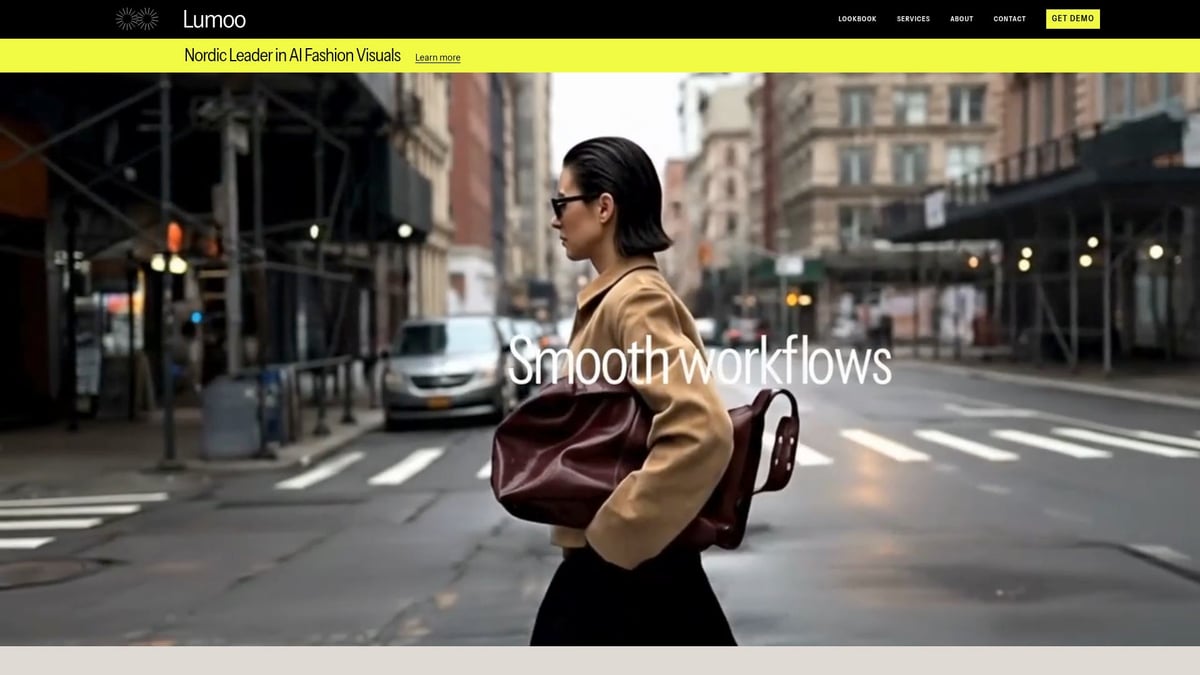
- Lumoo Alive: Converts sketches into digital assets instantly
- Lumoo ID: Shapes and refines brand identity
- Lumoo Sizes: Visualizes inclusive sizing options
- Lumoo VTO: Powers virtual try-on experiences
- Lumoo Flow: Automates dynamic content creation
- Lumoo StoryLook: Builds digital lookbooks effortlessly
Brands use Lumoo Studio to streamline design-to-market processes, foster inclusivity, and maintain brand consistency across channels. This integrated approach supports rapid content creation, collaborative workflows, and compelling digital storytelling—a must for any ambitious fashion design company in 2026.
Building a Future-Ready Fashion Design Company Structure
Adapting to the evolving landscape of 2026 demands that every fashion design company rethink its organizational structure. Modern companies must embrace agility, innovation, and inclusivity to stay competitive.

Organizational Models for 2026
Selecting the right structure is crucial for a future-ready fashion design company. Many are shifting from rigid hierarchies to flat, agile frameworks. This transition supports faster decision-making and creative freedom.
Cross-functional collaboration is gaining traction. Teams blend design, technology, and marketing expertise. For instance, agile squads at Nike and Adidas have enabled rapid product development and market responsiveness.
| Model | Pros | Cons |
|---|---|---|
| Flat | Fast, flexible, creative | Can lack direction |
| Hierarchical | Clear roles, stability | Slower innovation |
| Agile Squad | Cross-skilled, adaptive | Requires buy-in |
Organizational models must fit the unique needs of each fashion design company, supporting both creativity and efficiency.
Essential Roles and New Skillsets
A successful fashion design company in 2026 relies on hybrid talent. The rise of roles like designer-technologist and sustainability officer reflects the merging of creative and technical expertise.
Continuous learning is essential. As digital skills become vital, upskilling is a priority for companies aiming to lead. According to the World Economic Forum, 40 percent of fashion jobs will require digital expertise by 2026.
AI and data analytics are now integral, transforming how trends are predicted and collections are planned. For deeper insights, explore how AI Integration in Fashion Trend Forecasting is reshaping the industry.
Upskilling programs and cross-training ensure a fashion design company remains resilient and innovative.
Remote Work, Collaboration, and Global Teams
Remote and hybrid work models are now standard for a fashion design company. These structures attract top talent globally and promote flexibility.
Seamless collaboration is supported by digital tools like Slack, Asana, and Miro. Remote-first startups can outpace traditional in-house studios by leveraging diverse perspectives and faster communication.
To maximize productivity, companies invest in virtual design sprints and online feedback sessions. This approach helps every fashion design company tap into a worldwide talent pool while maintaining creative momentum.
Diversity, Equity, and Inclusion (DEI) Initiatives
Embedding DEI into the core of a fashion design company is no longer optional. Companies that prioritize diversity, equity, and inclusion see greater innovation and broader market appeal.
A strong DEI culture leads to better talent retention and stronger brand reputation. According to McKinsey, companies with high DEI scores outperform their peers by 25 percent.
Initiatives include inclusive hiring, accessible design, and regular bias training. These steps ensure a fashion design company stays relevant and reflects the diversity of its consumers.
Leadership and Change Management
Effective leadership is vital for navigating digital transformation in a fashion design company. Leaders must foster a culture of innovation and adaptability.
CEO-led innovation labs and mentorship programs are becoming standard. These efforts encourage experimentation and knowledge sharing across teams.
Change management strategies, such as transparent communication and continuous feedback, help teams embrace new technologies and workflows. By prioritizing visionary leadership, a fashion design company can stay ahead of industry disruption.
Sustainable and Ethical Practices for 2026
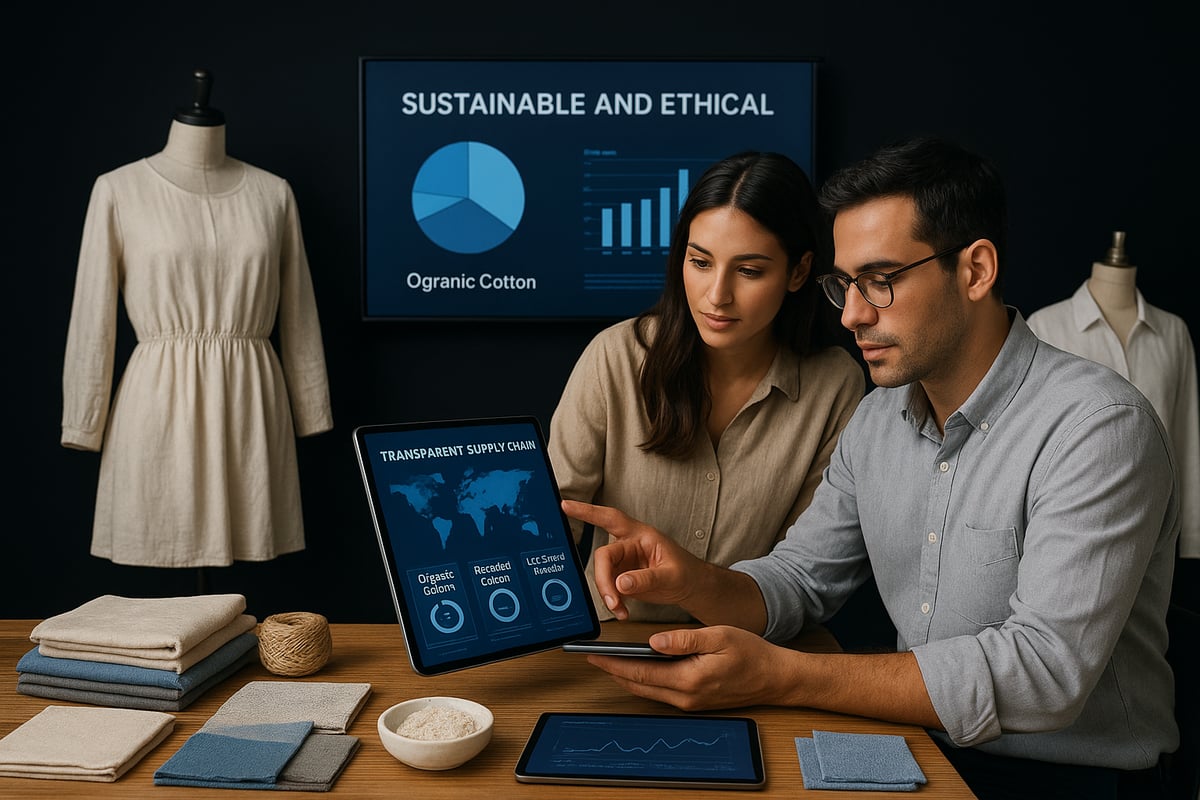
Sustainability and ethics are rapidly moving from buzzwords to core pillars within every leading fashion design company. As we approach 2026, brands are weaving eco-consciousness and social responsibility into the very fabric of their operations. These practices are not only shaping industry standards but also becoming essential for gaining consumer trust and future-proofing business models.
Eco-Friendly Materials and Processes
A forward-thinking fashion design company in 2026 prioritizes eco-friendly materials and production methods. Organic cotton, recycled polyester, and innovative lab-grown textiles are becoming industry staples. Waterless dyeing technologies and low-impact manufacturing further reduce environmental footprints.
Brands like Stella McCartney are pioneering the use of alternatives such as mushroom leather, offering both style and sustainability. The adoption of these materials is not just a trend but a necessity, as consumers increasingly demand transparency and accountability from every fashion design company.
Sourcing and production choices are evaluated for their environmental effects, with many brands investing in research and partnerships to discover greener options. This conscious approach sets a new benchmark for the entire sector.
Circular Design and Zero-Waste Initiatives
Circularity is transforming how a fashion design company approaches product development. By designing garments for longevity, repair, and recyclability, companies aim to minimize waste throughout the lifecycle. Zero-waste pattern cutting and closed-loop manufacturing systems are gaining traction, substantially reducing offcuts and landfill contributions.
According to the Ellen MacArthur Foundation, circular fashion is projected to cut industry waste by 30 percent by 2026. Brands are launching take-back schemes and resale platforms to extend product life and foster responsible consumption.
These initiatives not only protect the environment but also resonate with consumers seeking meaningful engagement with the brands they support. Rethinking waste is now a competitive advantage for any innovative fashion design company.
Transparent Supply Chains and Traceability
Transparency in sourcing and manufacturing is a top priority for the modern fashion design company. Blockchain technology and digital product passports enable brands to share detailed information about a garment’s origin, materials, and labor practices.
Consumers are increasingly aware of ethical sourcing, demanding proof that their purchases align with their values. Everlane’s “Radical Transparency” model exemplifies this shift, offering clear insight into every step of the supply chain.
Traceability tools also help companies identify risks and maintain compliance with global regulations. By making supply chains visible, brands build stronger relationships with customers and set higher standards for the industry.
Social Responsibility and Fair Labor
A fashion design company’s reputation is closely tied to its commitment to fair labor and social responsibility. Ensuring living wages, safe working conditions, and investing in local communities are now expected business practices.
Compliance with international labor standards and certifications is crucial, as 72 percent of consumers are more likely to buy from brands with strong social values (Nielsen, 2025). Companies are also supporting initiatives that empower workers, promote diversity, and foster inclusive workplaces.
By prioritizing people as much as products, brands create lasting value and loyalty. Social impact is no longer optional for any fashion design company aiming for long-term success.
Measuring and Reporting Impact
Quantifying and communicating progress is essential for any sustainable fashion design company. Environmental, Social, and Governance (ESG) metrics, lifecycle assessments, and carbon tracking tools are becoming standard.
Innovations such as Textile IR: Physics-Aware Fashion CAD connect design, simulation, and lifecycle analysis, enabling brands to make data-driven decisions and improve transparency. H&M’s use of sustainability scorecards demonstrates how impact reporting drives accountability and continuous improvement.
Regular, credible reporting builds consumer trust and helps companies stay ahead of regulatory changes. In 2026, sustainability is not just about actions but about proving and sharing results with clarity.
Optimizing Workflow and Creative Processes
Optimizing workflow and creative processes is essential for any fashion design company aiming to stay competitive in 2026. Streamlined operations, digital tools, and agile methodologies enable brands to respond quickly to trends, reduce costs, and foster innovation. Let us explore how a fashion design company can build efficient, future-ready workflows.
Agile Design and Collection Development
Adopting agile methodologies allows a fashion design company to accelerate the journey from concept to store. Iterative design sprints and rapid prototyping cycles are now standard practice. Teams gather feedback from buyers and end-users early, refining designs in real time.
Key elements of agile collection development include:
- Short, focused design sprints
- Continuous feedback integration
- Rapid prototyping and testing
Zara’s two-week concept-to-store model is a prime example, proving that an agile approach helps a fashion design company respond swiftly to market demands while minimizing waste.
Digital Asset Management and Content Creation
A modern fashion design company relies on centralized digital asset management (DAM) platforms to organize and streamline creative assets. These systems store, share, and edit files, keeping design materials accessible and secure for global teams.
Benefits of DAM platforms:
- Faster retrieval of design files
- Consistent branding across channels
- Automated content creation for lookbooks and campaigns
For instance, Bynder and Brandfolder empower a fashion design company to automate content workflows, ensuring teams can focus on creativity rather than administrative tasks.
Collaboration Between Creative and Technical Teams
Bridging the gap between creative minds and technical experts is vital for a fashion design company’s success. Integrated project management tools, like Slack, Asana, and Miro, foster seamless communication and cross-functional teamwork.
Effective collaboration strategies include:
- Joint workshops and brainstorming sessions
- Shared key performance indicators (KPIs)
- Cross-department “design jams” to encourage innovation
By nurturing collaboration, a fashion design company can deliver cohesive collections and campaigns that blend creativity with technical precision.
Quality Control and Iterative Improvement
Maintaining high product quality requires real-time monitoring and agile feedback loops. A fashion design company uses digital tools to track performance, gather customer feedback, and implement improvements throughout the design process.
Data-driven decision-making enables teams to:
- Identify and resolve issues quickly
- Continuously optimize workflows
- Reduce lead times by up to 50% (BCG, 2025)
By embedding quality control into every stage, a fashion design company ensures each collection meets industry standards and consumer expectations.
Opportunities and Challenges for Fashion Design Companies in 2026
As the fashion industry accelerates toward 2026, every fashion design company faces a landscape rich with both opportunities and complex challenges. Success will depend on the ability to anticipate shifts, adapt quickly, and leverage new technologies while maintaining a strong brand identity.
Emerging Markets and New Consumer Segments
Emerging markets are reshaping the global stage for every fashion design company. Rapid economic growth in regions like Asia-Pacific and Africa is driving a surge in demand for locally relevant, culturally attuned fashion. Gen Z and Gen Alpha consumers are also influencing design priorities, favoring brands that reflect their values and offer customization.
A fashion design company must understand regional tastes and invest in research to capture these audiences. According to Statista, Asia-Pacific will represent 40 percent of global fashion sales by 2026. Companies that tailor products for new segments and embrace digital channels will be best positioned to thrive.
Navigating Regulatory and Compliance Changes
Adapting to evolving regulations is a critical challenge for any fashion design company. Governments worldwide are introducing stricter rules on sustainability, data privacy, and labor practices. The EU Digital Product Passport initiative, for example, will require brands to provide detailed product traceability.
A fashion design company must be proactive about compliance by establishing clear protocols and monitoring regulatory updates. Preparing for extended producer responsibility and digital labeling ensures smoother market access. Staying ahead of legal changes minimizes risk and strengthens consumer trust.
Managing Digital Risks and Cybersecurity
Digital transformation opens new vulnerabilities for a fashion design company. Protecting intellectual property, customer data, and design assets is crucial in a world where cyber threats are increasing. A recent Deloitte report found that 30 percent of fashion companies experienced higher cyber risks after 2024.
To safeguard operations, a fashion design company should implement robust cybersecurity protocols, regular staff training, and secure cloud infrastructure. Prioritizing digital risk management not only protects assets but also preserves brand reputation in a hyper-connected industry.
Innovating Amidst Uncertainty and Disruption
Innovation is the lifeblood of a successful fashion design company in uncertain times. The ability to pivot—whether shifting to digital-only launches or reconfiguring supply chains—can mean the difference between thriving and falling behind. Scenario planning and proactive risk management help companies prepare for market volatility and technology disruption.
Brands that foster resilience, invest in digital tools, and encourage creative thinking will be better equipped to handle industry shocks. A fashion design company must view disruption as an opportunity to reinvent and lead the market with agility.
As we look ahead to 2026, it’s clear that thriving in fashion design means embracing the possibilities of AI, digital innovation, and meaningful storytelling. If you’re ready to elevate your brand’s visuals, streamline workflows, or connect with your audience in new ways, why not explore how Lumoo Studio’s tools can support your journey? You don’t have to imagine the future alone—you can see it in action. Discover firsthand how Lumoo Studio can help you turn creative ideas into dynamic, market-ready visuals that set your brand apart. Get Demo