9 Essential Fashion Design Models to Watch in 2026
Discover the 9 essential fashion design models set to redefine 2026 with innovation, diversity, and technology. Explore future trends and industry insights now.

Fashion is evolving at a breathtaking pace, and the spotlight is now on a new wave of fashion design models who are shaping the industry’s future. In 2026, these models are not only redefining beauty but also driving creativity, inclusivity, and technological innovation.
From digital influencers to sustainability advocates, each of these nine fashion design models brings a fresh perspective and unique story. Their influence is setting new standards and inspiring both brands and audiences worldwide. Ready to discover the faces leading fashion’s next chapter? Let’s explore who is making a lasting impact.
The New Face of Fashion: Why Models Matter in 2026
The world of fashion is changing rapidly, and the role of fashion design models is evolving alongside it. In 2026, the definition of a model extends far beyond the traditional catwalk. Today’s fashion design models are at the intersection of creativity, technology, and advocacy, shaping trends and influencing public perception like never before.
Redefining Fashion Design Models in the Digital Age
Fashion design models now embody a broader spectrum of identities and talents. No longer limited to specific body types or backgrounds, the industry is embracing individuals who bring unique perspectives and stories. This shift reflects a deeper understanding that fashion design models are not just faces for brands, but storytellers and cultural translators.
The digital age has accelerated this transformation. Models are discovered on global platforms, and their influence stretches across continents. With a single post, a fashion design model can spark conversations and trends that reverberate worldwide.
The Power of Social Media and Technology
Social media continues to be a game-changer for fashion design models. Platforms like Instagram, TikTok, and emerging virtual spaces offer a stage for models to showcase their personalities, values, and creativity. This visibility enables fashion design models to build personal brands, connect with followers, and even launch their own product lines.
Technology also allows for real-time feedback from audiences, making campaigns more interactive. Designers and brands now seek out models who can authentically engage communities, amplifying reach and impact.
Diversity and Representation: A New Standard
Diversity is no longer a trend, but an expectation. Fashion design models in 2026 represent a wide range of ethnicities, genders, body types, and abilities. This commitment to inclusivity is reshaping the industry at every level. According to Statista, there has been a 35% increase in diverse casting since 2023. Such progress highlights the growing demand for authentic representation.
Campaigns are now celebrated for featuring fashion design models of all backgrounds. Body positivity and size inclusivity are at the forefront, challenging outdated norms and making fashion accessible to everyone.
Models as Multifaceted Influencers
Today’s fashion design models do more than wear clothes. They act as brand ambassadors, activists, and creative collaborators. Many use their platforms to advocate for social causes, from sustainability to mental health, influencing both the industry and wider society.
Their voices matter as much as their images. Brands increasingly partner with models who align with their values, recognizing that genuine advocacy strengthens brand trust. This new dynamic positions fashion design models as key players in shaping narratives and driving change.
The AI Revolution and the Future of Modeling
Artificial intelligence is revolutionizing the world of fashion design models. Virtual models and AI-generated visuals are becoming common in campaigns, offering brands new ways to reach audiences. These innovations increase diversity, speed, and creative possibilities while reducing costs. As explored in AI models in fashion campaigns, AI is not replacing human models but expanding the definition of what is possible.
Industry leaders agree that the most essential fashion design models in 2026 are those who adapt, inspire, and break boundaries. By blending technology, advocacy, and artistry, they are redefining what it means to lead the industry.
9 Essential Fashion Design Models to Watch in 2026
The landscape of fashion design models in 2026 is more dynamic and diverse than ever before. This new generation is setting trends, breaking boundaries, and influencing every corner of the industry. From tech integration to cultural representation, these nine trailblazers are shaping what it means to be a model in the evolving world of fashion design models.
1. Ava Chen: The Tech-Forward Muse
Ava Chen has rapidly become a standout figure among fashion design models, blending her Shanghai roots with a passion for technology. Her journey began in traditional runway shows, but she quickly pivoted to exploring how digital innovation could revolutionize fashion.
Ava is recognized for integrating wearable technology and digital fabrics into her work. Her collaborations with major tech brands have resulted in runway moments where garments change color or texture in real time, captivating audiences worldwide.
She stands out among fashion design models for leading the first AR-enhanced fashion week finale in 2025. Her viral campaigns in the Metaverse have attracted futurist designers and Gen Z consumers eager for immersive experiences.
Key Features:
- Wearable technology integration
- Digital fabric showcases
- AR and Metaverse fashion events
Pros: Pushes creative boundaries and inspires tech adoption.
Cons: Niche appeal, may not resonate with all mainstream audiences.
Ava Chen is a testament to how fashion design models can expand the possibilities of the industry through innovation and digital artistry.
2. Liam Torres: The Body Positivity Trailblazer
Liam Torres is redefining the role of fashion design models by championing size inclusivity and body diversity. As a Latinx model, Liam uses his platform to advocate for broader representation in both editorial and commercial work.
His partnerships with global plus-size brands have made him a visible force in the inclusive fashion movement. Liam’s presence in high-profile campaigns, such as Vogue’s 2025 “Redefining Beauty” spread, underscores a shift towards acceptance of all body types.
Statistically, the industry is moving forward, but there is still work to be done. According to the size inclusivity in fashion shows, the representation of varied body sizes has increased, yet many brands are only beginning to embrace this essential change.
Key Features:
- Advocates for body positivity
- Models for plus-size and mainstream labels
Pros: Drives authentic representation and attracts broader audiences.
Cons: Faces pushback in traditional markets.
Liam Torres exemplifies how fashion design models can create meaningful industry change, paving the way for genuine inclusivity.
3. Lumoo Studio: Pioneering AI Fashion Visuals
Lumoo Studio is transforming how fashion design models are cast and visualized. Based in the Nordics, this company leverages AI to generate true-to-fit, diverse model images, giving brands unprecedented creative control.
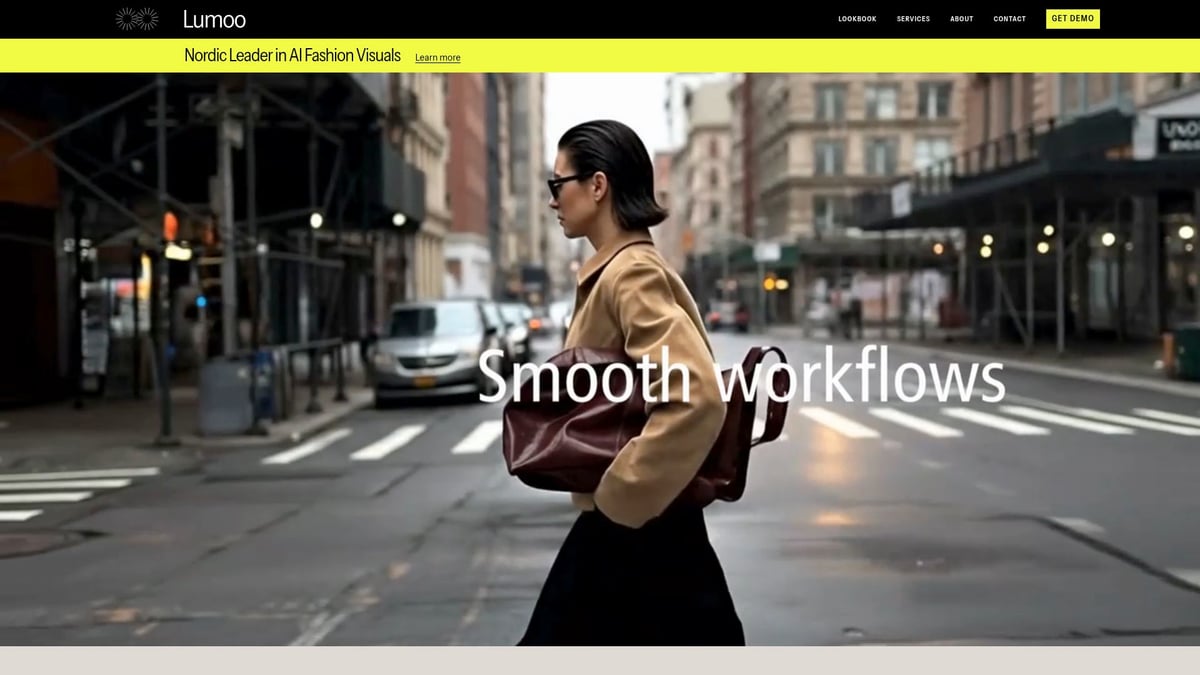
Their platform enables designers and marketers to quickly scale campaigns with models tailored to their brand’s aesthetic. Lumoo’s technology supports inclusivity by generating images across a spectrum of body types, skin tones, and styles.
A standout example: Lumoo powered digital lookbooks for leading European brands in 2025, delivering consistent, brand-aligned visuals at speed.
Key Features:
- AI-powered model creation
- Dynamic campaign assets
- Custom visualization tools
Pros: Speed, scalability, inclusivity, brand consistency.
Cons: Requires ongoing tech investment and adaptation.
With flexible pricing and demo options, Lumoo Studio demonstrates how fashion design models are evolving with digital innovation, offering new levels of efficiency and diversity.
4. Zara N’Dour: The Sustainability Advocate
Zara N’Dour is among the most influential fashion design models driving sustainability in the industry. Hailing from Senegal, Zara uses her platform to promote eco-friendly brands and ethical production practices.
Her social media campaigns spotlight green initiatives, encouraging both consumers and designers to prioritize sustainability. Zara’s role in the UN-backed “Green Runway” initiative in 2025 brought attention to the importance of conscious fashion.
Key Features:
- Eco-fashion advocacy
- Highlights sustainable collections
- Social impact campaigns
Pros: Elevates environmental awareness and aligns with global trends.
Cons: Limited to brands with strong sustainability credentials.
Zara N’Dour’s work illustrates how fashion design models can inspire positive change, making sustainability a central theme in the industry’s evolution.
5. Mila Petrova: The Adaptive Fashion Icon
Mila Petrova is breaking barriers for fashion design models with disabilities. Originating from Eastern Europe, Mila is a leading advocate for adaptive and accessible fashion, pushing designers to reimagine their collections for people of all abilities.
She inspires brands to create clothing that balances style and functionality. Mila’s appearance at Paris Fashion Week 2025 for Tommy Adaptive highlighted the potential of inclusive design.
Key Features:
- Champions adaptive fashion
- Inspires accessible collections
- Raises awareness for disability inclusion
Pros: Promotes accessibility and sparks design innovation.
Cons: Still faces limited mainstream visibility.
Mila Petrova exemplifies how fashion design models can expand the definition of beauty and accessibility, influencing the future of adaptive fashion.
6. Jasper Lee: The Gender-Fluid Visionary
Jasper Lee, a non-binary model from Seoul, is at the forefront of redefining gender roles among fashion design models. Jasper fluidly moves between menswear and womenswear, challenging traditional norms and expanding creative possibilities.

Their prominence in gender-neutral campaigns, such as Gucci’s “Beyond Binary” in 2025, has helped brands reach Gen Z and Millennial buyers seeking authenticity.
Key Features:
- Models across gender categories
- Promotes gender-neutral fashion
- Featured in global campaigns
Pros: Expands creative options and attracts younger demographics.
Cons: May face resistance in conservative markets.
Jasper Lee’s work showcases how fashion design models can lead cultural shifts, making gender inclusivity a vital part of modern fashion.
7. Priya Kapoor: The Cultural Crossover Star
Priya Kapoor is bridging Eastern and Western aesthetics as one of the most versatile fashion design models today. With Indian-British heritage, Priya fuses traditional motifs with modern trends, making her a top choice for international campaigns.
She opened Chanel’s “Global Harmony” show in Mumbai in 2025, demonstrating her ability to resonate with global audiences while navigating cultural nuances.
Key Features:
- Celebrates multiculturalism
- Integrates traditional and modern styles
- Sought after by global brands
Pros: Enhances cultural representation and appeals to a broad audience.
Cons: Navigates complex cultural sensitivities.
Priya Kapoor is a prime example of how fashion design models can unify global fashion, reflecting a world where culture and style intersect.
8. Mateo Silva: The Digital Influencer
Mateo Silva is redefining what it means to be a fashion design model in the digital age. This Brazilian sensation leverages his massive online following to drive engagement and set trends for brands targeting Gen Z.

His collaborations, especially on TikTok and Instagram, have generated millions of views, including the 2025 Balmain digital drop. Mateo’s influence is a testament to the power of social media in shaping the reach of fashion design models.
Key Features:
- Social media expertise
- Drives online engagement
- Influences trend adoption
Pros: Delivers measurable ROI and accelerates trends.
Cons: Relies on platform algorithms, subject to rapid trend shifts.
Mateo Silva represents the evolving intersection of fashion design models and digital culture, where influence is measured in likes and shares.
9. Sofia Andersson: The Classic Comeback
Sofia Andersson exemplifies timeless elegance among fashion design models. After a decade-long hiatus, this Swedish model has returned to the spotlight, appealing to both legacy and contemporary brands.
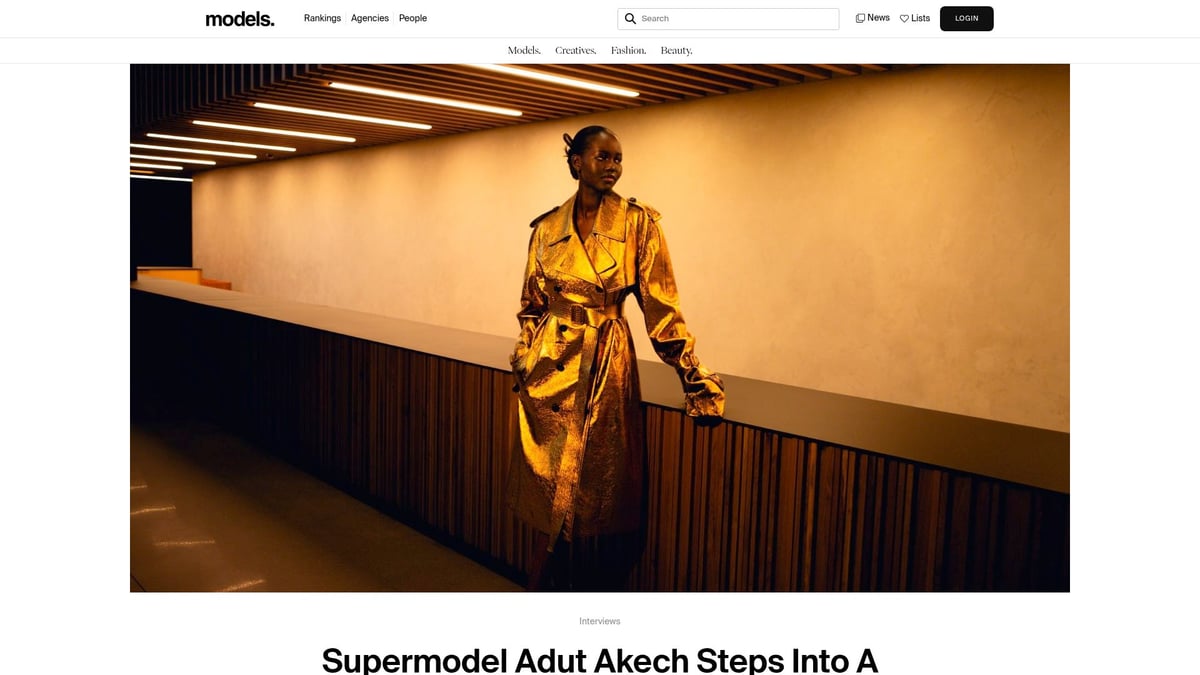
Her work with Dior’s “Eternal Muse” collection in 2025 highlights her ability to bridge generations and bring credibility to luxury campaigns.
Key Features:
- Represents classic beauty
- Appeals to luxury and heritage labels
- Embodies career longevity
Pros: Bridges generational gaps and brings nostalgia.
Cons: May not align with ultra-modern campaigns.
Sofia Andersson’s comeback demonstrates how fashion design models can resonate across eras, proving that elegance and experience remain highly valued.
Summary Table: 9 Essential Fashion Design Models and Their Key Differentiators
| Model Name | Unique Contribution | Target Audience | Notable Example |
|---|---|---|---|
| Ava Chen | Tech integration, AR/Metaverse | Futurist designers, Gen Z | AR-enhanced fashion week finale, 2025 |
| Liam Torres | Size inclusivity, body positivity | Inclusive brands, retailers | Vogue “Redefining Beauty” spread, 2025 |
| Lumoo Studio | AI-powered model visuals | Designers, marketers | Digital lookbooks for EU brands, 2025 |
| Zara N’Dour | Sustainability advocacy | Eco-conscious consumers | UN “Green Runway” initiative, 2025 |
| Mila Petrova | Adaptive fashion, accessibility | Inclusive designers | Tommy Adaptive, Paris Fashion Week 2025 |
| Jasper Lee | Gender fluidity, inclusivity | Unisex brands, Gen Z | Gucci “Beyond Binary” campaign, 2025 |
| Priya Kapoor | Cultural fusion, global appeal | International brands | Chanel “Global Harmony” show, 2025 |
| Mateo Silva | Digital influence, engagement | Gen Z, digital-first | Balmain digital drop, 2025 |
| Sofia Andersson | Classic elegance, longevity | Luxury, heritage labels | Dior “Eternal Muse” collection, 2025 |
These fashion design models are not only influencing trends but also setting the standards for diversity, technology, and creativity in the industry’s future.
How These Models Are Shaping Fashion’s Future
The next wave of fashion design models is not just walking runways, they are rewriting the rules of the industry. Their influence has sparked a shift in attitudes, aesthetics, and strategies, creating a more inclusive and innovative future for fashion. By embracing authenticity, technology, and diversity, these trailblazers are setting new standards for what it means to be a model in 2026.
Breaking Stereotypes and Building New Narratives
Fashion design models in 2026 are breaking free from outdated stereotypes. They are no longer defined by narrow standards of beauty or uniformity. Instead, they stand for creativity, inclusion, and self-expression. Each model highlighted in this list has challenged traditional norms, whether by showcasing adaptive fashion, celebrating body positivity, or representing a blend of global cultures.
Consider the impact of campaigns like Gucci’s “Beyond Binary” or Vogue’s “Redefining Beauty,” which have set new benchmarks for representation. These projects have not only reimagined the aesthetics of fashion but have also empowered communities that were once overlooked.
Here is a snapshot of the industry’s progress:
| Year | Non-Traditional Model Bookings (%) |
|---|---|
| 2023 | 25 |
| 2024 | 32 |
| 2025 | 40 |
Brands aligning with these fashion design models benefit in several ways:
- Increased authenticity and loyalty from consumers
- Broader audience reach across age, culture, and identity
- Enhanced storytelling that resonates on a personal level
The rise in non-traditional bookings reflects a hunger for genuine stories and bold new perspectives. As authenticity becomes the currency of modern fashion, these models are leading the way.
The Role of Technology and AI in Model Selection
The rapid integration of technology is reshaping how fashion design models are selected, cast, and presented. AI-driven platforms like Lumoo Studio are enabling brands to visualize diverse campaigns quickly and at scale. This shift has opened doors for models who may have once been excluded by traditional agencies, while also sparking new creative possibilities.
AI-generated visuals are predicted to make up 25% of campaign assets by 2027, streamlining the design process and expanding representation. Yet, this progress brings important questions about the future of modeling careers and the ethical considerations of digital avatars. According to AI's impact on fashion models, traditional models are both adapting and expressing concerns about job security and authenticity as AI becomes more prominent.
Brands leveraging these tech-forward solutions find themselves at the forefront of innovation. They gain speed, flexibility, and the ability to reach new markets with precision. At the same time, the role of fashion design models continues to evolve, blending human creativity with digital advancement in ways that promise an exciting, dynamic future for the industry.
What to Expect: Trends and Opportunities for Brands and Designers
The landscape for fashion design models in 2026 is evolving at a rapid pace. Brands and designers must stay alert to emerging shifts that are redefining the industry. The new generation of fashion design models is shaping trends that will influence every aspect of creative direction and consumer engagement.
Key Trends Shaping Fashion in 2026
The most impactful trends are driven by the new wave of fashion design models:
| Trend | Description |
|---|---|
| Inclusivity | More diverse casting, body positivity, and authentic representation. |
| Tech Integration | Use of AI, AR, and digital platforms in campaigns and casting. |
| Sustainability | Focus on eco-friendly materials and ethical production. |
| Global Fusion | Blending of cultural influences and international aesthetics. |
Inclusivity is now a top priority, yet challenges remain. The Fashion industry's diversity challenges highlight the importance of ongoing change in leadership and casting. Technology and sustainability are no longer optional but essential for relevance.
Seizing New Opportunities
Brands and designers who embrace these shifts in fashion design models can unlock significant advantages. By innovating in model selection and campaign design, they can reach new audiences and build stronger consumer loyalty. Tech-driven solutions, such as AI-powered casting and digital lookbooks, enable faster, more adaptive marketing.
Authentic storytelling, rooted in real experiences and diverse backgrounds, sets brands apart in a crowded market. The business case for adopting these new model archetypes is clear: it delivers measurable growth, enhances brand reputation, and secures long-term relevance.
Practical Tips for the Future
To thrive, brands and designers should:
- Invest in AI and digital tools that support diverse model selection.
- Prioritize authentic representation in all campaigns.
- Foster sustainability at every stage of production.
- Blend global influences for broader cultural appeal.
- Tell stories that resonate with real people.
As fashion design models continue to break barriers, expect 2026 to set new standards for creativity, inclusivity, and innovation. The brands that adapt quickly will lead the industry into a bold new era.
As we look ahead to the future of fashion, it is clear that innovation, inclusivity, and technology are reshaping what it means to stand out in this dynamic industry. If you are inspired by the groundbreaking models and digital solutions highlighted here, why not see how next-generation AI tools can elevate your own brand’s visual storytelling? Experience firsthand how Lumoo Studio’s advanced platform empowers you to create compelling, diverse model visuals that truly resonate with your audience. Curious to explore the possibilities for your collections? Get Demo