Fashion Features: AI Technology Transforming Retail
Discover how fashion features powered by AI technology are revolutionizing retail. Learn about virtual try-on, dynamic visuals, and automated sizing.
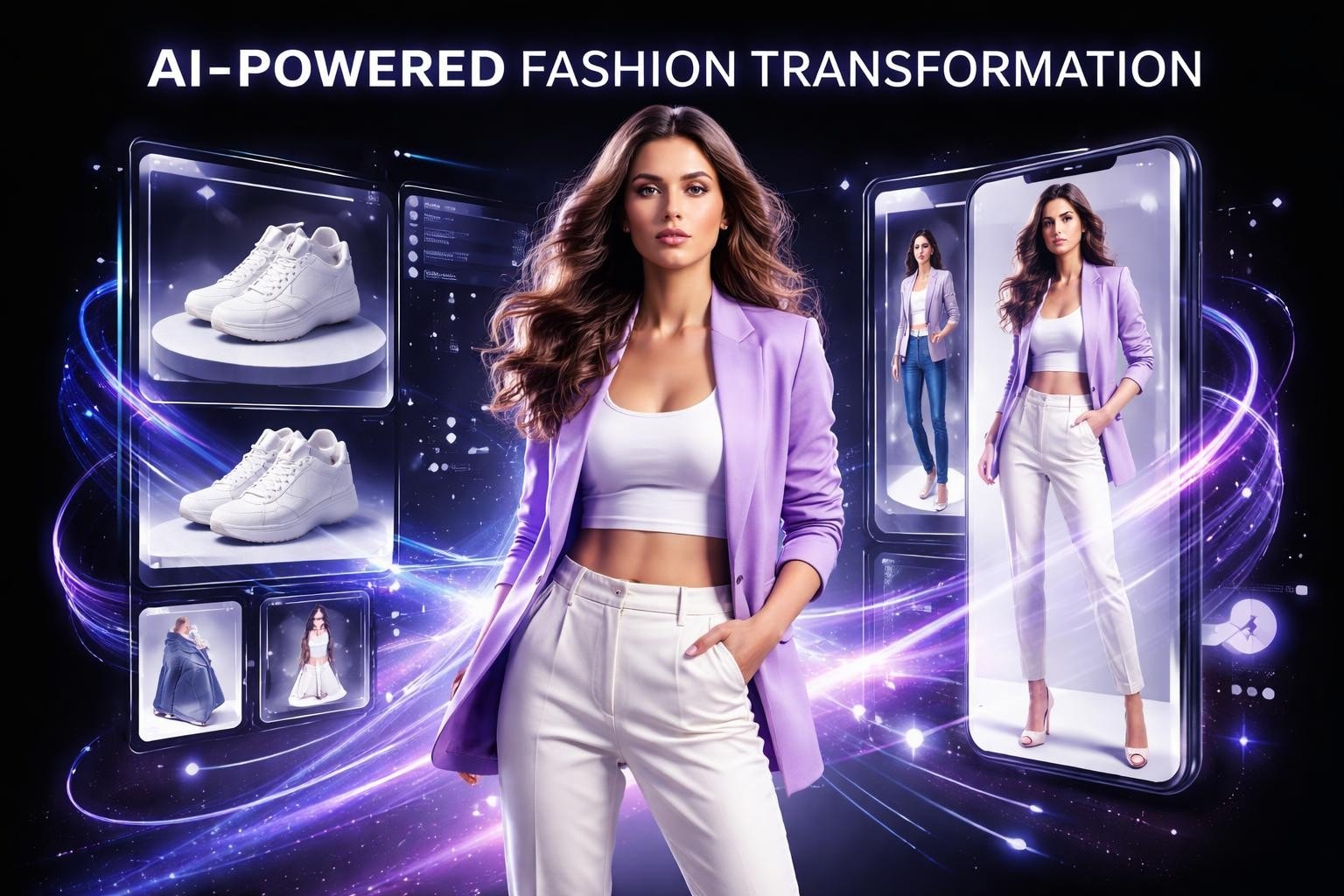
The modern fashion industry operates at the intersection of creativity and technology, where innovation drives competitive advantage. Fashion features have evolved from simple product displays to sophisticated AI-powered systems that transform how brands present, market, and sell their collections. These technological capabilities enable retailers to create immersive shopping experiences, reduce return rates, and connect more effectively with their target audiences. Understanding which fashion features deliver the most value helps brands make strategic investments that drive measurable results.
The Evolution of Modern Fashion Features
The landscape of retail technology has shifted dramatically over the past decade. Traditional fashion features once consisted primarily of static product photography and basic size charts. Today's capabilities extend far beyond these fundamentals.
Digital Transformation in Fashion Retail
AI technology now powers sophisticated fashion features that generate model imagery from simple packshots, create virtual try-on experiences, and produce engaging video content at scale. This transformation reflects broader changes documented in digital fashion practices, where virtual garments and AI-driven visualization tools reshape industry standards.
Key technological advances include:
- Automated model image generation from flat product photography
- Virtual try-on capabilities that show garments on diverse body types
- Dynamic video creation that brings still images to life
- Intelligent sizing recommendations based on customer data
- Automated lookbook generation with styled outfits
The shift toward these advanced fashion features responds to changing consumer expectations. Modern shoppers demand personalized experiences, diverse representation, and confidence in their purchase decisions before checkout.
Essential Fashion Features for Brand Success
Different fashion features serve distinct purposes within the customer journey. Understanding these capabilities helps brands prioritize their technology investments.
Visual Content Generation
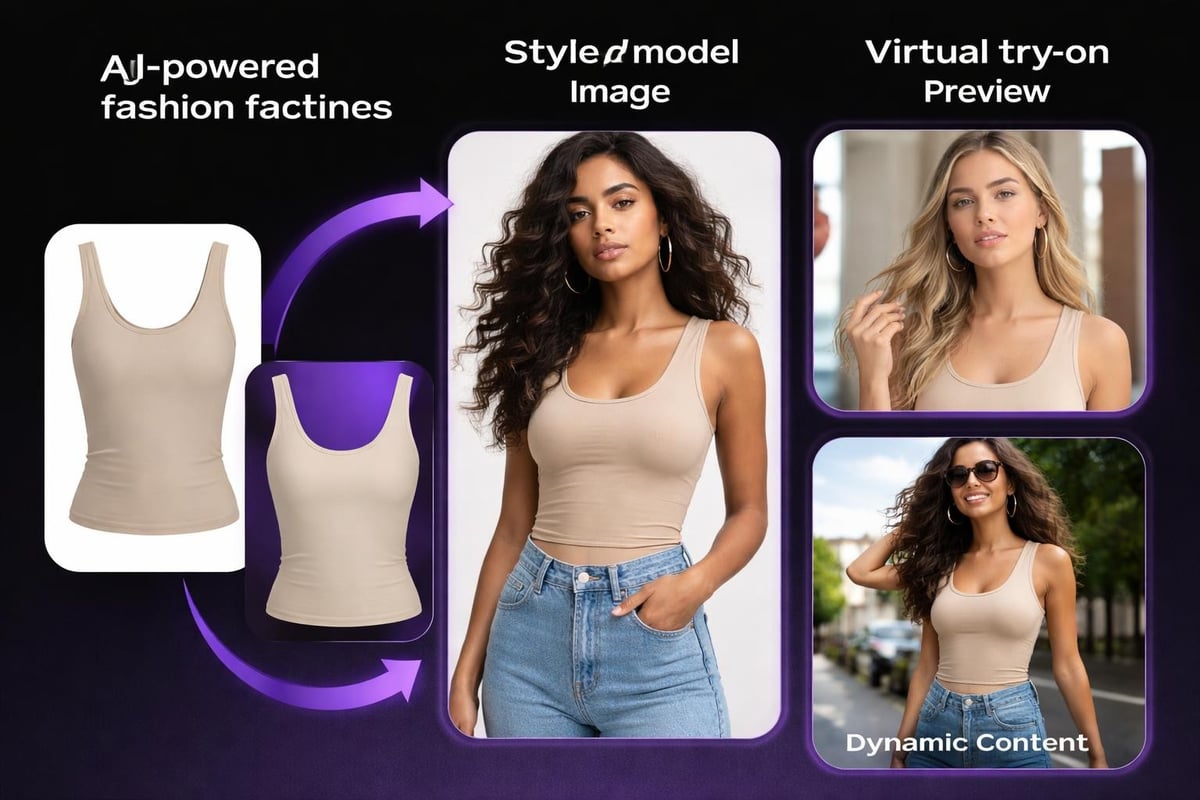
Creating compelling product imagery remains fundamental to fashion retail success. Traditional photoshoots require significant investment in models, photographers, studios, and post-production editing. AI-powered fashion features now automate much of this process.
Advanced systems transform packshots into professional model imagery featuring diverse representations. This capability allows brands to showcase their collections on various body types, skin tones, and style preferences without organizing multiple photoshoots.
| Traditional Photography | AI-Powered Features | Impact |
|---|---|---|
| 3-5 model types per shoot | Unlimited diverse representations | Enhanced inclusivity |
| 2-4 week production timeline | 24-48 hour turnaround | Faster time-to-market |
| $5,000-$50,000 per collection | Fraction of traditional cost | Improved margins |
| Limited revision capability | Easy iteration and updates | Greater flexibility |
These fashion features integrate seamlessly with existing workflows. Brands upload their product photography and receive styled model images ready for e-commerce platforms, social media, and marketing campaigns.
Virtual Try-On Technology
Virtual try-on represents one of the most impactful fashion features for reducing return rates and increasing conversion. This technology allows customers to visualize garments on themselves or on models matching their preferences before purchase.
The mechanics involve sophisticated AI algorithms that understand garment drape, fit, and movement. These systems account for fabric properties, body measurements, and styling context. When properly implemented, virtual try-on capabilities increase purchase confidence and reduce the uncertainty that drives returns.
Implementation considerations include:
- Integration with existing product catalogs
- Mobile optimization for on-the-go shopping
- Diverse model representation in try-on interfaces
- Accurate size and fit visualization
- Seamless user experience across devices
Research shows that brands implementing virtual try-on fashion features experience significant improvements in key metrics. Conversion rates typically increase between 15-40%, while return rates decrease by 20-35%.
Intelligent Sizing Solutions
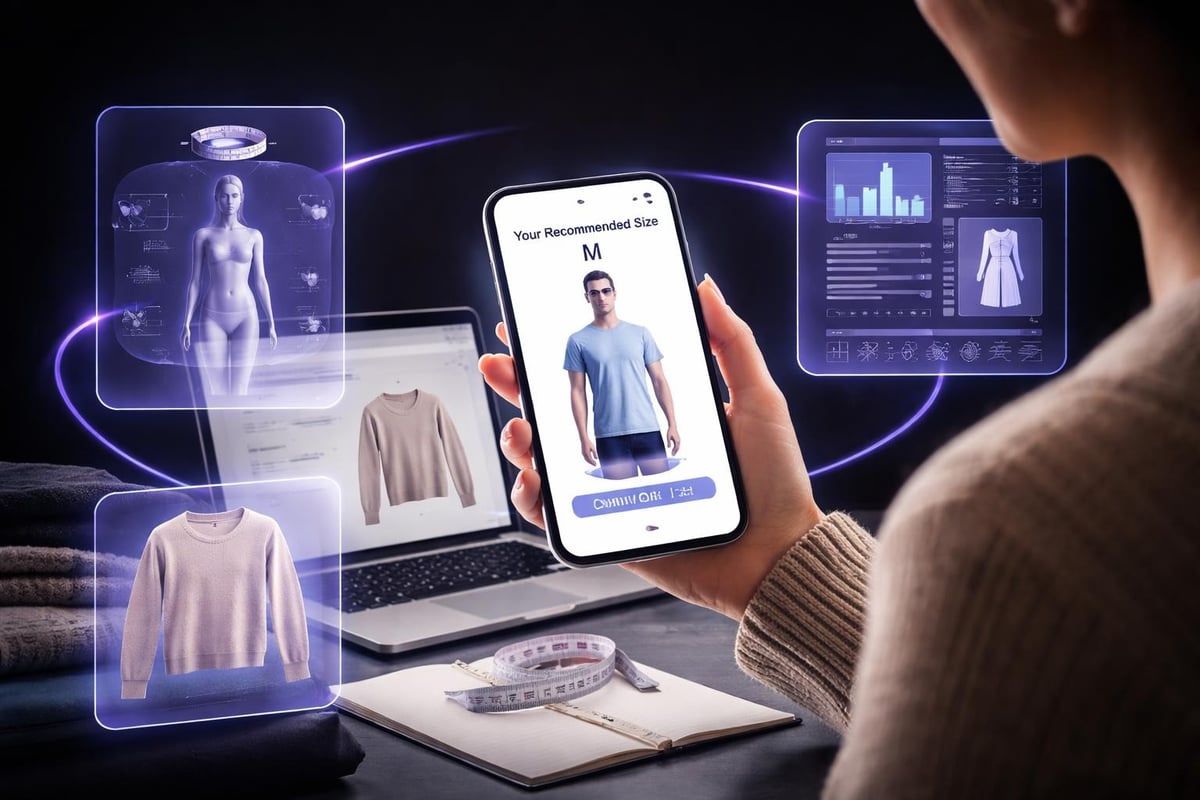
Sizing remains the primary challenge in online fashion retail. Poor fit drives the majority of returns and creates friction in the customer experience. Modern fashion features address this through data-driven size recommendations.
These systems analyze customer measurements, purchase history, and product specifications to suggest optimal sizes. Unlike simple size charts, intelligent sizing considers brand-specific fit variations, fabric stretch characteristics, and style preferences. This capability particularly benefits brands offering adaptive clothing features designed for diverse customer needs.
Content Automation and Workflow Efficiency
Fashion features extend beyond customer-facing applications. Behind the scenes, these technologies streamline production workflows and reduce manual tasks that consume creative resources.
Lookbook Creation and Styling
Traditional lookbook production requires extensive planning, coordination, and execution. Stylists curate outfits, photographers capture images, and designers layout final presentations. This process typically spans weeks or months.
Automated fashion features now generate styled lookbooks in days rather than weeks. These systems understand fashion principles, seasonal trends, and brand aesthetics. They combine individual products into cohesive outfits that resonate with target audiences.
The technology considers factors like color harmony, style compatibility, and current trends documented by fashion forecasting professionals. This creates lookbooks that feel professionally styled while requiring minimal human intervention.
Dynamic Video Content
Video content drives higher engagement across social media and e-commerce platforms. However, producing quality fashion videos traditionally demands significant resources. Modern fashion features transform static images into dynamic video content automatically.
These systems animate model imagery, add movement to garments, and create engaging visual narratives. The result resembles professional video production without the associated costs and timeline constraints. Brands can produce dozens of product videos in the time previously required for a single shoot.
| Content Type | Production Time | Engagement Rate | Cost Efficiency |
|---|---|---|---|
| Static product images | 1 day | Baseline | Standard |
| Traditional video | 2-3 weeks | 3x higher | High cost |
| AI-generated video | 2-3 days | 2.5x higher | Low cost |
| Hybrid approach | 1 week | 3.5x higher | Moderate cost |
Strategic Implementation of Fashion Features
Successfully deploying advanced fashion features requires thoughtful planning and integration. Technology alone doesn't guarantee results without proper implementation strategy.
Assessing Business Requirements
Different brands benefit from different fashion features based on their specific challenges and opportunities. E-commerce pure-plays prioritize virtual try-on and sizing tools, while wholesale brands focus on lookbook automation and model imagery generation.
Consider these factors when evaluating fashion features:
- Primary customer pain points in the purchase journey
- Current return rates and reasons for returns
- Content production bottlenecks and timelines
- Budget constraints and ROI requirements
- Technical infrastructure and integration capabilities
Brands should align fashion feature investments with measurable business objectives. Whether reducing returns, accelerating time-to-market, or increasing conversion rates, clear goals enable proper evaluation of technology effectiveness.
Integration with Existing Systems
Fashion features deliver maximum value when integrated seamlessly with existing platforms and workflows. This includes e-commerce systems, product information management tools, digital asset management, and marketing automation platforms.
The best implementations feel native to existing processes. Creative teams continue using familiar tools while benefiting from enhanced capabilities. Technical teams ensure data flows smoothly between systems without manual intervention.
Modern fashion features offered through comprehensive services typically provide robust integration options. APIs enable connection with major e-commerce platforms, while flexible workflows accommodate unique brand requirements.
Measuring Fashion Feature Performance
Implementing advanced fashion features represents a significant investment. Tracking performance metrics ensures these technologies deliver expected returns and guides optimization efforts.
Key Performance Indicators
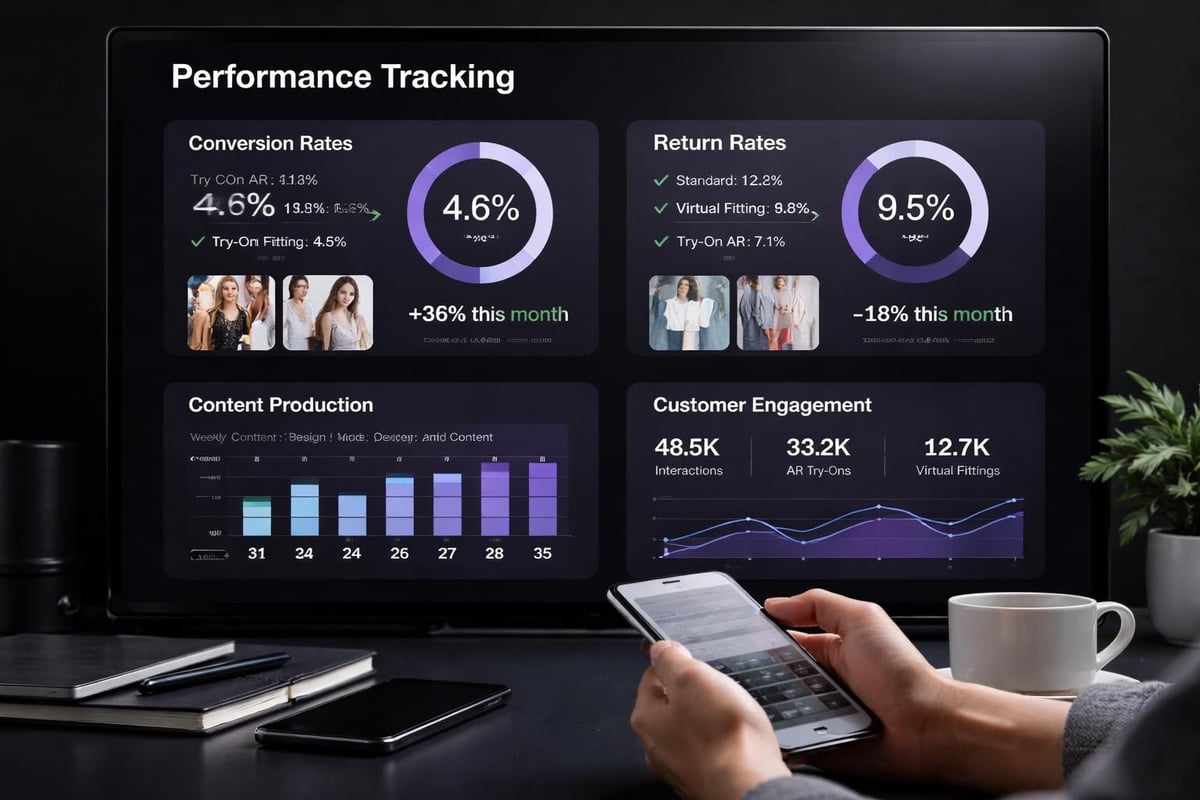
Different fashion features impact different metrics. Virtual try-on primarily affects conversion rates and returns, while automated content generation influences production efficiency and time-to-market.
Essential metrics to monitor include:
- Conversion rate changes after implementation
- Return rate reductions across product categories
- Content production time and cost per asset
- Customer engagement with visual features
- Overall revenue impact and ROI
Successful brands establish baseline metrics before implementation and track changes systematically. This data-driven approach identifies which fashion features deliver the most value and where optimization opportunities exist.
Customer Feedback and Iteration
Quantitative metrics tell part of the story. Customer feedback provides qualitative insights into how fashion features affect the shopping experience. Direct feedback through surveys, reviews, and support interactions reveals pain points and opportunities.
Brands should continuously refine their implementation based on both data and feedback. Fashion features evolve rapidly, with new capabilities emerging regularly. Staying current ensures competitive advantage in an increasingly technology-driven industry.
Industry Trends Shaping Fashion Features
The trajectory of fashion technology points toward increasingly sophisticated capabilities. Understanding emerging trends helps brands prepare for future opportunities and challenges.
Personalization at Scale
Modern consumers expect personalized experiences tailored to their preferences, body types, and style sensibilities. Fashion features increasingly enable this personalization without manual intervention for each customer.
AI systems analyze browsing behavior, purchase history, and stated preferences to customize product presentations. This extends to model representation, where customers see garments on models matching their characteristics and style preferences.
The impact mirrors broader changes in how fashion shows and presentations adapt to digital-first audiences expecting personalized, relevant content.
Sustainability and Efficiency
Environmental concerns drive demand for more sustainable fashion practices. Fashion features contribute by reducing waste in content production. Virtual photoshoots eliminate travel, physical samples, and excessive shooting days.
Brands can test visual concepts digitally before committing to physical production. This reduces overproduction and allows more targeted inventory decisions based on customer response to digital previews.
Democratization of Premium Capabilities
Advanced fashion features once required enterprise budgets and extensive technical resources. Today's solutions make these capabilities accessible to brands of all sizes. This democratization levels the playing field, allowing smaller brands to compete with larger competitors on visual quality and customer experience.
The shift parallels trends in fashion journalism, where digital platforms enable broader participation and diverse voices in industry conversations.
Future-Proofing Fashion Retail
Investing in the right fashion features positions brands for long-term success in an evolving retail landscape. The technology foundation built today supports tomorrow's innovations.
Building Flexible Technology Stacks
Smart brands avoid locked-in, proprietary systems that limit future options. Open architectures and API-first platforms enable integration with emerging technologies as they become available. This flexibility proves essential as fashion features continue advancing rapidly.
The most successful implementations balance cutting-edge capabilities with practical integration and usability. Features that create operational friction or require excessive training ultimately deliver less value than intuitive, workflow-integrated solutions.
Continuous Learning and Adaptation
Fashion retail never stands still. Trends shift, consumer preferences evolve, and new technologies emerge constantly. Brands that treat fashion feature implementation as an ongoing journey rather than a one-time project maintain competitive advantages.
This includes staying informed about industry developments, attending relevant conferences, and maintaining relationships with technology providers who understand the unique challenges of fashion retail. Regular evaluation of new capabilities ensures brands leverage the most effective tools available.
The transformation of fashion features through AI technology represents a fundamental shift in how brands create, present, and sell their collections. From automated model imagery to intelligent sizing recommendations, these capabilities address core retail challenges while enabling creative expression at unprecedented scale. Lumoo Studio empowers fashion, sport, and retail brands to harness these advanced features through solutions like Lumoo ID, Lumoo VTO, and Lumoo Flow. By transforming ordinary packshots into captivating visual experiences, brands elevate their storytelling and connect more effectively with their audiences.