Fashion Products: Trends & AI Innovation in 2026
Explore how fashion products are evolving in 2026 with AI technology, sustainability trends, and digital innovation transforming retail experiences.
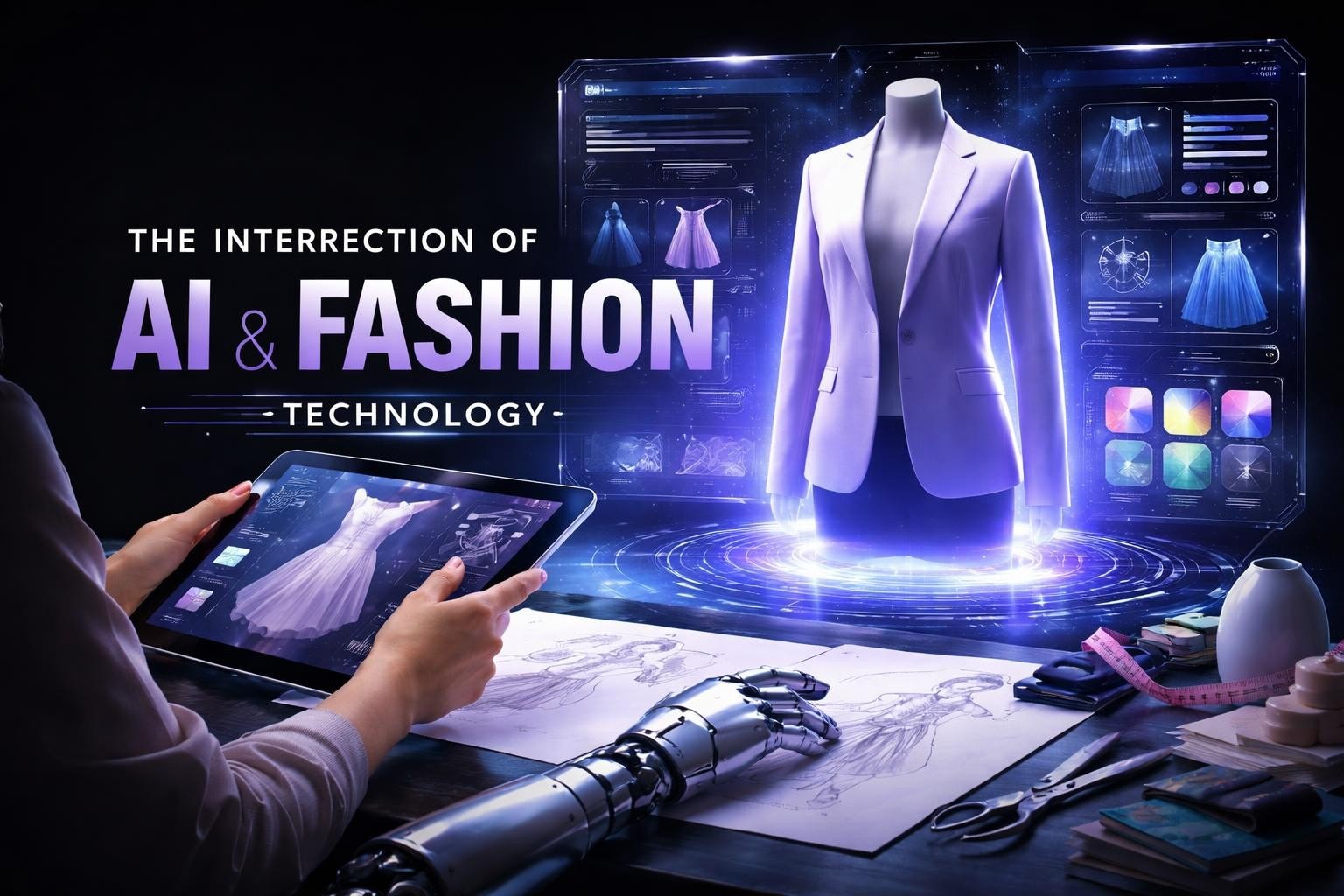
The landscape of fashion products has undergone remarkable transformation in recent years, driven by technological innovation, sustainability imperatives, and evolving consumer expectations. In 2026, brands face unprecedented opportunities to reimagine how they design, market, and sell apparel and accessories. From AI-powered visual content creation to zero-waste manufacturing processes, the fashion industry is experiencing a digital renaissance that redefines every touchpoint of the product lifecycle. Understanding these shifts is essential for brands seeking to maintain competitive advantage and meaningful connections with their audiences.
The Evolution of Fashion Product Development
Modern fashion products emerge from a fundamentally different creative process than their predecessors. Technology has infiltrated every stage, from initial concept sketches to final production runs. Brands now leverage artificial intelligence to predict trend trajectories, analyze consumer preferences, and optimize inventory allocation with unprecedented precision.
AI-Driven Design Innovation
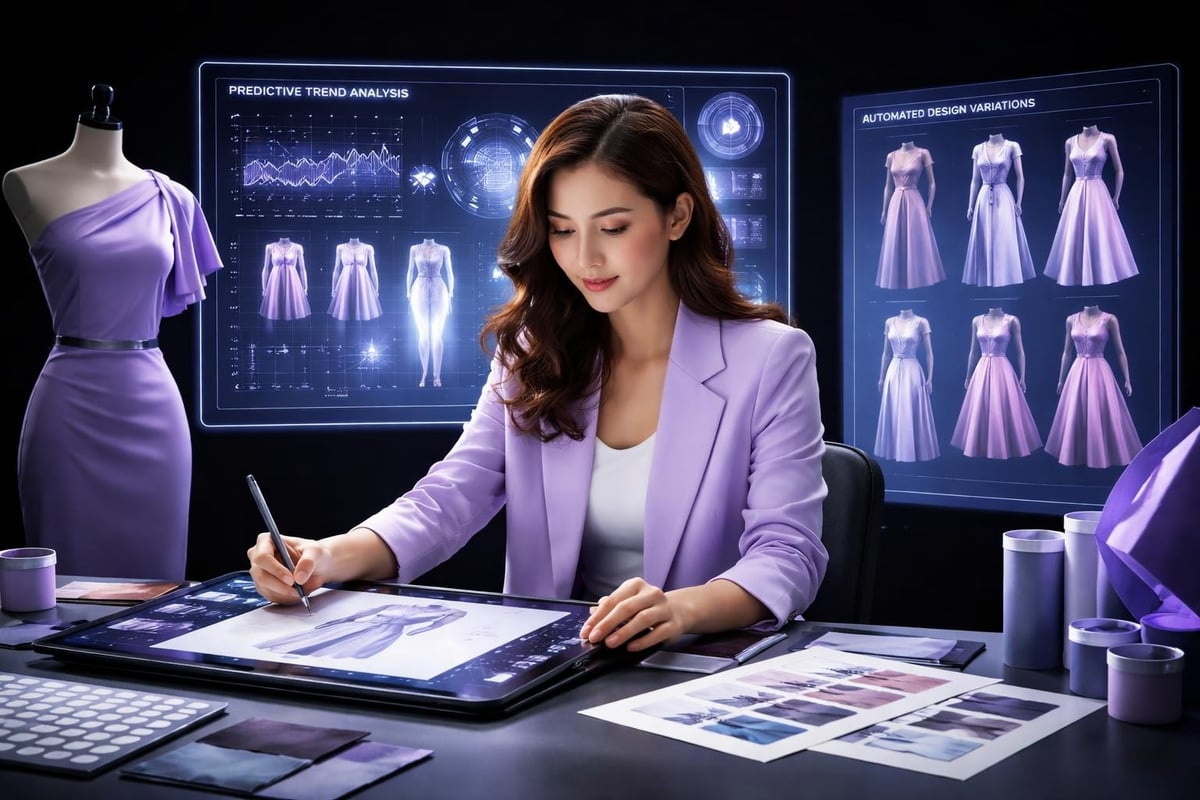
The integration of machine learning algorithms into design workflows enables brands to explore creative territories previously constrained by time and resource limitations. Advanced systems can generate hundreds of design variations based on historical performance data, seasonal trends, and cultural movements. This capability doesn't replace human creativity but rather amplifies it, allowing designers to focus on strategic direction while AI handles iterative refinement.
Key benefits of AI in fashion product design:
- Accelerated prototyping cycles reducing time-to-market by 40-60%
- Data-informed color palette selection based on regional preferences
- Automated pattern generation for complex textile designs
- Predictive modeling for sizing and fit optimization
Research on FashionSD-X demonstrates how multimodal fashion garment synthesis uses latent diffusion to create innovative designs, showcasing the technological leap forward in computational fashion design capabilities.
Current Fashion Product Trends Shaping 2026
The fashion products dominating retail landscapes in 2026 reflect a fascinating blend of nostalgia, functionality, and forward-thinking sustainability. Understanding these trends provides strategic insights for brands positioning their collections.
Accessories Taking Center Stage
Accessories have emerged as the primary vehicle for personal expression and trend adoption. The East-West bag has become the defining "It-bag" shape, adopted by major fashion houses and endorsed by influential celebrities. This horizontal silhouette offers both aesthetic appeal and practical functionality, accommodating modern lifestyle needs while making a distinct style statement.
Meanwhile, the necktie trend has broken free from corporate confines, appearing throughout New York Fashion Week Fall 2026 street style in unexpected contexts. Fashion products that traditionally served singular purposes now demonstrate remarkable versatility, reimagined through contemporary styling approaches.
Denim Revival and Silhouette Innovation
The resurgence of '90s aesthetics continues to influence fashion products, particularly in denim categories. The cuffed jeans trend popularized by French women emphasizes practicality combined with polished aesthetics. This styling technique transforms standard denim pieces into statement items that bridge casual and sophisticated dress codes.
| Trend Category | Key Characteristics | Target Demographic | Market Growth |
|---|---|---|---|
| East-West Bags | Horizontal silhouette, structured | 25-45 professionals | +34% YoY |
| Statement Neckties | Versatile styling, bold patterns | 18-35 fashion-forward | +28% YoY |
| Cuffed Denim | '90s inspiration, relaxed fit | 22-40 style-conscious | +22% YoY |
| Cinched-Waist Shirts | Feminine detailing, tailored | 25-50 contemporary | +31% YoY |
The cinched-waist shirt trend represents another evolution in wardrobe staples, offering a chic alternative to traditional button-downs. These fashion products demonstrate how subtle design modifications create entirely new categories within established segments.
Sustainability and Ethical Production
Consumer consciousness regarding environmental impact has fundamentally altered expectations for fashion products. Brands can no longer treat sustainability as optional marketing language but must integrate it into core operational principles.
Zero-Waste Manufacturing Approaches
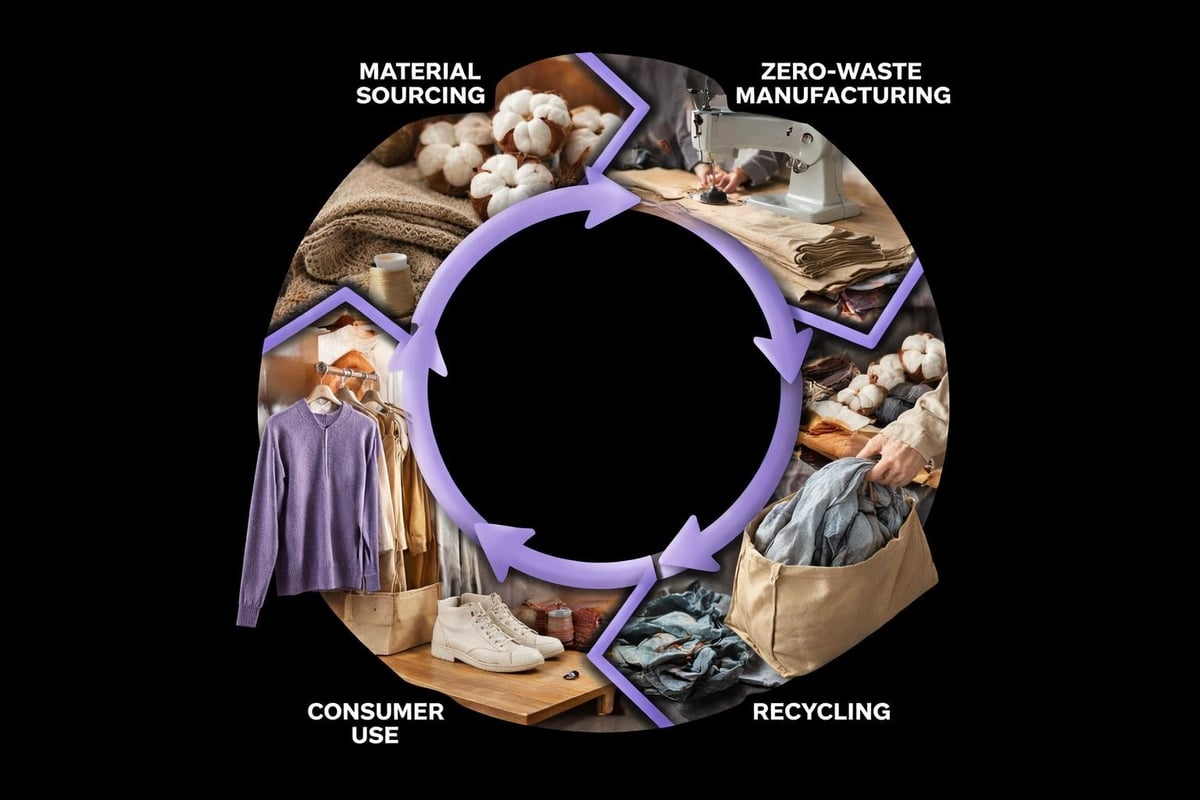
Zero-waste fashion represents a paradigm shift in garment construction, eliminating textile waste through innovative pattern-cutting techniques and holistic design thinking. This approach requires designers to conceptualize fashion products differently from inception, considering fabric utilization as integral to aesthetic decisions rather than an afterthought.
Implementation strategies for zero-waste production:
- Mathematical pattern optimization maximizing fabric yield
- Modular design systems enabling component reuse
- Digital prototyping reducing physical sample waste
- Closed-loop material sourcing partnerships
- Consumer education on garment longevity and care
Material Innovation and Circular Systems
The six sustainability trends transforming fashion include revolutionary developments in eco-friendly dyes and seaweed-based materials. Fashion products incorporating these innovations appeal to environmentally conscious consumers while positioning brands as industry leaders in responsible production.
Material transparency has become a competitive differentiator. Consumers increasingly demand detailed information about fiber origins, production processes, and end-of-life recyclability for fashion products they purchase. Brands responding with comprehensive material passports and blockchain-verified supply chains build trust and loyalty among discerning audiences.
Digital Transformation in Fashion Product Marketing
The methods brands use to present fashion products have evolved dramatically, with visual content serving as the primary driver of consumer engagement and conversion. Static product photography no longer suffices in markets demanding immersive, dynamic experiences.
AI-Powered Visual Content Creation
Lumoo Studio's services exemplify how artificial intelligence transforms fashion product visualization. By converting standard packshots into styled model images, brands create diverse visual libraries without the logistical complexity and expense of traditional photoshoots. This capability proves particularly valuable for brands managing extensive product catalogs across multiple markets.
The technology enables rapid testing of different styling approaches, model presentations, and contextual settings. Fashion products can be visualized in unlimited scenarios, allowing brands to identify which presentations resonate most effectively with specific audience segments before committing to full production runs.
Personalization at Scale
Modern consumers expect fashion products marketed specifically to their preferences, body types, and lifestyle contexts. AI-driven personalization engines analyze browsing behavior, purchase history, and demographic data to curate individualized product recommendations and visual presentations.
| Personalization Technology | Application | Impact on Conversion |
|---|---|---|
| Virtual Try-On (VTO) | Real-time garment visualization | +67% engagement |
| Size Recommendation AI | Body measurement analysis | -42% returns |
| Style Matching Algorithms | Outfit completion suggestions | +53% AOV |
| Dynamic Model Selection | Demographic-matched imagery | +38% CTR |
This technological infrastructure allows brands to maintain authentic connections with diverse audiences while operating efficiently at scale. Fashion products presented through personalized lenses generate significantly higher engagement metrics and conversion rates than generic mass-market approaches.
Challenges Facing Luxury Fashion Products
The luxury segment faces unique pressures as sales flatten amid creativity crises and price increases. Brands historically dependent on heritage and exclusivity must navigate changing consumer values that prioritize authenticity, sustainability, and value proposition over traditional status markers.
Balancing Heritage and Innovation
Luxury fashion products walk a delicate line between preserving brand DNA and embracing necessary evolution. Consumers seek timeless quality but also expect brands to demonstrate relevance through innovation and contemporary cultural engagement. Those failing to strike this balance risk alienating both traditional clientele and emerging demographics.
The challenge intensifies as digital-native luxury consumers demand seamless omnichannel experiences. Physical retail remains important for luxury fashion products, yet these items must be equally compelling through digital touchpoints. Investment in technology infrastructure becomes essential rather than optional for luxury brands competing effectively in 2026.

Future Directions for Fashion Products
Looking beyond immediate trends, several fundamental shifts will continue reshaping fashion products and the industry surrounding them. The fusion of ethical, digital, and personalized trends creates a convergent future where technology enables sustainability rather than contradicting it.
Hyper-Personalized Manufacturing
Advances in on-demand production technology enable fashion products manufactured specifically for individual consumers. This model eliminates overproduction waste while delivering perfectly fitted garments tailored to personal style preferences. Small-batch and single-unit manufacturing becomes economically viable through automation and AI optimization.
Advantages of hyper-personalized production:
- Elimination of excess inventory and associated waste
- Perfect fit reducing returns and consumer dissatisfaction
- Unique products enhancing emotional consumer connections
- Dynamic pricing models reflecting true production costs
- Real-time trend responsiveness without forecasting risk
Virtual Fashion Products and Digital Garments
The boundary between physical and digital fashion products continues blurring. Virtual garments for social media, gaming avatars, and metaverse environments represent genuine revenue opportunities for brands. These digital fashion products carry zero environmental footprint while enabling creative expression unconstrained by physical manufacturing limitations.
Brands experimenting with virtual fashion products gain valuable insights into consumer preferences and trend trajectories before committing to physical production. This approach serves both creative exploration and risk mitigation, allowing rapid iteration based on real-world consumer feedback.
Strategic Positioning for Fashion Brands
Success in the evolving fashion products marketplace requires strategic clarity across multiple dimensions. Brands must identify their unique value propositions and communicate them consistently through every consumer touchpoint.
Visual Storytelling Excellence
The top trends for 2026 demonstrate how fashion products succeed or fail based on visual presentation quality. Consumers make rapid judgments about product appeal, brand positioning, and purchase intent within seconds of encountering imagery. Investment in exceptional visual content directly correlates with commercial performance.
Advanced AI tools enable brands to produce high-quality visual content efficiently without sacrificing creativity or brand authenticity. By automating technical aspects of image creation, teams redirect energy toward strategic creative direction and audience engagement.
Omnichannel Integration
Fashion products must present consistently yet optimally across all channels where consumers encounter them. Social commerce, traditional e-commerce, physical retail, and emerging platforms each require tailored approaches while maintaining cohesive brand narratives.
The technical infrastructure supporting these experiences grows increasingly complex. Brands partnering with technology providers specializing in fashion applications gain significant advantages over those attempting to build proprietary solutions from scratch.
Building Consumer Connections Through Innovation
Ultimately, fashion products succeed when they forge meaningful connections with consumers. Technology serves this goal by removing friction, enabling discovery, and facilitating authentic expression through style choices.
Brands that view AI and digital tools as enablers of human creativity rather than replacements for it will thrive in the coming years. The most compelling fashion products emerge from collaborations between human insight and computational capability, each amplifying the other's strengths.
The transformation of fashion products through AI technology, sustainability innovation, and digital enhancement represents both challenge and opportunity for brands navigating 2026's complex marketplace. Success requires balancing creative vision with technological capability, heritage with innovation, and scale with personalization. Lumoo Studio empowers fashion brands to meet these demands through AI-driven visual content creation, transforming standard product photography into engaging, styled imagery that resonates with diverse audiences. By streamlining visual production workflows while enhancing creative possibilities, brands can focus on what matters most: building authentic connections with consumers through exceptional fashion products.