Essential Guide to Fashion Retail Success in 2026
Unlock fashion retail success in 2026 with expert insights on technology, merchandising, omnichannel strategies, and sustainability to drive growth and brand loyalty.

The fashion retail landscape is changing faster than ever, with 2026 promising new benchmarks for digital innovation and customer focus. This essential guide explores the key strategies, technologies, and trends that every fashion retail professional must understand to excel.
From AI-powered personalization and immersive shopping experiences to sustainable practices and global influences, the industry is transforming. Those who adapt can look forward to increased sales, stronger brand loyalty, and worldwide growth. Ready to discover actionable insights for lasting success? Dive in to master the future of fashion retail.
Understanding the 2026 Fashion Retail Landscape
The fashion retail landscape in 2026 is more dynamic and complex than ever. Retailers are navigating rapidly shifting consumer expectations, technological leaps, and fierce competition. Understanding these changes is crucial for brands aiming to thrive in a digital-first, globally connected marketplace.

The Shift in Consumer Expectations
In 2026, fashion retail must meet consumers' demand for seamless, personalized experiences across every touchpoint. Shoppers expect brands to recognize their unique preferences, both online and in-store. Inclusivity and diversity are no longer optional; they are core to brand authenticity and appeal.
Brands now focus on matching products to evolving customer bases, as highlighted by recent merchandising studies. Real-time data allows major retailers to adjust collections and pricing instantly, ensuring relevance and agility. Authentic values and transparency are key differentiators in the crowded fashion retail space.
The Rise of Omnichannel Retail
Omnichannel strategies are fundamental to fashion retail success in 2026. Retailers integrate physical stores, e-commerce, mobile apps, and social shopping to create a unified brand experience. Shoppers expect to browse, buy, and return products through any channel, at any time.
A unified inventory and customer data system ensures consistency, whether a customer shops online or visits a store. Robust returns and exchanges infrastructure is essential to meet 24/7 shopping demands. Fashion retail brands that master omnichannel integration can build deeper loyalty and capture more market share.
Globalization and Localization
Fashion retail is shaped by the interplay of global trends and local cultures. Mass-market Western styles coexist with vibrant regional fashions, such as saris in India or boubous in Senegal. Retailers must find the balance between a broad global reach and deep local relevance.
Cultural sensitivity is vital for success in diverse markets. Leading brands tailor collections to local tastes, collaborate with regional influencers, and respect cultural nuances. This approach allows fashion retail businesses to resonate authentically with customers worldwide.
Key Data Points
By 2026, over 70% of fashion retail purchases are expected to involve at least one digital touchpoint. Online sales and cross-border e-commerce continue to surge, opening up rural and international markets like never before. The digital transformation is not just a trend but a fundamental shift in how brands and consumers interact.
According to the State of Fashion 2026 Report, these changes are driving new business models and redefining market dynamics. Retailers who leverage data and digital platforms are better positioned to anticipate shifts and seize emerging opportunities in fashion retail.
The Competitive Environment
Competition in fashion retail is more intense than ever. Price wars are common, pushing brands to innovate in both value and experience. The fast fashion segment continues to battle with slow fashion advocates, each offering distinct value propositions.
Differentiation is critical. Leading fashion retail brands focus on ethical practices, superior customer experiences, and unique brand stories. As shopping options multiply, only those who adapt and stand out will capture consumer attention and loyalty in 2026.
Leveraging Technology for Fashion Retail Success
Technology is fundamentally transforming fashion retail, setting new benchmarks for innovation and consumer engagement. As we look toward 2026, mastering advanced tools and digital strategies is essential for brands aiming to excel in a highly competitive market. Let us explore the key technological drivers that are shaping the future of fashion retail.
Artificial Intelligence and Automation
Artificial intelligence is becoming the backbone of fashion retail operations. Through AI-driven trend forecasting, brands anticipate shifts in consumer demand and swiftly adapt their collections. Inventory management systems now utilize automation to track stock levels, triggering automatic restocks and reducing waste.
Dynamic pricing models respond in real time to market changes and shopper behavior. Automated merchandising ensures the right products reach the right customers at optimal moments. For example, department stores increasingly use computer programs for real-time inventory tracking, allowing them to maintain ideal stock levels.
According to AI in Fashion Market Growth, the role of AI in fashion retail is projected to expand dramatically, particularly in areas like trend forecasting and inventory optimization. This evolution empowers fashion retail brands to operate with unprecedented speed and accuracy.
Virtual Try-On and Immersive Shopping
One of the most significant hurdles in online fashion retail has always been the inability to try before buying. Virtual try-on solutions are addressing this challenge, using augmented reality and 3D product visualization to simulate the in-store experience.
Shoppers can now use AR/VR technology to see how garments fit their body shape, view products from every angle, and even experiment with different styles in real time. These immersive tools boost consumer confidence and reduce return rates, a critical metric in fashion retail.
Brands that adopt virtual fitting rooms and interactive experiences are not only enhancing customer satisfaction but also setting themselves apart in a digital-first shopping landscape.
Data-Driven Personalization
Understanding consumer preferences is at the heart of successful fashion retail. By leveraging data from sales tracking, focus groups, and social media interactions, brands can tailor product recommendations and marketing messages to individual shoppers.
Personalization engines analyze vast datasets to deliver targeted promotions and curated collections at scale. This approach drives higher conversion rates and increases customer loyalty.
In fashion retail, data-driven personalization is becoming a standard expectation, prompting brands to invest in advanced analytics and machine learning tools to refine their offerings continually.
Seamless Integration Across Channels
Modern consumers expect to move effortlessly between online and offline touchpoints. Leading fashion retail brands are integrating unified customer profiles and shopping carts, allowing shoppers to start a purchase on one platform and finish it on another.
Click-and-collect, curbside pickup, and in-store mobile checkout have become essential features. These services offer flexibility and convenience, meeting the demand for 24/7 shopping and easy returns.
A seamless omnichannel experience not only improves customer satisfaction but also strengthens a brand’s competitive position in the evolving fashion retail landscape.
Enhancing Visual Content and Brand Storytelling
Visual content is a powerful driver of engagement in fashion retail. High-quality images, lookbooks, and videos help brands communicate their identity and showcase products compellingly.
Consistency across e-commerce platforms and marketing channels is essential. Model imagery and dynamic content encourage shoppers to envision products in real-life scenarios, increasing the likelihood of purchase.
Fashion retail brands that invest in visual storytelling are better equipped to capture attention, foster emotional connections, and drive sustained growth in a crowded digital marketplace.
AI-Powered Visual Solutions for Fashion Retailers
AI technology is revolutionizing how fashion retail brands create and market products. Solutions like Lumoo Studio enable brands to generate dynamic visuals, model images, and engaging lookbooks within seconds.
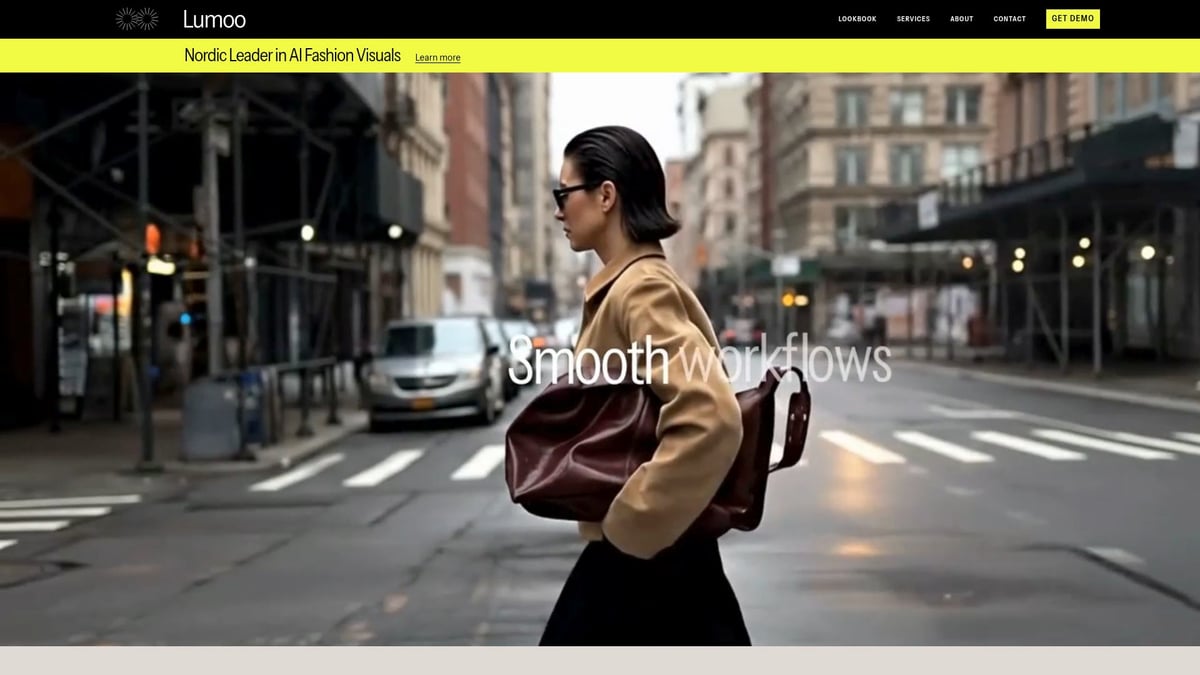
By transforming standard packshots into captivating model images and videos, these tools significantly improve online conversion rates and brand presence. AI-powered solutions support true-to-life fit visualization, inclusivity, and rapid campaign generation, ensuring a consistent brand identity.
For fashion retail, the ability to scale content production and meet the expectations of tech-savvy consumers is a game changer, accelerating time-to-market and empowering brands to stay ahead in 2026.
Mastering Merchandising and Inventory Management
In 2026, mastering merchandising and inventory management is crucial for every fashion retail business aiming to outperform competitors. As consumer expectations rise and technology advances, retailers must embrace new strategies to stay relevant. Forward-thinking brands are leveraging data, automation, and sustainability to optimize every step of the merchandising journey. Let us explore the essential components shaping the next era of fashion retail.

Data-Driven Stocking and Forecasting
Data-driven stocking is transforming how fashion retail brands predict demand and manage inventory. By analyzing real-time sales, market trends, and consumer behavior, retailers can forecast accurately and avoid costly overstock or stockouts.
Leading companies use AI-powered analytics to automate reordering and replenish inventory precisely when needed. This approach reduces waste, maximizes sales, and ensures customers always find what they want. In fashion retail, data-driven decisions enable businesses to adapt quickly to shifting trends and consumer preferences.
Key benefits include:
- Reduced markdowns and unsold stock
- Improved customer satisfaction
- Efficient allocation of resources
Dynamic Pricing and Promotions
Dynamic pricing is a game changer in fashion retail, allowing brands to adjust prices in response to demand, competition, and inventory levels. AI-driven tools help retailers set optimal prices, monitor market changes, and launch targeted promotions that drive sales.
For example, department stores can use dynamic pricing to move slow-selling items or respond instantly to popular trends. According to AI Revolutionizing Fashion Product Development, AI enables rapid adaptation to market data, supporting more agile and profitable merchandising strategies.
Retailers also benefit from:
- Personalized discounts for loyal customers
- Real-time promotional campaigns
- Maximized profit margins across channels
Visual Merchandising for Digital and Physical Stores
In fashion retail, visual merchandising bridges the gap between online and offline experiences. Attractive displays, compelling window setups, and creative digital lookbooks capture attention and inspire shoppers.
Digital platforms allow brands to showcase products through high-quality images, videos, and interactive elements. In-store, thoughtful placement of collections and thematic displays guide customer journeys and boost impulse purchases.
Successful visual merchandising includes:
- Consistent brand imagery across all platforms
- Engaging window and in-store displays
- Digital lookbooks for online inspiration
Responsive Supply Chains
A responsive supply chain is essential for fashion retail brands looking to keep pace with fast-changing trends. Agile sourcing, integrated logistics, and real-time communication with suppliers enable quick restocking and fulfillment.
Retailers now invest in technology that tracks product movement from factory to shelf, ensuring timely delivery and reduced lead times. This responsiveness helps meet surges in demand without sacrificing quality or customer experience.
Advantages of a responsive supply chain:
- Faster replenishment cycles
- Lower risk of stock shortages
- Enhanced flexibility in product assortment
Sustainability in Merchandising
Sustainability is a core pillar of modern fashion retail merchandising. Brands are adopting eco-friendly practices, from sourcing recycled materials to implementing take-back schemes that encourage circular fashion.
Smarter inventory management reduces waste and supports ethical production. Many retailers highlight sustainable collections and transparent sourcing as key differentiators in a crowded market.
Sustainable merchandising initiatives:
- Stocking products made from organic or recycled materials
- Offering garment recycling programs
- Reducing packaging and operational waste
Fashion retail success in 2026 will depend on integrating these merchandising and inventory management strategies. By embracing data, technology, and sustainability, retailers can build stronger brands and deliver exceptional value to customers.
Marketing, Branding, and Customer Engagement
In the fast-paced world of fashion retail, effective marketing, strong branding, and meaningful customer engagement are critical for long-term success. As 2026 approaches, brands must innovate how they connect with consumers, build loyalty, and measure impact. This section explores the essential strategies driving fashion retail forward.

The Role of Media and Influencers
Media and influencers hold immense sway over purchasing decisions in fashion retail. From glossy magazines to Instagram stories, the variety of channels is expanding rapidly. Influencers, whether celebrities or micro-creators, offer authentic product endorsements that drive trends and boost brand visibility.
Fashion shows, red-carpet appearances, and viral videos can spark immediate demand for new styles. Brands that leverage these platforms effectively see their collections reach wider audiences and achieve faster sell-through rates. By integrating influencer collaborations, brands can shape the narrative and connect with consumers on a personal level.
Building Brand Recognition and Loyalty
Successful fashion retail brands differentiate themselves through a clear, authentic voice and a consistent visual identity. Every touchpoint, from packaging to website design, should reflect the brand’s core values and aesthetic. This consistency builds trust and recognition over time.
Promotional activities play a vital role in strengthening loyalty. These include:
- Print and digital advertising campaigns
- Experiential events and pop-up stores
- Exclusive product launches for loyal customers
When consumers see their values and aspirations reflected in a brand, they are more likely to become repeat buyers and advocates.
Customer-Centric Marketing Strategies
Understanding and responding to consumer needs is foundational in fashion retail marketing. Brands are increasingly using data-driven insights to identify niche audiences, such as modest fashion enthusiasts or fans of regional styles. This targeted approach allows for highly relevant messaging and product offerings.
Feedback loops, including surveys, reviews, and social listening, provide real-time input that helps brands refine collections and marketing campaigns. Personalization at scale, enabled by technology, ensures that each customer feels seen and valued, leading to higher satisfaction and engagement.
Omnichannel Engagement
Modern fashion retail thrives on seamless integration across all channels, both digital and physical. Brands coordinate marketing efforts on social media, e-commerce platforms, and in-store experiences to create a unified journey for shoppers. Live shopping events, interactive content, and influencer partnerships are all part of this strategy.
The acceleration of social commerce, as detailed in Retail Trends Redefining 2026, is transforming how brands engage with audiences in real time. By embracing these innovations, retailers can meet consumers where they are and encourage immediate action.
Measuring Success and ROI
To ensure marketing investments drive results, fashion retail brands must rigorously measure performance. Key metrics include campaign reach, conversion rates, and customer lifetime value. Multi-touch attribution tools help clarify which channels and tactics deliver the most impact.
Below is a summary table of essential metrics for fashion retail marketing:
| Metric | Purpose | Example Tool |
|---|---|---|
| Campaign Reach | Audience size | Google Analytics |
| Conversion Rate | Sales effectiveness | Shopify Analytics |
| Customer Lifetime Value | Long-term profitability | CRM Platforms |
| Engagement Rate | Social media interaction | Instagram Insights |
By continuously analyzing these data points, brands can refine their strategies and maximize ROI.
Sustainability and Ethical Practices in Fashion Retail
Sustainability and ethics have become central pillars in fashion retail. As consumers become more conscious, they expect brands to address environmental and social issues. Meeting these expectations is not only a moral responsibility but also a strategic advantage for any fashion retail business.
The Demand for Sustainable Fashion
Modern consumers want transparency from fashion retail brands. They look for clear information about ethical sourcing, eco-friendly materials, and responsible manufacturing practices. The rise of modest fashion and inclusive design demonstrates how diverse values are influencing collections.
Brands that clearly communicate their sustainability efforts stand out. They attract a loyal audience eager to support companies that prioritize people and the planet.
Circular Fashion and Waste Reduction
Circular fashion is reshaping the industry. Leading fashion retail brands implement take-back programs, recycling initiatives, and upcycling projects to minimize waste. Many now partner with NGOs and sustainable suppliers to ensure a closed-loop approach.
These efforts reduce landfill contributions and promote responsible consumption. Circular practices are becoming a standard expectation for forward-thinking fashion retail businesses.
Diversity, Inclusivity, and Social Responsibility
Representation matters in fashion retail. Brands are expanding their offerings to reflect a range of body types, ethnicities, and cultural backgrounds. Ethical labor practices and fair trade certifications are also gaining traction.
By embracing diversity and social responsibility, fashion retail companies build trust and strengthen their brand reputation. This focus on inclusivity drives deeper customer connections.
Regulatory and Market Pressures
Fashion retail faces increasing regulations regarding environmental impact and labor standards. Brands must comply with these rules to avoid penalties and negative publicity. Activist groups and consumer watchdogs also keep pressure high, prompting ongoing improvements across the sector.
Adapting to these demands requires transparency, robust reporting, and ongoing engagement with stakeholders.
Impact on Brand Reputation and Sales
Sustainable and ethical practices are powerful differentiators in fashion retail. Brands with strong credentials in these areas see higher customer loyalty and advocacy. Data shows that consumers are more likely to choose and recommend companies committed to positive change.
In a competitive landscape, prioritizing sustainability helps fashion retail businesses thrive both ethically and financially.
Global Trends and Local Adaptation
Fashion retail is at a pivotal point, where global influences meet local tastes in dynamic ways. As brands expand internationally, understanding both universal trends and regional nuances is essential for long-term success in fashion retail.
World Fashion vs. Local Markets
The world of fashion retail is shaped by mass-market Western styles and vibrant regional apparel. Global trends like streetwear and athleisure dominate many cities, but traditional garments remain integral to local culture.
| Global Trend | Local Expression | Example Market |
|---|---|---|
| Denim jeans | Saris, kurtas | India |
| Suits, blazers | Boubous | Senegal |
| Modest fashion | Hijab, abayas | Middle East, Global |
Fashion retail success depends on recognizing which styles resonate locally, while integrating global influences.
Adapting to Regional Consumer Preferences
Leading fashion retail brands customize collections to reflect local climates, customs, and style sensibilities. This involves:
- Collaborating with local designers
- Launching region-specific product lines
- Adjusting sizing charts for different body types
- Incorporating traditional fabrics and motifs
By listening to local consumers and respecting cultural values, fashion retail brands build authentic connections that drive loyalty and sales.
Navigating International Logistics and Regulations
Expanding fashion retail operations across borders brings logistical and regulatory challenges. Brands must navigate customs, tariffs, and varying e-commerce rules. Efficient logistics networks and partnerships with local fulfillment centers help ensure timely delivery.
Some regions require additional documentation for textiles or have strict labeling standards. Fashion retail teams that invest in compliance and localized customer service can overcome these hurdles and maintain a seamless shopping experience.
Case Studies
Successful fashion retail brands blend global appeal with local relevance. For instance, international labels entering India often launch special collections featuring saris or kurtas, while African markets see global brands collaborating with regional artists to reinterpret boubous.
Data shows that brands tailoring offerings to local tastes outperform those with one-size-fits-all approaches. This strategy not only boosts sales but also strengthens brand reputation in diverse markets.
Opportunities and Challenges
Fashion retail faces the challenge of expanding globally without losing brand identity. Brands must balance operational efficiency with the need for cultural authenticity. The opportunity lies in reaching new audiences, but success depends on respecting local traditions and adapting quickly.
Staying relevant in fashion retail requires ongoing investment in research, flexible supply chains, and a willingness to learn from each market. Those who master this balance will thrive in the evolving global landscape.
As we’ve explored, thriving in fashion retail by 2026 means embracing AI driven personalization, elevating your brand’s visual storytelling, and meeting customers wherever they are—online and in store. If you’re ready to see how cutting edge technology like Lumoo Studio can help you transform ordinary product images into captivating model visuals, streamline your content creation, and truly connect with your audience, why not take the next step You can experience these innovations firsthand and discover how they fit your goals. Get Demo