Fit For Fashion Guide: Your Pathway to Style in 2026
Discover how to become fit for fashion in 2026 with expert tips on blending wellness, style trends, smart wardrobes, and personal expression for lasting confidence.

Welcome to the future of style, where the boundaries between wellness and self-expression blur into a single vision. In 2026, being fit for fashion means more than just following trends—it is about embracing confidence, health, and individuality in every facet of your life.
This guide will walk you through the evolution and meaning of fit for fashion, unveiling this year’s boldest trends, practical ways to merge fitness and style, and expert tips to help you build a wardrobe that reflects your unique identity.
With fitness shaping fashion choices and personal image, now is the time to explore what is possible. Imagine feeling empowered, stylish, and ready for any occasion. Let this guide be your trusted companion as you step into a fit for fashion year ahead.
The Evolution of “Fit for Fashion”: Past, Present, and 2026
The concept of “fit for fashion” has undergone a remarkable transformation over the past decade. What began as a niche idea in media has grown into a mainstream lifestyle, influencing how people dress, move, and express themselves. Let’s explore how this movement started, evolved, and what it promises for 2026.
The Origins of “Fit for Fashion”
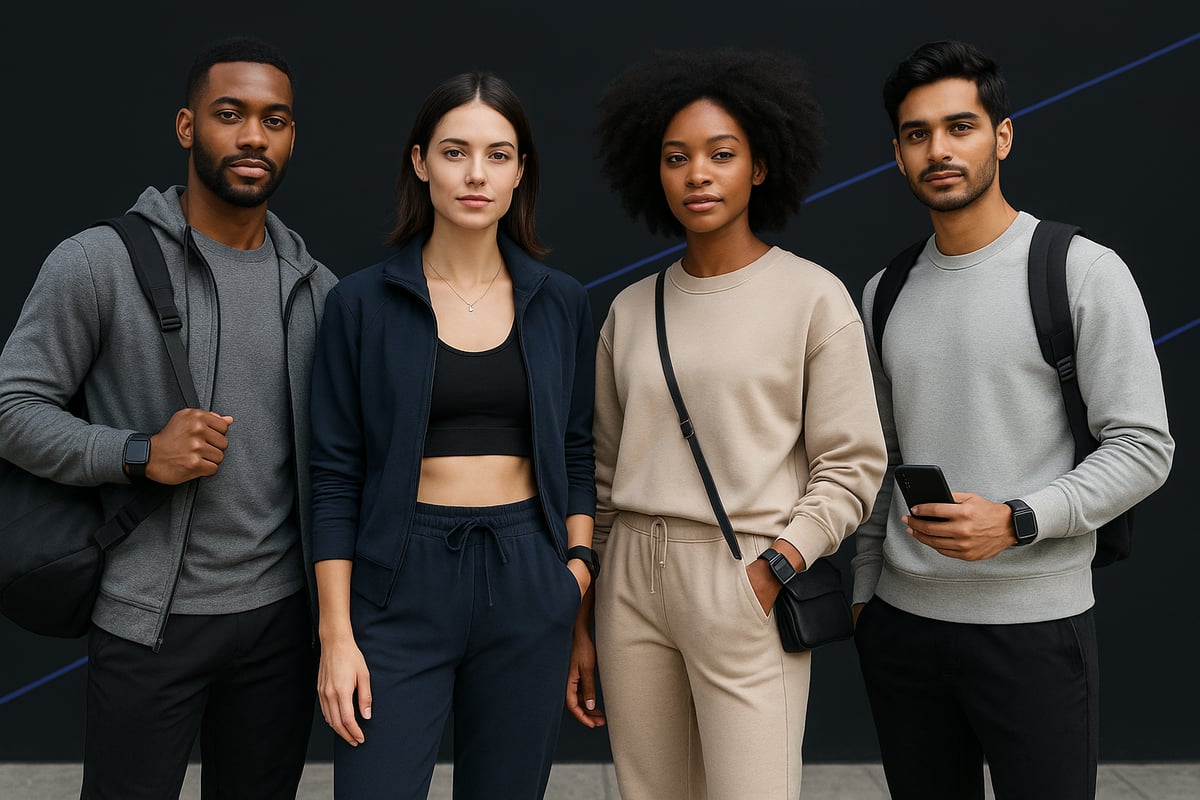
The term “fit for fashion” first entered the mainstream through reality TV and pop culture. In the early 2010s, shows like “Fit for Fashion” captured audiences by combining fitness challenges with high-stakes style makeovers. Celebrity hosts such as Louise Roe and fitness experts like Todd Anthony Tyler introduced viewers to the idea that transformation was not just about the body but also about personal style.
Social media platforms accelerated this movement. Influencers began sharing their journeys, blending daily workouts with outfit inspiration. This era saw contestants on “Fit for Fashion” Season 1 in 2014 undergo dramatic changes, both physically and stylistically, inspiring viewers worldwide.
The athleisure market mirrored this shift, growing by 42% from 2015 to 2025. According to industry reports, the athleisure market is projected to reach USD 1,069.84 billion by 2034, highlighting the growing demand for clothing that suits both active and everyday lifestyles. Today, fit for fashion is no longer just a TV slogan, it is a cultural phenomenon.
How “Fit for Fashion” Has Changed Over the Decade
The evolution of fit for fashion is clear in how people dress for both function and style. Gym wear has transformed into athleisure, with performance fabrics and versatile silhouettes becoming everyday staples. This shift also reflects greater inclusivity, with brands embracing diverse body types, backgrounds, and gender expressions.
Technology has played a crucial role in this change. Virtual try-ons, AI-powered styling, and smart fabrics have made it easier to personalize clothing choices. Brands now offer adaptive and sustainable activewear, responding to consumer demand for both comfort and ethics.
Collaborations between fitness personalities and fashion houses have become more common, blurring the lines between athletic and luxury apparel. Recent surveys reveal that 68% of consumers prioritize comfort and function in style decisions. The meaning of fit for fashion has expanded beyond appearance, now representing physical health and authentic self-expression.
What “Fit for Fashion” Means in 2026
In 2026, fit for fashion is defined by a holistic approach. Style is seen as an extension of wellness, confidence, and individuality. Key themes like sustainability, tech integration, and personalization dominate the conversation. Digital identities and virtual wardrobes are becoming part of everyday life, allowing people to curate both physical and digital looks.
The fusion of fitness, fashion, and technology continues to reshape the industry. Being fit for fashion is about expressing your best self, not simply following trends. The democratization of style means that everyone, regardless of background or ability, can set trends and define what it means to be stylish in 2026.
2026 Fashion Trends: What’s In, What’s Out
Step into the world of 2026 where fashion is shaped by innovation, sustainability, and the ever-rising influence of fitness. The fit for fashion movement continues to transform wardrobes and mindsets, making comfort, function, and self-expression the new benchmarks of style. Let’s explore what’s trending, what’s evolving, and what to leave behind as you define your fit for fashion journey this year.
Dominant Styles and Key Looks for 2026
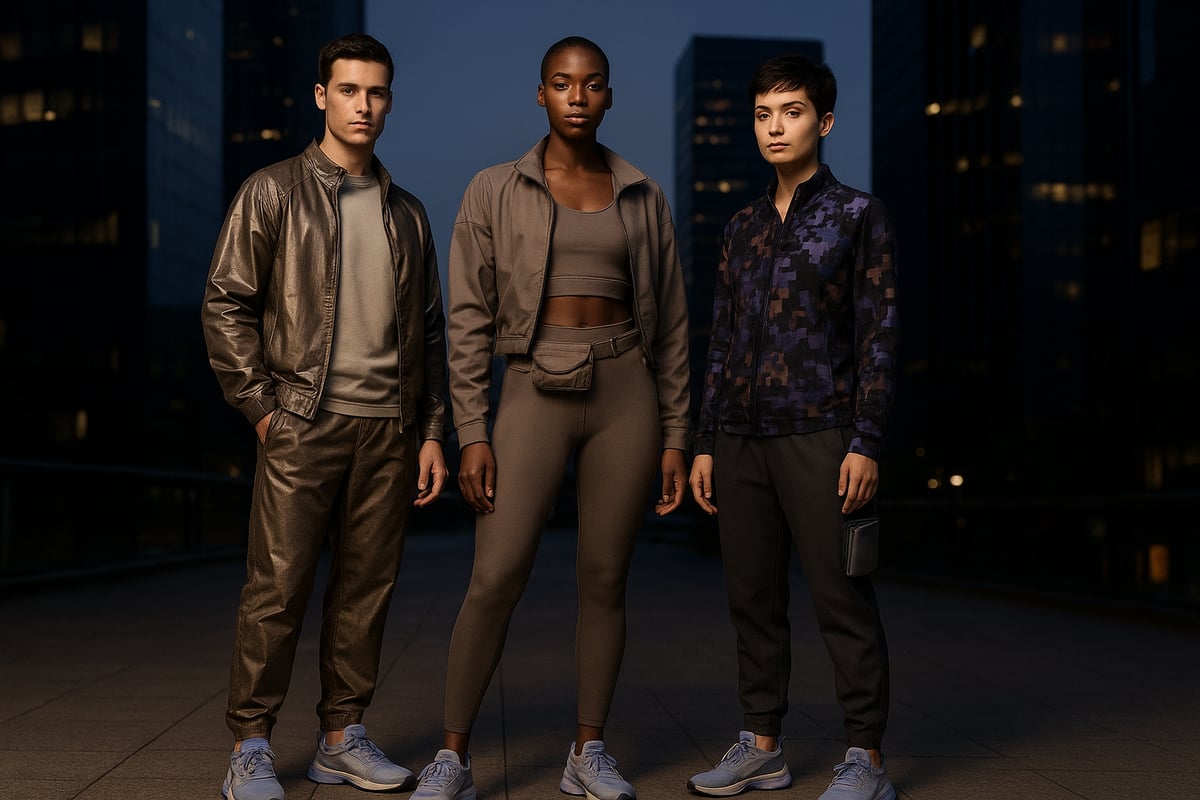
In 2026, the fit for fashion landscape is dominated by three major aesthetics: neo-athleisure, techwear, and eco-chic. Neo-athleisure elevates traditional gym wear with refined tailoring, modular layers, and performance-driven fabrics. Techwear integrates wearable technology, from climate-adaptive jackets to seamless, data-tracking garments. Eco-chic emphasizes upcycled materials and earthy tones, balancing modernity with environmental consciousness.
Expect color palettes to shift between futuristic metallics, warm neutrals, and bold digital prints. Runways at major fashion weeks now showcase relaxed tailoring, convertible silhouettes, and versatile layers that move effortlessly from gym to office.
A notable trend is the prevalence of upcycled or recycled materials, with 54 percent of 2026 collections adopting these eco-friendly fabrics. For a deeper dive into how athleisure is influencing this shift, see the latest athleisure market analysis and future projections. The fit for fashion approach in 2026 is about merging practicality with personal style, ensuring every look supports both movement and individuality.
Fabric Innovations and Sustainable Choices
The fit for fashion movement is driving remarkable fabric innovations. Smart textiles are at the forefront—think moisture-wicking, temperature-regulating, and self-cleaning materials engineered for daily wear. Brands are investing in biodegradable and recycled fabrics, making sustainability inseparable from style.
One key development is the rise of plant-based leathers and vegan alternatives, which are now featured in mainstream collections. These advances are not just environmental wins; they also enhance comfort and durability, two pillars of fit for fashion. Case studies highlight companies pioneering new blends that prioritize both function and planet-friendly production.
A recent survey found 7 in 10 consumers now consider sustainability a deciding factor when making fashion purchases. The message is clear: in 2026, fit for fashion means investing in garments that are as kind to the earth as they are to your lifestyle.
Accessories and Footwear: The Details Matter
Accessories and footwear have become essential bridges between fitness and fashion in 2026. Sneakers now feature built-in fitness trackers and adaptive fits that respond to your activity level throughout the day. Multi-functional bags and modular accessories support active, on-the-go routines, allowing seamless transitions from workout to workday.
Digital accessories are also surging in popularity. Smartwatches, AR glasses, and personalized jewelry offer both practical benefits and opportunities for self-expression. Collaborations between athletic brands and luxury designers are producing statement pieces that elevate any fit for fashion ensemble.
These details are more than finishing touches—they are integral to a lifestyle where performance, connectivity, and style coexist. The fit for fashion ethos is about curating accessories that enhance both your wardrobe and your wellbeing.
What’s Out: Styles and Habits to Leave Behind
As the fit for fashion mindset takes center stage, certain styles and habits are fading fast. The era of fast fashion and disposable trends is drawing to a close, with a 35 percent drop in fast fashion sales since 2022. Consumers are rejecting impractical or restrictive clothing in favor of adaptable, comfortable designs.
Outdated gendered fashion norms are also being left behind. 2026 celebrates fluidity, inclusivity, and representation across all fashion spaces. The fit for fashion movement encourages everyone to embrace pieces that support their unique identity, regardless of traditional categories.
Mindful, expressive, and adaptable style is the new standard. As you build your wardrobe for 2026, focus on pieces that honor your needs, values, and individuality—this is the true essence of being fit for fashion.
Aligning Fitness and Fashion: Building a Lifestyle Wardrobe
Creating a lifestyle wardrobe that truly embodies fit for fashion means more than just following trends. It is about intentionally choosing pieces that align with your routine, values, and sense of self. The process is structured yet personal, ensuring your style supports every facet of your day.

Step 1: Assess Your Fitness Routine and Lifestyle Needs
Begin your fit for fashion journey by analyzing your daily activities. Do you balance gym sessions, work, social outings, and downtime? Map out your week and note which activities demand specialized attire.
Identify gaps in your wardrobe. For instance, if you cycle to work, you require clothing that transitions smoothly from the commute to the office. Urban professionals increasingly seek hybrid pieces that accommodate both movement and meetings.
Ask yourself:
- What is my primary activity each day?
- Where do I feel restricted or uncomfortable?
- Which pieces do I reach for most often?
This self-assessment anchors your fit for fashion approach in real-life needs, ensuring your wardrobe is both practical and stylish.
Step 2: Curate Core “Fit for Fashion” Essentials
With your routine mapped, focus on building a foundation of fit for fashion essentials. Prioritize versatile staples like tailored joggers, performance blazers, seamless tops, and supportive footwear.
Layering is key. Choose pieces that can shift from a workout to a work meeting with minimal effort. Convertible garments, such as jackets with removable sleeves or pants with adjustable hems, add valuable flexibility.
Core essentials checklist:
- Tailored joggers
- Convertible blazers
- Seamless workout tops
- Multi-purpose sneakers
Selecting these essentials ensures your fit for fashion wardrobe works as hard as you do, delivering comfort and sophistication.
Step 3: Integrate Smart and Sustainable Choices
Elevate your fit for fashion wardrobe by opting for garments that combine technology with responsibility. Look for clothing featuring built-in tech, like moisture-wicking fabrics, climate control, or embedded fitness trackers.
Sustainability is now inseparable from style. Choose brands that prioritize eco-friendly materials and ethical production. Companies using AI to recommend staples based on body data are setting new industry standards.
The sustainable fashion market is expanding rapidly as consumers demand more eco-conscious options. According to recent reports, the sustainable fashion market is expected to hit USD 9.0 billion by 2033, highlighting this shift.
Investing in smart, sustainable pieces ensures your fit for fashion wardrobe remains ahead of the curve and aligned with your values.
Step 4: Express Your Personality Through Style
Personal expression is the heart of fit for fashion. Mix and match colors, patterns, and textures that reflect your identity. Accessories like smart jewelry, statement sneakers, or digital wearables add unique flair.
Embrace technology to experiment with combinations. AR glasses let you preview outfits before buying, making personalization more accessible than ever.
Tips for personalizing your look:
- Combine unexpected textures
- Use accessories with meaning
- Try digital wardrobe planning tools
A fit for fashion wardrobe is not about imitation, but about expressing your authentic self with every choice.
Step 5: Plan for Adaptability and Comfort
The final step in achieving fit for fashion is building a wardrobe that transitions effortlessly through every part of your day. Choose adaptable pieces that move from gym to office to evening social events without compromise.
Comfort is paramount. Prioritize fit, soft fabrics, and freedom of movement. The best wardrobe is one that supports your ambitions, not just your appearance.
Key strategies:
- Opt for breathable, stretchable materials
- Select garments with adjustable features
- Ensure every item feels comfortable for extended wear
By planning for adaptability and comfort, your fit for fashion wardrobe becomes a true extension of your lifestyle, empowering you to look and feel your best every day.
Grooming, Self-Care, and Confidence: The Foundation of Style
In 2026, grooming and self-care are more than routines—they are the pillars of a fit for fashion lifestyle. To truly embody style, individuals need to look beyond clothing, prioritizing wellness and confidence at every level. This foundation sets the stage for self-expression and lasting personal impact.

The Role of Grooming in the “Fit for Fashion” Lifestyle
Grooming is integral to the fit for fashion approach. Skincare, haircare, and personal hygiene routines help create a polished, healthy appearance that complements any fashion choice. In 2026, gender-neutral products have become mainstream, emphasizing accessibility and inclusivity for all identities.
Brands now offer personalized regimens, using AI to recommend products tailored to an individual's unique needs. This shift supports the fit for fashion philosophy, where how you care for yourself is as important as what you wear. Influencers and fitness professionals regularly showcase holistic grooming routines, demonstrating that a well-maintained look is essential for anyone striving to stay fit for fashion.
Key grooming essentials in 2026 include:
- Multi-purpose cleansers and moisturizers
- Adaptive hair styling products
- High-performance deodorants
- Smart toothbrushes and wellness tech
Maintaining these habits ensures a fresh, confident presence in every setting.
Self-Care Practices That Enhance Style
Self-care is the fuel behind every fit for fashion transformation. Daily rituals such as meditation, regular stretching, and mindful nutrition foster overall wellness, which visibly enhances posture, energy, and skin clarity. A balanced self-care approach not only supports physical health but also elevates your style from the inside out.
Contestants from fit for fashion reality shows often credit their success to consistent self-care. Incorporating short mindfulness breaks and a nutritious diet can create a ripple effect, improving both mood and presentation. The connection between self-care and style is direct: healthy habits show in every detail, from glowing skin to relaxed confidence.
Consider these self-care practices:
- Morning meditation for a focused start
- Hydrating throughout the day
- Prioritizing sleep and recovery
- Regular movement, even outside of workouts
These practices are the unseen threads that tie together a fit for fashion lifestyle.
Building Confidence Through Fitness and Fashion
Confidence is the ultimate accessory in the fit for fashion world. Wearing styles that align with your lifestyle and fitness level naturally boosts self-esteem. When you feel comfortable and authentic in your appearance, it radiates outward, influencing how others perceive you.
Addressing body image challenges is a key part of this journey. Embracing your unique shape, celebrating progress, and choosing clothes that fit well can transform your outlook. In 2026, both data and experience show that most people feel more self-assured when their fashion reflects their true selves.
To build confidence:
- Focus on fit and comfort first
- Experiment with colors and textures that resonate with you
- Celebrate small milestones in fitness and style
- Seek inspiration from diverse communities
Ultimately, fit for fashion is about owning your individuality and moving through life with assurance.
Expressing Your Unique Style: Personalization, Tech, and Social Influence
Stepping into 2026, expressing your unique identity through the fit for fashion movement is more accessible than ever. Technology, personalization, and social influence are reshaping how people define and showcase their style. Today, individuality is not just encouraged—it is expected. By leveraging the latest innovations and embracing your authentic self, you can become a trendsetter in your own right.
Using Technology to Personalize Your Fashion Journey
Technology is at the core of the fit for fashion evolution in 2026. AI-powered styling apps analyze your preferences, body shape, and daily activities, offering curated outfit recommendations tailored just for you. Virtual wardrobe planners help you organize your digital and physical clothing, while AR and VR try-ons let you experiment with new looks before making a purchase.
Major brands now provide customizable avatars, letting you preview fit for fashion collections in real time. These digital experiences not only save time but also reduce returns and overconsumption. The rise of digital fashion means you can own exclusive virtual pieces for your online presence, further personalizing your style.
As technology advances, the fit for fashion movement empowers everyone to express individuality with confidence and creativity. Whether you use AI to refine your wardrobe or AR to test bold new trends, tech is your partner in personal expression.
Social Media and the Rise of the Individual Trendsetter
Social platforms are powerful drivers of fit for fashion in 2026. TikTok, Instagram, and emerging virtual communities give everyone a stage to share their unique looks and inspire others. Micro-influencers, once overlooked, now set the pace for new trends, often sparking viral fit for fashion challenges that celebrate creativity and self-expression.
Community-driven trends thrive as users collaborate, remix, and reinterpret styles. Peer-to-peer inspiration replaces traditional top-down fashion leadership, making the industry more democratic. In this environment, fit for fashion is not dictated by celebrities alone, but by everyday individuals who share their journeys and discoveries.
By participating in these digital spaces, you can shape the fit for fashion narrative, find your tribe, and gain the confidence to experiment with your style. Each post, video, or story becomes an opportunity to express what makes you unique.
Inclusivity, Representation, and the New Fashion Icons
Inclusivity is now a defining element of fit for fashion. Brands and campaigns increasingly highlight diverse models of all backgrounds, body types, and abilities. This shift reflects a broader cultural movement toward body positivity and gender fluidity, breaking down outdated barriers in the fashion world.
The new fashion icons are not limited to traditional celebrities. Athletes, activists, and creators from all walks of life are celebrated for their authentic expression and commitment to inclusivity. Fashion weeks and ad campaigns showcase a spectrum of identities, sending a clear message: fit for fashion is for everyone.
Supporting brands that prioritize representation helps drive this transformation. Your voice and choices contribute to a more welcoming and dynamic industry, where uniqueness is the ultimate asset.
Curating Your Digital and Physical Wardrobe
Balancing your digital and physical wardrobe is essential to mastering fit for fashion in 2026. With virtual clothing and digital avatars gaining popularity, it is important to keep your real-life wardrobe organized, functional, and true to your values. Regularly declutter and refresh your closet, focusing on quality pieces that align with your personal style.
Mindful consumption is a cornerstone of fit for fashion. As more consumers seek sustainable options, shopping habits are changing. According to Consumer behavior in sustainable fashion shopping in the U.S., a growing number of people prioritize eco-friendly brands and responsible purchasing.
Tips for curating your wardrobe:
- Invest in timeless essentials.
- Choose versatile pieces for multiple occasions.
- Embrace digital tools to track and manage your collection.
A thoughtfully curated wardrobe supports both your style and your values.
Setting Your Own Trends: Actionable Steps
Becoming a fit for fashion trendsetter is about more than following the latest fads. It is about experimenting, evolving, and building a signature look that reflects who you are. Start by exploring new color palettes, silhouettes, and accessories that excite you.
Actionable steps to set your own trends:
- Try one new piece or style each month.
- Document your style evolution through photos or journals.
- Share your fit for fashion journey online to inspire others.
Remember, the most compelling trends often start with those who are unafraid to lead. Embrace your individuality, stay curious, and let your style evolve with confidence. In 2026, fit for fashion means making your mark on the world, one outfit at a time.
The Future of “Fit for Fashion”: Predictions and Preparations for 2026 and Beyond
The future of fit for fashion is a dynamic intersection of innovation, community, and personal expression. As we approach 2026, staying ahead in style means embracing new technologies, sustainable habits, and collaborative trends that redefine what it means to be truly fit for fashion.
Anticipated Innovations in Fitness and Fashion Integration
The next era of fit for fashion will be shaped by groundbreaking technology. Expect AI-driven garment customization where clothing adapts to your measurements and preferences in real time.
Smart fabrics will play a major role, offering features like temperature regulation and integrated fitness tracking. On-demand manufacturing, such as 3D-printed apparel, will allow consumers to create unique pieces while minimizing waste.
Virtual fashion shows and digital-first collections are also set to become industry standards. According to forecasts, 62% of brands plan to launch digital-only pieces by 2027, reflecting the growing influence of digital fashion. Early adopters are already experimenting with interactive garments and augmented reality accessories.
These innovations will make fit for fashion not just a trend but a lifestyle that is accessible, personalized, and sustainable.
Preparing for the Next Wave of Trends
Staying ahead in fit for fashion means being proactive and informed. Start by following industry leaders on social media and joining virtual events that showcase emerging trends. Many brands offer insider access to previews and behind-the-scenes content, helping you identify what is next.
Investing in timeless, adaptable pieces is key. While trends will evolve, classic styles and versatile garments remain relevant. Curiosity and flexibility are essential mindsets for anyone looking to maintain their fit for fashion edge.
Engage with style communities, both online and locally. These spaces are rich sources of inspiration and practical advice. They also provide opportunities to share your journey and learn from others navigating the evolving landscape of fit for fashion.
Building a Resilient, Future-Proof Wardrobe
A future-proof wardrobe is the foundation of long-term fit for fashion success. Focus on sustainable shopping habits, choosing quality over quantity and prioritizing longevity. Embrace repair, upcycling, and clothing swaps to extend the life of your favorite pieces.
The rise of clothing rental and resale platforms has made it easier than ever to refresh your look without contributing to waste. Market data shows a 44% increase in these services since 2024, underscoring their growing popularity.
Consider organizing your wardrobe with a blend of digital and physical tools. Apps can help track your inventory, plan outfits, and even suggest sustainable alternatives. This approach ensures your fit for fashion journey remains both mindful and practical.
Summary Table: Sustainable Wardrobe Strategies
| Strategy | Benefit |
|---|---|
| Upcycling | Reduces waste, unique style |
| Clothing swaps | Cost-effective, community-driven |
| Rentals/Resale | Access to trends, less clutter |
| Digital wardrobe apps | Organization, sustainability |
The Role of Community and Collaboration in Fashion
Community and collaboration are now central to fit for fashion. Brands are increasingly co-creating collections with customers, using digital platforms to gather input and feedback. This trend has led to more inclusive and diverse offerings that reflect real consumer needs.
Statistics reveal that 58% of new collections in 2026 involve community input, highlighting the shift toward crowdsourced design. Peer-designed fashion lines and crowdsourced collections are redefining the industry landscape.
Engaging with these collaborative projects allows you to influence trends directly. It also fosters a sense of belonging and shared purpose, making the fit for fashion movement more inclusive and empowering for everyone.
For more on how digital communities are shaping the future of style, explore this comprehensive guide to collaborative fashion.
Your Pathway to Style: Next Steps for 2026
To thrive in fit for fashion, take actionable steps that align your wardrobe and mindset with the future. Recap the strategies discussed: embrace innovation, prioritize sustainability, build community connections, and invest in timeless essentials.
Experiment with new looks, leveraging technology to personalize your journey. Set your own trends by sharing your experiences and inspiring others to do the same.
Above all, celebrate your individuality. In 2026, fit for fashion is about more than following trends; it is about aligning your style with your values and lifestyle. By staying adaptive and authentic, you ensure your pathway to style remains uniquely yours, now and in the years to come.
As you step into 2026 ready to align your fitness, fashion, and personal expression, remember that technology is your ally in creating a style that truly reflects who you are. Lumoo Studio’s innovative AI-driven solutions can help you bring your wardrobe and brand visuals to life—from dynamic lookbooks to personalized digital try ons. If you’re curious about how these advanced tools can elevate your approach to “fit for fashion,” I invite you to take the next step and see the possibilities for yourself. Get Demo