The Essential Guide to Gender and Fashion in 2026
Discover how gender and fashion are evolving in 2026 with key trends, technology, and inclusive strategies. Explore expert insights for brands and individuals.

In 2026, gender and fashion are at the forefront of a vibrant cultural shift, redefining what it means to express identity and style worldwide. No longer confined to traditional boundaries, the fashion industry now champions inclusivity and self-expression as never before.
This essential guide reveals how changing gender norms and rapid technological innovation are transforming both personal style and the business of fashion. From historical milestones to the latest trends and tech, you will discover how individuals and brands are reimagining identity through clothing.
Explore the journey, understand emerging opportunities, and gain practical insights to navigate the evolving landscape of gender and fashion in 2026.
The Evolution of Gender Expression in Fashion
Fashion has long mirrored society’s understanding of identity. In 2026, the relationship between gender and fashion stands as a testament to how style can both reflect and challenge cultural norms. This evolution is visible in every stitch, silhouette, and runway, revealing a journey from strict binaries to a spectrum of self-expression.

Historical Overview: From Binary to Spectrum
Throughout much of modern history, gender and fashion were tightly interwoven with social expectations. Traditional Western dress codes prescribed distinct, rigid roles. Men wore suits and trousers; women were expected to wear dresses and skirts. These norms were not just guidelines but rules enforced by both law and custom.
The 20th century, however, marked the beginning of significant change. Key milestones include:
- 1920s: Flappers rebelled against restrictive women’s attire, introducing shorter hemlines and looser fits.
- 1960s: Unisex fashion emerged, popularized by youth culture and designers like André Courrèges.
- 1980s: Power dressing gave women structured suits, challenging workplace gender norms.
Subcultures have played a crucial role in this transformation. Punk, drag, and ballroom communities blurred the lines between masculinity and femininity, making space for a more fluid understanding of gender and fashion.
Visionary designers have also shaped this evolution. Jean Paul Gaultier’s provocative collections in the 1980s and 1990s questioned traditional gender boundaries. In recent years, brands like Telfar have championed inclusivity, making fashion accessible to all identities.
According to Vogue Business, there has been a 35% increase in gender-neutral collections since 2020. This shift signals a growing recognition that self-expression cannot be contained by binary categories. Today, gender and fashion are increasingly seen as tools for personal storytelling, inviting everyone to define their own style.
The Shift Toward Gender Fluidity
Acceptance of non-binary and gender-fluid identities is reshaping the fashion landscape. Social movements such as #MeToo, the fight for LGBTQ+ rights, and Gen Z activism have accelerated this change. As a result, gender and fashion now intersect in ways that prioritize authenticity and inclusivity.
Celebrities have amplified the message. Figures like Harry Styles, Janelle Monáe, and Billy Porter have graced magazine covers and red carpets in attire once considered unconventional for their assigned gender. Their influence has helped normalize genderless silhouettes and inspired designers to rethink traditional sizing.
Mainstream brands are responding to these shifts by adopting gender-neutral options across their product lines. A recent McKinsey report found that 56% of Gen Z shoppers actively seek out such choices. This trend is evident globally, but particularly in the U.S., where a growing percentage of consumers are purchasing fashion outside of their gender identity, as highlighted in this Statista report.
Fashion runways and advertisements now feature a broader range of models, reflecting the diversity of gender and fashion. The move toward inclusivity is not just about visibility but about creating spaces where everyone can see themselves represented.
As we look to the future, it is clear that gender and fashion will continue to evolve together. The industry’s embrace of fluidity, diversity, and self-expression marks a profound cultural shift—one that empowers individuals to define style on their own terms.
Key Trends Defining Gender and Fashion in 2026
The landscape of gender and fashion in 2026 is defined by innovation, inclusivity, and a bold break from tradition. As brands and consumers rewrite the rules, several key trends are shaping the industry’s future. Each trend reflects shifting attitudes, technological advancements, and a commitment to authentic self-expression.

Rise of Genderless Collections and Brands
Major brands and emerging labels are embracing genderless design, launching collections that transcend traditional categories. Unisex lines from industry leaders like Gucci MX and H&M Beyond the Binary offer versatile pieces that appeal across the spectrum of gender and fashion.
Smaller brands are also specializing in agender apparel, focusing on cuts, colors, and fabrics that move beyond binary cues. Telfar’s “Not for You, For Everyone” campaign stands out as a symbol of this movement, proving that inclusivity and commercial success can go hand in hand.
According to Genderless clothing market growth projections, the global demand for gender-neutral fashion is rising rapidly, with collections increasing by 35% since 2020. This growth reflects a clear shift in consumer priorities and signals a new era for gender and fashion.
Inclusive Sizing and Representation
The push for inclusivity goes beyond style to embrace all bodies and identities. Brands are expanding size ranges, ensuring collections fit a broader spectrum of shapes and expressions. This commitment to diversity is visible on runways and in ad campaigns, where more trans, non-binary, and gender-nonconforming models are featured.
At New York Fashion Week 2025, the number of non-binary models reached an all-time high, highlighting progress in representation. Consumers now expect to see themselves reflected in fashion, and brands are responding by prioritizing authentic, diverse casting.
Gender and fashion are interconnected with body positivity, and inclusive sizing is a crucial step toward a truly equitable industry.
Sustainable and Ethical Focus
Sustainability is now a core value in gender and fashion. Genderless collections often align with slow fashion principles, emphasizing durability, timeless design, and minimal waste. Many brands are choosing eco-friendly materials and ethical manufacturing to meet consumer expectations.
Shoppers are increasingly aware of the social and environmental impact of their purchases. Recent data shows that 68% of consumers prefer brands with strong social values. Gender-neutral fashion, with its focus on versatility and longevity, naturally supports the circular economy and responsible consumption.
This shift is not just a trend but a foundational change in how gender and fashion intersect with global sustainability goals.
Technology-Driven Personalization
Advancements in technology are transforming the experience of gender and fashion. AI-powered fit recommendations and virtual try-on tools help shoppers of all gender identities find the perfect fit. Digital stylists can now tailor suggestions to individual expressions, making fashion more personal and accessible.
Leading brands deploy personalization engines that adapt to users’ style preferences without defaulting to binary options. This technology allows consumers to explore gender and fashion on their own terms, creating a more welcoming environment for everyone.
With the integration of artificial intelligence, the boundary between digital and physical fashion is blurring. These innovations empower individuals to express their identity confidently and authentically.
Influence of Social Media and Digital Communities
Social media platforms like TikTok and Instagram are accelerating the adoption of gender and fashion trends. Viral hashtags such as #GenderlessFashion and #StyleHasNoGender encourage experimentation and visibility for non-binary and gender-fluid styles.
Micro-influencers and peer-led movements are shaping the narrative, while digital communities provide safe spaces for self-expression. These platforms democratize fashion, allowing new voices to emerge and challenge old norms.
As gender and fashion continue to evolve, the influence of digital culture ensures that innovation and inclusivity remain at the forefront.
The Role of Technology in Shaping Gender-Inclusive Fashion
Technology is rapidly transforming the landscape of gender and fashion. In 2026, digital innovation is at the heart of a more inclusive industry, empowering consumers to express their identities without boundaries. Emerging tools and platforms are breaking down traditional barriers, allowing everyone to participate in a fashion ecosystem that values diversity and self-expression.
AI and Virtual Fashion Tools
Artificial intelligence is revolutionizing how brands design, produce, and recommend clothing. AI-driven platforms enable rapid prototyping of gender-neutral collections, making it easier to create styles that transcend traditional categories. Personalization engines now adapt style suggestions to users’ unique gender expression, ensuring a tailored experience for every individual.
According to recent industry reports, 40% of fashion brands are integrating AI for product development. This trend is fueling a wave of innovation, with brands embracing digital tools to create more inclusive collections. For example, AI-driven personalized fashion experiences are enabling shoppers to discover clothing that resonates with their identity, regardless of conventional labels.
AI’s role extends beyond the design studio. It is now a crucial part of marketing and customer engagement, helping brands align with the evolving values of gender and fashion.
Virtual Try-On and Digital Fitting Rooms
Virtual try-on technology is changing the way consumers connect with apparel. Digital fitting rooms use advanced imaging and body mapping to allow shoppers of all gender identities to visualize how garments will look and fit. This innovation addresses a long-standing gap in inclusivity, especially for non-binary and trans consumers who may not see themselves represented in traditional retail experiences.
Apps and online platforms now offer options tailored for diverse bodies and identities. These tools foster body positivity and self-confidence, helping more people find their place within gender and fashion. The virtual try-on revolution is making shopping accessible, safe, and affirming for everyone.
3D Modeling and Digital Avatars
3D modeling and customizable digital avatars are bringing new dimensions to gender and fashion. Consumers can now create avatars that reflect their true selves, choosing from a spectrum of gender expressions and body types. This technology is not only transforming online shopping but also influencing gaming and virtual worlds, where self-expression knows no limits.
Here is a table summarizing the impact of 3D avatars:
| Feature | Impact on Gender and Fashion |
|---|---|
| Customizable Avatars | Reflect all gender identities |
| Virtual Wardrobes | Expand style possibilities |
| Gaming Crossover | Normalize gender-fluid fashion |
With these tools, the boundary between digital and physical fashion continues to blur, opening new avenues for creativity and representation.
Blockchain and Digital Fashion Ownership
Blockchain technology is enabling new forms of ownership and expression in gender and fashion. Non-fungible tokens (NFTs) and digital garments empower users to showcase their style in both virtual and physical spaces. Genderless digital fashion houses, such as The Fabricant, are emerging as leaders in this space, offering collections that are not confined by traditional categories.
This shift allows for greater experimentation and visibility, supporting a culture where self-expression is truly limitless. Digital ownership also encourages sustainability, as virtual garments have a lower environmental impact compared to physical production.
How AI Fashion Technology Powers Gender-Inclusive Visuals
AI visual solutions are helping brands present their collections on a wide range of gender identities and body types. These tools enable the creation of inclusive lookbooks, dynamic model imagery, and marketing campaigns that resonate with all consumers. Brands are leveraging AI to ensure that their visual assets reflect the diversity at the core of gender and fashion.
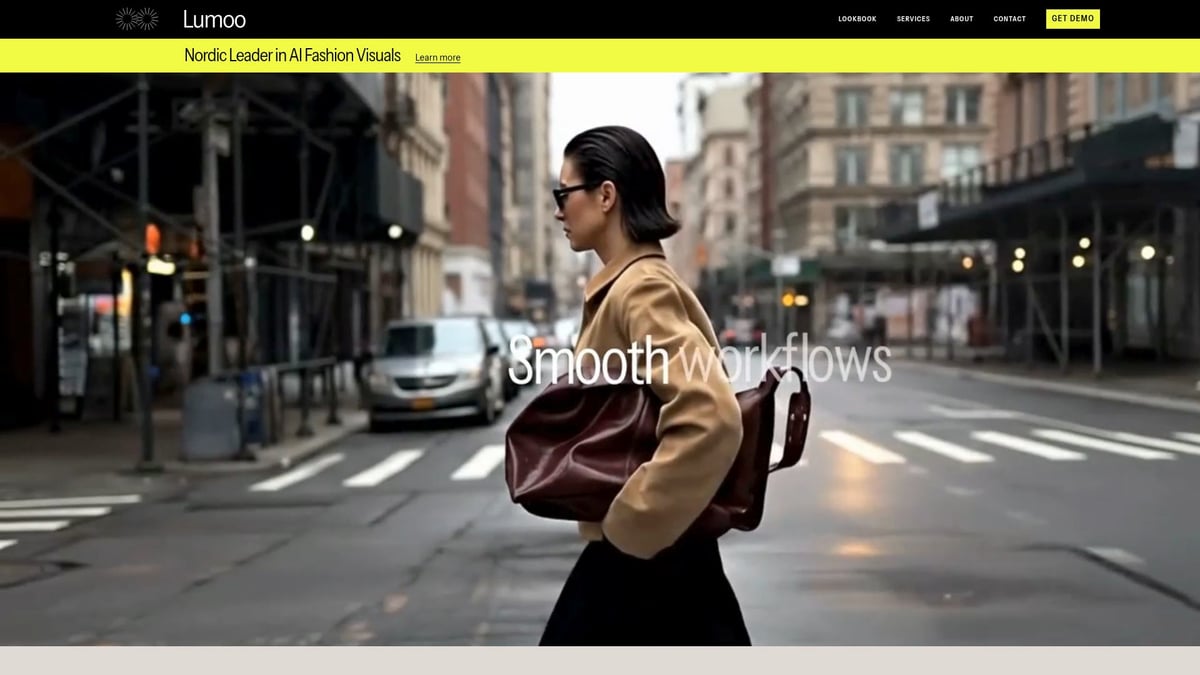
For example, digital stylists and AI-powered content generators can quickly adapt product images for different audiences. This not only supports inclusivity but also drives engagement and loyalty among shoppers seeking authentic representation.
Consumer Attitudes and Market Demands in 2026
Consumer perspectives on gender and fashion are evolving rapidly in 2026. Shoppers seek brands that reflect their values, represent diverse identities, and offer authentic experiences. The push for inclusivity is shaping every aspect of the fashion industry, from design to retail environments.

Shifting Consumer Expectations
The demand for authenticity and inclusivity is at an all-time high in the gender and fashion landscape. Consumers, especially Gen Z and Millennials, expect brands to offer gender-neutral options and to represent all identities genuinely.
- 62% of shoppers now prefer brands with gender-neutral products, according to a Mintel 2026 survey.
- Shoppers look for transparency in brand values, sustainability, and representation.
- Digital access is also driving change. For example, the AI-powered fashion show empowering women in Pakistan demonstrates how technology is breaking down barriers and amplifying diverse voices in global fashion.
Increasingly, consumers expect brands to take clear stances on inclusion, making gender and fashion a central topic in purchasing decisions.
The Retail Response: Store Layouts and Shopping Journeys
Retailers are redesigning shopping experiences to align with changing attitudes toward gender and fashion. The elimination of traditional “men’s” and “women’s” sections is becoming common in both physical and online stores.
- Stores now feature open, fluid layouts with clothing organized by style or fit rather than gender.
- Personalized shopping journeys are offered, allowing customers to express their style without constraints.
- Selfridges’ expansion of its “Agender” department is a leading example, showcasing the shift toward a more inclusive retail environment.
Retailers embracing these changes are building loyalty and trust with consumers who value flexibility and respect for individual identity.
Marketing and Brand Storytelling
Marketing strategies in 2026 highlight inclusivity in gender and fashion. Brands are using diverse models and real customer stories to create authentic connections with their audience.
- Campaigns feature trans, non-binary, and gender-nonconforming models.
- Inclusive ads drive 23% higher engagement, according to Nielsen 2025 data.
- Storytelling emphasizes community, self-expression, and belonging, resonating strongly with today’s consumers.
Brands that prioritize honest, inclusive narratives are seeing measurable results, reinforcing the importance of representation in all marketing efforts.
Challenges and Backlash
Despite progress, challenges remain in the journey toward fully inclusive gender and fashion. Brands must navigate cultural sensitivities and adapt strategies for different regions.
- Some consumers criticize brands for “rainbow-washing” or performative inclusivity.
- Regional differences can lead to backlash if campaigns are not thoughtfully localized.
- Case studies reveal the importance of listening to community voices and responding to feedback transparently.
The path forward requires continuous learning, adaptation, and a commitment to genuine inclusivity in gender and fashion.
Fashion Design, Production, and Retail: Steps Toward Gender Inclusivity
The relationship between gender and fashion is undergoing a profound transformation, reshaping every stage from concept to consumer experience. Brands are actively rethinking their processes to foster inclusivity and authenticity, making this an essential shift for both creative and commercial success.
Step 1: Rethinking Design Philosophy
Modern gender and fashion design begins with reimagining traditional templates. Instead of strictly defining garments as "men's" or "women's," designers are embracing fluid, adaptable silhouettes that cater to a spectrum of identities.
Collaboration is key. Many brands now invite input from gender-diverse designers and consultants to ensure authenticity. This approach is exemplified by Collina Strada, whose co-creation process results in collections that defy binary norms and resonate with a broader audience.
By prioritizing creativity over convention, brands are making gender and fashion more relevant, expressive, and accessible to all.
Step 2: Sourcing and Manufacturing for All Bodies
Sourcing and production practices are evolving to support inclusivity in gender and fashion. Brands are developing sizing systems that accommodate a wide range of body shapes, moving beyond restrictive, binary standards.
Ethical sourcing and transparent manufacturing processes are now non-negotiable. According to Deloitte, 48% of consumers check a brand's inclusivity before making a purchase, highlighting the importance of these changes.
| Inclusivity Factor | Industry Adoption (%) |
|---|---|
| Gender-neutral sizing | 65 |
| Transparent sourcing | 58 |
| Ethical manufacturing | 72 |
These advances ensure that gender and fashion products truly serve everyone, not just those who fit traditional molds.
Step 3: Visual Merchandising and Store Presentation
Retailers are transforming their spaces to better reflect the values of gender and fashion inclusivity. Store layouts are being redesigned to eliminate gendered cues, creating a more welcoming environment for all shoppers.
Key elements include:
- Interactive displays that allow customers to explore styles regardless of gender labels
- Personalized styling zones for self-expression
- Gender-neutral fitting rooms, as seen at Nordstrom, providing privacy and comfort
These updates make the in-store experience more aligned with the evolving landscape of gender and fashion.
Step 4: Marketing, Storytelling, and Community Engagement
Effective marketing in gender and fashion now centers on authentic storytelling and meaningful community engagement. Brands are building narratives that celebrate inclusivity and self-expression, moving beyond token gestures.
Collaboration with LGBTQ+ creators and communities adds depth and credibility to campaigns. Hosting events and workshops, both online and in-person, fosters dialogue and strengthens brand-consumer relationships.
This approach ensures that gender and fashion marketing resonates with a diverse audience and drives long-term loyalty.
Step 5: Ongoing Feedback and Adaptation
The journey toward inclusivity in gender and fashion is ongoing. Leading brands gather consumer input through surveys, focus groups, and social listening to understand evolving needs.
They iterate on collections and campaigns based on real-time feedback. For example, ASOS launched an adaptive fashion pilot program that adjusts designs in response to direct consumer suggestions.
By staying responsive and flexible, businesses in gender and fashion continue to build trust and remain relevant in an ever-changing market.
Future Outlook: Predictions for Gender and Fashion Beyond 2026
The landscape of gender and fashion is on the brink of even greater transformation as we look beyond 2026. Evolving cultural attitudes, legal reforms, and technological advancements are set to reshape the industry, making inclusivity and self-expression central to fashion’s future. What will the next chapter hold for designers, brands, and consumers alike?
Mainstreaming of Gender Fluidity in Global Fashion
As gender and fashion continue to evolve, the mainstreaming of gender fluidity is set to expand beyond Western capitals. The gender and fashion market is projected to grow at a CAGR of 8.5 percent through 2030, according to Allied Market Research. This rapid rise is driven by a new generation of consumers who value authenticity and personal expression.
Designers from regions like South Korea and India are leading the way, introducing collections that challenge local norms and redefine style boundaries. Their work is helping to globalize the conversation around gender and fashion. The shift is also visible in retail strategies, with more stores and online platforms offering agender collections and marketing campaigns that celebrate diversity.
| Region | Key Designers | Notable Trends |
|---|---|---|
| South Korea | Blindness, Ader | Minimalist, fluid silhouettes |
| India | NorBlack NorWhite | Vibrant, non-binary ensembles |
| Western Europe | Telfar, Gucci | Inclusive, global collaborations |
The mainstream embrace of gender and fashion signals a future where style is truly for everyone. This trend will only accelerate as more voices join the movement.
Evolving Legal and Social Frameworks
Legal and social changes are supporting the ongoing evolution of gender and fashion. Many countries are updating passports, IDs, and workplace policies to recognize non-binary and gender-diverse identities. These reforms encourage brands to rethink their approach to representation and inclusion.
Fashion advertising and employment practices are also shifting. More companies are adopting guidelines that protect diverse identities and ensure equal opportunities for models, designers, and retail staff. These changes are making the gender and fashion industry a more welcoming space for all.
As laws and social norms adapt, brands that prioritize inclusivity will be better positioned to connect with future consumers.
The Next Wave of Tech Innovations
Technology will continue to revolutionize gender and fashion in the coming years. AI-powered design tools will enable brands to co-create with consumers, resulting in hyper-personalized digital wardrobes. Shoppers will be able to curate and try on looks virtually, regardless of gender identity.
Virtual fashion shows are set to become widely accessible, allowing diverse audiences to participate and influence trends in real time. The use of blockchain for digital ownership will empower individuals to express themselves beyond physical garments.
These innovations will help bridge the gap between gender and fashion, making the industry more adaptive and responsive to the needs of every individual.
Ongoing Challenges and Opportunities
Despite the progress, gender and fashion will continue to face challenges in balancing inclusivity with brand authenticity. Brands must navigate intersectional issues, addressing how race, ability, and gender intersect in both design and marketing.
Education will play a critical role in shaping future designers and consumers. Schools and industry programs are beginning to incorporate lessons on gender diversity and inclusive design, but there is still much work to be done.
The opportunity lies in creating products and experiences that honor the complexity of identity, while avoiding tokenism or performative gestures.
The Role of Fashion in Broader Social Change
Fashion has always been a catalyst for social transformation, and its influence on gender and fashion will only grow. As brands and individuals embrace more inclusive approaches, the ripple effect will be felt across beauty, sports, and entertainment.
Expect to see fashion driving acceptance and visibility for marginalized communities. The next decade promises even more collaboration between industries, leading to new forms of creative expression and social impact.
Ultimately, the evolution of gender and fashion will help shape a world where everyone can define themselves on their own terms.
As you’ve just seen, fashion in 2026 is about more than trends—it’s about embracing diversity, challenging old boundaries, and using technology to create truly inclusive experiences for everyone. If you’re ready to move beyond traditional categories and explore how AI-powered tools can elevate your brand’s visual storytelling for all gender identities, let’s take the next step together. Discover how you can transform your product images and connect with a broader, more engaged audience by trying out Lumoo Studio’s innovative solutions firsthand. Curious to see what’s possible? Get Demo