Gender Fashion Guide 2026: Embracing Inclusive Style
Explore the 2026 gender fashion revolution with inclusive trends, expert styling tips, and leading brands. Embrace self expression and stay ahead in style.

Step into 2026, where gender fashion is at the forefront of a movement that celebrates every identity. The days of rigid dress codes are fading, replaced by a culture that values self-expression over restriction.
Today, gender fashion is evolving as designers, brands, and consumers push for inclusive, boundary-breaking styles. This shift reflects social change and a demand for authenticity.
In this guide, you’ll discover how gender fashion impacts self-expression, market innovation, and representation. We’ll explore the history, cultural impact, key trends, leading brands, and practical tips for embracing inclusive style in 2026.
The Evolution of Gender and Fashion
Fashion's relationship with gender has never been static. Throughout history, clothing has reflected much more than personal taste—it has signaled status, cultural norms, and shifting attitudes. Today, gender fashion is at the heart of a global transformation, moving toward greater inclusivity and freedom for all identities.

Historical Perspectives on Gendered Clothing
In early societies, clothing was more a reflection of social class and status than a marker of gender. Feudal Europe saw both men and women in elaborate fabrics, with Renaissance men often donning lace, embroidery, and rich colors. It was only through economic changes and stricter societal roles that clothing began to signal gender more distinctly.
Key milestones in gender fashion history include the 1920s and 1930s, when the "Bright Young Things" blurred boundaries with flamboyant styles and gender play. The 1960s brought social revolutions that challenged dress codes, while cultural icons like David Bowie, Marlene Dietrich, and Katherine Hepburn further pushed the envelope by mixing masculine and feminine elements.
As corsets gave way to trousers for women, and suits became more expressive for men, it became clear that gender fashion trends are cyclical. What once was radical often returns, proving that the concept of fluid style is deeply rooted in fashion's past.
The Rise of Gender Fluidity in Modern Fashion
Entering the 21st century, traditional gender fashion norms began to face significant challenges. Gen Z and Millennials, in particular, have led the charge, with studies showing that 56% of young consumers shop outside their assigned gender categories. This shift has brought non-binary and androgynous collections into the mainstream.
Notable moments, such as Harry Styles wearing a dress on a Vogue cover and the introduction of YSL’s “Le Smoking” tuxedo for women, have captured public attention. Social media platforms have amplified these trends, allowing non-binary style to move from niche to widespread acceptance.
Today, gender fashion is defined by freedom of expression rather than restriction. The blending of styles, silhouettes, and influences reflects a culture that values authenticity and personal identity above old binaries.
Cultural and Social Drivers of Inclusive Fashion
The evolution of gender fashion is inseparable from broader cultural shifts. LGBTQ+ advocacy and increased visibility have played a crucial role in transforming attitudes toward gender identity and style. Music, film, and pop culture continue to challenge and redefine what is seen as acceptable or trendy.
Activism and celebrity endorsements have been powerful catalysts. For example, 41% of Gen Z now identify as neutral on the gender spectrum, according to recent studies. Representation in media and fashion shows has helped normalize diverse identities, fueling new trends and expanding what gender fashion can mean.
Inclusivity and visibility are now essential for brands and designers. As more people seek clothing that reflects their true selves, the demand for gender fashion that transcends binary categories only grows.
The Business Case for Gender-Inclusive Fashion
The commercial landscape for gender fashion is rapidly evolving. Consumer demand for inclusive sizing and non-gendered collections is stronger than ever. Retailers are adapting by creating unisex sections, flexible displays, and more accessible shopping experiences.
Brands that prioritize gender-inclusive design see increased engagement and loyalty. AI and data-driven tools allow them to forecast trends and meet diverse needs with greater accuracy. By designing with inclusivity in mind, companies reduce unsold inventory and returns, achieving both financial and ethical gains.
A recent Gender Neutral Clothing Market Analysis highlights the robust growth and innovation in this sector, driven largely by Gen Z and Millennial consumers. Their economic power is shifting industry standards, making gender fashion a key driver of market growth and creativity.
As the industry embraces these changes, gender fashion stands as both a symbol and a catalyst for broader social progress.
Key Gender-Inclusive Fashion Trends for 2026
The landscape of gender fashion in 2026 is defined by innovation, comfort, and a bold embrace of individuality. As designers and consumers alike reject binary boundaries, new trends offer everyone space to express their authentic selves. Let’s explore the leading movements shaping gender-inclusive style this year.

Oversized and Fluid Silhouettes
Oversized and fluid silhouettes are at the forefront of gender fashion, blurring the lines between traditional masculine and feminine forms. Baggy denim, loose shirts, and oversized sweatshirts dominate runways and street style scenes. According to recent projections, oversized items have seen a 24% increase in popularity among females globally, showing that comfort and expression now trump outdated norms.
Designers embrace relaxed fits, allowing freedom of movement and creativity in layering. The shift resonates with a growing demand for inclusive sizing and non-restrictive garments. For those tracking market shifts, the Unisex Clothing Market Growth Projections reveal a significant rise in unisex collections, confirming the staying power of this trend in gender fashion.
The Power Suit Reimagined
Suits have undergone a remarkable transformation in gender fashion. Once a symbol of rigid masculinity, today’s power suits are fluid, accessible, and empowering for everyone. Modern tailoring features softer lines, extended shoulders, and playful proportions.
Pinstripe suits now see growth across all genders: up 33% for men and 5% for women globally. Labels like YSL, Gucci, and JW Anderson lead the charge, offering tuxedos, blazers, and tailored trousers as unisex staples. The reimagined suit is less about conformity and more about making a personal statement in gender fashion, whether paired with sneakers or layered over bold prints.
Denim Without Borders
Denim’s evolution in gender fashion is a testament to its versatility. Boyfriend jeans, originally designed for men, have become must-haves for all identities. Projections show a 13% growth for women and a 3% increase for men in the next two years.
Beyond jeans, relaxed denim jackets and cargo pants are now universally styled. Cultural icons like Aaliyah and Missy Elliott famously mixed masculine and feminine denim pieces, inspiring today’s trendsetters. Denim’s adaptability means it remains a constant in the gender fashion movement, championing comfort and freedom.
Sneakers and Footwear for Everyone
Sneakers have become the ultimate gender-neutral accessory in gender fashion. Retro football sneakers, in particular, are gaining traction, with a 5% increase among females and a 9% overall rise in the US. The “Bloke Core” trend, inspired by sportswear, emphasizes practicality, comfort, and inclusivity.
Brands now design and market sneakers without gendered labels, focusing on fit, color, and style preferences for all. Whether paired with suits or streetwear, sneakers symbolize the shift toward accessible, everyday gender fashion. This trend ensures footwear is for everyone, regardless of identity.
Vintage Leather Jackets and Timeless Outerwear
Vintage leather jackets are a timeless staple in gender fashion, transcending labels and generations. Vintage shopping culture encourages genderless browsing, and leather’s popularity continues to soar. Leather material has grown by 26% for men, while leather jackets enjoy a 20% global increase, especially among 16-35-year-olds.
Shoppers seek unique, pre-loved pieces that tell a story. The appeal lies in versatility—leather jackets pair effortlessly with both tailored and relaxed looks. This trend proves that timeless outerwear is an anchor of gender fashion, offering both edge and elegance.
Color, Print, and Material Liberation
Color, print, and material liberation have revolutionized gender fashion. No longer limited by “pink for girls” or “blue for boys,” designers and wearers embrace bold prints, metallics, and mixed textiles. Recent collections showcase vibrant palettes and creative patterns, encouraging everyone to express their personality.
Streetwear and high fashion alike celebrate color psychology, using hues to evoke confidence and joy. Accessories like statement sneakers or mixed-metal jewelry play a key role in customizing looks. This liberation reflects the core philosophy of 2026 gender fashion: be authentic, be seen, and break every mold.
Media, Representation, and the Role of Pop Culture
Media and pop culture have become powerful engines for change in gender fashion. Their influence shapes perceptions, amplifies diversity, and accelerates the normalization of inclusive style in society.

The Importance of Visibility in Fashion Media
Visibility in fashion media has played a crucial role in advancing gender fashion. When non-binary and transgender models like Grace Jones, Hari Nef, and Jonathan Van Ness appear in leading campaigns, they challenge traditional norms and inspire broader acceptance.
Fashion magazines and international runways are now platforms for authentic representation. Gen Z, who are shaping the future of gender fashion, demand diversity and see themselves reflected in these spaces. In fact, over half of Gen Z identify as something other than heterosexual, highlighting the importance of inclusive visibility.
Media coverage and editorial choices are now closely linked to market trends. According to the Gender-Neutral Fashion Market Report, gender-neutral collections are gaining momentum globally, driven by both media representation and shifting consumer expectations. This synergy between visibility and market demand is reshaping how brands approach their audiences.
Celebrity and Influencer Impact
Celebrities and influencers are at the forefront of gender fashion’s evolution. Harry Styles’ Vogue cover, where he wore a dress, sparked global conversations and made gender-fluid style more visible and accepted.
Icons like Lil Nas X and Janelle Monáe consistently challenge gender norms, blending masculine and feminine aesthetics in their public appearances. Their choices resonate with millions and set new standards for what is possible in gender fashion.
Social platforms like TikTok and Instagram amplify these influences, making trends accessible to everyone. Micro-influencers and niche communities further democratize fashion inspiration, allowing diverse voices to shape the narrative. Through these networks, gender fashion is no longer limited to the runway or high-profile campaigns; it becomes part of everyday expression.
Brand Storytelling and Authenticity
Authentic storytelling is redefining how brands engage with gender fashion. The shift from tokenism to genuine inclusion is visible in campaigns that feature real people and diverse casting. Brands like Gucci and Molly Goddard have embraced this approach, launching gender-fluid collections and prioritizing representation.
Consumer trust and loyalty hinge on authenticity. When brands share stories that resonate with a wider audience, they foster deeper connections. For gender fashion, this means moving beyond surface-level gestures to embrace real change.
Storytelling is a catalyst for progress. It shapes public perception, builds community, and drives industry transformation. As gender fashion continues to evolve, brands that prioritize authentic narratives and inclusive representation will lead the way forward.
Leading Brands and Innovators in Inclusive Fashion
The evolution of gender fashion is driven by pioneering brands and innovators who challenge tradition and champion inclusivity. As the demand for non-binary and gender-neutral style continues to surge, these leaders are reshaping the industry and setting new standards for representation, creativity, and technology.
Pioneering Labels and Their Strategies
Trailblazers like Gucci, JW Anderson, and Molly Goddard are at the forefront of gender fashion, consistently introducing genderless collections that challenge old norms. Gucci’s gender-fluid lines and bold campaigns have set benchmarks for authenticity and creativity. Meanwhile, JW Anderson’s playful approach to silhouette and color blurs the boundaries between masculine and feminine, while Molly Goddard is celebrated for inclusive casting and experimental design.
Retail innovation is also key. The British Fashion Council now hosts unified fashion weeks, showcasing collections without binary categories. Brands like Tanner Fletcher are setting new standards with unisex sizing, flexible merchandising, and gender-neutral retail spaces that invite everyone to explore freely.
This industry shift is backed by strong market data. For a comprehensive look at growth rates, market share, and demographic shifts, the Genderless Clothing Market Evaluation provides essential insights into the expanding landscape of gender fashion.
- Unified fashion weeks break down barriers.
- Unisex sizing and merchandising improve accessibility.
- Inclusive campaigns build trust and loyalty.
The Role of Technology and AI in Inclusive Design
Technology is reshaping gender fashion by making design and shopping more inclusive. AI-powered trend forecasting helps brands predict what non-binary consumers want, while data-driven merchandising ensures inventory meets real needs. Virtual try-on experiences and inclusive sizing tools let shoppers of all identities find the perfect fit, increasing satisfaction and reducing returns.
Retailers now use AI to visualize how garments drape across different body types, moving beyond traditional gender categories. This enhances both the design process and the customer experience, making gender fashion more accessible and personalized.
- AI-driven personalization tailors style recommendations.
- Data analytics refine inventory for diverse consumers.
- Virtual try-ons foster confidence and inclusivity.
How AI Visual Solutions Empower Inclusive Fashion
AI visual tools, like Lumoo Studio, are transforming how brands present gender fashion. These platforms enable the creation of dynamic visuals featuring diverse models, ensuring representation for every identity. Features such as Lumoo Sizes allow brands to showcase true-to-life fits across a spectrum of body types, making campaigns more relatable and aspirational.
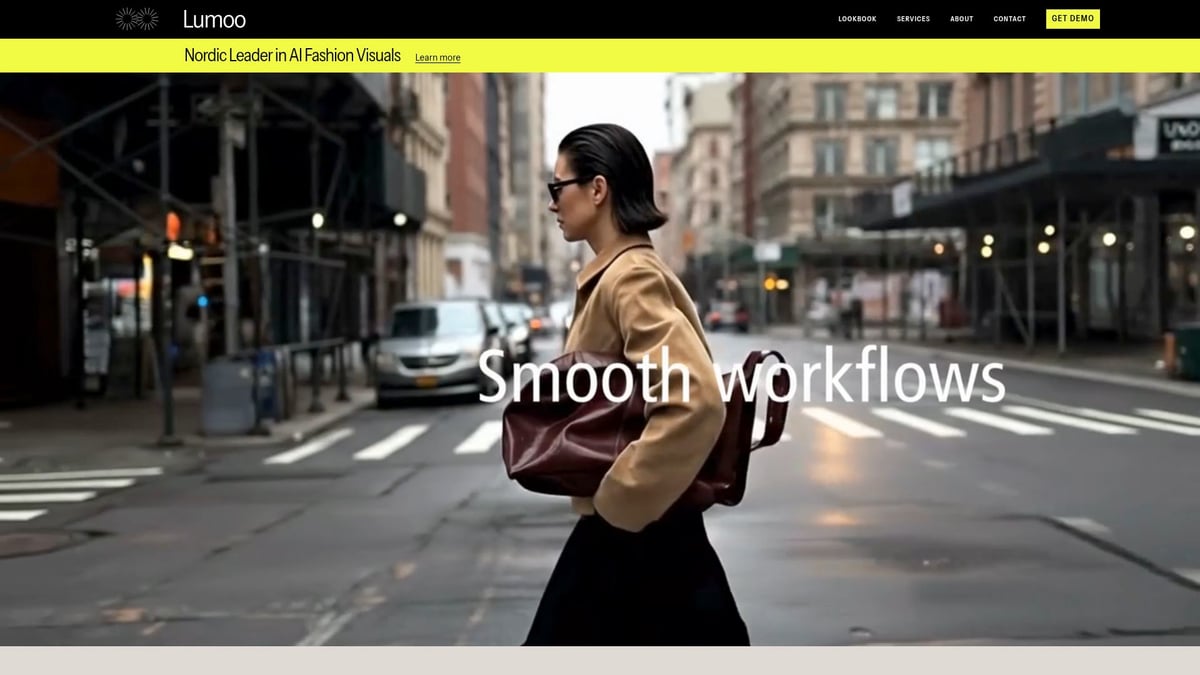
Virtual try-on technology and model diversity are now industry essentials. Brands can rapidly adapt campaigns to reflect new gender fashion trends, keeping them relevant and authentic. Companies leveraging AI visual solutions are not just following trends—they are driving the future of inclusive style.
- Lumoo Studio streamlines content creation for inclusivity.
- Brands visualize real-world diversity in lookbooks.
- Campaigns adapt quickly to evolving gender fashion.
How to Embrace Inclusive Style: A Practical Guide
Adopting gender fashion trends in 2026 means moving beyond outdated binaries and embracing authenticity. This guide provides actionable steps for anyone looking to cultivate a wardrobe and mindset that reflect the values of gender fashion. Whether you are new to inclusive style or ready to refine your look, these strategies will help you confidently navigate the world of gender fashion.
Step 1: Rethink Your Wardrobe Foundations
Start by examining your current clothing for gendered assumptions. Identify pieces defined by traditional categories and consider how they serve your self-expression. Gender fashion thrives on comfort and versatility, not restrictive labels.
Build your foundation with basics that work across identities:
- Oversized T-shirts in neutral tones
- Unisex denim in relaxed fits
- Jackets and outerwear with fluid silhouettes
Mix and match pieces from both "men's" and "women's" sections. Try building a capsule wardrobe that emphasizes layering and adaptability. For example, a loose shirt can be paired with wide-leg jeans or tailored trousers, offering endless combinations. Gender fashion encourages you to prioritize what feels right, not what tradition dictates.
Step 2: Shop Brands Championing Inclusivity
Look for retailers and designers who prioritize diversity and inclusion in gender fashion. Seek out brands with unisex collections, flexible sizing, and visible representation in their campaigns. Many leading labels now offer dedicated gender-neutral sections, making it easier to find pieces that resonate with your style.
When shopping online, use virtual try-on tools and size guides to ensure the best fit. Support emerging designers who are innovating in the gender fashion space. Pay attention to marketing imagery; brands that showcase a range of models signal a genuine commitment to inclusion.
Some major retailers now integrate gender-neutral collections in-store, making exploration more accessible. This proactive approach fosters a more welcoming experience for all who value gender fashion.
Step 3: Experiment with Color, Print, and Texture
Break free from outdated color stereotypes by embracing a spectrum of shades in your gender fashion journey. Pastels, bold hues, metallics, and prints are all welcome. Mix patterns and materials to create a look that is uniquely yours.
Try these ideas:
- Combine plaid with floral or abstract prints
- Layer metallic accessories over neutral bases
- Mix denim with leather or knits for depth
Street style and fashion weeks are rich sources of inspiration for gender fashion. Accessories also offer a playful way to personalize your look. Think statement sneakers or mixed-metal jewelry that bridge masculine, feminine, and neutral elements. The freedom to experiment is central to gender fashion.
Step 4: Style for Your Identity, Not the Binary
Gender fashion is about aligning your wardrobe with your identity, not imposed categories. Combine traditionally masculine, feminine, and neutral pieces as you see fit. Layering is a powerful tool—use vests, blazers, skirts, and wide-leg pants to create fluid silhouettes.
Tips for expressing yourself:
- Pair a tailored blazer with a flowing skirt or jeans
- Use belts and scarves to play with shape and structure
- Draw inspiration from social media and online communities
Adapt trends to your comfort level. If you feel confident, your style will reflect that. Gender fashion celebrates personal choice, so let your preferences guide you. There is no single formula for success, only what feels authentic to you.
Step 5: Advocate and Engage with the Inclusive Fashion Community
Supporting the broader movement for inclusive gender fashion means engaging with creators and communities. Follow non-binary and LGBTQ+ influencers to stay inspired and informed. Participate in forums, local events, or online groups where ideas and experiences are shared.
Ways to get involved:
- Share your gender fashion journey on social media
- Give feedback to brands about their inclusive offerings
- Join advocacy campaigns or diversity panels
Your voice helps shape the future of gender fashion. By encouraging brands and supporting peers, you contribute to a more welcoming, innovative industry. Collective action and visibility drive ongoing progress in gender fashion.
The Future of Gender-Inclusive Fashion: Trends and Predictions for 2026
As 2026 approaches, gender fashion is set to redefine the global style landscape. The industry is experiencing a pivotal transformation, making inclusivity the new standard. Consumers, brands, and designers are driving a future where authentic self-expression is at the core of every collection.
Normalization of Fluidity in Mainstream Fashion
In 2026, gender fashion is no longer considered alternative, but is woven into the fabric of mainstream style. Major fashion weeks now feature genderless collections as a norm rather than an exception. Designers focus on how fabrics drape and move, prioritizing comfort and individuality over binary categories.
Cultural acceptance continues to grow, fueled by ongoing advocacy, media representation, and consumer demand for authenticity. Data-driven predictions indicate increased market demand for non-binary options. Brands are listening and responding, showcasing collections that allow everyone to express themselves freely.
A new generation views gender fashion as a tool for empowerment. This normalization sets a precedent for innovation and inclusivity within the industry.
Innovations in Retail and Shopping Experience
Retail is transforming to support the rise of gender fashion. Physical stores and digital platforms are merging traditional men's and women's departments into unified, gender-neutral spaces. Shopping is more personalized than ever, thanks to AI-powered recommendations and data analytics that cater to diverse preferences.
Virtual fitting rooms and 3D visualization tools make it easy for all body types to find perfect fits. E-commerce integrates inclusive style seamlessly, allowing shoppers to browse collections based on style, fit, and mood, rather than gendered labels.
Brands are embracing these innovations, making the shopping experience more accessible and enjoyable. The future of gender fashion retail is interactive, adaptive, and welcoming to everyone.
Societal Impact and the Road Ahead
The evolution of gender fashion has ripple effects beyond clothing. Fashion is helping to shape more open attitudes toward gender identity and self-expression. Education and media continue to play critical roles in sustaining progress, highlighting the importance of representation and inclusivity.
However, challenges remain. Size inclusivity, accessibility, and reaching global audiences are ongoing concerns. Continued advocacy, community engagement, and consumer demand are essential for lasting change.
Looking ahead, experts predict that gender fashion will drive even greater innovation in design, retail, and communication. The next five years promise new milestones in inclusivity, making fashion a powerful catalyst for societal acceptance and personal freedom.
As we look ahead to a future where fashion is defined by authenticity and inclusivity, it's clear that embracing gender fluid style is more than a trend—it’s a movement toward self-expression and connection. You’ve seen how technology like AI is empowering brands to create visuals that truly reflect diverse identities and how practical steps can help you build a wardrobe that feels right for you. If you’re curious how these innovations can elevate your own brand’s visual storytelling or want to experience inclusive fashion technology firsthand, I invite you to Get Demo and see what’s possible.