High Fashion Retail Guide: Trends and Strategies for 2026
Explore the future of high fashion retail in 2026 with expert insights on trends, technology, sustainability, and strategies to elevate your luxury brand.

The world of high fashion retail is undergoing a dramatic transformation, with 2026 set to redefine how brands and consumers interact. Rapid shifts in technology, consumer expectations, and global markets are accelerating change at an unprecedented pace.
This guide will explore the essential trends, cutting-edge technologies, and forward-thinking strategies shaping high fashion retail for the years ahead. You will discover how consumer behaviors are evolving, what digital innovations are leading the way, and why sustainability and immersive experiences are now business imperatives.
Prepare to unlock actionable insights that will help future-proof your business and position you at the forefront of the high fashion retail revolution.
The High Fashion Retail Landscape in 2026
The landscape of high fashion retail in 2026 is defined by unprecedented change and opportunity. Brands and consumers are navigating a rapidly evolving world where technology, demographics, and global forces converge to reshape the luxury experience. To stay ahead, it is crucial to understand the key trends, competitive shifts, and market data that will define this dynamic era.
Macro Trends Shaping High Fashion
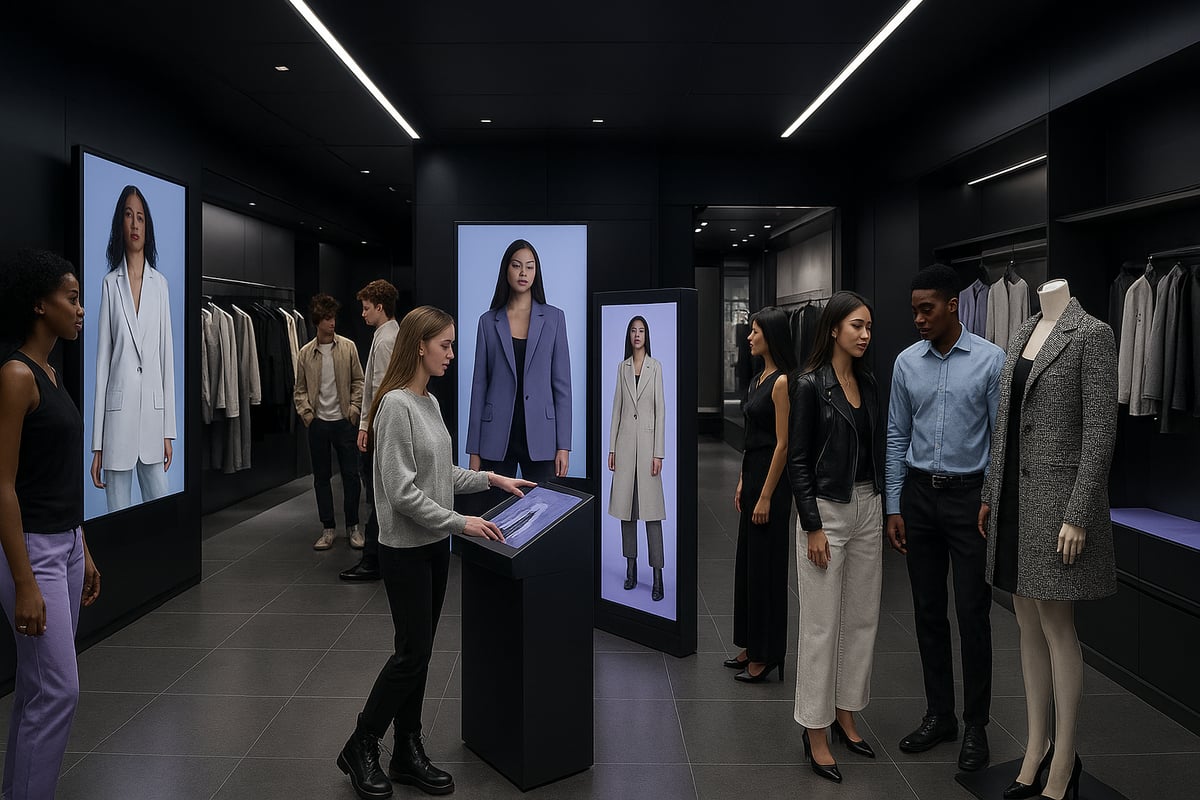
Several macro trends are set to transform high fashion retail by 2026. The rise of Gen Z and Gen Alpha as primary luxury consumers is already influencing brand strategies. These younger shoppers expect seamless, digital-first experiences, personalized journeys, and authentic brand values.
Globalization continues to expand the reach of high fashion retail, with Asian markets—especially China and Southeast Asia—playing a pivotal role in luxury growth. Digital-first shopping behaviors are now the norm, with omnichannel expectations driving brands to blend physical and online experiences. Political and economic shifts, such as changing trade policies and fluctuating currencies, impact luxury spending patterns worldwide.
Transparency and ethical sourcing have become non-negotiable for consumers. Shoppers demand to know where and how products are made, pushing brands to adopt more sustainable practices. To explore these trends in depth, the State of Fashion 2026 Report offers a comprehensive analysis of how these forces will shape the future of high fashion retail.
Competitive Dynamics and Market Leaders
The competitive landscape of high fashion retail is more dynamic than ever. Established luxury houses are reinventing themselves to meet the expectations of younger, tech-savvy audiences. Many are investing in digital transformation, expanding their omnichannel capabilities, and experimenting with new business models.
Digital-native luxury brands are emerging as formidable competitors. These brands leverage technology, data, and social media to connect directly with consumers. Mergers, acquisitions, and creative collaborations are also reshaping the sector, enabling traditional players to tap into new talent pools and fresh perspectives.
Brand loyalty is no longer guaranteed. High fashion retail leaders must continuously innovate, create memorable experiences, and differentiate themselves through storytelling and purpose. The brands that succeed will be those that adapt quickly to shifting consumer preferences and leverage strategic partnerships for growth.
Data Points and Market Size
By 2026, the global luxury fashion market is projected to reach significant new heights. Industry analysts forecast a market value approaching $400 billion, with a growing share captured by high fashion retail brands that embrace digital transformation.
The balance between online and offline sales is shifting. Recent data indicates that online luxury sales could account for up to 35% of total revenue, reflecting the importance of e-commerce and omnichannel strategies. Regional growth is especially strong in Asia, with China expected to remain the largest single market.
Below is a snapshot of the high fashion retail market in 2026:
| Metric | 2026 Projection |
|---|---|
| Global Market Value | $400 billion |
| Online Luxury Sales Share | 35% |
| Leading Growth Region | Asia (especially China) |
| Key Consumer Demographic | Gen Z and Gen Alpha |
Understanding these data points empowers brands to make informed decisions, tailor their strategies, and capture emerging opportunities in high fashion retail.
Key Trends Driving High Fashion Retail
High fashion retail is experiencing a remarkable transformation as we approach 2026. The industry is not only evolving in response to consumer preferences, but also leveraging technology, sustainability, and inclusivity to define new standards. Brands must recognize these trends to stay competitive in the high fashion retail landscape.
Hyper-Personalization and AI-Driven Experiences
Personalization is at the heart of high fashion retail innovation. AI-powered platforms now create tailored shopping journeys, offering individualized product recommendations in real time. Virtual stylists, advanced chatbots, and intelligent fitting tools have become essential for luxury brands seeking to elevate the customer experience.
Major fashion houses and digital-native brands alike are investing in AI to boost engagement and loyalty. For instance, AI can analyze purchase history, style preferences, and even social media activity to suggest outfits or accessories, making each interaction feel bespoke. According to AI's Impact on Luxury Fashion, luxury brands are integrating AI solutions to enhance clienteling and operational efficiency. This trend is set to accelerate, further blurring the line between physical and digital experiences in high fashion retail.
Sustainability and Circular Fashion
Sustainability has become a non-negotiable pillar in high fashion retail. Consumers are demanding transparency, ethical sourcing, and environmental responsibility from their favorite brands. The shift toward eco-friendly materials, responsible production methods, and low-impact packaging is now mainstream.
Circular fashion models are gaining traction. Resale platforms, upcycled collections, and rental services are opening new revenue streams while reducing waste. Recent studies show that a significant percentage of luxury shoppers—especially among Gen Z and Alpha—prioritize sustainability when making purchasing decisions. High fashion retail brands that embrace these practices are not only future-proofing their business, but also building deeper trust with conscious consumers.
Digital Fashion and Virtual Goods
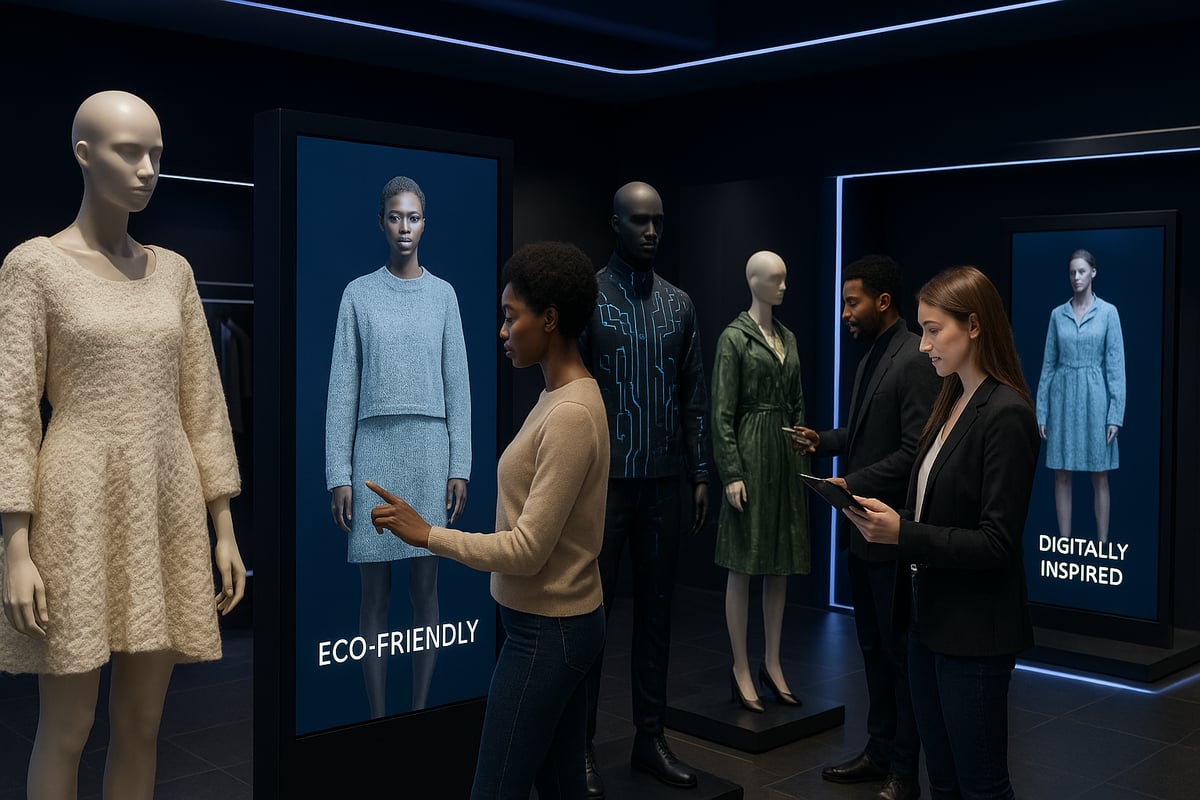
Digital innovation has unlocked new frontiers for high fashion retail. Virtual clothing, NFTs, and metaverse experiences are rapidly becoming part of the luxury ecosystem. Brands are capitalizing on digital assets, offering exclusive virtual collections that appeal to tech-savvy customers and collectors.
Major luxury names have launched digital-only drops, allowing consumers to purchase and showcase designer items in online worlds. These initiatives drive brand visibility and open up new forms of engagement. As the metaverse matures, high fashion retail will continue to expand its virtual footprint, blending artistry, technology, and exclusivity.
Experiential Retail and Phygital Integration
Experiential retail is redefining how customers interact with high fashion retail. Brands are merging physical and digital touchpoints, creating immersive environments in flagship stores and pop-ups. Augmented reality, interactive displays, and smart fitting rooms offer memorable shopping experiences that drive deeper engagement.
Recent data highlights a significant boost in consumer engagement rates for experiential retail concepts. These strategies help differentiate brands, increase footfall, and encourage social sharing. For high fashion retail, phygital integration is not just a trend, but a necessity for building lasting customer relationships.
Inclusive Sizing and Diversity
Inclusivity is reshaping high fashion retail, pushing brands to expand their product ranges and embrace diverse representation. More labels are offering extended sizing, adaptive designs, and collections that reflect a broader spectrum of cultures and identities.
Campaigns and storytelling now feature models of various backgrounds, ages, and body types, resonating with a wider audience. Leading brands in high fashion retail are setting new industry standards by championing diversity at every touchpoint. This shift not only meets evolving consumer expectations, but also strengthens brand loyalty and relevance.
Strategic Imperatives for High Fashion Retailers
As high fashion retail approaches 2026, brands must adopt a proactive approach to remain competitive. The landscape is evolving rapidly, shaped by digital transformation, shifting consumer values, and operational complexity. Strategic imperatives are essential for brands aiming to thrive in this dynamic environment.

Omnichannel Excellence
In 2026, omnichannel integration is a non-negotiable pillar for high fashion retail success. Consumers expect seamless transitions between online and offline experiences, with brands offering flexible services like curbside pickup, same-day delivery, and virtual appointments.
Luxury customers increasingly use multiple channels before making a purchase. For example, a client might explore collections online, schedule a virtual styling session, then visit a physical boutique to complete the experience. Brands excelling in omnichannel strategies leverage data-driven insights to personalize journeys, ensuring each touchpoint aligns with their clientele's expectations.
A well-executed omnichannel approach not only enhances satisfaction but also drives higher conversion rates. High fashion retail brands that prioritize this integration are better positioned to capture and retain discerning customers.
Data-Driven Decision Making
Harnessing data is transforming high fashion retail operations, from inventory management to personalized marketing. Advanced analytics enable brands to forecast demand, optimize merchandising, and create tailored experiences that resonate with luxury consumers.
Leading companies invest in predictive tools and real-time dashboards to monitor trends, track customer preferences, and make informed decisions. Artificial intelligence further amplifies this capability, allowing for granular segmentation and hyper-personalized outreach. For a deeper look at how AI is redefining client engagement, see this AI-Driven Personal Shopping in Luxury resource.
The ability to turn insights into action gives brands a crucial competitive edge. In high fashion retail, data-driven strategies are not just an advantage, they are a necessity for future growth.
Supply Chain Innovation and Agility
Supply chain resilience is vital for high fashion retail success in a volatile global market. Brands are shifting toward nearshoring, on-demand production, and shorter lead times to reduce risk and respond faster to trends.
Blockchain technology is increasingly used for transparency and traceability, ensuring authenticity and ethical sourcing. These innovations not only address consumer demands for accountability but also minimize stockouts and waste.
Agile supply chains enable high fashion retail brands to adapt to disruptions, meet sustainability goals, and maintain product excellence. Investing in robust logistics and digital tools is a strategic imperative for long-term success.
Brand Differentiation and Storytelling
Standing out in high fashion retail requires more than exceptional products. Brands must craft compelling narratives that connect emotionally with their audience. Storytelling, whether through digital campaigns or collaborations with artists and influencers, builds loyalty and sets brands apart.
Unique brand stories foster deeper relationships, turning customers into advocates. Collaborations and limited-edition releases generate excitement and exclusivity, keeping the brand top-of-mind.
In a crowded marketplace, differentiation through storytelling is a powerful lever for high fashion retail brands seeking to elevate their presence and drive growth.
Talent and Organizational Transformation
Digital transformation in high fashion retail demands new skills and agile teams. Brands are investing in upskilling employees, creating roles like digital merchandisers, AI specialists, and sustainability leads to match evolving needs.
Continuous learning and leadership development are critical. Organizations that empower talent foster innovation, adaptability, and resilience. By prioritizing talent transformation, high fashion retail brands ensure they remain competitive and future-ready.
A culture of growth and digital fluency not only attracts top talent but also sustains momentum in a rapidly changing industry. As the sector advances, talent strategy remains a cornerstone of high fashion retail success.
The Role of Technology in Transforming High Fashion Retail
Technology is redefining high fashion retail, empowering brands to innovate and stay ahead in a rapidly shifting landscape. From AI-driven personalization to blockchain authentication, the integration of advanced solutions is shaping both consumer experiences and operational efficiency. For brands aiming to lead in 2026, understanding these tools is crucial.

AI and Machine Learning Applications
Artificial intelligence is transforming high fashion retail by unlocking deep personalization and streamlined operations. Brands now leverage AI-powered engines to analyze massive datasets, delivering bespoke recommendations and predicting emerging trends with remarkable accuracy.
Machine learning tools enable real-time inventory optimization and dynamic pricing. Visual search and product tagging powered by AI simplify discovery, letting shoppers find items through images or even by snapping a photo. Leading luxury houses use AI-driven design tools to test new patterns, colors, and silhouettes before production, reducing waste and accelerating innovation.
For example, AI platforms can forecast demand for specific styles, helping high fashion retail brands minimize overproduction. According to the Luxury Retail Trends 2025 Report, data-driven insights are now a cornerstone for luxury market leaders, shaping everything from product launches to campaign targeting.
Augmented Reality (AR) and Virtual Try-On
Augmented reality is elevating the high fashion retail experience, both online and in-store. AR-powered virtual fitting rooms let customers visualize garments on themselves without physical contact. This reduces friction and increases confidence in online purchases, addressing a longstanding challenge for luxury apparel.
Brands also employ 3D product visualizations, allowing shoppers to inspect details and textures from every angle. In flagship stores, AR mirrors and interactive displays create immersive environments that blend digital and physical worlds. These innovations drive longer dwell times and higher engagement.
Recent data shows that integrating AR in high fashion retail can boost conversion rates by up to 30 percent, as customers are more likely to complete purchases when they can see how products look and fit in real time.
Blockchain and Authentication
Blockchain technology is driving a new era of trust in high fashion retail. With counterfeiting and authenticity concerns on the rise, brands are turning to blockchain to secure provenance and build consumer confidence.
Digital certificates anchored on blockchain provide tamper-proof records of product origin and ownership. Some luxury brands are experimenting with NFT-based authentication, where each item is paired with a unique digital token. This not only combats counterfeiting but also adds value for collectors and resale markets.
By implementing blockchain, high fashion retail brands can offer transparent supply chains, reassuring customers about ethical sourcing and product legitimacy. This technology is quickly becoming a standard for those committed to protecting brand integrity and elevating the luxury experience.
Advanced CRM and Clienteling Tools
The evolution of customer relationship management is central to high fashion retail success. Advanced CRM platforms aggregate real-time data from every touchpoint, enabling hyper-personalized outreach and tailored loyalty programs.
Clienteling tools empower store associates to deliver bespoke service, whether through customized recommendations or exclusive invitations. These systems track preferences, purchase history, and even event attendance, ensuring every interaction feels meaningful.
Brands investing in advanced CRM have seen measurable improvements in customer retention and lifetime value. In the competitive world of high fashion retail, deepening relationships through data-driven engagement is essential for differentiation and long-term growth.
Building Experiential and Immersive Retail Environments
The evolution of high fashion retail is defined by immersive, experience-driven environments. As consumers seek more than just products, brands are reimagining how physical and digital spaces intersect. Experiential retail is now a core differentiator, helping high fashion retail brands build loyalty and elevate their presence.
Flagship Store Innovations
Flagship stores are the centerpiece of high fashion retail, setting the tone for brand identity and customer engagement. Leading brands are transforming these spaces into interactive showcases that blend art, technology, and luxury.
Multi-sensory design is now standard. Ambient scents, curated soundscapes, and tactile installations immerse visitors, making every visit memorable. Interactive installations, such as digital mirrors or AI-powered fitting rooms, enable shoppers to visualize outfits and personalize their experiences.
The integration of AR and VR is reshaping how consumers interact with products. Customers can virtually try on pieces, explore limited collections, or view fashion shows in real time. Notable redesigns by luxury brands incorporate these technologies, creating a seamless bridge between online and offline high fashion retail experiences.
Retailers are increasingly using flagship stores as hubs for storytelling, hosting exclusive launches and artist collaborations. This innovative approach deepens brand loyalty and keeps high fashion retail at the forefront of experiential trends.
Pop-Ups, Events, and Collaborations
Pop-up shops and exclusive events have become essential for high fashion retail brands aiming to generate excitement and foster exclusivity. These temporary spaces offer limited-edition drops and previews, creating a sense of urgency and engagement among luxury consumers.
Influencer-led events, live styling sessions, and artist collaborations are now common. These activations are designed to be shareable, amplifying the brand’s reach across social media. High fashion retail brands often leverage these moments to introduce new collections or celebrate creative partnerships.
The return on investment for experiential pop-ups is notable. Brands report increased foot traffic, higher conversion rates, and a boost in earned media value. By blending creativity with commerce, high fashion retail brands ensure their pop-ups leave a lasting impression on both in-person and digital audiences.
Community and Loyalty Building
Building a strong community is a strategic priority in high fashion retail. Brands are curating VIP clubs, offering private shopping appointments, and providing personalized aftercare to nurture relationships with top clients.
Social media platforms play a powerful role in ongoing engagement. High fashion retail brands use Instagram, TikTok, and private chat groups to create direct lines of communication with their audience. These channels are ideal for sharing behind-the-scenes content, early access to collections, and invitations to exclusive events.
Loyalty programs are evolving beyond discounts. Forward-thinking brands reward repeat purchases with special experiences, such as designer meet-and-greets or access to limited-run products. These efforts build emotional connections, turning customers into lifelong brand advocates within the high fashion retail ecosystem.
Measuring Success and ROI
To maximize the impact of experiential high fashion retail environments, brands track a range of key performance indicators. Understanding what works helps retailers refine their strategies and optimize future investments.
Key KPIs include:
- Store footfall and dwell time
- Social media mentions and engagement
- Conversion rates for in-store and online activations
- Customer lifetime value increases
Advanced analytics tools enable real-time performance tracking. Brands use these insights to adjust displays, events, and service offerings on the fly. Data consistently shows that immersive experiences in high fashion retail environments drive higher customer retention and increased average spend.
Experiential retail is not just a trend; it is a measurable advantage for high fashion retail brands seeking to future-proof their business.
Actionable Strategies for Future-Proofing High Fashion Retail
In 2026, the pace of change in high fashion retail demands that brands not only adapt but anticipate. The following strategies are designed to help retailers remain resilient, competitive, and primed for growth. Each approach is rooted in current industry shifts and tailored to ensure relevance in the years ahead.
Embracing Agility and Continuous Innovation
Agility is now a non-negotiable for high fashion retail brands. Rapid iteration and continual testing of new concepts keep businesses responsive to shifting trends and consumer behaviors.
- Encourage experimentation with new collections and digital experiences.
- Pilot emerging technologies, such as AI-powered personalization or virtual showrooms.
- Review results regularly and scale what works.
By fostering a culture that rewards creativity and adaptation, companies can stay ahead.
Sustainability as a Core Value
For high fashion retail, sustainability is no longer optional. Shoppers expect brands to prioritize the environment and ethical practices at every level.
- Integrate circularity through resale, upcycling, and rental services.
- Partner with suppliers that share your environmental standards.
- Communicate transparent sourcing and production details to consumers.
Sustainability must be embedded in the brand’s identity, not just a marketing message.
Investing in Talent and Leadership
The future of high fashion retail relies on skilled, forward-thinking teams. Investing in people is crucial for navigating disruption and driving innovation.
- Upskill employees in digital tools, data analytics, and customer engagement.
- Attract talent with expertise in sustainability, technology, and creative direction.
- Provide leadership development to manage ongoing change.
Brands that prioritize talent are better positioned for long-term success.
Building Resilient Supply Chains
Resilient supply chains are foundational to high fashion retail’s stability. Market fluctuations and logistical disruptions highlight the need for robust systems.
- Diversify sourcing and logistics partners to spread risk.
- Adopt scenario planning to anticipate potential challenges.
- Implement agile inventory management for rapid response.
A flexible supply chain can support growth and minimize operational interruptions.
Leveraging Data for Strategic Growth
Data-driven insights are reshaping high fashion retail. Brands that harness analytics gain a competitive edge in identifying new opportunities.
- Use customer data to personalize marketing and product development.
- Analyze market trends to find untapped segments.
- Measure performance to refine strategies.
Data empowers brands to make informed, strategic decisions that drive relevance.
Partnering for Success
Collaboration is a powerful lever in high fashion retail. Strategic alliances with tech innovators, creative leaders, and sustainability experts can accelerate progress.
- Form partnerships that open access to new technologies or audiences.
- Collaborate with artists, designers, or influencers for unique campaigns.
- Engage with sustainability organizations to amplify impact.
By working together, brands can achieve results that would be difficult alone.
As you look ahead to 2026, it’s clear that high fashion retail is being redefined by rapid technological innovation, evolving consumer expectations, and the demand for immersive, personalized experiences. If you’re ready to elevate your brand’s visual storytelling and keep pace with these exciting trends, exploring the potential of AI-driven solutions could be your next strategic move. Let’s discover together how you can transform ordinary visuals into captivating, market-ready content that resonates with your audience. Curious to see how these tools work in action? Get Demo