7 Essential Id Models You Need to Know in 2026
Discover the top 7 essential id models for 2026. Learn features, benefits, and best use cases to choose the right identity solution for your organization.

Digital identity is evolving at lightning speed, reshaping how we connect, transact, and build trust online. By 2026, id models will be more critical than ever for safeguarding data and enabling seamless user experiences across finance, healthcare, retail, and technology.
This article cuts through the complexity to reveal the seven essential id models every professional and organization should know. We break down their features, use cases, and the real-world impact they bring. Ready to future-proof your approach? Dive in to discover which id models will keep you secure, compliant, and ahead of the curve.
Understanding ID Models: The 2026 Landscape
Digital identity is undergoing a profound transformation as we approach 2026. The way organizations and individuals interact online is being reshaped by advances in id models, which now play a crucial role in securing transactions, protecting data, and enabling seamless digital experiences.

The Evolution of Digital Identity
Over the last six years, id models have rapidly evolved. The global push toward digital transformation, accelerated by the rise of remote work and sophisticated cyber threats, has forced businesses to rethink how identity is managed and protected. Traditional username and password systems are giving way to innovative solutions, with biometric authentication now replacing passwords in many sectors.
Privacy concerns are fueling the adoption of decentralized id models, giving users more control over their information. Regulatory frameworks like GDPR, CCPA, and eIDAS are setting new standards for privacy, security, and compliance, directly impacting how id models are designed.
Industries such as finance, healthcare, retail, and government are leading the charge, adopting digital identity solutions at unprecedented rates. According to Digital Identity Market Projections, the global digital identity market is expected to exceed $80 billion by 2030, driven by regulatory mandates and hybrid strategies. This surge highlights why understanding the latest id models is essential for staying competitive.
The shift toward biometrics, digital wallets, and privacy-centric solutions is not just a trend. It is a necessity for organizations aiming to build trust and reduce risks. Keeping pace with id models advancements is crucial for both businesses and consumers to protect sensitive information and streamline user experiences.
Core Criteria for Evaluating ID Models
Selecting the right id models requires a careful evaluation of several core criteria. Security remains the top priority, as organizations must defend against fraud, breaches, and identity theft. At the same time, user experience is key, with seamless onboarding and effortless authentication now expected by users everywhere.
Other essential factors include:
- Scalability: Can the id models support growth across all organizational sizes?
- Compliance: Do they meet evolving legal and regulatory requirements?
- Interoperability: Will the id models integrate smoothly with existing platforms?
- Cost-effectiveness: Are security and efficiency balanced to optimize operational costs?
Consider this comparison:
| Feature | Centralized ID Models | Decentralized ID Models |
|---|---|---|
| Security | Single point of failure risk | Distributed, less vulnerable |
| User Experience | Simple but often less flexible | More control, greater privacy |
| Compliance | Easier to audit | Complex, evolving standards |
For example, decentralized id models generally offer enhanced privacy and resilience, though they may introduce complexity in compliance management. Centralized solutions can simplify oversight but may be more susceptible to breaches.
Ultimately, the best id models are those that align with your organization’s specific needs, industry standards, and future growth plans. Assessing these criteria helps ensure that your chosen solution delivers robust protection without sacrificing usability or scalability.
7 Essential ID Models You Need to Know in 2026
The digital world of 2026 is defined by rapid change, and id models are at the heart of this evolution. As organizations adapt to new security, privacy, and usability demands, understanding these seven essential id models becomes critical. Each model offers unique strengths, tailored to a variety of industries and user needs. Below, we break down the core features, benefits, and practical implications of each id model to help you make informed decisions for your business or professional environment.
1. Decentralized Identity (DID) Model
The Decentralized Identity (DID) model is transforming how individuals and organizations manage digital identities. Unlike traditional systems, this id model empowers users to own and control their identity data, using blockchain technology to ensure security and trust.
Core Features:
- User-owned digital identities
- Verifiable credentials
- Blockchain-based architecture
Benefits:
- Enhanced privacy and security
- Reduced reliance on central authorities
- Greater interoperability across platforms
Use Cases:
- Cross-border authentication
- Healthcare record management
- Self-sovereign identity for individuals
Key Stats: By 2026, a growing number of digital-first enterprises are adopting decentralized id models, driven by the need for privacy and compliance.
Pros:
- High security and privacy
- User control over personal data
- Easier integration with future-proof technologies
Cons:
- Integration complexity with legacy systems
- Regulatory uncertainty in some regions
Target Audience:
- Enterprises focused on privacy
- Government agencies
- Privacy advocates
Decentralized id models are particularly suited for organizations seeking to minimize data breaches and maximize user trust. As regulatory landscapes shift, staying updated on decentralized trends is essential.
2. Biometric Authentication Model
Biometric authentication is rapidly becoming a cornerstone of secure id models, thanks to its ability to streamline access and reduce fraud. This model uses unique biological traits to verify a user's identity, making it both convenient and highly secure.
Core Features:
- Fingerprint recognition
- Facial, iris, and voice authentication
- Integration with devices and security systems
Benefits:
- High accuracy in identification
- User convenience and speed
- Significant reduction in credential theft
Use Cases:
- Mobile banking and payments
- Airport security checks
- Workplace access control
Key Stats: According to Biometric Authentication Market Growth, the market for biometric solutions is projected to grow at a CAGR of 15.7 percent through 2026, reflecting the increasing reliance on this id model for secure digital identity.
Pros:
- Fast, seamless authentication
- Difficult to replicate or spoof
- Enhances user experience
Cons:
- Privacy concerns regarding biometric data storage
- Potential vulnerability to advanced spoofing techniques
Target Audience:
- Financial institutions
- Airports and transportation hubs
- Enterprise IT departments
Biometric id models are ideal for sectors requiring robust security and user convenience. However, organizations must address privacy and data protection challenges to maintain compliance and user trust.
3. Federated Identity Model
The federated identity model streamlines authentication by allowing users to access multiple systems with a single set of credentials. This id model builds trust between organizations and identity providers, simplifying life for users and administrators alike.
Core Features:
- Single sign-on (SSO) functionality
- Trust frameworks between multiple organizations
- Centralized access management
Benefits:
- Reduces password fatigue
- Simplifies onboarding and user management
- Enhances productivity by minimizing login interruptions
Use Cases:
- SaaS platforms and cloud services
- Educational institutions
- Business-to-business (B2B) portals
Key Stats: A growing percentage of enterprises are adopting SSO solutions, making federated id models a standard for large-scale operations.
Pros:
- Streamlines access across services
- Improves user experience
- Centralizes security policies
Cons:
- Dependency on third-party providers
- Potential single point of failure if the provider is compromised
Target Audience:
- Large enterprises
- SaaS vendors
- Educational networks
Federated id models are best suited for organizations managing multiple apps or services. They offer scalability and efficiency, though careful provider selection and backup strategies are crucial.
4. Lumoo ID: AI-Powered Brand Identity Model
The Lumoo ID model leverages artificial intelligence to redefine brand identity for the digital era. This innovative id model enables brands to generate consistent, diverse, and high-quality model visuals, making it a game-changer for e-commerce and creative industries.

Core Features:
- AI-driven model identity creation
- Scalable visual content production
- Consistent brand representation across platforms
Benefits:
- Rapid transformation of product images into styled visuals
- Brand alignment and improved engagement
- Support for inclusivity and diverse body types
Use Cases:
- Fashion brands showcasing collections
- E-commerce platforms seeking visual consistency
- Creative marketing campaigns
Key Stats: Lumoo’s clients report significant reductions in campaign creation time and increased audience engagement, demonstrating this id model’s real-world impact.
Pros:
- Accelerates content production
- Ensures brand consistency
- Promotes inclusivity
Cons:
- Requires onboarding to the Lumoo ecosystem
- Pricing is available upon request
Target Audience:
- Fashion designers and marketers
- Creative directors
- E-commerce teams
AI-powered id models like Lumoo are transforming how brands engage customers, offering scalable and inclusive solutions for the fast-paced digital marketplace.
5. Attribute-Based Access Control (ABAC) Model
The ABAC model is a dynamic approach to access management, using user attributes, environmental factors, and resource characteristics to determine permissions. This id model is especially valuable in complex, regulated environments.
Core Features:
- Policy-driven access decisions
- Granular control based on attributes (role, location, time)
- Real-time policy enforcement
Benefits:
- Fine-grained, context-aware access control
- Scalability for organizations of all sizes
- Adaptability to changing environments
Use Cases:
- Healthcare data management
- Secure cloud services
- Government and public sector systems
Key Stats: Adoption of ABAC id models is rising in healthcare and government, reflecting the need for adaptable and compliant access solutions.
Pros:
- Flexible and scalable
- Enables dynamic policy updates
- Suitable for complex organizational structures
Cons:
- Complexity in policy management
- Requires robust attribute definitions and maintenance
Target Audience:
- IT administrators and compliance officers
- Cloud service providers
- Regulated industries
ABAC id models offer powerful control and adaptability, making them essential for organizations handling sensitive data and rapidly evolving access requirements.
6. Passwordless Authentication Model
Passwordless authentication is reshaping security practices by eliminating traditional passwords altogether. This id model uses biometrics, magic links, or security tokens, drastically reducing attack surfaces and improving user experience.
Core Features:
- Authentication via biometrics, magic links, or hardware tokens
- No passwords required for access
- Integration with modern authentication platforms
Benefits:
- Stronger security posture
- Improved user experience and convenience
- Significant reduction in phishing and credential-based breaches
Use Cases:
- Consumer-facing applications
- Enterprise logins and remote workforce authentication
- Mobile app security
Key Stats: The Passwordless Authentication Market Trends indicate a surge in adoption, with organizations reporting decreased credential-based breaches after implementing this id model.
Pros:
- Reduces the risk of password-related attacks
- Streamlines onboarding and login processes
- Enhances user satisfaction
Cons:
- User adaptation and device dependency
- Initial implementation challenges
Target Audience:
- Technology companies and enterprises
- Mobile app developers
- Organizations prioritizing user security
Passwordless id models represent the future of authentication, combining robust protection with seamless user experiences. As adoption grows, they are poised to become an industry standard.
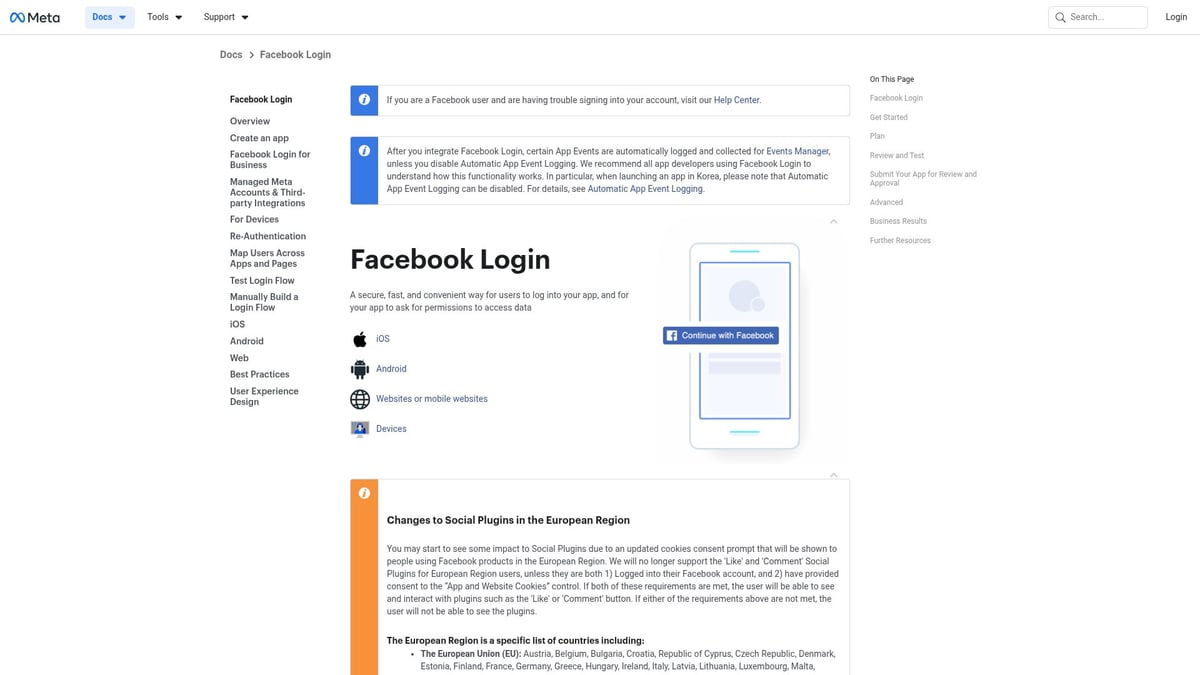
7. Social Login Model
Social login leverages existing social media accounts, allowing users to authenticate quickly on new platforms. This id model is particularly valuable for consumer-facing sites seeking to reduce registration friction and boost conversion rates.
Core Features:
- Authentication via Google, Facebook, Apple, and other social platforms
- Streamlined user onboarding
- Integration with e-commerce and mobile apps
Benefits:
- Simplifies registration and login
- Increases user conversion and retention
- Leverages trusted platforms for identity verification
Use Cases:
- E-commerce websites
- Online communities and forums
- Mobile applications
Key Stats: Social login adoption rates continue to rise in consumer platforms, making this id model a go-to solution for startups and established brands alike.
Pros:
- Fast and familiar onboarding
- Reduces password fatigue
- Enhances user experience
Cons:
- Data privacy concerns
- Reliance on third-party providers
Target Audience:
- E-commerce businesses
- Startups and app developers
- Consumer web services
Social login id models offer unmatched convenience but require careful attention to privacy and third-party dependencies. When implemented thoughtfully, they can significantly enhance user engagement.
Choosing the Right ID Model for Your Needs
Selecting the most effective id models is crucial for organizations navigating an increasingly digital and regulated world. The optimal choice depends on industry demands, security priorities, compliance obligations, and the ability to scale with future trends.

Industry-Specific Considerations
Different sectors have unique requirements when it comes to id models. For instance, healthcare organizations place a premium on patient privacy and regulatory compliance, making models like Attribute-Based Access Control essential. Financial institutions, meanwhile, often adopt biometric authentication to bolster security and streamline customer access.
Retailers and e-commerce platforms typically prioritize user experience and rapid onboarding, favoring solutions like social login or AI-driven models for brand identity, such as Lumoo ID. Fashion brands, for example, are leveraging AI-powered id models to create inclusive and consistent brand visuals, accelerating campaign creation.
Regulatory environments further influence the choice of id models. Healthcare must comply with HIPAA, while European businesses adhere to GDPR. Governments and large enterprises may seek scalable, interoperable solutions to support growing digital identity needs.
The future landscape is also shaped by rapid adoption of digital identity wallets and portable credentials. According to Gartner's Digital Identity Wallet Forecast, at least 500 million smartphone users will adopt digital identity wallets by 2026, underscoring the shift toward more flexible id models that can adapt across industries.
| Industry | Top ID Model(s) | Key Priority |
|---|---|---|
| Healthcare | ABAC, Biometric | Privacy, Compliance |
| Finance | Biometric, Decentralized | Security |
| Retail/E-commerce | Social Login, Lumoo ID | UX, Speed |
| Government | Decentralized, Federated | Scalability, Trust |
Implementation Strategies and Best Practices
Successfully adopting new id models requires a structured approach. Begin by assessing organizational needs and mapping them to the strengths of each model. Pilot programs are valuable to test usability, compliance, and integration with existing systems before full deployment.
Stakeholder involvement is critical. IT teams, compliance officers, marketing, and end-users should all participate in evaluating and selecting id models. This ensures that chosen solutions meet business goals and user expectations.
Training and change management play vital roles in driving adoption. Employees and users need clear guidance on new authentication workflows, whether it's transitioning to passwordless solutions or adopting biometric access.
Continuous monitoring is essential to measure the effectiveness of id models. Define clear metrics and KPIs, such as reduction in security incidents or improved onboarding times, to track progress and identify improvement areas.
In many cases, organizations benefit from combining multiple id models for layered security and optimal user experience. For example, a bank might use biometrics for customer authentication while deploying federated identity for internal staff access.
Careful planning, stakeholder collaboration, and ongoing evaluation ensure that the chosen id models not only meet today's demands but are also resilient to tomorrow's challenges.
Now that you have a clear picture of the most essential ID models shaping 2026, you might be wondering how to put these insights into practice for your own brand or organization. Whether you're aiming to create dynamic visuals, streamline onboarding, or strengthen your digital security, the right tools can make all the difference. At Lumoo Studio, we’re committed to helping you elevate your visual storytelling and market presence through innovative AI-powered solutions. If you’re ready to explore how these advanced ID models can transform your business, I encourage you to Get Demo and see the possibilities firsthand.