10 In Fashion Brands Defining Style Trends in 2026
Discover 10 in fashion brands shaping 2026 trends with innovation, sustainability, and unique style. Stay ahead in fashion with expert insights and analysis.

The world of style is transforming faster than ever, and in 2026, excitement around emerging in fashion brands is at an all-time high. Consumers today crave more than just new looks; they seek innovation, sustainability, and brands that stand out with a unique identity.
Staying informed about the top in fashion brands is essential for anyone wanting to anticipate trends and make confident style decisions. This article will introduce you to 10 in fashion brands that are defining the style landscape in 2026, exploring what sets them apart and what you should watch for.
We will break down each brand’s key features, pricing, target audience, and unique selling points, giving you the insights needed to stay ahead in the fashion game.
The Evolution of Fashion Trends in 2026
The fashion world in 2026 is undergoing a profound transformation. Technology, sustainability, and shifting consumer values are reshaping the landscape. Understanding how in fashion brands adapt and lead is essential for anyone wanting to keep pace in this dynamic industry.
Macro Trends Influencing 2026 Fashion
Technology is at the forefront, with artificial intelligence, digital-first design, and smart textiles driving change. According to AI-driven design adoption statistics 2026, AI-powered design is expected to grow by 25 percent by 2026. In fashion brands are harnessing these tools to create more innovative collections and streamline production.
Gen Z and Alpha consumers are reshaping trends, prioritizing authenticity and inclusivity. Gender-fluid and diverse collections are now the norm, while direct-to-consumer strategies are expanding brand reach. For example, several brands now blend digital and physical retail experiences, making shopping both immersive and personalized.
The Role of Emerging and Established Brands
The interplay between new entrants and legacy labels is more dynamic than ever. In fashion brands, both established and up-and-coming, compete to set the style agenda. Innovation is critical for brands to remain relevant in a crowded market.
Collaborations between storied houses and rising designers are becoming commonplace. Social media amplifies global visibility, allowing independent brands to gain traction rapidly. Data from industry reports reveal that consumer trust in independent labels has grown, fueling their expansion and influence.
Key Materials, Silhouettes, and Design Elements
Sustainability takes center stage in material choices. In fashion brands are embracing recycled textiles and vegan leather, responding to environmental concerns. The most sought-after silhouettes include oversized tailoring and modular garments, which offer adaptability and comfort.
Design elements like bold color blocking and tech-integrated fabrics are widely featured. Runway shows and street style from 2026 highlight these trends, showcasing how leading brands blend innovation with visual impact. These shifts are not only aesthetic but also functional, reflecting broader cultural changes.
Consumer Expectations and Buying Behaviors
Consumers now expect more than just style. Conscious consumerism and ethical production are top priorities for those choosing in fashion brands. Recent studies show that over half of shoppers are willing to pay more for sustainable products.
Personalization is also in demand, with shoppers gravitating towards limited-edition drops and unique experiences. Virtual try-on and AI-powered shopping tools are making it easier for customers to engage with brands, try new looks, and make confident purchases. This shift is transforming the way people interact with the fashion industry.
How Brands Are Setting and Responding to Trends
There is a constant push and pull between trendsetters and followers among in fashion brands. Brands leverage influencer partnerships, real-time data, and continuous feedback to stay ahead of the curve. This dynamic environment fosters rapid adaptation and drives innovation across the industry.
Ultimately, the brands that thrive are those that listen closely to their communities and adapt quickly to emerging trends. Through data-driven insights and creative collaborations, they remain at the forefront of fashion evolution.
10 In Fashion Brands Defining Style Trends in 2026
As the fashion world evolves at an unprecedented pace, a new wave of in fashion brands is setting the tone for 2026. These names are not just following trends, they are creating them, shaping the way consumers think about style, sustainability, and self-expression. The following list spotlights 10 in fashion brands that are redefining what it means to be at the forefront of the industry, each with its own distinctive approach and loyal following.
Paloma Wool
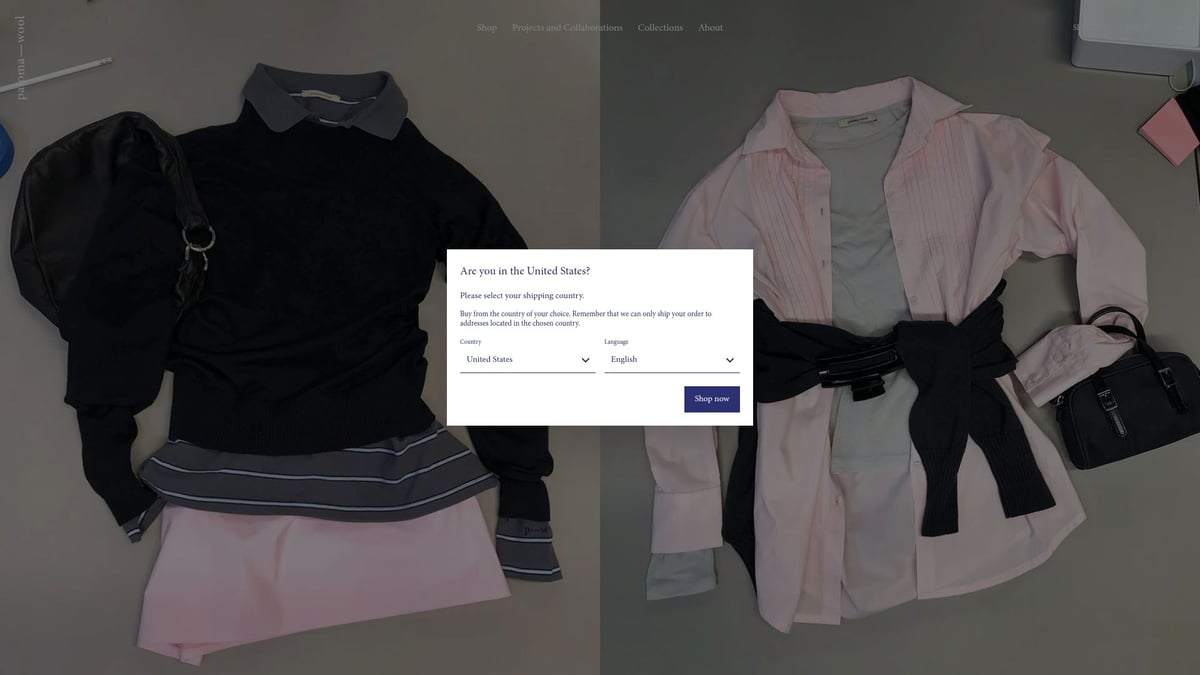
Paloma Wool stands out among in fashion brands for its commitment to artistic expression and community-driven design. Based in Barcelona, the brand’s mid-range pricing ($100–$500) makes it accessible to a broad audience seeking wearable art.
Core Features:
- Artistic prints and experimental silhouettes
- Emphasis on local, ethical production
- Limited-edition collections
Key Benefits:
- Unique, statement-making pieces
- Strong engagement with creative communities
Target Audience:
Creative millennials and Gen Z who value individuality and bold style.
Pros:
- Distinctive designs
- Sustainable practices
- Inclusive sizing
Cons:
- Collections often sell out quickly
- Price may be high for some shoppers
A highlight from 2026 is the “Ecliptic” collection, which was featured at major fashion weeks and drove a 30% year-over-year increase in online sales. Paloma Wool illustrates how in fashion brands can turn art into everyday wear, inspiring a devoted following.
Almada Label
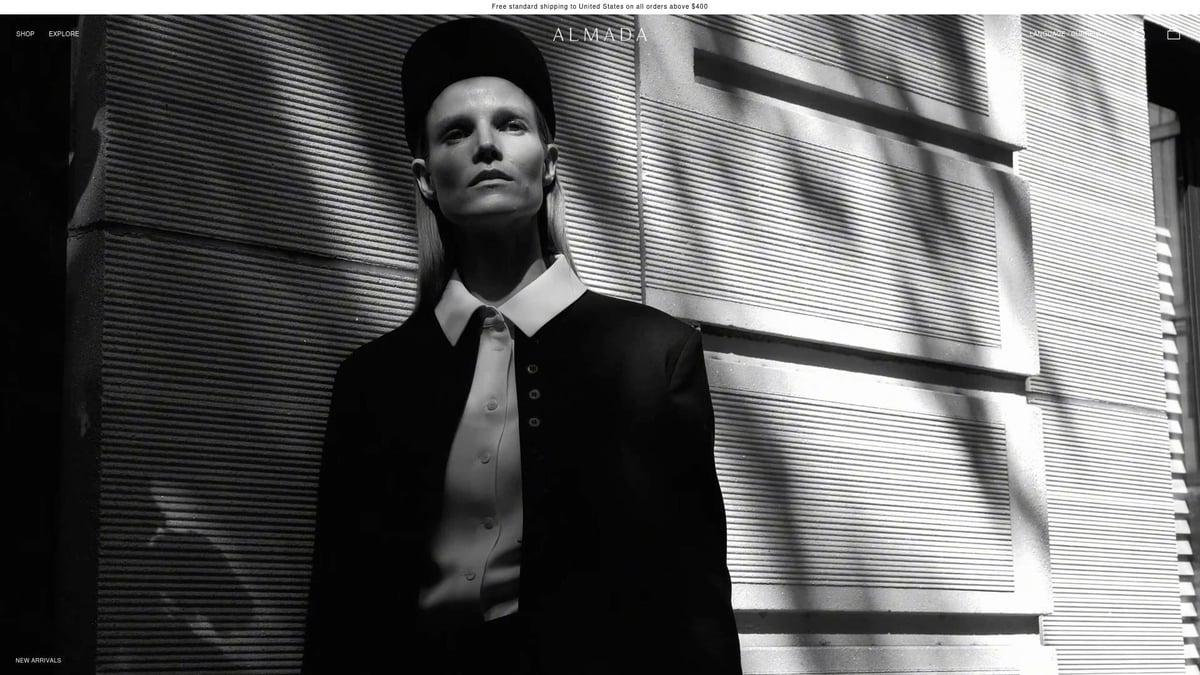
Almada Label exemplifies the minimalist ethos that many in fashion brands are embracing in 2026. With a premium price range ($200–$800 per item), Almada Label focuses on timeless essentials grounded in Scandinavian aesthetics.
Core Features:
- Minimalist, seasonless design
- High-quality, ethically sourced materials
- Streamlined silhouettes
Key Benefits:
- Pieces designed for longevity
- Versatility across seasons and occasions
Target Audience:
Professionals and minimalists looking for investment pieces that transcend fleeting trends.
Pros:
- Superior craftsmanship
- Ethical production standards
Cons:
- Smaller product catalog
- Premium pricing
Key items like the “Bay Skirt” and “Aria Cardigan” became staples in 2026 wardrobes. Almada Label’s focus on quality over quantity sets it apart from other in fashion brands, appealing to consumers who value enduring style.
Kallmeyer
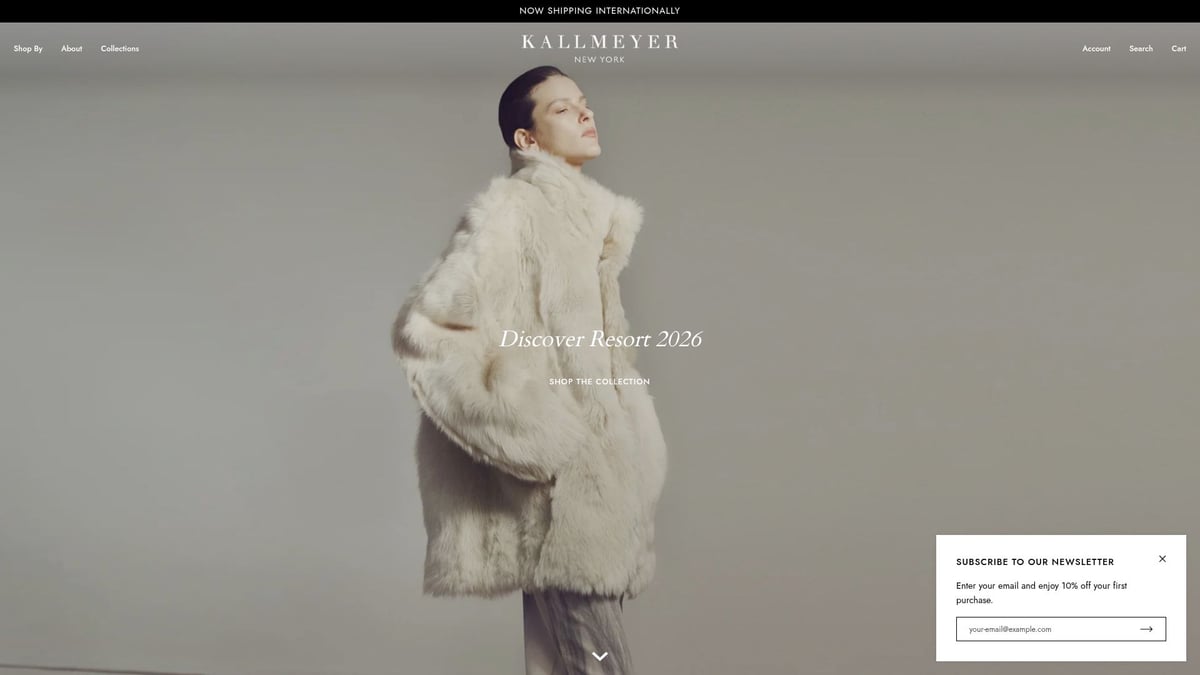
Kallmeyer is at the forefront of gender-inclusive design, making it one of the most innovative in fashion brands in 2026. With contemporary pricing ($250–$1200), it offers modern tailoring inspired by New York City’s dynamic energy.
Core Features:
- Gender-fluid tailoring
- Modern, empowering silhouettes
- Urban sophistication
Key Benefits:
- Versatile, empowering clothing for all
- Strong, recognizable brand identity
Target Audience:
Urban professionals and creatives who appreciate inclusive and powerful fashion statements.
Pros:
- Wide range of sizes
- International appeal
Cons:
- Limited physical retail presence
The “Signature Blazer,” frequently worn by celebrities in 2026, exemplifies Kallmeyer’s ability to merge classic tailoring with progressive values. In fashion brands like Kallmeyer are redefining inclusivity and versatility, attracting a diverse clientele.
Mashu
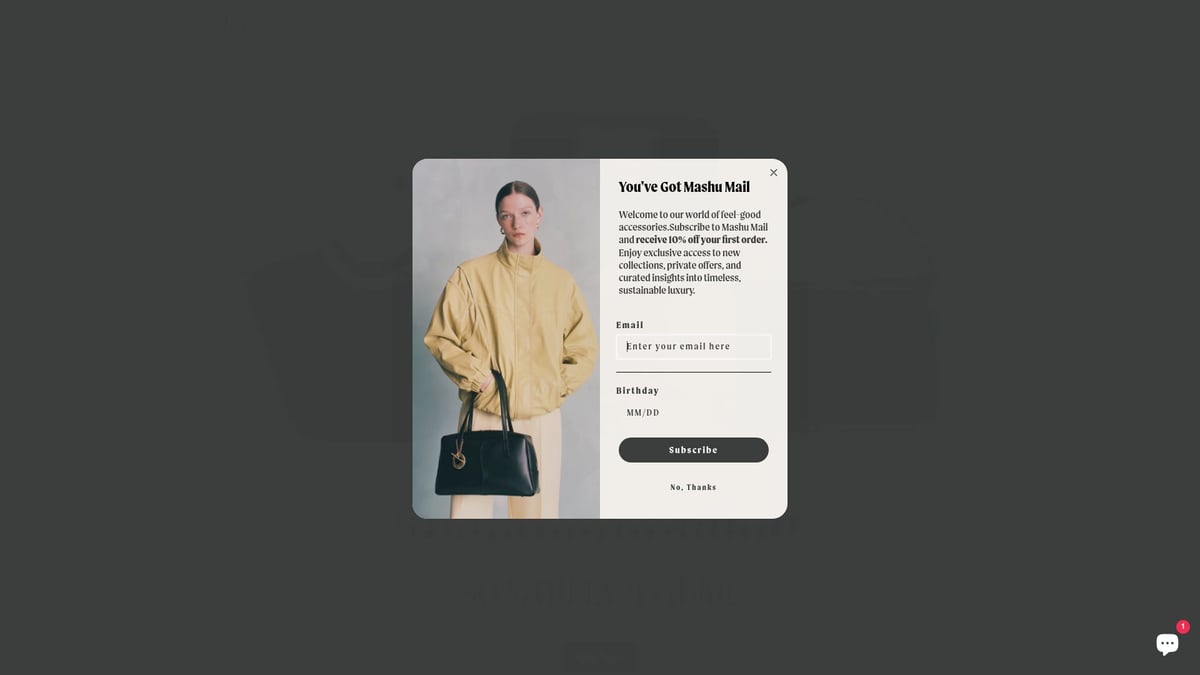
Mashu is gaining global recognition as one of the leading eco-conscious in fashion brands. With accessible luxury pricing ($150–$600), Mashu specializes in vegan accessories and architectural handbags.
Core Features:
- PETA-approved vegan materials
- Bold, architectural designs
- Circular, recyclable packaging
Key Benefits:
- 100% vegan and cruelty-free
- Innovative, standout accessories
Target Audience:
Eco-conscious shoppers and accessory enthusiasts seeking style without compromise.
Pros:
- Ethical and sustainable
- Unique, eye-catching bags
Cons:
- Focused mainly on bags and accessories
The “Athena Bag” went viral on social media in 2026, highlighting Mashu’s influence among in fashion brands. As sustainability becomes central, Mashu’s approach aligns with sustainable fashion trends 2026, making it a go-to for conscious consumers.
Soft Goat
Soft Goat is synonymous with understated luxury among in fashion brands, offering premium cashmere and silk knitwear at accessible prices ($100–$400). The brand’s focus on natural fibers and comfort appeals to a wide audience.

Core Features:
- High-quality cashmere and silk
- Modern, minimalist basics
- Emphasis on comfort and durability
Key Benefits:
- Luxurious feel at an affordable price
- Long-lasting wardrobe staples
Target Audience:
Shoppers prioritizing comfort and knitwear lovers seeking everyday luxury.
Pros:
- Superior material quality
- Growing international presence
Cons:
- Primarily knitwear, limited variety
The “Silk Blouse Feather White” stood out as a top seller in 2026, reflecting Soft Goat’s ability to blend comfort with style. In fashion brands like Soft Goat are redefining what it means to invest in everyday essentials.
The Gather
The Gather brings a romantic, vintage-inspired flair to the world of in fashion brands. With pricing between $180–$700, it specializes in feminine dresses and separates, often released as limited-edition drops.
Core Features:
- Romantic, vintage-inspired designs
- Small-batch, ethical production
- Distinctive prints and fabrics
Key Benefits:
- Unique, occasion-ready pieces
- Emphasis on slow fashion
Target Audience:
Fashion-forward women and occasionwear shoppers seeking standout pieces.
Pros:
- Ethical sourcing
- Limited-edition exclusivity
Cons:
- Limited stock
- Higher price points for some
The “Seraphina Dress” gained attention at 2026 events, worn by influencers and tastemakers. The Gather’s dedication to sustainability and ethical production echoes broader sustainable fashion trends 2026, making it a favorite among mindful in fashion brands.
Freja New York
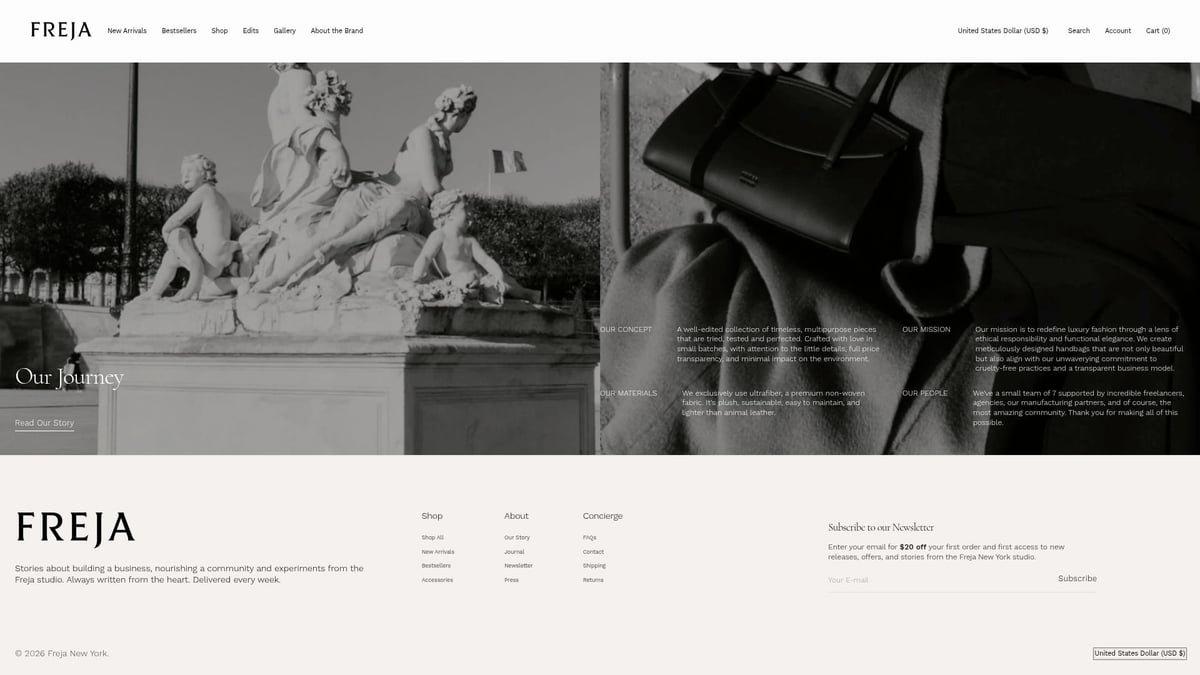
Freja New York is carving out a niche among in fashion brands with its focus on handcrafted, minimalist bags. With prices ranging from $300–$700, the brand emphasizes functional luxury for urban professionals.
Core Features:
- Minimalist, practical design
- Handcrafted construction
- Direct-to-consumer model
Key Benefits:
- Lifetime warranty
- Transparent pricing and production
Target Audience:
Minimalists and professionals seeking functional yet stylish accessories.
Pros:
- High customer retention
- Durable, timeless bags
Cons:
- Narrow product focus
The “Lafayette Tote” achieved cult status in 2026, with 50% of sales coming from repeat customers. Freja New York demonstrates how in fashion brands can build loyalty through quality and transparency.
By Malene Birger
By Malene Birger is a Scandinavian powerhouse among in fashion brands, celebrated for its elevated basics and bold prints. Its price range ($150–$900) offers versatility for modern women seeking effortless elegance.

Core Features:
- Scandinavian chic
- Broad product range
- Comfort blended with sophistication
Key Benefits:
- Versatile collections
- Strong brand heritage
Target Audience:
Women looking for a balance of comfort and style in their wardrobes.
Pros:
- Wide selection
- Recognized international brand
Cons:
- Some items are seasonal
The “Spring 2026 Capsule” was featured in Vogue, cementing By Malene Birger’s influence among in fashion brands. The brand’s expansion into 10 new markets in 2026 underscores its growing global appeal.
Nami
Nami brings Parisian flair to the roster of in fashion brands, known for contemporary tailoring and playful details. With pricing from $120–$600, Nami offers accessible luxury to a new generation of style leaders.
Core Features:
- Parisian-inspired design
- Modern tailoring
- Playful, unexpected details
Key Benefits:
- Fresh takes on classic styles
- Effortless blend of chic and modernity
Target Audience:
Young professionals and trendsetters drawn to Parisian aesthetics.
Pros:
- Attention to detail
- Modern, wearable silhouettes
Cons:
- Limited US availability
The “Wave Blazer” was a standout, highlighted by fashion editors in 2026. Nami’s unique blend of innovation and tradition keeps it among the most talked-about in fashion brands.
Stylein
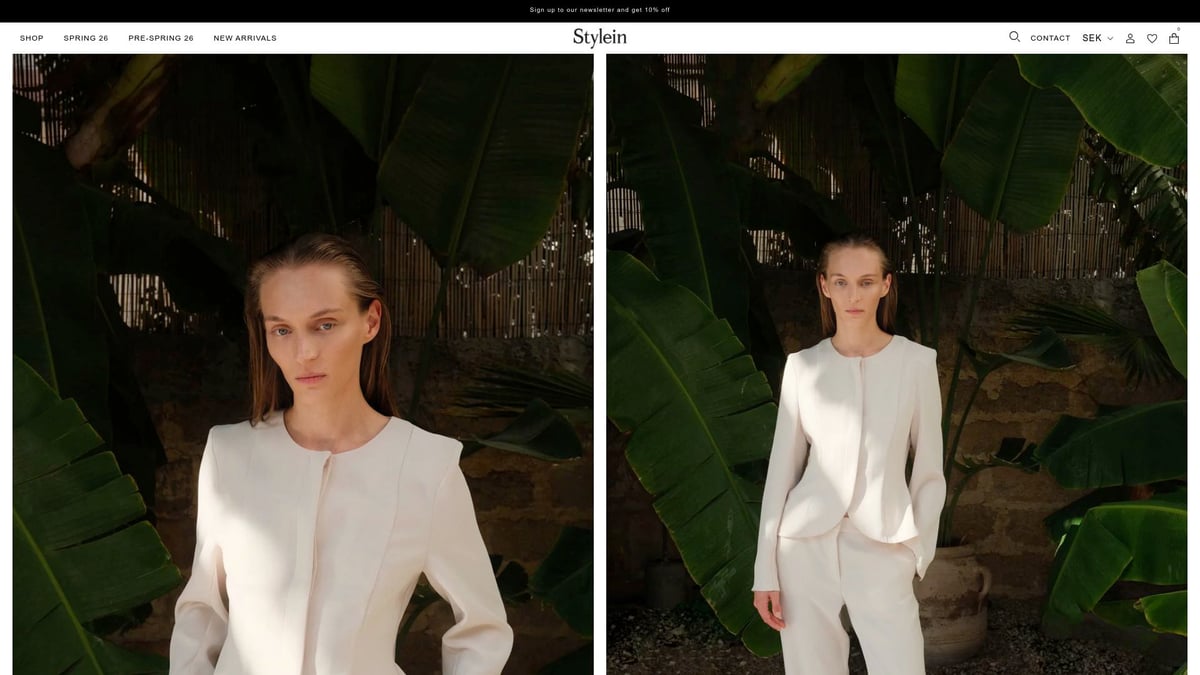
Stylein brings sleek, seasonless design to the forefront of in fashion brands, rooted in Scandinavian minimalism. With prices from $100–$500, Stylein appeals to those seeking versatile, timeless pieces.
Core Features:
- Timeless, sleek design
- Inclusive sizing
- Easy layering
Key Benefits:
- Versatile wardrobe staples
- Focus on comfort and fit
Target Audience:
Minimalists and those curating a versatile, everyday wardrobe.
Pros:
- Inclusive sizing
- Consistent year-round appeal
Cons:
- Less experimental than competitors
The “Nova Coat” became a street style favorite in 2026, driving a 35% increase in online sales. Among in fashion brands, Stylein’s dedication to seasonless design and inclusivity makes it a staple for those who value simplicity and quality.
How These Brands Are Shaping the Future of Fashion
The landscape for in fashion brands in 2026 is rapidly evolving, shaped by innovation, sustainability, and cultural exchange. As these brands redefine what it means to be at the forefront of style, their strategies offer a blueprint for the entire industry. Let’s explore how these leaders are setting the pace for the future of fashion.
Innovation and Technology Integration
In fashion brands are leveraging cutting-edge technologies to transform both design and shopping experiences. AI-powered tools now predict trends and personalize recommendations, while 3D design and virtual try-on features offer shoppers unprecedented convenience. Many brands are collaborating with digital artists to create exclusive virtual collections for the metaverse, blurring the lines between physical and digital style.
Key examples include:
- Virtual showrooms where customers explore collections with personalized avatars.
- AI-driven design platforms accelerating product development cycles.
- Digital garments available for purchase and use in online social spaces.
According to the Fashion industry trends 2026 report, 60% of in fashion brands plan to increase investment in technology by 2027, making innovation central to their growth strategies.
Sustainability and Ethical Practices
A defining characteristic of in fashion brands is their unwavering commitment to sustainability and ethical production. Brands are prioritizing eco-friendly materials, such as recycled textiles and vegan leather, and ensuring supply chain transparency. Many have set ambitious goals for carbon neutrality and are adopting circular design models, where products are made to be reused or recycled.
Notable sustainable practices:
- Mashu’s vegan accessories crafted from innovative plant-based materials.
- The Gather’s small-batch, slow fashion collections focused on longevity.
- Transparent reporting of environmental impact and fair labor conditions.
With 70% of Gen Z consumers preferring sustainable brands, in fashion brands are meeting rising expectations for responsible fashion, as detailed in recent Fashion industry trends 2026 report analysis.
Community Building and Brand Identity
Building authentic communities is a top priority for in fashion brands. Through compelling storytelling, exclusive events, and social media engagement, these brands foster loyalty and encourage active participation. Customer-driven campaigns and artist collaborations create a sense of belonging that goes beyond the product itself.
Community-building strategies include:
- Paloma Wool’s interactive art projects involving customers and local creatives.
- Limited-edition drops announced via social channels to reward loyal followers.
- Online forums and feedback loops that shape future collections.
Brands with strong communities see up to 50% higher retention rates, underscoring the value of emotional connection in the in fashion brands ecosystem.
Global Influence and Cultural Exchange
In fashion brands draw inspiration from cultures around the world, enriching their collections and expanding their reach. Collaborations with international artists and designers infuse fresh perspectives, while global campaigns introduce new aesthetics to diverse audiences.
For example, Nami’s blend of Parisian chic with contemporary tailoring has influenced trends far beyond France, demonstrating the power of cultural exchange in fashion’s future.
As we’ve explored the brands setting the pace for fashion in 2026, it’s clear that innovation, technology, and powerful visual storytelling are shaping what’s next. If you’re inspired by how these labels captivate audiences with dynamic imagery and trendsetting designs, imagine amplifying your own brand’s presence in the same way. With tools like AI-powered visuals, virtual try-on, and immersive lookbooks, you can stand out and connect with your audience on a deeper level. Curious about how your brand can lead the future of fashion?
Get Demo