Models Sport: How Athletic Imagery Transforms Fashion
Discover how models sport imagery revolutionizes fashion marketing. Learn techniques, trends, and AI solutions for dynamic athletic visuals.
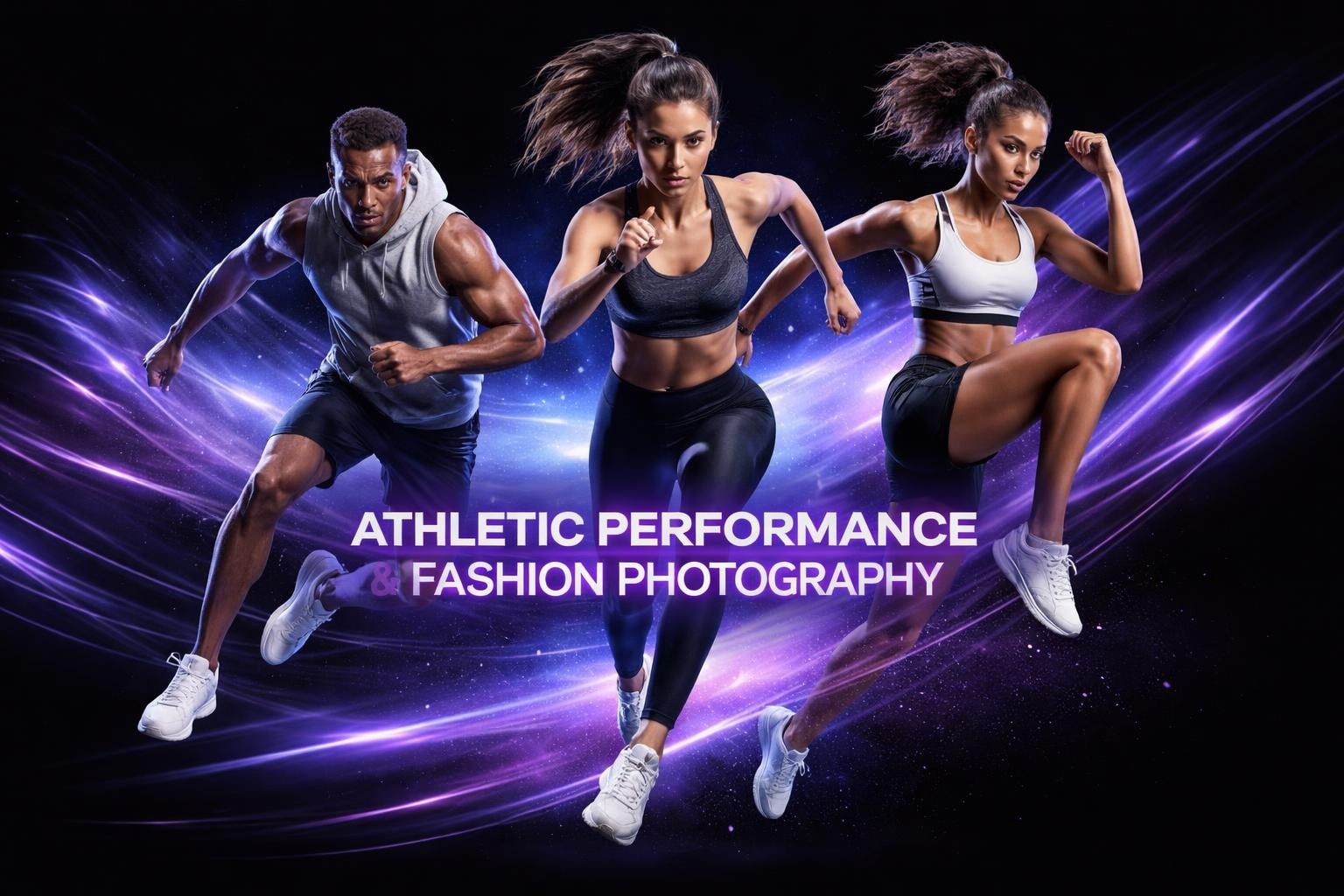
The athletic aesthetic has become a cornerstone of modern fashion marketing, with brands increasingly seeking to capture the energy, strength, and vitality that sports imagery conveys. When models sport athletic wear or demonstrate physical prowess in campaigns, they create powerful visual narratives that resonate with health-conscious, active consumers. This convergence of fashion and athletics represents more than just a trend-it's a fundamental shift in how brands communicate authenticity, performance, and lifestyle values to their audiences. The demand for compelling sports-oriented model photography continues to surge as activewear markets expand and consumers seek genuine representations of athletic achievement.
The Evolution of Athletic Model Photography
Athletic modeling has transformed dramatically over the past three decades, evolving from simple product demonstrations to sophisticated storytelling that blends performance with style. Specialized agencies like Sport-Models, established in 1990, pioneered the concept of representing genuine athletes for commercial work, recognizing that authentic sports expertise translates into more convincing imagery.
The industry distinction between traditional fashion models and athletes who model has created new opportunities for brands seeking credibility. When models sport genuine athletic credentials, they bring technical knowledge of movement, form, and performance that standard fashion models may lack. This authenticity becomes visible in the final imagery through proper stance, natural athletic positioning, and realistic demonstrations of product functionality.
Characteristics That Define Successful Sports Models
Athletic models require a unique combination of physical attributes and performance capabilities that distinguish them from conventional fashion talent:
- Defined musculature that showcases strength without appearing overly bulky
- Stamina and endurance for extended shooting sessions requiring repeated physical demonstrations
- Sport-specific skills that enable authentic representation of activities
- Body awareness that translates into natural, confident movement
- Versatility to transition between different athletic contexts and styles
Organizations like Reel Athletes Agency specifically seek individuals with these combined characteristics, understanding that the intersection of athletic ability and photogenic qualities creates the most impactful marketing imagery.
Market Demand for Athletic Imagery
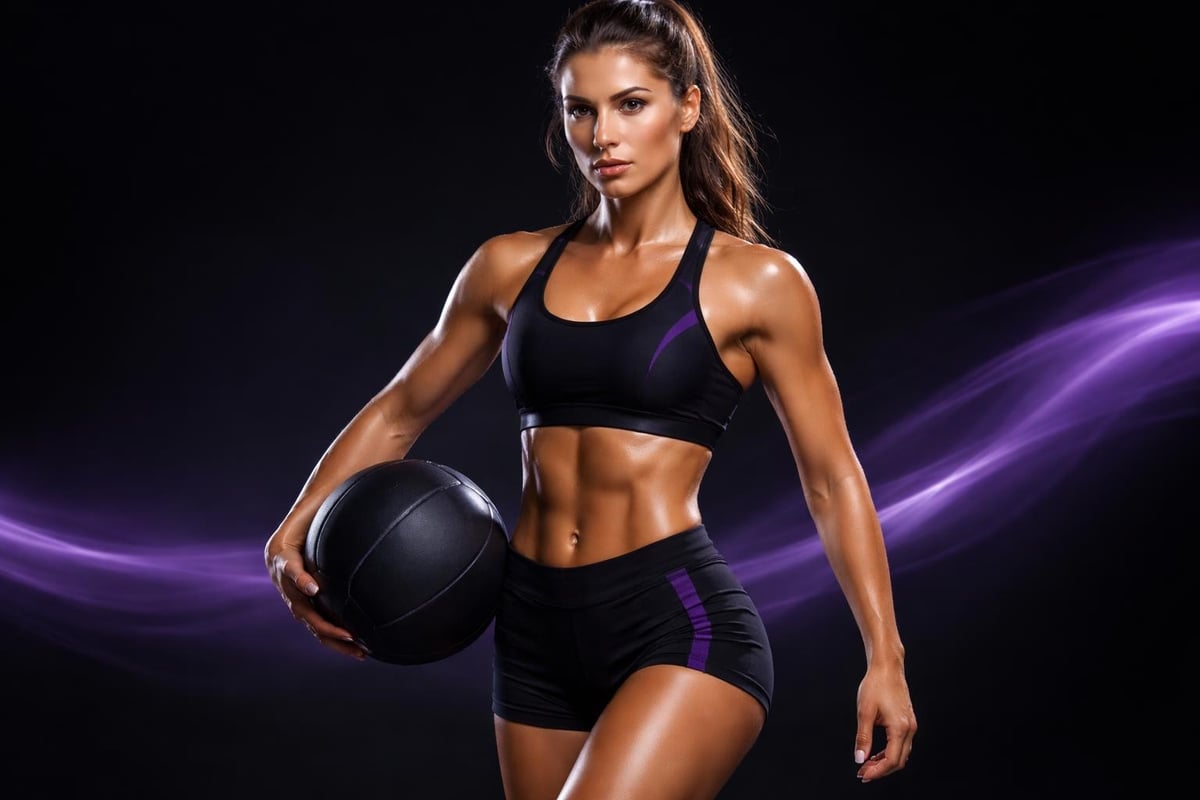
The global activewear market's expansion has created unprecedented demand for models sport content across multiple platforms and formats. Brands recognize that consumers increasingly value active lifestyles, making athletic imagery essential for connecting with target demographics. This shift extends beyond traditional sportswear companies to luxury fashion houses, mainstream retailers, and lifestyle brands seeking to tap into wellness culture.
POP Agency specializes in sports models who embody the vitality and strength that health-focused brands prioritize. Their approach demonstrates how agencies curate talent specifically for the activewear and fitness sectors, recognizing distinct market needs.
Content Types Driving Athletic Model Demand
| Content Format | Primary Use Cases | Technical Requirements |
|---|---|---|
| E-commerce Product Photography | Online retail, catalogs | Clean backgrounds, multiple angles, size representation |
| Action Campaign Imagery | Brand storytelling, advertising | Dynamic movement, environmental context, emotional impact |
| Social Media Content | Instagram, TikTok, engagement | Authentic moments, relatable scenarios, lifestyle integration |
| Video Demonstrations | Tutorial content, product features | Extended performance, clear instruction, engaging presentation |
Different content formats require distinct approaches when models sport various products or demonstrate activities. E-commerce demands clarity and detail, while campaign imagery prioritizes emotional connection and aspirational qualities.
The rise of digital platforms has multiplied the volume of content brands require. A single product launch might need dozens of images across multiple models, poses, and contexts, creating continuous demand for fresh athletic imagery that maintains brand consistency while offering variety.
Technical Considerations for Sports Photography
Capturing compelling imagery when models sport athletic wear involves specific technical challenges that differ from traditional fashion photography. Movement, action, and environmental factors all influence the final quality and effectiveness of sports-oriented model photography.
Lighting becomes critical when highlighting athletic physiques and product details simultaneously. The interplay between shadows and highlights must accentuate muscle definition without creating harsh contrasts that distract from the garment being featured. Many photographers employ sophisticated multi-light setups that provide dimensional modeling while maintaining natural appearance.
Movement and Timing Challenges
Photographing models in motion requires precise timing and technical expertise:
- Shutter speed selection balances motion blur against crisp detail
- Continuous shooting modes capture peak action moments
- Predictive focus systems track moving subjects accurately
- Lighting synchronization freezes action without motion artifacts
- Compositional framing anticipates movement patterns and positions
When models sport equipment or perform specific movements, photographers must understand the activity's mechanics to anticipate peak moments. A tennis serve, for instance, has distinct phases that offer different visual opportunities-the wind-up conveys preparation, the contact point shows power, and the follow-through demonstrates grace and completion.
The Athlete-Model Crossover Phenomenon
The boundary between professional athletes and fashion models continues to blur, with many sports professionals transitioning into modeling careers or maintaining dual roles. This crossover brings authentic athletic credentials to fashion marketing while offering athletes additional revenue streams and brand visibility.
Athlete Casting focuses specifically on NCAA-level athletes and above, recognizing that competitive experience provides both physical conditioning and performance mentality that translates well to commercial work. This approach ensures that when these individuals model sport-related products, they bring genuine expertise and credibility.
High-profile examples have demonstrated the commercial viability of this crossover. Athletes bring built-in audiences, authentic expertise, and compelling personal narratives that enhance brand storytelling. When they model sport apparel, consumers perceive genuine endorsement rather than purely transactional relationships.
Benefits of Athlete-Model Partnerships
Brands gain multiple advantages when working with individuals who successfully bridge athletics and modeling:
- Authenticity: Real athletic achievements create credible product associations
- Audience reach: Established fan bases extend marketing impact beyond traditional channels
- Content depth: Personal training footage, competition moments, and behind-scenes material enrich storytelling
- Performance validation: Actual product use during competition provides powerful endorsement
- Long-term relationships: Shared success between athlete and brand creates compelling multi-year narratives
According to research on fitness modeling, the role has evolved to encompass promoting health and exercise through various media platforms, demonstrating how athletic individuals serve broader cultural purposes beyond simple product promotion.
Diversity and Representation in Athletic Modeling
The models sport industry has undergone significant transformation regarding body types, abilities, and demographic representation. Progressive brands recognize that athletic excellence exists across diverse populations and that marketing imagery should reflect this reality to connect with broader consumer bases.
Body diversity in athletic modeling challenges traditional beauty standards while celebrating functional fitness. Models with different body compositions demonstrate that athletic achievement isn't limited to a single physique type. This expansion creates opportunities for more individuals while making brands more relatable to varied customer demographics.
Inclusive Casting Considerations
| Diversity Dimension | Marketing Impact | Implementation Approach |
|---|---|---|
| Body Types | Broader customer identification, size inclusivity messaging | Cast models across size ranges who demonstrate genuine athleticism |
| Age Ranges | Multi-generational appeal, lifelong fitness messaging | Feature athletes from youth through senior categories |
| Abilities | Adaptive sports representation, inclusive brand values | Include Paralympic athletes and adaptive equipment demonstrations |
| Ethnicity | Global market relevance, cultural authenticity | Ensure representation reflects target market demographics |
| Gender Presentation | Non-binary inclusion, gender-neutral product positioning | Move beyond binary casting to represent gender diversity |
Agencies like BASIC COPENHAGEN SPORT represent models capable of wide-ranging sports and active interests, demonstrating how specialized agencies curate diverse talent pools that serve varied brand needs.
AI Technology Transforming Athletic Imagery Production
Artificial intelligence has revolutionized how brands create and deploy imagery featuring models in athletic contexts. Traditional photography production requires coordinating locations, talent, equipment, and creative teams-a resource-intensive process that limits flexibility and scalability. AI-powered solutions now enable brands to generate high-quality athletic imagery with unprecedented efficiency.
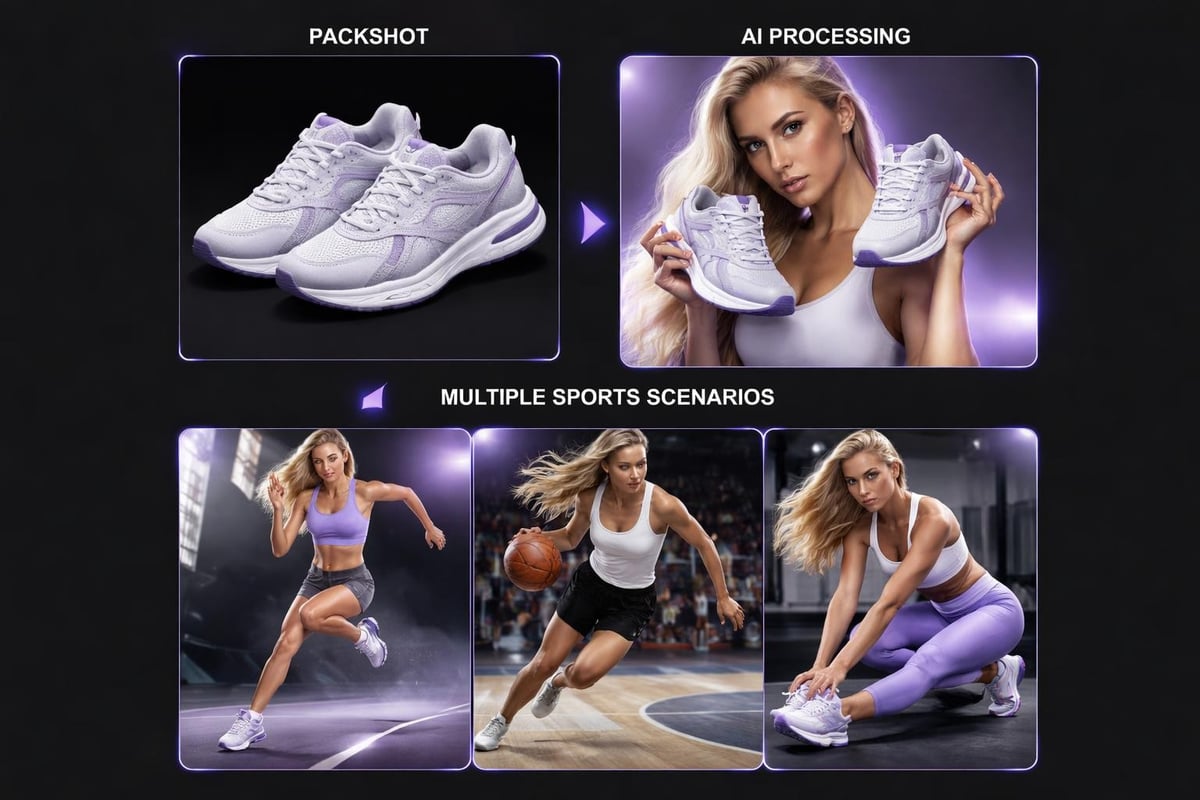
The transformation from product packshots to dynamic model imagery represents one of AI's most impactful applications in fashion marketing. Brands can now showcase products on diverse model types, in various athletic contexts, and across multiple scenarios without the logistical complexity of traditional photo shoots.
Advantages of AI-Generated Athletic Imagery
Modern AI platforms offer capabilities specifically valuable for sports and activewear marketing:
- Rapid iteration across multiple model types and athletic contexts
- Consistent quality maintained across large content volumes
- Cost efficiency compared to traditional production methods
- Flexible customization for different markets and demographics
- Scalability enabling personalized experiences for varied audiences
Lumoo Studio's services demonstrate how AI technology creates styled model images and engaging lookbooks that resonate with target audiences, transforming ordinary packshots into captivating athletic imagery that showcases products in realistic sports contexts.
Emerging Trends in Sports Model Marketing
The landscape continues evolving as consumer preferences shift and technology enables new creative possibilities. Several trends are reshaping how brands approach athletic model imagery and sports-related marketing content.
Authenticity increasingly trumps perfection, with consumers responding more positively to realistic representations of athletic activity rather than overly stylized or obviously manipulated imagery. This preference drives demand for content that captures genuine moments, imperfect but real athletic performances, and relatable scenarios that reflect actual product use.
Current Movement Directions
Lifestyle integration has become paramount, with brands moving beyond isolated product shots toward comprehensive lifestyle narratives. When models sport athletic wear in everyday contexts-commuting, socializing, working-they demonstrate product versatility and align with consumers' actual usage patterns.
Video content dominance continues accelerating, with short-form video becoming the primary medium for athletic product marketing. Models must now excel at creating engaging video content, not just static poses, requiring different skill sets and production approaches.
Sustainability messaging influences casting and creative direction, with brands seeking models whose personal values align with environmental commitments. Athletes with documented sustainability practices or environmental advocacy bring additional authenticity to eco-conscious product lines.
Notable publications like the Sports Illustrated Swimsuit Issue have historically influenced modeling industry standards, though contemporary sports modeling encompasses far broader applications than traditional swimwear photography.
Production Efficiency and Workflow Optimization
Maximizing output quality while managing costs and timelines represents a persistent challenge in athletic model photography. Production efficiency directly impacts marketing campaign success, determining how quickly brands can respond to trends and how extensively they can test creative variations.
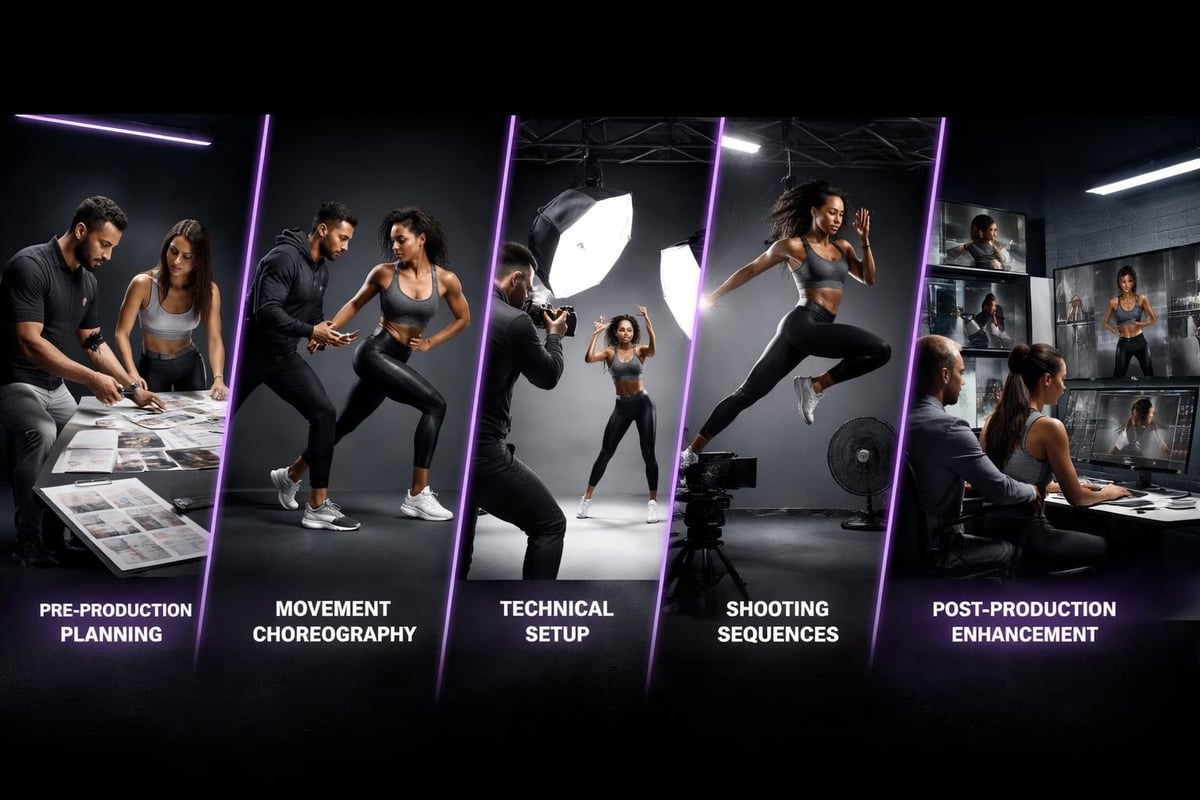
Strategic planning begins with clear creative briefs that specify required shots, model characteristics, athletic activities, and environmental contexts. Detailed shot lists prevent oversights while ensuring efficient use of production time when models sport various products or demonstrate different movements.
Workflow Components for Optimal Results
Successful athletic imagery productions typically incorporate these elements:
- Pre-production casting that matches model capabilities precisely to required activities
- Movement choreography planned before shoot days to maximize efficiency
- Technical rehearsals that identify lighting and timing challenges early
- Modular shooting approaches that capture background elements separately from talent
- Post-production planning integrated from initial concept through final delivery
Advanced platforms now enable brands to bypass many traditional production complexities entirely. AI-powered solutions create professional athletic imagery without coordinating physical productions, dramatically reducing timelines from concept to finished assets.
Measuring Impact and ROI
Athletic imagery investments must demonstrate measurable business impact, requiring brands to establish clear metrics connecting visual content to commercial outcomes. Different performance indicators apply depending on whether models sport products in brand campaigns, e-commerce contexts, or social media content.
Engagement metrics provide initial signals about content effectiveness. When models sport products in ways that resonate with audiences, engagement rates increase-reflected through likes, shares, comments, and time-spent metrics. These indicators suggest emotional connection and content relevance but don't directly measure conversion.
Key Performance Indicators
| Metric Category | Specific Measurements | Business Relevance |
|---|---|---|
| Engagement | Social interactions, video completion rates, click-through rates | Audience resonance and content appeal |
| Conversion | Add-to-cart rates, purchase completion, average order value | Direct revenue impact |
| Brand Perception | Sentiment analysis, brand attribute tracking, aided awareness | Long-term brand equity building |
| Content Efficiency | Cost per asset, production time, asset utilization rate | Operational effectiveness |
Advanced analytics now connect specific imagery characteristics to performance outcomes. Brands can identify which model types, athletic contexts, and visual styles drive strongest results for their specific audiences, enabling data-informed creative decisions for future productions.
Strategic Implementation Considerations
Brands developing athletic modeling strategies must address several strategic questions that influence long-term success. These decisions shape content approaches, investment allocations, and partnership structures that determine competitive positioning.
Building in-house capabilities versus partnering with specialized agencies represents a fundamental choice. In-house production offers control and potentially lower per-asset costs at scale, but requires significant expertise development and resource commitment. Agency partnerships provide immediate access to specialized talent and production capabilities but involve higher per-project costs and less direct control.
Decision Framework for Athletic Content Strategy
Content volume requirements significantly influence optimal approaches. Brands needing continuous content refreshes across multiple products and markets often benefit from AI-powered solutions that enable rapid iteration and broad coverage. Occasional campaign-focused needs might justify traditional production's higher touch and customization.
Brand positioning determines appropriate model types and content styles. Luxury athletic brands require different approaches than mass-market activewear, affecting everything from casting decisions to production values. When premium brands' models sport high-end athletic wear, imagery must convey exclusivity while maintaining athletic authenticity.
Market diversity considerations multiply when serving global audiences or varied demographic segments. Content strategies must accommodate different cultural preferences, body type norms, and activity associations while maintaining brand consistency.
The integration of Lumoo Studio AI technology offers brands flexible solutions that scale efficiently across markets while maintaining quality consistency and enabling rapid response to emerging trends.
Athletic modeling represents a dynamic intersection of sports performance, fashion marketing, and visual storytelling that continues evolving with technology and consumer preferences. Brands succeeding in this space balance authentic athletic representation with compelling aesthetics while leveraging efficient production approaches that enable scale and flexibility. Lumoo Studio transforms how fashion and sportswear brands create impactful athletic imagery, using advanced AI technology to generate dynamic visuals that capture the energy and authenticity of sports modeling while dramatically reducing production complexity and enabling unprecedented creative flexibility across diverse markets and audiences.