Guide to the Retail and Fashion Industry in 2026
Explore the retail and fashion industry in 2026 with insights on technology, sustainability, and consumer trends. Stay ahead with expert predictions and strategies.

The retail and fashion industry in 2026 is undergoing a remarkable transformation, shaped by technology, sustainability, and evolving consumer values. Change is happening faster than ever, with innovation touching every part of the industry. Artificial intelligence, e-commerce, ethical production, and global market trends are driving new opportunities and challenges for both established brands and emerging retailers. In this guide, you will discover the latest trends, technologies, and strategies shaping the retail and fashion industry this year. We will explore advancements in technology, shifts in consumer behavior, sustainability initiatives, and provide a forward-looking outlook for the industry.
The State of the Retail and Fashion Industry in 2026
The retail and fashion industry in 2026 is defined by innovation, global shifts, and accelerating technology. Brands and consumers navigate a landscape where tradition meets transformation, and every aspect of the value chain is evolving.

Key Industry Sectors and Market Overview
The retail and fashion industry spans a complex network of sectors, including textile design, production, fashion design, manufacturing, retail, and merchandising. Each plays a vital role in shaping global trends and market dynamics.
In 2026, this industry is projected to reach new heights, with global market size expanding steadily. Western regions, particularly the US and parts of Europe, continue to lead in fashion innovation and retail expansion. However, emerging markets in Asia and Africa are gaining traction, fostering niche regional industries alongside dominant Western styles.
Major players such as multinational conglomerates coexist with emerging brands that bring fresh perspectives. The rise of fast fashion remains significant, offering mass-produced, affordable Western-style clothing that continues to dominate worldwide. Meanwhile, slow fashion is gaining momentum, emphasizing quality, sustainability, and ethical production.
For example, Western "world fashion" still holds a prominent place in global markets, though regional styles like Indian saris and African prints are finding renewed appreciation. Statistics show that mass-produced, low-cost Western clothing remains a staple for consumers globally, reflecting the ongoing influence of this model within the retail and fashion industry.
Shifts in Retail Models and Distribution Channels
Retail models are undergoing rapid transformation in 2026. Omnichannel retail has become the industry standard, seamlessly integrating brick-and-mortar stores, e-commerce platforms, mobile apps, and social commerce. This approach allows consumers to engage with brands wherever and whenever they choose.
Department stores and boutiques adapt by incorporating advanced inventory-tracking software, enabling rapid restocking and inventory management. Online marketplaces remain crucial, while direct-to-consumer (DTC) brands are gaining momentum by offering personalized shopping experiences.
A prime example is the use of real-time data by department stores to optimize stock levels and enhance customer satisfaction. E-commerce now accounts for a significant share of global fashion sales, reflecting the digital shift in consumer preferences. According to Five Retail Trends Redefining 2026, AI commerce, recommerce, and live social commerce are reshaping how the retail and fashion industry connects with shoppers, creating more dynamic and responsive distribution channels.
The Role of Fashion Marketing and Merchandising
Fashion marketing and merchandising have evolved into data-driven, highly visual disciplines in the retail and fashion industry. Brands identify and target shifting consumer segments by leveraging advanced analytics, ensuring that their messaging resonates with diverse audiences.
Media and influencer marketing play a key role in brand building. Fashion shows are not only creative showcases but also powerful marketing spectacles, setting trends and capturing global attention. Digital lookbooks, visually appealing store windows, and in-store displays enhance the consumer experience both online and offline.
Data-driven merchandising strategies, including precise stocking, competitive pricing, and targeted promotions, are now essential for success. AI and analytics enable accurate demand forecasting and inventory management, minimizing overstock and markdowns.
For instance, fashion shows act as both trendsetters and marketing events, attracting millions of viewers worldwide. The industry's media and marketing spend continues to rise as digital platforms take center stage, reflecting the growing importance of digital dominance in the retail and fashion industry.
Technology’s Impact on Fashion and Retail
Technology is reshaping the retail and fashion industry at an unprecedented pace. From design to distribution, digital innovation is unlocking new possibilities for brands and consumers alike. In 2026, the interplay of artificial intelligence, immersive experiences, and data-driven strategies is defining the competitive edge for industry leaders.

Artificial Intelligence and Automation
Artificial intelligence has become the backbone of the retail and fashion industry in 2026. Brands now rely on AI-driven design tools to predict emerging trends, optimize collections, and streamline the creative process. Production lines are equipped with intelligent robotics, allowing for rapid prototyping and efficient manufacturing.
Automation extends to inventory management, where smart software monitors stock levels and automates restocking across physical and online channels. This seamless integration reduces waste and ensures popular items are always available to customers. Order fulfillment centers use robotics for picking and packing, accelerating delivery times and minimizing errors.
AI also powers personalized shopping experiences. By analyzing customer data, brands deliver tailored recommendations and exclusive offers directly to individual shoppers. For example, AI tools can predict which colors or styles will dominate upcoming seasons, allowing brands to adjust their product mix in real time.
According to industry reports, over 50% of fashion retailers now use AI for merchandising decisions. For further insights into these advancements, see Retail Technology Trends with AI in 2026, which explores how predictive forecasting and labor efficiency are transforming the retail and fashion industry.
Virtual and Augmented Reality in Shopping
Virtual and augmented reality are transforming the shopping experience in the retail and fashion industry. Virtual try-on (VTO) technology allows customers to visualize how garments will look and fit without ever stepping into a fitting room. This innovation boosts confidence in online purchases and reduces return rates.
Augmented reality fitting rooms are now standard in many flagship stores. Shoppers can instantly see themselves wearing different outfits, experiment with styles, and make faster decisions. Digital showrooms and immersive fashion events give customers front-row access to the latest collections, regardless of their location.
Major brands are launching AR-powered shopping apps that blend physical and digital retail. With 30% of top fashion retailers offering AR or VR shopping experiences, the retail and fashion industry is setting new standards for customer engagement. These technologies not only enhance convenience but also create memorable, interactive journeys for shoppers.
Data Analytics and Consumer Insights
Data analytics has become a critical tool for success in the retail and fashion industry. Real-time sales tracking provides brands with up-to-the-minute insights into what is selling, where, and to whom. This data enables dynamic inventory management, reducing overstock and ensuring stores are stocked with the right products at the right time.
Predictive analytics helps brands anticipate fashion trends before they emerge. By analyzing social media, purchase history, and global events, companies can forecast demand and adjust their strategies swiftly. Dynamic pricing models, powered by data, allow retailers to respond to market shifts and customer preferences instantly.
Retailers are using data to localize assortments, tailoring product offerings to meet the unique tastes of regional markets. Brands that leverage these insights see higher conversion rates and more satisfied customers. In 2026, data-driven decision making is a hallmark of leaders in the retail and fashion industry.
The Rise of Digital-First and Social Commerce
Social media is now a primary retail channel for the retail and fashion industry. Platforms like TikTok and Instagram are not just for inspiration, they are integrated storefronts where consumers discover, interact with, and purchase products in real time. Livestream shopping events and influencer-led product launches are driving massive engagement.
Seamless checkout experiences within social apps remove friction from the buying process. Customers can view, select, and buy items without leaving their favorite platforms. Fashion brands are collaborating closely with influencers to reach targeted audiences and create buzz around new collections.
Social commerce is projected to account for 20% of online fashion sales in 2026. This shift reflects how digital-first strategies are transforming the retail and fashion industry, making it more responsive, interactive, and consumer-driven than ever before. Brands that adapt quickly to social commerce trends are poised to capture new market share and build lasting relationships with their audiences.
Evolving Consumer Behaviors and Preferences
Consumer expectations in the retail and fashion industry are changing rapidly as technology, social influence, and ethical priorities reshape how people shop and what they value. Brands are adapting their strategies to meet these shifting demands, creating new opportunities and challenges for the retail and fashion industry.

Demand for Personalization and Customization
Personalization has become a defining expectation for consumers in the retail and fashion industry. Shoppers increasingly seek products and experiences that reflect their individual tastes and lifestyles. Brands are responding by offering made-to-order and on-demand production models, allowing customers to customize everything from color and fit to embroidered details.
Technology plays a crucial role in enabling mass personalization at scale. Advanced AI systems analyze buying patterns and preferences, helping brands design collections that resonate with specific audiences. For example, customizable sneakers and apparel lines allow shoppers to co-create their own designs, resulting in a unique product that fosters brand loyalty.
This trend is especially strong among younger consumers. According to recent studies, 60% of Gen Z shoppers prefer personalized shopping experiences when engaging with the retail and fashion industry. As personalization continues to drive purchasing decisions, brands that invest in flexible supply chains and digital customization tools gain a competitive edge.
Summary Table: Personalization Trends
| Trend | Example Products | Consumer Impact |
|---|---|---|
| Made-to-order | Custom sneakers | Unique, tailored experiences |
| Mass personalization | AI-driven apparel | Higher satisfaction, loyalty |
| On-demand production | Personalized tees | Reduced waste, better fit |
The Influence of Digital Communities and Social Proof
Digital communities have become a powerful force in the retail and fashion industry, shaping trends and influencing purchasing behavior. Consumers now rely on peer reviews, ratings, and user-generated content to make informed choices. The rise of online forums and fashion subcultures gives voice to niche interests, fostering a sense of belonging and encouraging experimentation with new styles.
Micro-influencers, who often have highly engaged audiences, play a significant role in amplifying brand messages. Unlike traditional celebrities, these influencers build trust through authentic content and direct interaction with followers. Their recommendations carry significant weight, often swaying purchase decisions more than brand advertising.
Online platforms enable fashion communities to dictate style shifts in real time. For instance, a trend started in a small forum can quickly gain global traction, impacting what is stocked by major retailers. A recent statistic shows that 70% of consumers in the retail and fashion industry trust peer recommendations over direct brand messaging, highlighting the importance of fostering genuine community engagement.
Key Drivers of Social Proof:
- Peer reviews and ratings
- User-generated content showcasing real-life product use
- Micro-influencer endorsements
Conscious Consumerism and Value-Driven Choices
A growing segment of consumers in the retail and fashion industry prioritize ethical sourcing, fair labor, and sustainability. Transparency in the supply chain has become a critical consideration, with shoppers demanding to know where and how their clothing is made. This shift is leading brands to publish detailed sustainability and labor reports, building trust and accountability.
The focus is also moving toward quality, longevity, and timeless style, rather than disposable fast fashion. Consumers are increasingly willing to invest in garments that last, reflecting a broader value-driven approach to shopping. For example, many leading brands now highlight their efforts to source eco-friendly materials and support fair labor practices.
According to industry data, there has been a 40% increase in consumers who consider brand ethics before making a purchase in the retail and fashion industry. As these preferences evolve, brands that align with consumer values set themselves apart from competitors. For a deeper look at the forces redefining consumer behavior, Lectra's Five Key Fashion Trends offers valuable insights into how digitalization, supply chain resets, and sustainability are shaping the future.
In summary, the retail and fashion industry is experiencing a profound transformation as consumers demand greater personalization, trust digital communities, and make value-driven choices. Brands that listen, adapt, and innovate will thrive in this ever-changing landscape.
The Sustainability Revolution in Fashion
A transformative wave is sweeping the retail and fashion industry, reshaping priorities and setting new benchmarks for environmental and social responsibility. In 2026, sustainability is no longer an option but an expectation, with brands, suppliers, and consumers aligned in driving meaningful change.
Eco-Friendly Materials and Circular Fashion
The retail and fashion industry is embracing eco-friendly materials at unprecedented rates. Organic cotton, recycled polyester, and biodegradable fabrics are becoming staples in new collections. Brands are launching closed-loop initiatives, where garments are designed for recycling and reuse, minimizing waste from the outset.
Circular fashion models are gaining traction. Companies invest in take-back programs, garment repair, and upcycling projects. Major brands now release collections made primarily from recycled fibers or regenerated materials, setting ambitious targets for waste reduction.
According to Sustainable Fashion Trends 2026, over a third of new lines utilize recycled materials, signaling a major industry shift. The retail and fashion industry’s move toward circularity not only addresses environmental concerns but also meets rising consumer demand for responsible production and innovation.
Ethical Production and Fair Labor Practices
Ethical production is at the forefront of the retail and fashion industry’s sustainability initiatives. Brands are prioritizing fair wages, safe working conditions, and transparent supply chains. Third-party audits and certifications, such as Fair Trade and SA8000, are increasingly standard in sourcing agreements.
Collaborations with ethical factories and local artisans ensure that worker rights are protected. As a result, half of consumers are willing to pay a premium for ethically made products. The retail and fashion industry recognizes that building trust and integrity is essential for long-term success.
Reducing Fashion’s Environmental Footprint
Reducing the environmental footprint is a top priority for the retail and fashion industry in 2026. Innovations in manufacturing processes are helping brands cut water, energy, and chemical usage. Many companies are adopting carbon-neutral or zero-waste goals, investing in renewable energy and clean technology throughout their supply chains.
Sustainable packaging is another focus, with biodegradable or reusable materials replacing single-use plastics. Logistics are optimized to reduce emissions and improve efficiency, supporting a greener industry ecosystem.
Brands achieving carbon neutrality are setting benchmarks, inspiring others in the retail and fashion industry to follow suit. Since 2020, there has been a 25 percent reduction in the average carbon footprint per garment, reflecting the sector’s commitment to measurable progress.
The Growth of Secondhand, Rental, and Resale Markets
The secondhand and rental segments are booming in the retail and fashion industry. Peer-to-peer resale platforms, online thrift stores, and consignment marketplaces are attracting a new generation of conscious consumers.
Fashion rental services, once limited to special occasions, now offer everyday wear, making sustainable choices accessible and fashionable. Luxury resale platforms are also gaining popularity, extending the lifecycle of high-end garments.
This shift is doubling the market share of secondhand fashion by 2026. The retail and fashion industry’s embrace of reuse and recirculation reflects a broader cultural move toward sustainability, value, and innovation.
Globalization, Localization, and Cultural Shifts
The retail and fashion industry in 2026 is experiencing a unique blend of global influence and local resurgence. As brands expand internationally, they must navigate the balance between worldwide trends and the preservation of regional and cultural identities. This section explores how world fashion, inclusivity, and market adaptation are shaping the modern retail and fashion industry.
World Fashion vs. Regional and Cultural Styles
World fashion, largely influenced by Western design, continues to set the tone for global style in the retail and fashion industry. Mass-produced, affordable clothing dominates markets, making Western trends accessible almost everywhere. However, regional and cultural styles are far from obsolete.
Distinctive national and ethnic fashions, such as Indian saris and Senegalese boubous, remain popular within their communities. These garments are not only worn for cultural events but are also gaining international attention as designers spotlight heritage in mainstream collections.
The modest fashion market is another example of regional influence on the retail and fashion industry. With double-digit growth, it illustrates how cultural values can drive global trends. While world fashion provides a shared baseline, local traditions and preferences continue to shape what people wear in their daily lives.
| Fashion Type | Key Features | Market Presence |
|---|---|---|
| World Fashion | Western trends, fast fashion | Global dominance |
| Regional Styles | Cultural garments, heritage | Growing recognition |
The interplay between global and local ensures the retail and fashion industry stays dynamic and diverse.
The Rise of Modest and Inclusive Fashion
Inclusivity has become a core value in the retail and fashion industry. Brands are expanding their offerings to cater to a wide range of body types, abilities, and cultural needs. This shift is not just about size but also about respecting different backgrounds and beliefs.
Modest fashion is thriving, with international fashion weeks and dedicated collections reflecting its importance. Designers now focus on garments that align with various cultural and religious preferences, making style accessible to all. In 2026, 70% of major brands provide inclusive sizing, showing a significant move towards representation.
This increased inclusivity is not only the right thing to do, but it also opens new markets for the retail and fashion industry. By embracing diversity, brands build loyalty and trust with consumers around the world.
Localization of Trends and Market Adaptation
Global brands in the retail and fashion industry are increasingly tailoring their products and marketing strategies to fit local markets. Instead of a one-size-fits-all approach, companies now invest in regional research and collaborate with local influencers to connect authentically with consumers.
Region-specific collections have become a common strategy. For example, brands may launch exclusive designs for particular countries, reflecting local tastes and customs. Marketing campaigns are also adapted to resonate with cultural values and languages.
A recent statistic shows that 45% of leading brands operate with localized product lines. This approach not only meets the expectations of diverse consumers but also strengthens a brand’s position in the competitive retail and fashion industry.
In summary, the retail and fashion industry’s future is shaped by a careful balance of globalization and localization. Brands that respect cultural differences while embracing global trends are best positioned for success.
The Future of Retail and Fashion: Trends and Predictions for 2026 and Beyond
The retail and fashion industry is entering a transformative era, where technology, creativity, and evolving values are shaping every facet. As we look ahead to 2026 and beyond, brands, retailers, and consumers will navigate a landscape defined by agility, innovation, and interconnected trends. Let us explore how the future is unfolding for the retail and fashion industry.
The Evolution of Fashion Shows and Marketing
Fashion shows and marketing are rapidly evolving within the retail and fashion industry. Hybrid events, blending physical and digital experiences, are now the norm. Major fashion weeks in Paris, Milan, New York, and London stream their showcases globally, allowing real-time interaction and broader audience reach.
Brands now use immersive formats, interactive features, and digital storytelling to engage consumers. Fashion weeks serve both as creative exhibitions and powerful commercial opportunities. According to recent data, 80 percent of shows in 2026 integrate digital components, reflecting the tech-driven momentum of the retail and fashion industry.
The Integration of AI-Driven Visual Content Creation
Artificial intelligence is revolutionizing visual content in the retail and fashion industry. Brands increasingly rely on AI to generate model imagery, lookbooks, and marketing assets. These tools streamline the creative process, ensuring brand consistency and rapid campaign deployment.
AI platforms allow seamless collaboration between design, marketing, and e-commerce teams. They enable brands to maintain a cohesive visual identity across channels. In 2026, 60 percent of fashion brands use AI-driven platforms, highlighting the growing influence of technology in the retail and fashion industry.
AI-Powered Visual Solutions for Fashion Brands
AI-powered visual solutions are transforming how the retail and fashion industry creates and markets products. These platforms offer features such as virtual try-on, automated lookbooks, and inclusive fit visualization. Brands can launch campaigns quickly while ensuring creative freedom and consistency.
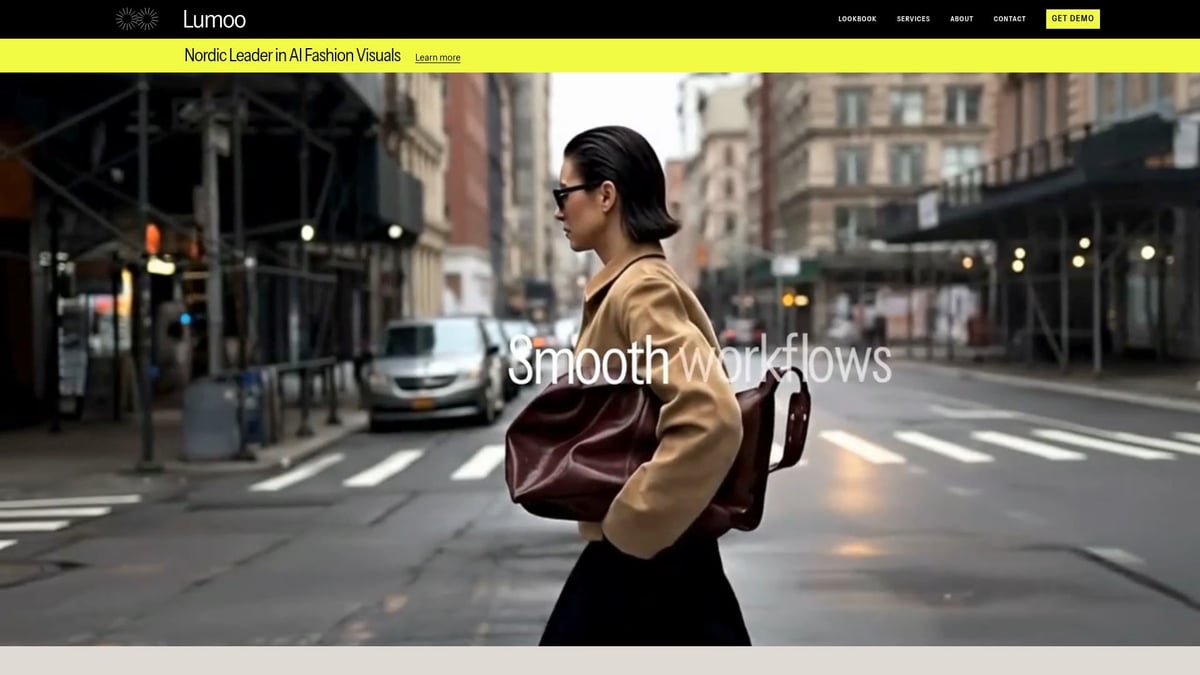
By bridging creative and commercial teams, AI-driven tools support omnichannel strategies. Companies leveraging these solutions report faster campaign launches and higher engagement rates. The retail and fashion industry benefits from streamlined design and marketing, making innovation more accessible.
Predictions: What Lies Ahead
Looking forward, the retail and fashion industry will continue to merge technology, sustainability, and personalization. New business models, including rental, resale, and direct-to-consumer, are on the rise. Consumers are increasingly influencing product development and demanding agile, innovative solutions.
Brands must adapt to regulatory shifts and global market changes to stay competitive. The sector is projected to reach three trillion dollars by 2030, with technology-driven companies at the forefront. The retail and fashion industry stands poised for growth, driven by adaptability and forward-thinking strategies.
As we've explored, the retail and fashion industry in 2026 is all about harnessing technology, understanding evolving consumer needs, and creating visually compelling stories that set brands apart. If you're ready to see how innovative tools like AI-driven model images and virtual try-ons can elevate your brand's presence and streamline your creative process, I encourage you to experience these advancements firsthand. You don't have to imagine the future—let's shape it together.
Get Demo