Sport Fashion Guide 2026: Elevate Your Athletic Style
Elevate your athletic style with the ultimate 2026 sport fashion guide Explore top trends innovative materials expert tips and build a versatile wardrobe today

Step into 2026, where sport fashion redefines athletic style by merging high-performance gear with the latest design innovation. Whether you are an athlete or a style enthusiast, you can transform your look by embracing sport fashion’s newest trends, advanced materials, and smart technologies.
This guide gives you a complete roadmap to mastering sport fashion, from must-have wardrobe pieces to expert styling tips. Discover the top trends, future-ready footwear, sustainable materials, and inclusive designs shaping the year ahead.
Ready to elevate your athletic style? Read on for your essential 2026 sport fashion blueprint.
The Evolution of Sport Fashion: 2026 Trends and Influences
Sport fashion in 2026 stands at the intersection of performance and style, redefining what it means to dress for both activity and everyday life. Once limited to gyms and playing fields, sport fashion now influences mainstream wardrobes, becoming a global style movement that appeals to athletes and fashion-forward consumers alike.

The macro-trends shaping sport fashion in 2026 are unmistakable. Gorpcore, with its utilitarian roots and outdoor influences, continues to merge with Mountaincore aesthetics, bringing technical shells, fleece, and cargo details into city life. Urban-outdoor hybrids dominate, as brands design multifunctional pieces that transition seamlessly from trail to street. The demand for athletic wear that fits everyday routines fuels the rise of versatile, performance-driven silhouettes.
Trade fairs and global events like ISPO 2025/2026 play a critical role in accelerating these trends. They provide a platform for unveiling innovations, connecting designers, and setting the agenda for sport fashion’s next chapter. At the same time, new regulations are reshaping the industry. The EU Ecodesign Regulation Impact on Textiles is driving brands to prioritize traceability, circularity, and responsible sourcing, influencing both design and material selection for sport fashion collections.
Sustainability is now a central theme, not a secondary concern. The adoption of mono-materials, recycled fibers, and textile-to-textile recycling reflects a shift toward responsible production practices. As a result, over 60-70% of new fabrics showcased in 2026 sport fashion collections emphasize traceability and eco-responsibility, according to ISPO data.
Cross-category innovation is thriving. Performance fabrics—once reserved for athletes—are now seen in streetwear, while urban aesthetics inspire technical sportswear. This exchange blurs the boundaries between traditional categories, allowing consumers to express individuality and function in every setting. Technology is a powerful driver: AI-driven design streamlines trend forecasting and customization, while digital product passports and QR codes enhance transparency across the sport fashion supply chain.
A standout example of this evolution is the integration of suiting fabrics and urban tech details into activewear, as highlighted by the ISPO Textrends jury. Brands are merging refined tailoring with high-performance materials, creating garments that elevate sport fashion and meet the demands of modern, active lifestyles.
Sport fashion in 2026 is defined by adaptability, innovation, and a commitment to responsible design. It offers consumers the freedom to move, express, and perform—without compromising on style or sustainability.
Essential Sport Fashion Pieces for 2026
Staying ahead in sport fashion means knowing which pieces will define your wardrobe in 2026. This year’s essentials blend technical innovation, city-ready style, and inclusive design. Whether you train daily or want a versatile look, these must-have items set the tone for sport fashion’s next era.

Performance Tops and Layering
The foundation of any sport fashion wardrobe in 2026 starts with advanced performance tops. Look for base layers that offer anti-odor properties, moisture management, and thermal regulation. Brands are reintroducing wool and silk blends, creating tops that are both functional and stylish. Second-layer options include lightweight technical knits and hybrid outerwear, like the Nike Tech Fleece Windrunner.
Layering remains crucial for adapting to shifting climates and activity levels. Urban-inspired hoodies and shells with performance fabrics keep your look fresh and practical. Many of these innovative materials are recognized by industry leaders, as seen in the ISPO Textrends 2026 Award Winners. These pieces ensure your sport fashion choices are not only on trend but also built for high performance.
Bottoms and Activewear Pants
Bottoms anchor your sport fashion look, offering both comfort and versatility. Trending silhouettes include tapered joggers, technical leggings, and urban cargo pants. Engineered stretch fabrics and mono-material constructions support easy recycling and all-day comfort.
Multi-use joggers designed to transition seamlessly from gym sessions to city streets are becoming staples. These pieces reflect the ongoing evolution of sport fashion, prioritizing both sustainability and style for 2026.
Footwear: The Foundation of Sport Style
Footwear defines sport fashion in 2026, with brands focusing on durability, versatility, and sustainability. Top trends include robust sneakers, running-inspired designs, and shoes built with recycled materials. Models like the adidas Samba OG, New Balance 530, and Nike Air Max 270 are popular for their multi-functional appeal.
Trail-inspired hybrids are also rising in prominence. Modular construction and recyclable materials align with new regulations, reinforcing the importance of responsible sport fashion choices.
Accessories and Finishing Touches
Accessories provide the finishing touch to any sport fashion ensemble. Statement caps, technical socks, and sport-inspired bags offer both style and function. Smart accessories such as fitness trackers and smartwatches are now fashion statements in their own right.
Color is key for 2026. Look to ISPO Textrends forecasts for trending palettes that bring vibrancy to your athletic look. Collaborations between sports brands and designers add unique, collectible pieces to your collection. Thoughtful accessory choices help express your personal sport fashion identity.
Gender-Inclusive and Adaptive Pieces
Inclusivity is central to sport fashion in 2026. Brands are moving toward unisex and adaptive designs that fit a wide range of body types and needs. Expanded size ranges and customizable fits are becoming standard.
This shift ensures that everyone can find pieces that align with their style and activity level. Sport fashion’s new era is about accessibility, comfort, and authentic self-expression for all.
Innovative Materials and Technologies Shaping Sport Fashion
The evolution of sport fashion in 2026 is driven by rapid innovation in materials and technology. From sustainable textiles to AI-powered design, the industry is transforming how athletes and style enthusiasts experience their wardrobes. This section explores the essential breakthroughs shaping sport fashion’s future.

Sustainable and Responsible Textiles
Sustainability has become a core pillar of sport fashion, with brands prioritizing eco-friendly innovations more than ever. In 2026, recycled polyester, bio-based fibers, and mono-material constructions are widely adopted. Textile-to-textile recycling is accelerating, turning worn-out garments into new performance fabrics. Ocean plastics are being transformed into durable, high-quality yarns for sport fashion collections.
Certifications and transparent sustainability data are now essential for consumer trust. Over 60-70% of new fabrics presented at ISPO Textrends 2026 feature responsibility claims backed by measurable evidence, setting a new standard for the industry. The introduction of new EU regulations, such as the Ecodesign for Sustainable Products Regulation Overview, is making sustainable practices a requirement rather than an option for sport fashion brands.
Consumers are seeking products with clear origins and minimal environmental impact, reinforcing the shift toward eco-innovation. As a result, sport fashion collections in 2026 are not only trend-forward but also environmentally responsible, reflecting the values of modern athletes and style leaders.
Performance-Driven Fabric Innovations
Advancements in textile engineering are redefining the capabilities of sport fashion. Nano-scale construction techniques produce ultra-lightweight, high-tenacity fabrics, offering athletes superior comfort without sacrificing durability. Hybrid blends, combining synthetic and natural fibers like merino wool and silk, deliver optimal moisture management, thermal regulation, and style.
Technical membranes and advanced coatings provide weather resistance and breathability, ensuring sport fashion performs in any condition. Microfine ripstop fabrics under 50g per square meter, as showcased at ISPO, exemplify how innovation can lead to weightless yet robust apparel.
The integration of these technical fabrics into everyday sport fashion pieces is bridging the gap between performance and style. Whether for high-intensity training or daily wear, these advances empower consumers to demand more from their athletic wardrobe, making sport fashion both functional and fashionable.
Digital Tools and Smart Technologies
Digital transformation is revolutionizing sport fashion, bringing transparency, functionality, and enhanced user experiences. Digital product passports are now embedded in garments, providing traceability, compliance information, and full lifecycle transparency. QR-coded apparel lets consumers access product details, care instructions, and even recycling options instantly via their smartphones.
Smart textiles are emerging as a key innovation, with embedded sensors tracking biometrics like heart rate, temperature, and movement. These features enable athletes to monitor performance in real time, making sport fashion an integral part of their training routines.
Platforms like the ISPO Textrends Marketplace are leading the way in digital traceability and analytics, helping brands and consumers make data-driven decisions. With these technologies, sport fashion is evolving into a connected, intelligent ecosystem that elevates both performance and convenience.
AI and Virtual Fashion Solutions in Sportwear
Artificial intelligence is rapidly transforming sport fashion from design to consumer experience. Brands are leveraging AI for rapid prototyping, trend forecasting, and personalized product recommendations. This technology accelerates development cycles and ensures that sport fashion collections align with emerging consumer preferences.
Virtual try-on (VTO) and digital lookbooks are becoming standard, offering consumers immersive, interactive shopping experiences. AI-driven fit visualization tools allow shoppers to see how garments will look on diverse body types, enhancing confidence and reducing returns.
By embracing AI and digital solutions, sport fashion brands are not only streamlining their operations but also making the shopping journey more inclusive and engaging. These advancements set the stage for a future where innovation, personalization, and style go hand in hand.
Building a Versatile Athletic Wardrobe: Step-by-Step Guide
Building a versatile athletic wardrobe is essential for anyone aiming to master sport fashion in 2026. A thoughtful approach ensures you look sharp, stay comfortable, and adapt effortlessly from gym to street. Follow this step-by-step guide to curate a collection that balances performance, innovation, and style.
Step 1: Assess Your Athletic Lifestyle and Needs
Start by evaluating your daily activities and routines. Are you a runner, a gym enthusiast, or someone who prefers outdoor adventures? Think about how often you participate in each activity and the climates you encounter.
Identify your primary needs for sport fashion. Do you require moisture-wicking fabrics for high-intensity workouts, or do you value thermal regulation for outdoor training? Consider your personal style and how versatile you want your wardrobe to be. This assessment is the foundation for building a sport fashion collection that truly fits your life.
Step 2: Invest in Core Multi-Functional Pieces
Prioritize pieces that transition seamlessly from athletic performance to everyday wear. Look for joggers, hybrid jackets, and high-quality performance tops that reflect the latest sport fashion trends. Versatile footwear, like the adidas Samba OG, ensures you’re prepared for both training and casual outings.
Explore collections informed by textile innovation and multifunctionality. For deeper insights into current fabric developments and key industry trends, review the ISPO Textrends Spring/Summer 2026 Trends. Selecting adaptable core items will help you maximize outfit combinations and stay ahead in sport fashion.
Step 3: Layer with Trend-Forward and Technical Items
Add statement layers to express your personal sport fashion sense. Technical hoodies, weatherproof shells, and urban vests offer style and practical protection. Incorporate trending colors and innovative materials, such as nano-tech windbreakers or wool blends, for both visual appeal and climate adaptability.
Experiment with layering to create depth and respond to changing weather. Mixing textures and silhouettes keeps your sport fashion wardrobe fresh and dynamic, ensuring every outfit is both functional and contemporary.
Step 4: Accessorize for Function and Style
Accessories are essential in sport fashion, enhancing both performance and appearance. Choose smartwatches to track fitness goals, technical socks for comfort, and sport caps for a polished finish.
Coordinate accessories with your main pieces for a cohesive look. Select bags, hats, and tech gear that complement your color palette. Well-chosen accessories not only complete your sport fashion outfits but also add a personal, trend-aware touch.
Step 5: Maintain and Update Your Wardrobe Responsibly
Caring for your wardrobe is a vital part of sport fashion in 2026. Embrace repair, recycling, and upcycling to extend the life of your favorite pieces. Many brands now offer repair services and take-back programs, supporting a circular approach to fashion.
Use digital tools to manage your wardrobe and track garment care. By maintaining and updating your collection responsibly, you contribute to a sustainable sport fashion ecosystem while keeping your style current and functional.
The Role of Technology and AI in Sport Fashion’s Future
Technology and artificial intelligence are redefining the boundaries of sport fashion, merging innovation with personal expression. As digital tools become integral to design, retail, and marketing, the sport fashion industry is entering a new era of creativity and efficiency. Staying informed about these advancements is essential for anyone aiming to master sport fashion in 2026.
AI-Driven Design and Personalization
Artificial intelligence is accelerating every stage of sport fashion design. Brands now use AI to analyze trends, generate new concepts, and personalize collections for a wide range of consumers.
AI-driven tools enable rapid prototyping, allowing designers to iterate on fabrics, colors, and silhouettes with unprecedented speed. This technology also supports visualization across diverse body types, ensuring inclusivity in sport fashion. For example, AI-powered platforms help brands maintain consistency while adapting to evolving consumer preferences.
By leveraging AI, companies can deliver sport fashion collections that reflect both current trends and individual needs.
Virtual Try-On and Digital Shopping Experiences
The rise of virtual try-on (VTO) and augmented reality (AR) is transforming how consumers engage with sport fashion online. These tools allow shoppers to visualize garments and footwear on their own bodies, increasing confidence in fit and style.
Digital lookbooks and 360° product views further enhance the online experience, providing detailed insights into materials, construction, and colorways. Many sport fashion brands now integrate VTO for both sneakers and apparel, reducing return rates and improving customer satisfaction.
This technology ensures that sport fashion remains accessible and interactive for a global audience.
Smart Retail and Data-Driven Insights
Retail environments are evolving rapidly, with digital technologies at the forefront of sport fashion innovation. Analytics dashboards track consumer interactions, helping brands understand preferences and optimize inventory.
QR codes and NFC tags connect physical products to rich digital content, offering seamless access to care instructions, origin details, and styling suggestions. Platforms like ISPO Textrends Marketplace provide analytics tools that enable sport fashion brands and retailers to make data-driven decisions.
Smart retail solutions are shaping a more responsive and personalized sport fashion shopping journey.
How AI Visual Solutions Are Transforming Sport Fashion Marketing
AI-powered visual tools, such as Lumoo Studio, are revolutionizing sport fashion marketing. These platforms streamline campaign production, generating model images, lookbooks, and dynamic visuals that align with brand identity.
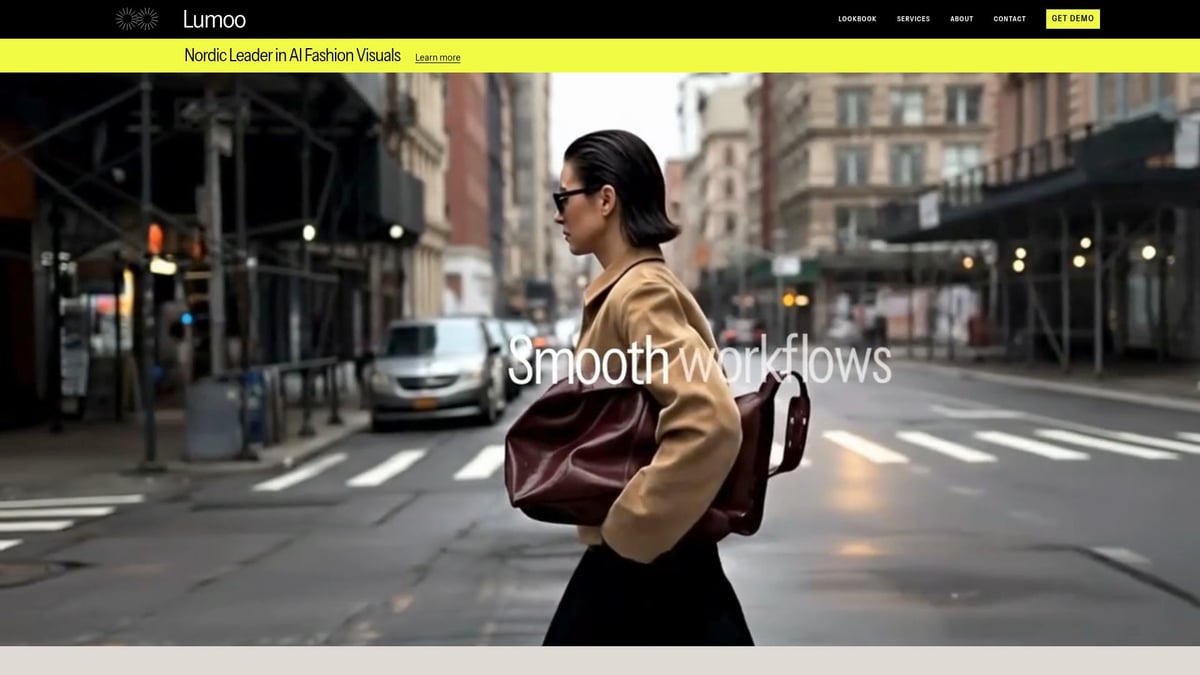
By adopting AI visual solutions, sport fashion brands can quickly scale content creation for digital channels without sacrificing consistency. Features like true-to-fit visualizations and virtual try-ons enhance inclusivity, engaging consumers across all body types.
To explore how AI is reshaping sport fashion marketing, visit Lumoo Studio for more insights.
Expert Styling Tips: Elevate Your Athletic Look in 2026
Unlocking your best athletic style in 2026 is about more than following trends. It is about mastering the art of sport fashion by blending innovation, comfort, and personality. Use these expert tips to create a wardrobe that is both functional and visually striking.
Mix Performance and Streetwear Aesthetics
The boundary between athletic and everyday wear has blurred, making it easier than ever to elevate your look. Combine technical pieces from the sport fashion world with classic streetwear for a modern, functional style.
Try pairing running shoes with tailored pants or layering a technical hoodie under a casual blazer. This hybrid approach lets you move seamlessly from training sessions to social outings.
- Style tip: Opt for versatile sneakers that look sharp in both gym and city settings.
- Pro move: Balance fitted activewear with relaxed outer layers for a contemporary silhouette.
Experimenting with these combinations keeps your sport fashion look fresh and adaptable.
Play with Color, Texture, and Layering
2026’s sport fashion scene is defined by bold color palettes, textured fabrics, and smart layering. Do not be afraid to mix nano-scale technical materials with classic wool blends for both performance and visual interest.
Layer a wool-blend base with a nano-tech windbreaker or add a pop of color with statement accessories. This approach not only improves adaptability to changing weather but also adds depth to your overall style.
- Trending colors: Vibrant blues, soft lilacs, and earthy greens.
- Layering tip: Alternate between lightweight and insulating fabrics for year-round comfort.
Embracing these techniques ensures your sport fashion wardrobe stands out in any environment.
Prioritize Fit, Comfort, and Confidence
Achieving a polished sport fashion look starts with fit. Choose silhouettes that flatter your body type and support your activities, paying attention to true-to-fit sizing and adaptive features.
Look for brands offering extended size ranges, adjustable elements, and customization options. Comfort is essential, but so is feeling confident in your clothes.
- Fit tip: Test pieces in motion to ensure they move with you.
- Adaptive features: Seek out adjustable waistbands, modular layers, and ergonomic seams.
When your sport fashion choices prioritize fit and comfort, confidence follows naturally.
Sustainability as a Style Statement
Showcasing your values through your wardrobe is key in 2026. Make sustainability part of your sport fashion identity by choosing visible eco-labels, recycled materials, and supporting responsible brands.
Opt for mono-material garments or pieces with transparent supply chains. Communicate your commitment to the planet by wearing items that tell a story of innovation and responsibility.
- Eco tip: Look for digital product passports or QR codes for sourcing info.
- Upcycling: Incorporate vintage or re-engineered sport fashion pieces.
Sustainable choices not only benefit the environment but also elevate your style with purpose.
As you explore the sport fashion trends and technologies shaping 2026, imagine how your brand’s visuals could evolve with the power of AI. If you’re ready to elevate your athletic style and engage your audience with dynamic, true to life model images and next level lookbooks, you don’t have to go it alone. Lumoo Studio’s innovative suite empowers you to transform your brand’s storytelling and market presence, just as you’ve seen throughout this guide. Curious to see how these tools can work for you?
Get Demo
and discover firsthand how AI driven visuals can set your sport fashion brand apart.