7 Sport Model Trends Dominating 2026
Discover the top sport model trends dominating 2026, from AI and diversity to sustainability and digital innovation. Stay ahead with expert insights and strategies.
In 2026, the sport model is undergoing a transformation that is reshaping the industry at its core. Rapid advances in technology, a renewed focus on diversity, and the demand for authentic representation are driving this change.
This article explores the seven most influential trends that define sport modeling today. From AI-powered campaigns to sustainability and digital-first experiences, these shifts are setting new standards for brands, athletes, and agencies alike.
Stay ahead by discovering what is fueling the evolution of sport modeling, and learn how to adapt to the dynamic demands shaping the future of this exciting field.
The Evolution of Sport Modeling: Key Drivers in 2026
The sport model industry is undergoing a dramatic transformation in 2026, influenced by rapid technological advancements, cultural shifts, and changing consumer expectations. Understanding the main drivers behind these changes is essential for brands, agencies, and athletes aiming to stay ahead in the competitive modeling landscape.
The Impact of Technology and AI on Sport Modeling
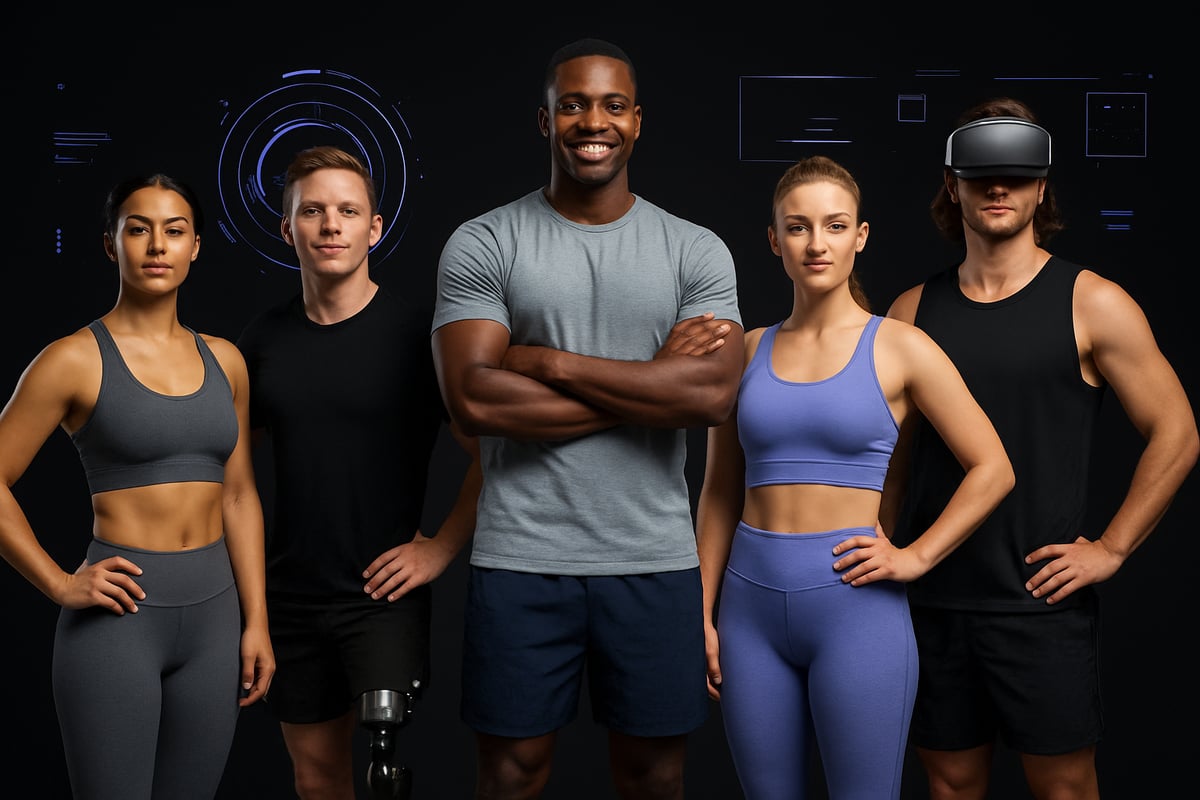
Technology is revolutionizing every aspect of the sport model world. Artificial intelligence now streamlines model selection, making it easier for brands to identify the perfect fit for campaigns. The rise of virtual sport model personas and digital avatars enables brands to create customizable, global campaigns at scale.
Advanced analytics are used to predict campaign success, optimizing every visual element. The integration of AR and VR brings immersive experiences to consumers, allowing them to interact with sport model visuals in real time. For those interested in how AI can transform the creative process, the article Transform Sketches to Sport Model Visuals offers valuable insight into the latest innovations.
Diversity, Inclusivity, and Representation
The demand for diversity has never been stronger in the sport model sector. Brands are actively seeking models of all body types, ages, and cultural backgrounds. There is a notable increase in the representation of adaptive athletes and those with disabilities, reflecting a broader push toward inclusivity.
Global movements for social justice continue to influence casting decisions, encouraging brands to prioritize authentic representation. High-profile campaigns featuring a wide range of sport model identities have proven that inclusivity resonates with consumers, driving loyalty and brand growth.
Sustainability and Ethical Practices in Modeling
Sustainability is now a core expectation within the sport model industry. Brands are shifting toward eco-friendly photoshoots, reducing waste, and choosing sustainable materials for apparel. Ethical considerations extend to digital model creation, ensuring transparency and responsible use of AI-generated images.
Modeling agencies are taking active roles in promoting sustainable practices, educating both clients and talent on environmental responsibility. As consumers increasingly demand responsible branding, sport model campaigns that embrace ethical values are setting new industry standards.
The Influence of Social Media and Digital Platforms
Social media platforms like TikTok and Instagram are shaping sport model trends in real time. Athlete-influencers leverage their followings to drive engagement and amplify brand campaigns. The importance of personal branding for sport models has never been more evident.
Data shows that sport models often achieve higher engagement rates than traditional models, thanks to their authentic storytelling and connection with audiences. Digital platforms also provide direct feedback, enabling brands to refine their approach and maximize campaign impact.
7 Sport Model Trends Dominating 2026
The sport model landscape in 2026 is undergoing rapid transformation. Brands, agencies, and athletes are embracing new technologies, pushing boundaries in representation, and responding to evolving consumer expectations. Let’s explore the seven trends that are shaping the future of sport model campaigns and redefining what it means to stand out in this dynamic industry.
1. AI-Generated and Virtual Sport Models
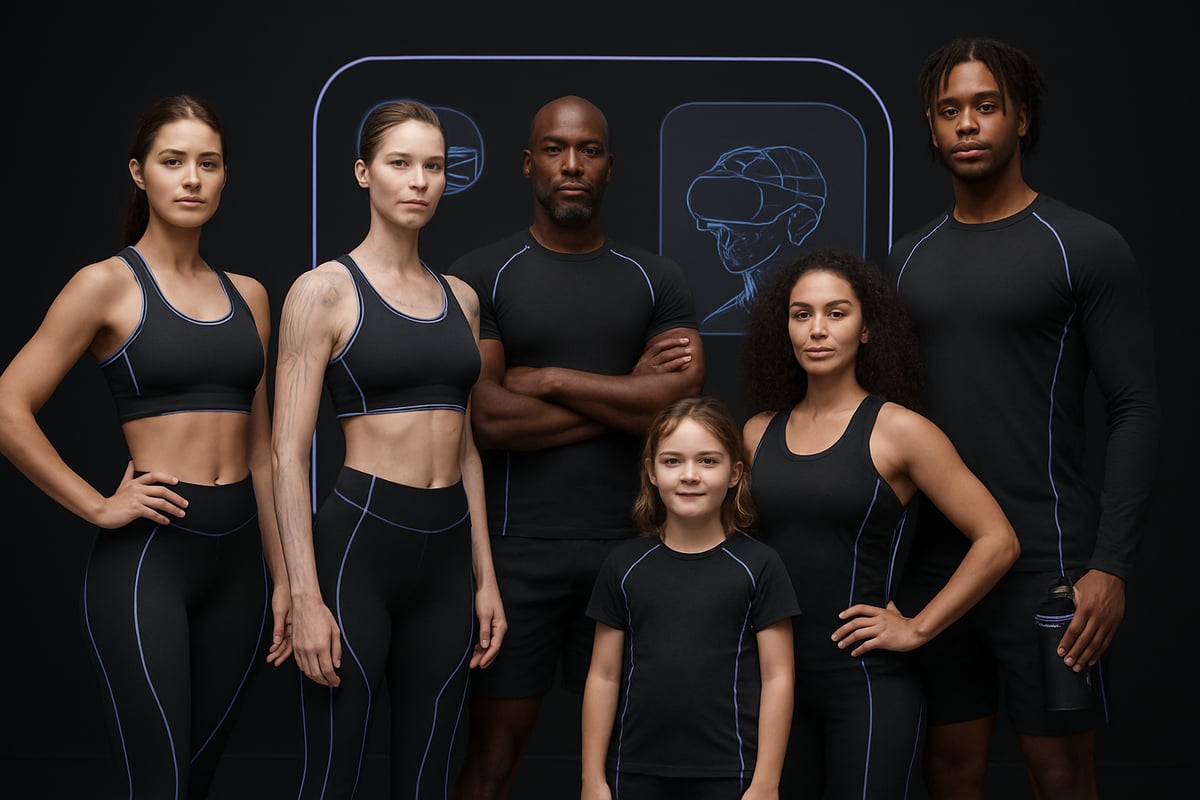
AI is revolutionizing the sport model industry by enabling brands to create digital avatars and virtual personalities tailored to specific campaigns. Companies like Nike and Adidas now use AI-generated sport model visuals to showcase new collections, offering immense flexibility and creative freedom. These virtual sport models can be quickly customized for global campaigns, reducing costs and streamlining production.
The benefits are clear: sport model imagery can now be adapted for cultural nuances, body types, and even performance scenarios. However, challenges arise around authenticity, consumer trust, and regulatory standards. Some audiences question if virtual sport models can truly convey the energy and realism of live athletes.
Despite these concerns, the adoption of AI models has surged by 40 percent since 2024. Brands are experimenting with virtual influencers in sportswear ads and interactive digital experiences. For a closer look at how AI is enabling customizable brand models, see Customizable Brand Models with AI.
As technology matures, expect AI-generated sport model presence to become a core part of every forward-thinking campaign.
2. Size-Inclusive and Diverse Representation
The demand for authentic representation is stronger than ever. Sport model casting in 2026 reflects a broader spectrum of body types, ages, and backgrounds. Brands are expanding size ranges and actively seeking models who break from traditional athletic stereotypes.
Major sportswear companies now feature plus-size and adaptive sport model talents in campaign visuals. This shift is not only ethical but also strategic, as 68 percent of consumers prefer brands that showcase diverse sport model representation. The inclusion of athletes with disabilities and various cultural backgrounds is now standard, reflecting real-world participation in sports.
Campaigns that prioritize inclusivity foster deeper connections with audiences. Consumers feel seen and respected when sport model visuals mirror society. This approach also improves brand perception and loyalty.
The message is clear: diversity is no longer a trend but a foundational expectation for every sport model campaign.
3. Athlete-Influencer Collaborations
Athletes are leveraging their social media influence to become powerful sport model partners. In 2026, the line between athlete, influencer, and sport model is increasingly blurred. Brands collaborate with athletes who have strong online followings, tapping into their storytelling skills to create authentic, relatable campaigns.
Olympic athletes and professional sports figures now serve as both brand ambassadors and sport model leads. This strategy amplifies campaign reach and engagement, as athlete-influencer content resonates more with fans. In fact, influencer-led sport model campaigns see twice the engagement rates compared to traditional approaches.
The rise of athlete-influencers empowers sport models to build personal brands and shape narratives. This collaboration model creates a win-win dynamic for brands and talent alike.
For brands seeking meaningful engagement, partnering with athlete-influencer sport models is now essential.
4. Sustainable and Eco-Conscious Modeling Campaigns
Sustainability is at the forefront of the sport model industry. Brands are prioritizing eco-friendly materials, ethical production, and green credentials in every campaign. Sport model shoots now incorporate recycled fabrics, energy-efficient lighting, and zero-waste principles.
Eco-conscious sport model campaigns not only reduce environmental impact but also appeal to a growing base of ethical consumers. Gen Z, in particular, is driving this shift, with 55 percent preferring brands that demonstrate a commitment to sustainability. Dedicated sport model rosters now feature athletes and influencers who advocate for environmental causes.
Agencies play a critical role by ensuring all sport model campaigns meet high sustainability standards. Transparent supply chains and responsible branding are key differentiators in the crowded sportswear market.
As sustainability expectations grow, the sport model industry is evolving to meet the challenge and inspire positive change.
5. Digital-First and Immersive Experiences
Digital transformation is reshaping how sport model campaigns engage audiences. Brands are integrating AR and VR technologies to create interactive experiences, such as virtual try-ons and live digital runway shows. These innovations allow consumers to connect with sport model campaigns from anywhere in the world.
Case studies reveal a 70 percent increase in digital-first campaign investments since 2025. Sport model visuals are now designed for multi-channel delivery, optimizing for mobile, social media, and immersive platforms. This approach delivers personalized, data-driven experiences that drive higher engagement.
Digital-first campaigns also offer significant cost savings and scalability. Sport model talent can participate in virtual events, expanding reach without traditional logistical constraints.
Immersive sport model experiences are becoming the new standard for brands aiming to captivate and convert digital audiences.
6. Gender Fluidity and Non-Binary Representation
Brands are embracing gender fluidity and non-binary identities in sport model casting. The traditional boundaries of male and female representation are dissolving, making room for sport models who express a wide spectrum of gender identities.
Unisex sportswear lines and inclusive campaign visuals are now commonplace. Brands that prioritize gender-diverse sport model representation benefit from increased consumer loyalty and a distinct market position. Since 2025, there has been a 30 percent rise in bookings for non-binary and gender-fluid sport models.
This trend challenges outdated industry norms, creating space for authentic self-expression and broader societal acceptance. Consumers are responding positively, valuing brands that reflect the complexity of real-life identities.
Gender inclusivity is not just a statement but an actionable commitment in every sport model campaign.
7. Data-Driven Personalization and Predictive Modeling
Data analytics is transforming sport model campaign strategy. Brands are harnessing consumer data to tailor sport model selections, content themes, and delivery channels. Predictive modeling enables marketers to forecast campaign outcomes and optimize for higher conversion rates.
With AI tools, brands can match the perfect sport model to each target audience, ensuring visuals and messaging resonate deeply. Personalized campaigns yield a 20 percent higher ROI compared to generic efforts. The use of sport model data also supports real-time adjustments, improving campaign agility.
For sport models, understanding data trends and audience insights is now a core skill. Agencies provide training to help sport models interpret analytics and refine their personal branding strategies.
In 2026, data-driven personalization is not optional but essential for any sport model campaign seeking measurable impact.
The Role of Modeling Agencies and Brands in Shaping 2026 Trends
In 2026, modeling agencies and brands are more influential than ever in defining what it means to be a sport model. With technology, ethics, and performance metrics reshaping the landscape, agencies and brands must adapt quickly to maintain relevance and drive success in this evolving field.

Adapting to New Standards and Expectations
Modeling agencies are rapidly updating their casting processes to reflect the new standards shaping the sport model industry. Inclusivity, technological fluency, and sustainability are now at the forefront of every decision. Agencies are investing in training programs that help both new and established models master digital-first platforms, AR/VR tools, and personal branding techniques.
Brands, in turn, are forging partnerships with tech companies to create innovative campaigns that resonate with modern consumers. The integration of AI and data-driven insights is enabling more precise casting and campaign personalization. For example, leading agencies are collaborating with brands to align their rosters with the top sportswear and fashion trends for 2026, ensuring their sport model selections reflect consumer expectations for diversity and style.
Continuous learning and adaptation are essential. Agencies that champion these values are setting new benchmarks for the industry, empowering sport models to thrive in a digital and inclusive era.
Navigating Ethical and Legal Considerations
As digital technology transforms sport model campaigns, ethical and legal questions are at the forefront. Agencies and brands must address issues around copyright, consent, and the authenticity of AI-generated imagery. Ensuring fair compensation and rights for sport models is vital, especially as virtual representations and digital likenesses become more common.
Regulatory frameworks are evolving to keep pace with innovation. Agencies are working closely with legal experts to interpret new guidelines and implement best practices for transparency and accountability. This includes clear communication with sport models regarding how their images and data are used in campaigns, especially when AI or AR/VR are involved.
Best practices also extend to casting, where agencies must ensure equal opportunity and prevent bias in both digital and traditional selection processes. By prioritizing ethics, agencies and brands protect not only their sport models but also their own reputations in a highly visible industry.
Measuring Success: Metrics and KPIs for Modern Sport Model Campaigns
The success of a sport model campaign is now measured by a sophisticated set of metrics. Engagement rates, conversion data, and ROI are tracked through advanced analytics platforms, allowing agencies and brands to refine strategies in real time. Digital and AI-driven campaigns offer granular insights into audience preferences, campaign reach, and effectiveness.
A typical KPI table for sport model campaigns might include:
| Metric | Description | Why It Matters |
|---|---|---|
| Engagement Rate | Likes, shares, comments per post | Reflects audience interest |
| Conversion Rate | Clicks/actions per campaign | Measures campaign impact |
| ROI | Revenue vs. campaign spend | Assesses financial success |
| Audience Growth | Follower increase over time | Gauges brand/model reach |
Tools that integrate AI can predict future campaign performance, as highlighted in AI's Impact on Sports Marketing. Feedback loops and regular data reviews ensure that both agencies and sport models can adapt quickly, keeping campaigns relevant and results-driven.
How Sport Models and Athletes Can Stay Ahead in 2026
Staying ahead as a sport model in 2026 means adapting to new digital realities, nurturing your personal brand, and prioritizing holistic wellbeing. With the industry evolving at lightning speed, sport models and athletes must take proactive steps to remain relevant and influential. The following strategies provide a roadmap to success in this dynamic landscape.

Building a Personal Brand in the Digital Age
A strong personal brand is now a non-negotiable asset for any sport model. Social media platforms like Instagram and TikTok offer powerful channels to showcase athletic talent, unique personality, and personal values. Success lies in being authentic and relatable while maintaining professionalism.
Consider the importance of inclusive branding. For example, using Size-Inclusive Model Visuals can help you reach and inspire a wider audience. Storytelling is key: share behind-the-scenes moments, training routines, and collaborations with brands to build trust and connection.
Practical steps to elevate your personal brand as a sport model:
- Set clear goals for your online presence.
- Engage with your community through comments and direct messages.
- Partner with brands aligned with your values and image.
By leveraging these strategies, a sport model can amplify their impact and open doors to new opportunities.
Embracing Technology and Continuous Learning
Technology is transforming the sport model industry, and those who embrace it will lead the way. Digital runway shows, AR/VR experiences, and AI-powered tools have become standard. Staying current means learning how to use these platforms and integrating them into your everyday work.
Upskilling in digital content creation and AI applications can set a sport model apart from the competition. The growing AI in Sports Market Growth highlights how crucial tech fluency is for career advancement. Participating in virtual campaigns, experimenting with new formats, and joining online communities for sport models are excellent ways to stay connected to industry shifts.
Actionable ways to embrace technology:
- Attend webinars and workshops on digital modeling.
- Collaborate with tech-forward agencies and brands.
- Regularly update your portfolio with digital and interactive content.
By investing in continuous learning, a sport model ensures they remain at the forefront of industry change.
Prioritizing Health, Wellbeing, and Authenticity
In 2026, the most successful sport model is one who balances career ambition with physical and mental wellbeing. The demands of modeling and athletics can be intense, so it is essential to set boundaries and prioritize self-care.
Advocate for realistic standards in sport model campaigns. By maintaining authenticity in every collaboration, you foster stronger relationships with brands and fans. This approach also encourages healthier industry norms, making space for more inclusive and diverse representation.
Tips for prioritizing health and authenticity as a sport model:
- Schedule regular downtime to recharge.
- Seek out resources and communities for support.
- Choose partnerships that respect your values and well-being.
Ultimately, a sport model who values their health and stays true to themselves will be best positioned to thrive in the evolving world of sport modeling.
As we’ve explored, the future of sport modeling is all about AI-driven innovation, inclusivity, and immersive digital experiences. If you’re ready to see how these trends can elevate your brand’s visual storytelling and connect with audiences in new ways, Lumoo Studio’s AI-powered tools make it easy to stay ahead. Whether you want to create dynamic model imagery, interactive lookbooks, or simply keep pace with the latest industry shifts, now is the perfect time to explore the possibilities.
Take the next step and Get Demo to experience firsthand how you can transform your campaigns for 2026 and beyond.