7 Inspiring Storytelling Fashion Trends to Watch in 2026
Discover the top 7 storytelling fashion trends for 2026, from sustainability to digital innovation. Learn how narrative driven design will shape the industry’s future.

Fashion in 2026 is not just about what you wear, it is about the stories your wardrobe tells. Today, storytelling fashion shapes how brands and individuals connect, making each garment part of a larger narrative.
In this article, we explore the top seven inspiring trends redefining storytelling fashion for the next generation. From sustainability and inclusivity to digital innovation and heritage, these trends reveal how meaning and self-expression are woven into every piece.
Get ready to discover how these trends can influence your style, boost brand loyalty, and inspire you to embrace storytelling fashion in your own wardrobe and business.
The Power of Storytelling in Fashion
Fashion is no longer just about aesthetics. In 2026, storytelling fashion is transforming garments into powerful vessels for personal and cultural narratives. This shift from surface-level style to meaning-driven design is redefining the industry. Designers like Alexander McQueen have long captivated audiences with theatrical collections that tell stories, while streetwear labels such as Supreme use bold references to urban culture. In today’s saturated market, storytelling fashion helps brands carve out unique identities. According to recent statistics, client-centric storytelling can increase perceived brand value by up to 98 percent, highlighting the measurable impact of storytelling on fashion brand value.
Defining Storytelling Fashion
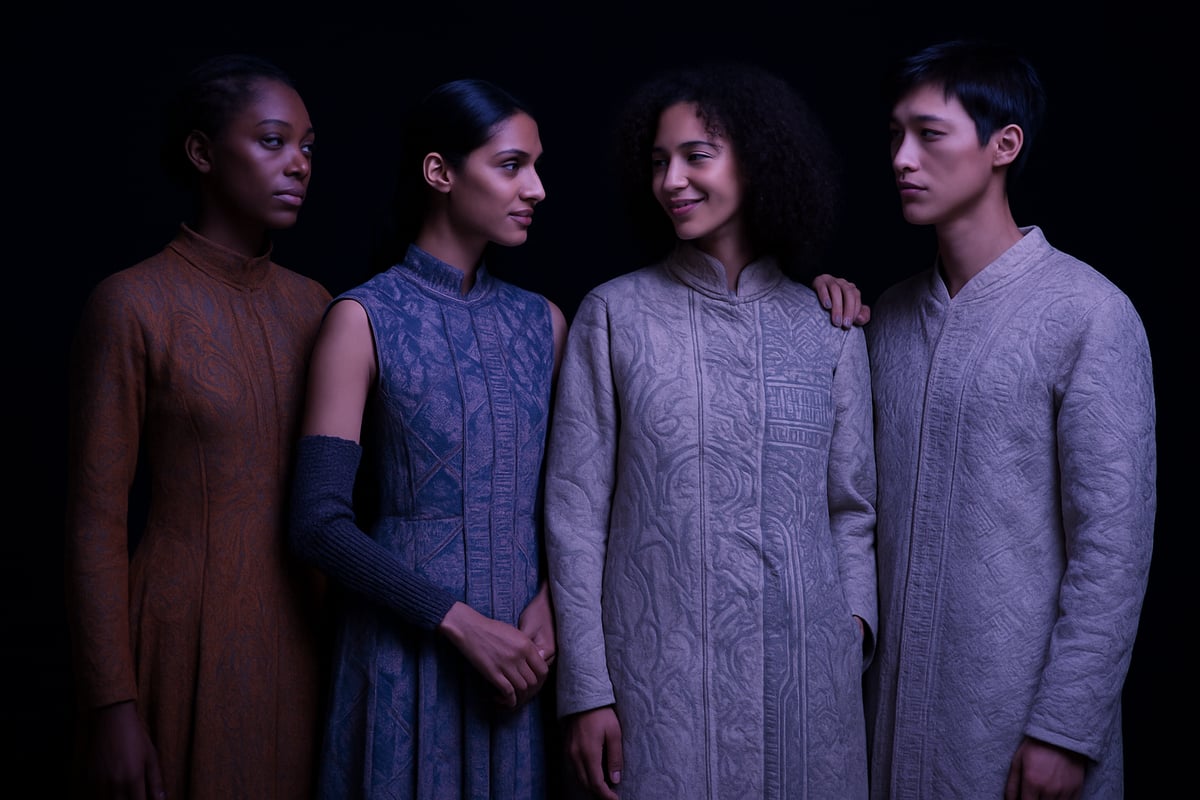
Storytelling fashion goes beyond trends, making every garment a statement piece that communicates who we are and where we come from. Rather than focusing solely on looks, brands are weaving cultural heritage, personal identity, and social commentary into their collections. This approach differentiates them in a crowded marketplace and creates lasting value. For example, Alexander McQueen’s legendary runway shows are more than presentations; they are immersive stories that captivate audiences. Likewise, Supreme infuses its streetwear with references to skate culture and urban life. The rise of storytelling fashion is supported by data showing a significant boost in brand perception when companies embrace narrative-driven strategies.
Why Storytelling Resonates with Modern Consumers
Today’s consumers crave authenticity and connection. Storytelling fashion enables individuals to express their beliefs, values, and heritage through what they wear. As conscious consumerism grows, people want their purchases to mean more. Social media amplifies these desires, letting users share their personal style stories and connect with like-minded communities. Brands like Patagonia have built loyal followings by championing environmental activism and transparency. In this context, storytelling fashion becomes a bridge between brands and consumers, fostering deep loyalty and emotional engagement.
Key Elements of Effective Fashion Storytelling
Successful storytelling fashion is built on consistency and emotional resonance. Brands must align their message across collections, campaigns, and digital platforms. Visual cues such as color, fabric, and silhouette play a crucial role in conveying a brand’s narrative. Incorporating elements of heritage, innovation, and community allows brands to engage audiences on multiple levels. For example, Everlane’s radical transparency in pricing and production invites consumers into the brand’s journey. Ultimately, effective storytelling fashion requires a deep understanding of the target audience and a commitment to genuine engagement.
The Evolution of Fashion Narratives: From Runways to Digital Platforms
Traditionally, storytelling fashion was showcased through dramatic runway performances. Now, narratives unfold across digital channels, from short films to augmented reality experiences. Social media influencers and everyday consumers have become active participants in shaping brand stories. Oscar de la Renta’s digital archive and short films exemplify this shift, offering immersive experiences that build brand trust. Omnichannel storytelling fashion not only expands a brand’s reach but also strengthens its equity by creating authentic, interactive connections with audiences.
7 Inspiring Storytelling Fashion Trends to Watch in 2026
The landscape of storytelling fashion in 2026 is more dynamic than ever. Brands are weaving compelling narratives into every stitch, using tradition, technology, and purpose to create garments that resonate on a personal and cultural level.

1. Heritage and Craftsmanship Revival
In 2026, storytelling fashion is experiencing a powerful resurgence of heritage and craftsmanship. Brands are delving deep into their roots, spotlighting artisanal techniques and honoring the legacy of their founders.
Fashion houses are reviving archives, opening ateliers, and commissioning documentaries to reveal the intricate processes behind their collections. Oscar de la Renta’s “A Sense of Beauty” film and digital archive, for example, showcase the label’s dedication to timeless design and expert craftsmanship.
This trend in storytelling fashion is about more than nostalgia. It boosts perceived value and authenticity, attracting consumers who crave meaningful, enduring pieces over fleeting fast fashion.
Why it matters:
- Elevates brand prestige through visible heritage
- Appeals to consumers seeking investment-worthy garments
- Drives measurable brand equity, especially in luxury
Challenges:
- Balancing historical reverence with contemporary relevance
- Avoiding the trap of nostalgia that feels outdated
By blending history with modernity, brands create a storytelling fashion narrative that stands out in a crowded market.
2. Digital-First Narrative Experiences
Storytelling fashion is leaping into the digital realm with immersive, interactive experiences. Brands are embracing AR, VR, and virtual try-on tools to transport consumers into their creative worlds.
Fashion shows are now held in the metaverse, allowing global audiences to participate in real time. Digital lookbooks feature interactive elements, while virtual influencers and avatars become vital storytelling vehicles.
Gen Z and digital natives are driving this shift, demanding personalized, tech-enabled connections with brands. Digital-first storytelling fashion delivers broader reach, deeper engagement, and valuable data insights.
Innovative practices:
- Virtual showrooms and try-on sessions
- Augmented reality campaigns
- AI-generated lookbooks
Potential drawbacks:
- Limited access for less tech-savvy consumers
- Risk of digital fatigue with overexposure
The future of storytelling fashion will see a seamless blend of physical and virtual narratives, making brand stories accessible and memorable for a global audience.
3. Sustainability and Ethical Impact Stories
Sustainability is now at the core of storytelling fashion, as brands embed environmental and social responsibility into their identities. Transparent sourcing, circular production models, and eco-friendly materials are no longer optional—they are expected.
Patagonia’s “Unfashionable” campaign is a prime example, urging consumers to buy less and value longevity over trends. Everlane’s radical transparency in pricing and production reinforces trust and authenticity in storytelling fashion.
Consumers are increasingly demanding accountability. Brands that tell honest, impactful stories about their supply chains and sustainability efforts build loyalty and stand out.
Key elements:
- Open communication about materials and labor
- Circular fashion initiatives
- Partnerships with environmental organizations
Challenges:
- Avoiding greenwashing and maintaining credibility
- Innovating without compromising on design
Storytelling fashion rooted in sustainability not only inspires trust but also drives innovation across the industry.
4. Community and Inclusivity-Driven Narratives
The rise of community and inclusivity is transforming storytelling fashion. Brands are engaging diverse voices in every aspect of design, marketing, and narrative creation.
Inclusive casting, real customer stories, and co-creation campaigns are now common. SKIMS and Victoria’s Secret have shifted toward body positivity and community engagement, reflecting a broader movement in storytelling fashion.
Social media platforms amplify these narratives, allowing underrepresented groups to see themselves reflected in campaigns and collections. This approach builds stronger brand loyalty and customer advocacy.
Benefits:
- Higher engagement rates through authentic representation
- Empowerment of marginalized communities
- Creation of supportive brand communities
Challenges:
- Ensuring representation is genuine, not tokenistic
- Navigating complex social and cultural expectations
By prioritizing inclusivity, storytelling fashion brands foster deeper connections and a sense of belonging among consumers.
5. Technology-Enabled Personalization
Personalization is revolutionizing storytelling fashion by harnessing AI and data analytics. Brands use advanced tools to visualize garments on a wide range of body types, offering hyper-personalized shopping experiences.
Virtual try-on solutions and AI-generated lookbooks allow consumers to see themselves in the story. This approach enhances engagement, reduces returns, and supports individual self-expression within storytelling fashion.
Key features:
- AI-driven product recommendations
- Predictive analytics for trend forecasting
- Customizable digital wardrobes
Challenges:
- Balancing automation with creative design
- Addressing data privacy and security concerns
Technology-enabled storytelling fashion empowers consumers to co-create their style narratives, making each purchase more meaningful and personal.
6. Activism and Purpose-Led Fashion Narratives
Activism is now a driving force in storytelling fashion, as brands use their platforms to advocate for social, political, and environmental causes. Fashion collections often carry explicit messages, aligning with issues that matter to their audiences.
Patagonia’s activism and Everlane’s labor rights campaigns exemplify this shift. Consumers increasingly seek brands whose storytelling fashion reflects clear values and a commitment to positive change.
Impact:
- Strengthened brand loyalty and trust
- Opportunities for partnerships with advocacy groups
- Enhanced marketing and product differentiation
Risks:
- Navigating controversy or backlash
- Ensuring consistency between message and action
Purpose-led storytelling fashion not only influences what people wear but also how they express their beliefs and drive change.
7. Lifestyle and Emotional Connection Storytelling
Storytelling fashion in 2026 goes beyond garments, creating aspirational worlds and emotional resonance. Brands like Alo use editorial content, omnichannel engagement, and influencer collaborations to evoke feelings of belonging and empowerment.
Lifestyle storytelling fashion focuses on holistic experiences, blending wellness, community, and culture. Editorials, podcasts, and immersive content help consumers connect emotionally with brands.
These strategies foster strong emotional ties and vibrant brand communities. For a deeper exploration of how emotional connections drive engagement, see Emotional connections through fashion storytelling.
Benefits:
- Enhanced brand loyalty through shared values
- Creation of aspirational lifestyles
- Influence on broader cultural trends
Challenges:
- Maintaining authenticity as trends evolve
- Ensuring relevance in a fast-changing market
By prioritizing emotional storytelling fashion, brands inspire consumers to see themselves as part of a larger, meaningful narrative.
How Brands Can Harness Storytelling Trends for 2026
Fashion brands entering 2026 face unprecedented opportunities and challenges as the landscape of storytelling fashion evolves. To stand out and connect authentically, brands must unify their narrative, embrace technology, and measure their impact. The following strategies will help brands harness the power of storytelling fashion for meaningful growth and engagement.
Building a Cohesive Brand Narrative
A unified narrative is the backbone of successful storytelling fashion. Every touchpoint, from digital campaigns to physical retail, must consistently reflect the brand’s core story. This alignment builds trust and recognition, ensuring that consumers experience a seamless journey.
Brands can use editorial calendars and narrative frameworks to guide their communications. For example, The Row’s quiet luxury and timeless messaging reinforce its identity across all platforms. Consistency in storytelling fashion strengthens brand equity and fosters loyalty.
Editorial guidelines, visual codes, and team alignment are essential for maintaining a coherent voice. By focusing on authenticity and clarity, brands can create a lasting impression in a crowded market. For further insights, explore the power of storytelling in fashion marketing.
Leveraging Technology for Scalable Storytelling
Technology is transforming how brands deliver storytelling fashion at scale. AI, AR, and VR enable the rapid creation of immersive campaigns, digital assets, and personalized experiences. Automation tools can generate model imagery and interactive lookbooks, supporting creative teams with speed and flexibility.
Virtual try-on solutions and AI-powered visuals make storytelling fashion more inclusive, allowing consumers to see garments on diverse body types. However, maintaining a balance between automation and creativity is crucial for genuine engagement.
Brands must select platforms that align with their narrative goals. The right mix of technology and creativity can elevate storytelling fashion, making it more impactful and accessible to a global audience.
Measuring the Impact of Storytelling on Fashion Business
Quantifying the effectiveness of storytelling fashion is essential for sustainable growth. Brands should track metrics such as engagement rates, conversion rates, brand sentiment, and customer loyalty. These indicators reveal how narratives influence consumer behavior and business outcomes.
Analytics tools help refine storytelling fashion strategies by highlighting what resonates with audiences. For example, Everlane’s transparent storytelling and simplified checkout process improved conversion and trust.
Regularly reviewing data allows brands to adapt their narrative for maximum impact. Measurement is not just about numbers, but about understanding the deeper connection between brand story and consumer action.
AI-Powered Visual Storytelling Solutions
AI-driven platforms are revolutionizing storytelling fashion by making content creation faster and more dynamic. Solutions like Lumoo Studio enable brands to produce high-quality visuals, styled model images, and engaging lookbooks within minutes.
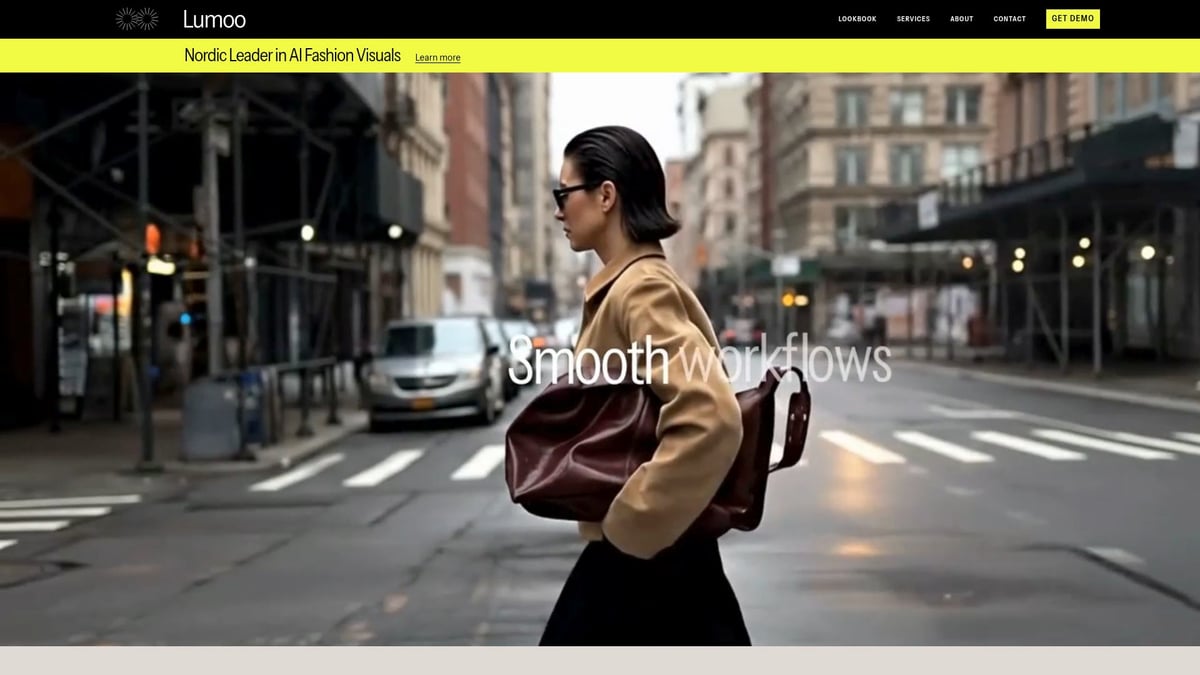
Key features include Lumoo ID for maintaining brand consistency, Lumoo VTO for virtual try-on experiences, and Lumoo StoryLook for rapid lookbook development. These tools empower storytelling fashion by reducing production costs and supporting inclusivity through diverse visualizations.
Fashion designers, creative directors, and marketing teams can leverage these technologies to align creativity and strategy. In 2026, adopting AI-powered storytelling fashion solutions will be vital for brands aiming to lead in innovation and consumer engagement.
Future Outlook: The Evolution of Storytelling Fashion
Fashion is entering a new era, where the power of storytelling fashion extends beyond the runway. As technology, social media, and shifting consumer values converge, brands must stay agile to keep their narratives relevant. Let us explore how storytelling fashion is set to evolve and what it means for the industry’s future.

The Role of Social Media and Influencers in Shaping Fashion Narratives
Social media has transformed how storytelling fashion reaches and engages audiences. Platforms like Instagram, TikTok, and YouTube enable brands and individuals to share their unique narratives instantly.
Influencers play a crucial role as co-creators, often launching trends and amplifying brand stories through authentic content. Viral fashion moments, such as user-generated challenges, illustrate how participatory storytelling fashion can shape public perception.
Brands now rely on real-time feedback and consumer-driven stories to remain relevant. However, maintaining control over the brand narrative presents challenges, as user content can quickly shift the conversation.
Anticipating Consumer Preferences and Emerging Storytelling Mediums
As consumers demand more authentic and immersive experiences, storytelling fashion adapts through new digital platforms. The rise of interactive, gamified, and virtual experiences is driving innovation in the industry.
Gen Z and Alpha consumers expect transparency and creativity, pushing brands to explore the convergence of fashion, gaming, and digital art. Innovations such as AR-powered try-ons and digital lookbooks are mainstreaming, blending physical and virtual narratives.
For a deeper dive into how digitalization and advanced technologies are shaping these experiences, explore Digitalization and Industry 4.0 in fashion. This transformation is opening exciting opportunities for brands to redefine storytelling fashion for future generations.
Challenges and Opportunities for Brands in 2026
Brands face a delicate balance as storytelling fashion becomes more complex. Authenticity, inclusivity, and transparency are essential for building trust, yet digital innovation must not overshadow human creativity.
Potential risks include narrative fatigue, oversaturation, and losing sight of core values. However, these challenges present opportunities for differentiation. Brands that remain agile and responsive to cultural shifts can deepen connections and stand out in a crowded market.
To succeed, brands should foster open dialogue, embrace emerging technologies thoughtfully, and prioritize meaningful engagement in their storytelling fashion strategies.
Key Takeaways for Fashion Professionals and Enthusiasts
The future of storytelling fashion is dynamic, immersive, and deeply personal. The top seven trends—heritage, digital narratives, sustainability, inclusivity, personalization, activism, and lifestyle storytelling—will shape how brands and consumers connect.
For fashion professionals, embracing these trends means building cohesive narratives, leveraging technology, and measuring impact. Enthusiasts should watch for brands that prioritize authentic stories and drive positive change.
Ultimately, storytelling fashion offers a strategic advantage. Stay inspired, proactive, and ready to shape the next chapter of fashion’s narrative evolution.
As we look ahead to 2026, it’s clear that the most successful fashion brands will be those who embrace storytelling—blending heritage, technology, and inclusivity to create visuals that truly resonate. If you’re ready to elevate your brand’s narrative and stand out in a rapidly evolving industry, why not explore how advanced AI solutions like Lumoo Studio can help? With powerful tools for dynamic visuals, virtual try ons, and engaging lookbooks, you can connect with your audience in ways that feel both personal and innovative. Let’s shape the future of fashion together—Get Demo.