Style Designers: Shaping Visual Identity in 2026
Discover how style designers create cohesive visual identities across fashion, technology, and branding in 2026's AI-driven creative landscape.
The role of style designers has evolved dramatically over the past decade, transforming from a niche specialization into a critical function that bridges creativity, technology, and brand strategy. In 2026, these professionals craft the visual DNA of companies, products, and experiences, establishing consistency across every customer touchpoint. Their expertise extends far beyond aesthetic choices, encompassing strategic decision-making that influences how audiences perceive and interact with brands in an increasingly digital marketplace.
The Expanding Role of Style Designers in Modern Business
Style designers serve as the architects of visual coherence, creating frameworks that guide creative decisions across organizations. Unlike traditional graphic designers who focus on individual assets, these professionals develop comprehensive systems that maintain brand integrity while allowing flexibility for diverse applications.
Their core responsibilities include:
- Establishing color palettes that evoke specific emotional responses
- Defining typography hierarchies for digital and print media
- Creating pattern libraries and visual motifs
- Developing photography and illustration guidelines
- Setting standards for motion graphics and animation
The distinction between style designers and other creative roles continues to sharpen. While fashion designers focus on garment construction and textile selection, and graphic designers execute specific visual deliverables, style designers operate at a higher strategic level, ensuring all creative outputs align with brand positioning.
Strategic Thinking Meets Creative Execution
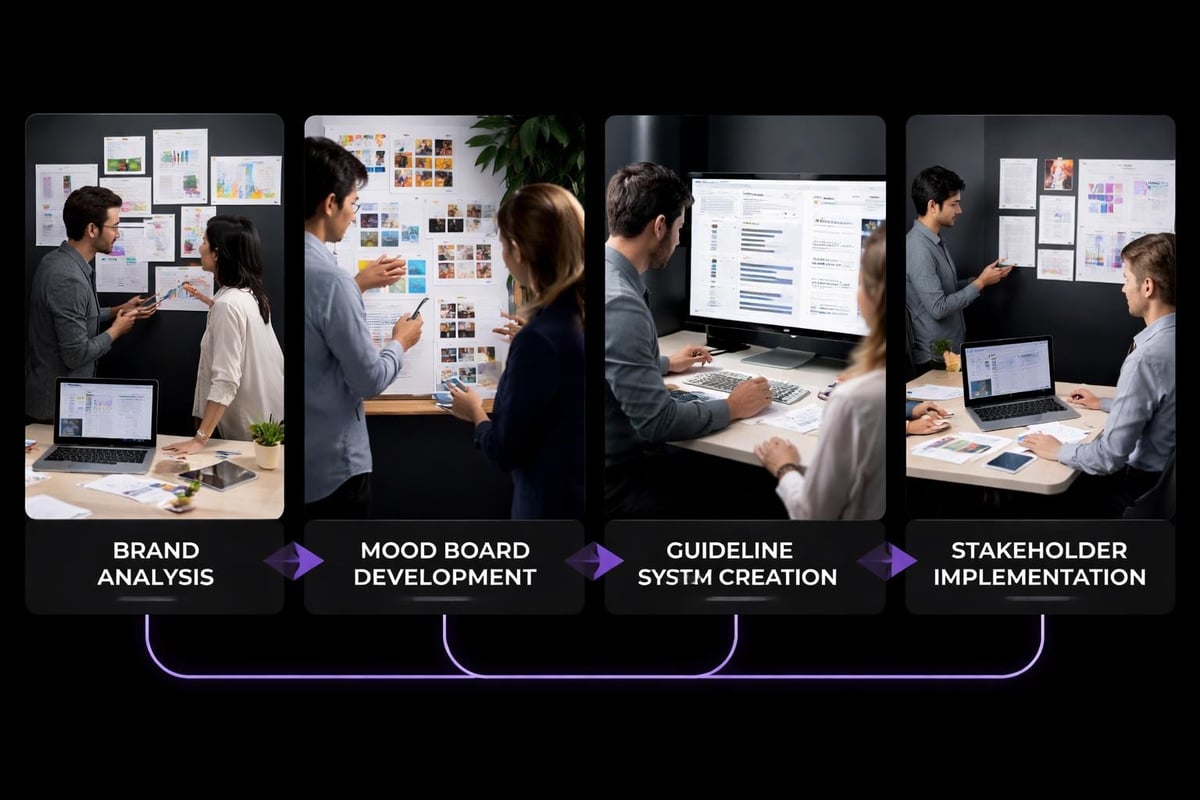
Modern style designers blend analytical thinking with artistic sensibility. They conduct market research, analyze competitor positioning, and study inspiration and information sources to inform their creative decisions. This research-driven approach ensures visual identities resonate with target audiences while differentiating brands in crowded markets.
The integration of AI technology has amplified the capabilities of style designers. Platforms like those offered through Lumoo Studio's services enable these professionals to test countless variations of visual concepts, rapidly iterating toward optimal solutions. Machine learning algorithms can now analyze consumer responses to different aesthetic approaches, providing data that informs design system development.
Building Effective Design Systems
Design systems represent the culmination of a style designer's strategic vision. These comprehensive frameworks document every visual element, creating a single source of truth that teams across organizations reference when creating new assets.
| Component | Purpose | Key Elements |
|---|---|---|
| Color System | Establish visual hierarchy and emotional tone | Primary, secondary, accent, and neutral palettes |
| Typography | Ensure readability and brand personality | Font families, sizes, weights, line heights |
| Spacing & Layout | Create visual rhythm and consistency | Grid systems, margins, padding specifications |
| Imagery | Guide visual storytelling | Photo style, illustration approach, iconography |
| Components | Standardize interface elements | Buttons, cards, forms, navigation patterns |
The complexity of these systems varies based on organizational needs. A startup might require a lean framework with core essentials, while a multinational corporation demands extensive documentation covering hundreds of use cases.
Documentation and Governance
Creating the design system represents only half the challenge. Style designers must also establish governance processes that maintain system integrity over time. This includes defining how teams propose changes, who approves modifications, and how updates cascade across applications.
Version control becomes critical as design systems evolve. Leading style designers implement structured release cycles, similar to software development, ensuring stakeholders understand what changed and why. Clear changelogs prevent confusion and maintain consistency across teams working on different timelines.
The role of style guides extends beyond visual elements to encompass voice, tone, and messaging frameworks. Comprehensive documentation helps organizations maintain cohesive brand experiences even as creative teams expand and personnel changes occur.
Technology Empowering Style Designers
Artificial intelligence has revolutionized how style designers approach their craft. Advanced algorithms can now generate mood boards, suggest color combinations based on psychological research, and even predict which visual approaches will resonate with specific demographic segments.
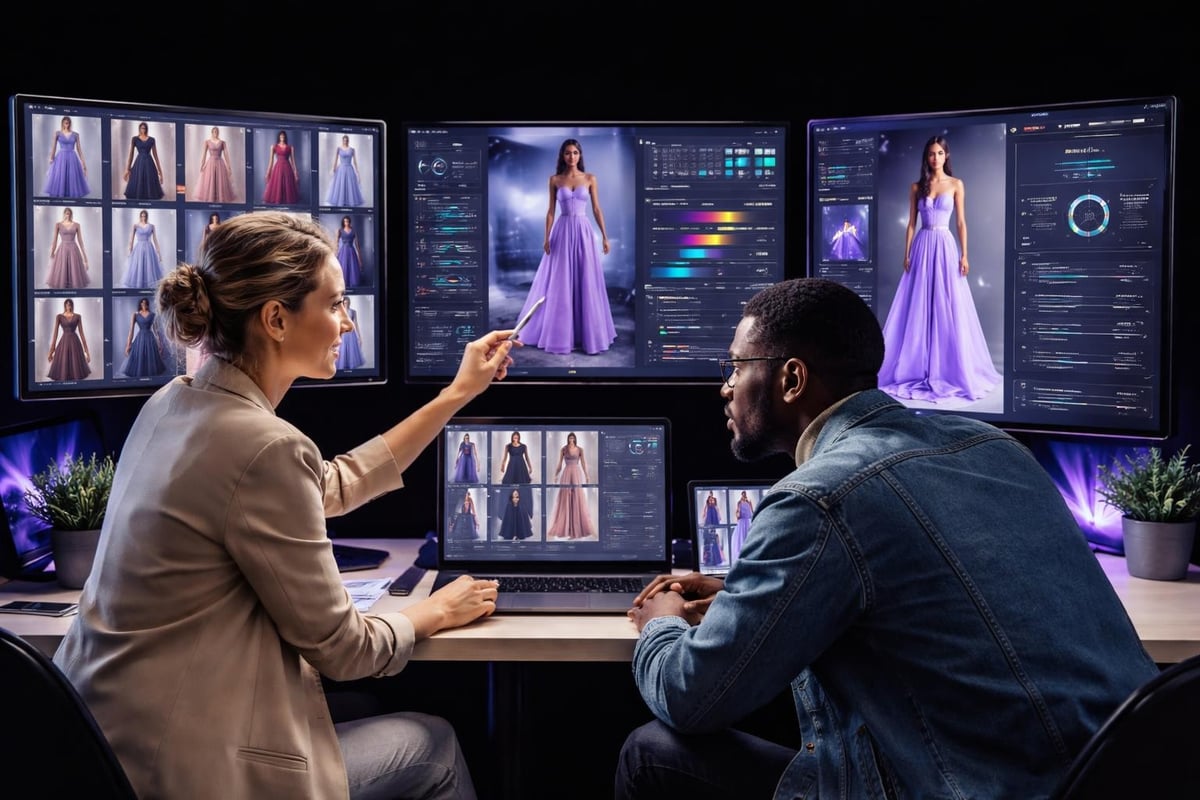
The fashion industry has particularly benefited from AI-enhanced styling capabilities. Tools that transform basic product photography into dynamic lifestyle imagery allow style designers to explore countless presentation options without extensive photoshoot costs. This technological shift enables smaller brands to compete visually with established players.
Real-Time Collaboration Tools
Cloud-based platforms have transformed style design from a solitary activity into a collaborative process. Multiple stakeholders can now contribute to design system development simultaneously, with version control preventing conflicts and preserving iteration history.
Modern style designers leverage:
- Collaborative design platforms for real-time file editing
- Project management systems to track implementation progress
- Digital asset management to organize and distribute approved resources
- Analytics dashboards to measure visual content performance
- AI rendering tools to visualize concepts across different contexts
These technologies compress timelines dramatically. What once required weeks of back-and-forth exchanges now happens in days or even hours, accelerating time-to-market for new brand initiatives.
Industry-Specific Applications
The application of style design principles varies significantly across sectors. Fashion and retail demand particular attention to seasonal trends and cultural movements, while technology companies prioritize clarity and intuitive user experiences.
Fashion and Retail Style Direction
In fashion, style designers work closely with merchandising teams to ensure visual presentations align with product positioning. They determine how garments appear in catalog photography, e-commerce platforms, social media content, and physical retail environments. The rise of virtual try-on technology has added new dimensions to this work, requiring style designers to consider how clothing renders in augmented reality applications.
Research resources like Stanford's fashion design guides provide style designers with historical context and trend analysis that inform contemporary decisions. Understanding fashion's evolution helps these professionals create forward-thinking aesthetics while respecting industry heritage.
Technology and Digital Products
Technology companies employ style designers to create cohesive visual experiences across software interfaces, marketing materials, and brand touchpoints. These professionals must balance aesthetic appeal with functional requirements, ensuring visual choices enhance rather than impede usability.
The work of pioneers like Susan Kare demonstrates how thoughtful style decisions in digital environments create lasting impact. Her iconic computer interface designs established visual languages that remain influential decades later, proving that strong style systems transcend temporary trends.
Measuring Style Design Effectiveness
Quantifying creative work presents challenges, yet modern style designers increasingly rely on metrics to demonstrate their impact and refine their approaches. Analytics platforms track how visual changes influence key performance indicators, from engagement rates to conversion metrics.
| Metric Category | What It Measures | Application |
|---|---|---|
| Brand Recognition | Speed and accuracy of brand identification | Logo testing, color association studies |
| Engagement | Time spent with content, interaction rates | Social media performance, website analytics |
| Conversion | Purchase completion, signup rates | E-commerce optimization, campaign effectiveness |
| Consistency | Adherence to style guidelines | Design system compliance audits |
| Sentiment | Emotional response to visual presentation | Surveys, focus groups, social listening |
A/B testing has become standard practice for style designers evaluating different visual approaches. By presenting alternative designs to similar audience segments, they gather empirical evidence about which aesthetic choices drive desired outcomes.
Advanced analytics now extend to understanding how different demographic groups respond to visual elements. Style designers use this data to create adaptive design systems that adjust based on viewer characteristics, personalizing experiences while maintaining brand coherence.
Career Pathways and Skill Development
The profession of style design attracts individuals from diverse backgrounds, including graphic design, fashion, fine arts, and even psychology or marketing. This interdisciplinary foundation reflects the multifaceted nature of the work.
Professional development for style designers involves continuous learning across several domains:
- Design theory and history to understand aesthetic principles and cultural context
- Technology proficiency in design software and emerging creative tools
- Business acumen to align visual strategies with organizational goals
- Communication skills to articulate design rationale to non-creative stakeholders
- Research methods to gather insights that inform creative decisions
Many style designers begin their careers in more specialized roles, gradually expanding their scope to encompass broader strategic responsibilities. A graphic designer might transition into style design by taking ownership of brand consistency initiatives, while a fashion designer might evolve into a style director role overseeing visual presentation across product lines.
The Importance of Portfolio Development
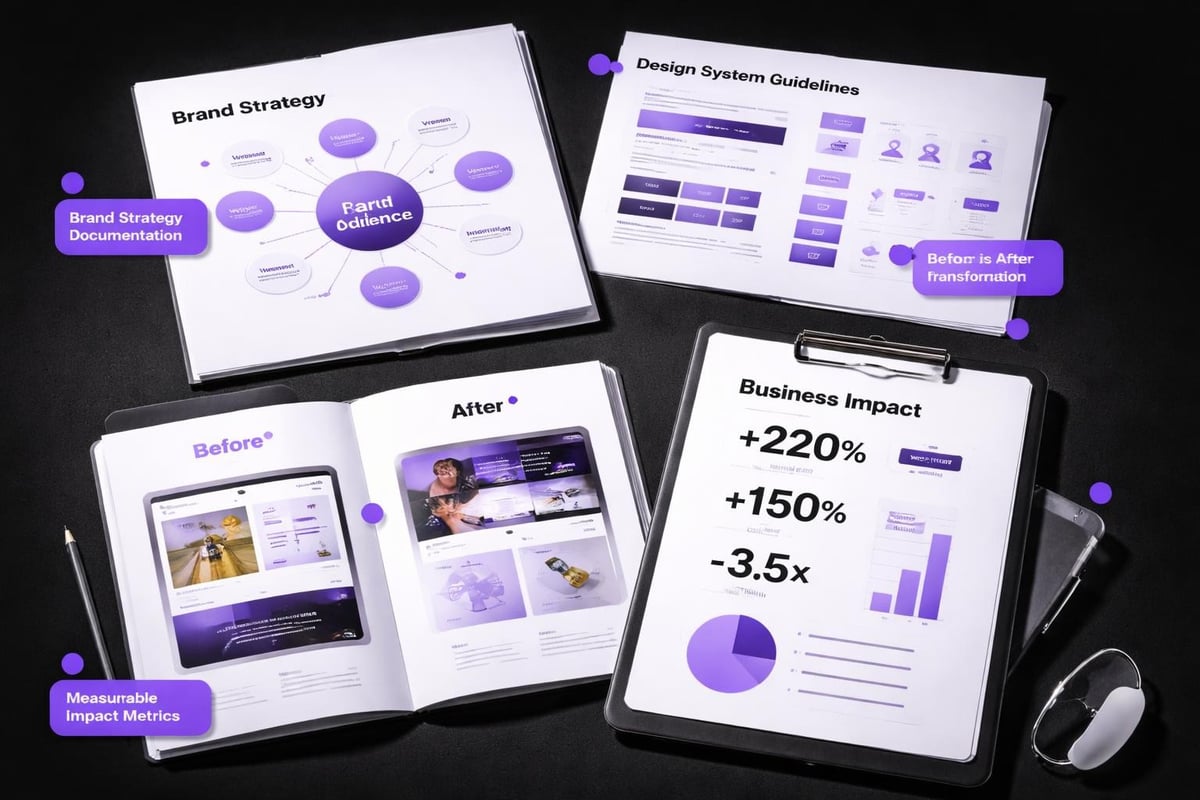
Demonstrating style design capabilities requires portfolios that showcase not just individual creative pieces but complete systems and their real-world applications. Prospective employers seek evidence of strategic thinking, documented through case studies explaining the reasoning behind aesthetic choices and their measured impact.
Research on artistic style documentation provides insights into how style designers can articulate their creative decisions using structured frameworks. This systematic approach to describing visual approaches helps both in portfolio presentation and in professional communication with clients and colleagues.
Balancing Trends and Timelessness
One of the greatest challenges facing style designers involves navigating between contemporary relevance and enduring appeal. Brands need visual identities that feel current without appearing dated within months, requiring careful judgment about which trends to embrace and which to avoid.
Successful style designers distinguish between:
- Lasting principles (proportion, balance, hierarchy) that transcend temporal shifts
- Cyclical trends (specific color palettes, decorative elements) that periodically resurface
- Fleeting fads (viral aesthetics, platform-specific styles) with limited longevity
This discernment comes from studying design history and understanding cultural movements. The work of designers like Kelly Wearstler demonstrates how strong creative vision creates distinctive aesthetics that remain relevant across decades rather than months.
Adapting to Cultural Shifts
Global awareness has become essential for style designers as brands increasingly operate across cultural boundaries. Visual elements carry different meanings in various contexts, requiring sensitivity and research to avoid miscommunication or offense.
Color symbolism particularly varies across cultures. While white represents purity in Western contexts, it signifies mourning in some Eastern traditions. Style designers working for international brands must create flexible systems that allow regional adaptation while preserving core brand identity.
Collaborative Dynamics and Stakeholder Management
Style designers rarely work in isolation. Their success depends on effective collaboration with marketing directors, product managers, developers, and executive leadership. Each stakeholder brings different priorities and perspectives that must be balanced within the final design system.
Common stakeholder concerns include:
- Marketing teams want flexibility to respond quickly to market opportunities
- Developers need clearly defined specifications for implementation
- Executive leadership focuses on differentiation and competitive positioning
- Sales organizations require materials that effectively communicate value propositions
Navigating these sometimes competing interests requires diplomatic skills and the ability to articulate how design decisions serve multiple objectives simultaneously. Style designers who present their work as business solutions rather than artistic preferences gain stronger stakeholder buy-in and implementation support.
Future Directions in Style Design
The profession continues evolving as new technologies emerge and consumer expectations shift. Several trends appear poised to reshape how style designers approach their work in the coming years.
Augmented and virtual reality technologies demand new consideration of how visual identities translate into three-dimensional spaces. Style designers must now think beyond flat screens to consider how brand elements appear when users can move around and interact with them from multiple angles.
Personalization technologies enable dynamic style systems that adapt based on individual user preferences while maintaining brand coherence. This creates fascinating challenges for style designers, who must establish parameters that allow variation without fragmenting visual identity.
Sustainability concerns increasingly influence aesthetic choices. Style designers consider not just visual impact but environmental implications of production processes, favoring approaches that minimize waste while delivering compelling brand experiences. This consciousness extends to digital asset creation, where file optimization reduces energy consumption across distributed systems.
The integration of AI into creative workflows will continue accelerating. Rather than replacing style designers, these tools amplify their capabilities, handling routine variations and technical production while humans focus on strategic direction and innovative conceptualization. Platforms like Lumoo Studio exemplify this collaborative approach between human creativity and artificial intelligence.
Building Cross-Platform Consistency
Modern brands exist simultaneously across dozens of platforms and touchpoints, each with unique technical requirements and audience expectations. Style designers create systems flexible enough to work across this diversity while maintaining recognizable coherence.
A comprehensive approach addresses:
- Responsive design principles ensuring visual integrity across screen sizes
- Platform-specific optimizations respecting native conventions while preserving brand identity
- Accessibility standards making visual content perceivable to audiences with varying abilities
- Print and physical applications translating digital aesthetics to tangible materials
- Motion and sound extending visual identity into temporal and auditory dimensions
This complexity requires style designers to think systematically about how visual elements scale, adapt, and transform while retaining their essential character. The most effective design systems include clear documentation about these adaptations, preventing ad hoc decisions that gradually erode consistency.
Style designers occupy an increasingly strategic position in modern organizations, crafting visual systems that shape how audiences perceive and engage with brands across evolving digital landscapes. Their work demands both creative excellence and analytical rigor, blending aesthetic sensibility with data-driven decision-making to create cohesive, impactful visual experiences. Lumoo Studio empowers style designers and creative teams with AI-driven tools that transform ordinary product imagery into compelling visual narratives, enabling brands to maintain consistent, professional presentation across all customer touchpoints while dramatically reducing production time and costs.