7 Ways Technology In Fashion Is Transforming Style In 2026
Discover how technology in fashion is transforming style in 2026 with AI, AR, sustainability, and more. Explore seven innovations shaping the industry's future.

Imagine stepping into a world where your closet knows your schedule, your shopping is tailored just for you, and every outfit reflects the latest advances. This is the reality of style in 2026.
Technology in fashion is not simply changing trends, it is revolutionizing how we design, produce, and express ourselves. From artificial intelligence curating unique looks to immersive virtual try-ons, the industry is evolving at lightning speed.
In this article, you will explore seven remarkable ways innovation is transforming style. Discover how smart tools, sustainable materials, and digital experiences are shaping the future of what we wear.
Ready to see what is next? Let us dive into the future-forward world of technology in fashion.
The Digital Revolution in Fashion: 7 Ways Technology Is Transforming Style in 2026
The year 2026 stands as a turning point for technology in fashion, introducing innovations that redefine creativity, sustainability, and personal style. Each new development brings consumers closer to a world where fashion is more responsive, responsible, and engaging than ever before.
The following seven breakthroughs illustrate how technology in fashion is reshaping the industry, setting new standards for design, shopping, and self-expression.

1. Artificial Intelligence Redefining Design and Personalization
Artificial intelligence is at the heart of technology in fashion, empowering brands to create, predict, and personalize with unprecedented speed. AI-driven design tools can generate thousands of original looks in mere seconds, transforming months-long design cycles into days.
Machine learning analyzes vast consumer data sets, helping brands anticipate trends, manage inventory, and reduce excess production. This not only streamlines operations but also supports sustainability by minimizing waste.
Personalization is another key benefit of technology in fashion. Recommendation engines suggest outfits based on a shopper’s preferences, body type, and purchase history, improving satisfaction and loyalty. AI-powered chatbots and virtual stylists deliver instant guidance, making the shopping journey seamless and interactive.
Real-world examples include:
- Stitch Fix’s automated wardrobe planning
- TrueFit’s online fit engine
- Zalando’s AI-powered trend prediction
A collaboration between Google and Zalando showcases how technology in fashion enhances the online shopping journey using AI to match products with customer tastes. IBM’s neural networks enable creative design, bridging the gap between artistry and analytics.
According to the AI in Fashion Market Growth, over 60% of fashion brands will employ AI for trend forecasting and inventory management by 2026. This surge signals a new era where technology in fashion bridges creativity and commerce, making style more adaptive, inclusive, and efficient.
2. Immersive Virtual Try-Ons and Augmented Reality Shopping
Augmented reality is transforming technology in fashion by enabling virtual fitting rooms and interactive shopping experiences. Shoppers can now “try on” clothing from home, seeing lifelike representations of garments on their own bodies, which dramatically reduces returns and boosts confidence in online purchases.
Generative AI brings a new level of realism, creating highly detailed images of shoppers wearing different styles. This makes technology in fashion not only practical but also fun and engaging.
Brands are leveraging AR to launch products and host digital showrooms, connecting with consumers in fresh, interactive ways. Examples include Gucci’s virtual sneaker try-on, Tommy Hilfiger’s digital showrooms, and eyewear brands offering try-before-you-buy tools.
Key advantages of AR in fashion:
- Bridges the gap between physical and digital retail
- Offers convenience and personalization
- Drives higher conversion rates
By 2026, virtual try-on technology is expected to be present on 70% of major e-commerce platforms. Technology in fashion, through immersive experiences, makes style more accessible and interactive for everyone.
3. Sustainable Innovation: Smart, Eco-Friendly, and Circular Materials
Sustainability is now inseparable from technology in fashion. The industry is embracing biodegradable, recycled, and lab-grown fabrics like Modern Meadow’s lab-grown leather and Bolt Threads’ spider silk. These innovations drastically reduce the environmental impact of production.
Smart textiles are another leap forward, featuring embedded sensors for temperature regulation, moisture wicking, and even health monitoring. Technology in fashion also enables 3D-printed fabrics, allowing for custom, zero-waste garments and unique textures.
Circular fashion models, adopted by leaders such as Patagonia and H&M, focus on repair, recycling, and closed-loop systems. This approach is supported by technology in fashion, which makes tracking and managing products easier throughout their lifecycle.
Notable sustainable materials and processes:
- Renewcell’s Circulose® from recycled textiles
- Resortecs’ dissolvable threads for easy recycling
By 2026, sustainable materials are projected to make up 35% of new collections, a significant rise from previous years. Technology in fashion is the engine driving these eco-friendly changes, ensuring that style is both innovative and responsible.
4. The Internet of Things (IoT) and Connected Fashion
The integration of IoT is making technology in fashion smarter and more responsive to individual needs. Wearable devices and smart garments monitor activity, track health metrics, and automatically adapt to user preferences, such as temperature or posture.
IoT-enabled supply chains give brands real-time insights into inventory and logistics, improving efficiency and reducing costs. This connectivity extends to accessories, with smart glasses and watches merging fashion with digital functionality.
Examples of IoT in fashion:
- Ray-Ban Meta’s smart glasses for hands-free connectivity
- Nike’s self-lacing sneakers adjusting fit in real-time
- Sportswear with biometric sensors for performance tracking
IoT adoption in fashion manufacturing and retail has surged by 45% since 2023, showing the growing reliance on technology in fashion to deliver personalized experiences. The result is apparel and accessories that are not just worn but lived in, adapting to every moment.
5. The Rise of Virtual Fashion and the Metaverse
Virtual fashion is redefining the boundaries of creativity and self-expression. Digital-only clothing and avatar customization are becoming mainstream in online games, social platforms, and metaverse environments. Technology in fashion is fueling this trend, allowing users to curate digital wardrobes that reflect their identity in virtual spaces.
Fashion brands are launching NFT collections and digital wearables, unlocking new business models and revenue streams. Virtual fashion shows and immersive shopping events reach global audiences instantly, democratizing access to high fashion.
A prime example is DRESSX Virtual Fashion Platform, a leader in digital fashion that collaborates with brands and artists to bring virtual garments to life. Partnerships like Balenciaga with Fortnite and Roblox’s digital fashion marketplace illustrate how technology in fashion is now a force in both the real and virtual worlds.
By 2026, 40% of Gen Z consumers are expected to purchase digital fashion for their avatars or social media. Technology in fashion is expanding creative possibilities and making self-expression limitless.
6. Advanced Manufacturing: 3D Printing, Automation, and On-Demand Production
Advanced manufacturing is revolutionizing technology in fashion through 3D printing, automation, and on-demand production. 3D printing enables rapid prototyping, customized fits, and innovative textures, all while reducing material waste.
Automated manufacturing speeds up production and lowers costs, making local, on-demand creation a reality. Technology in fashion streamlines the entire process, from digital design to finished product, allowing brands to respond quickly to changing trends.
Key advancements include:
- Adidas’ 3D-printed sneakers
- On-demand tailoring services for personalized garments
- Automated pattern making for efficiency
On-demand production has the potential to cut unsold inventory by up to 30%, supporting sustainable business practices. Technology in fashion ensures that style is not only fast but also flexible, adaptable, and environmentally conscious.
7. Blockchain and Transparent Supply Chains
Blockchain is establishing new standards for trust and transparency in technology in fashion. This technology enables brands to verify product authenticity, combat counterfeiting, and provide complete visibility from raw material to finished garment.
Consumers can now trace the origin and journey of their clothing, fostering confidence and encouraging ethical choices. Smart contracts automate payments and royalties, ensuring designers and creators are fairly compensated.
Notable blockchain applications:
- LVMH’s Aura Blockchain Consortium for luxury goods
- Provenance’s supply chain tracking technology
- Everledger’s diamond tracing solutions
By 2026, a quarter of luxury brands will use blockchain to enhance supply chain transparency. Technology in fashion, powered by blockchain, is building a foundation of accountability, ethical sourcing, and consumer trust.
The Role of AI-Powered Visual Content in Fashion’s Transformation
The rise of technology in fashion is changing how brands connect with audiences. Visual storytelling is now powered by AI, allowing labels to create high-quality digital assets at a speed and scale that were previously unimaginable. In 2026, this shift is not just about efficiency but about unlocking new levels of creativity and personalization.
How AI Visual Platforms Like Lumoo Studio Are Elevating Fashion Storytelling
AI-powered visual platforms are at the core of this transformation in technology in fashion. Tools such as Lumoo Studio’s Lumoo ID, VTO, Flow, Sizes, Alive, and StoryLook empower brands to generate a wide variety of images and videos, tailored for every collection and campaign.
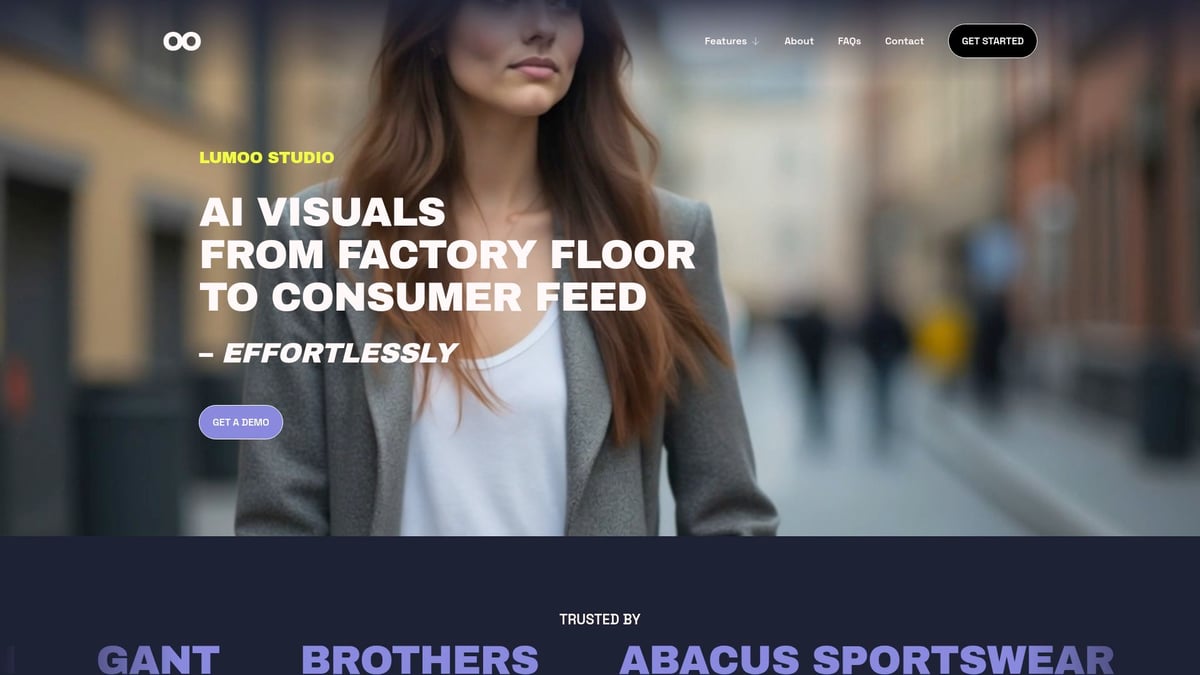
With the ability to instantly visualize products on models of different body types, ages, and ethnicities, brands foster inclusivity and build trust. For a deep dive into how these tools promote representation, see Inclusive model visuals with AI.
By using AI, fashion companies can dramatically reduce the time and costs associated with traditional photoshoots. Instead, they produce dynamic, on-brand visuals that are easily updated and customized. This agility lets brands respond quickly to trend shifts, launch new lines faster, and deliver content that resonates with diverse audiences.
A standout example is the adoption of AI-powered fashion lookbooks, where brands use AI to create engaging, interactive digital catalogs. These lookbooks not only enhance consumer engagement but also drive higher conversion rates by making shopping more immersive.
Here’s a quick summary of the benefits AI visual platforms bring to technology in fashion:
| Benefit | Impact on Fashion Brands |
|---|---|
| Speed | Faster go-to-market |
| Cost Efficiency | Lower production expenses |
| Inclusivity | Broader model representation |
| Personalization | Tailored consumer experiences |
| Scalability | Content at any volume |
Ultimately, the integration of AI visual platforms into technology in fashion is streamlining workflows from initial design to consumer-facing content. This seamless process supports creativity while ensuring brands stand out in a competitive, tech-driven marketplace. As AI visual storytelling evolves, it will remain essential for brands that want to lead the future of style.
As we look ahead to 2026, it’s clear that technology is opening up incredible new possibilities for the fashion world—from AI-powered design to immersive try-ons and sustainable innovation. If you’re inspired by how brands are using these advances to create dynamic, personalized experiences, you might be wondering how your own brand can stay ahead of the curve. At Lumoo Studio, we help you transform your visual storytelling with AI-driven tools that bring every collection to life. Curious about how it works and what it could mean for your brand’s future? Get Demo