Transforming Fashion: AI Technology Reshapes Industry
Discover how AI technology is transforming fashion through automated visual content, virtual try-ons, and smart workflows that boost efficiency.
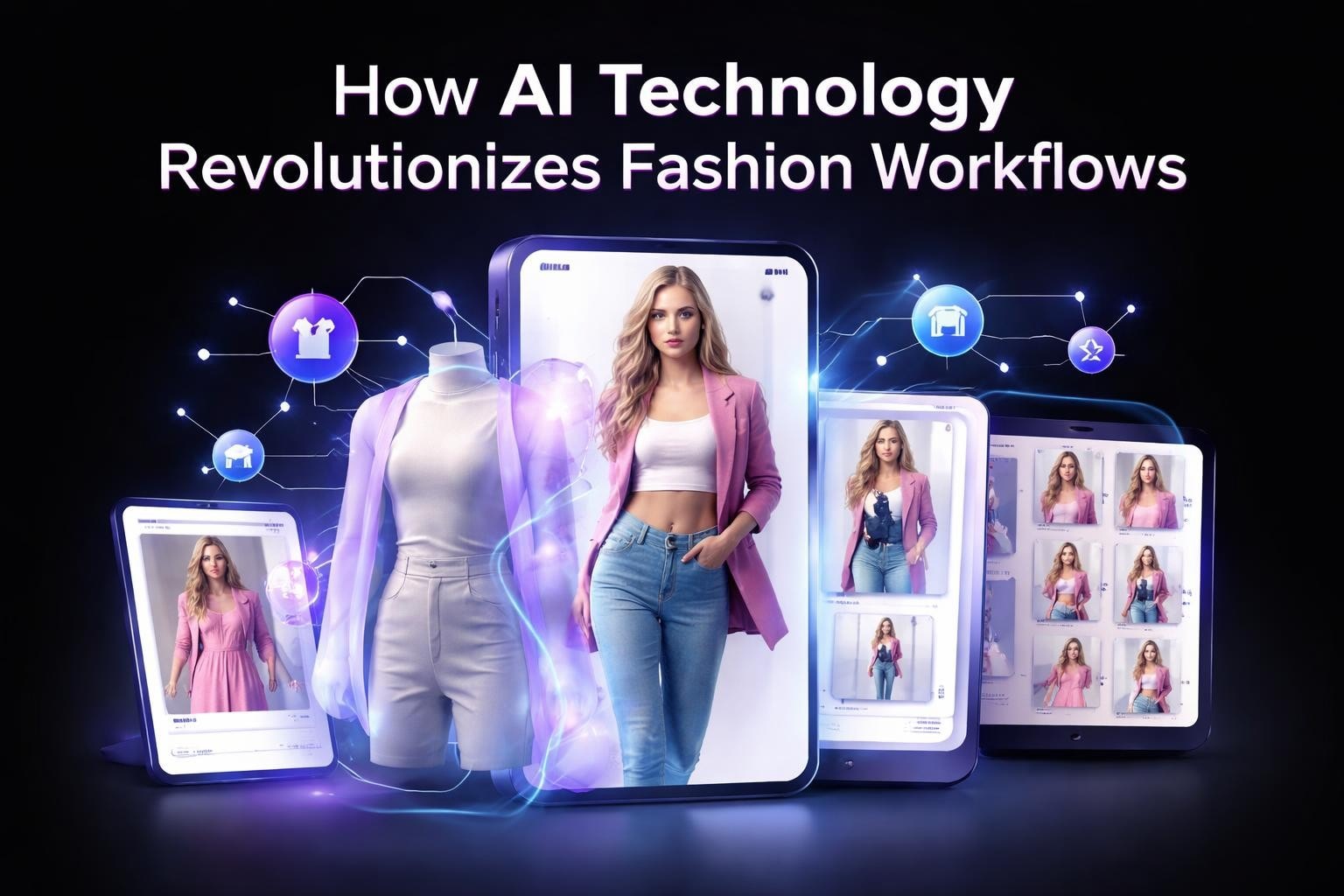
The fashion industry stands at a pivotal moment where artificial intelligence converges with creative expression to reshape how brands develop, market, and sell their products. Transforming fashion through technological innovation has become essential for retailers seeking competitive advantages in an increasingly digital marketplace. From automated visual content generation to predictive sizing algorithms, AI-driven solutions are fundamentally altering production timelines, reducing costs, and enabling personalized customer experiences at unprecedented scale. As brands navigate this evolution, understanding the practical applications of these technologies becomes critical for sustainable growth and market relevance.
The Technology Revolution in Fashion Retail
Modern fashion brands face mounting pressure to produce compelling visual content while managing tight budgets and accelerated release schedules. Traditional photoshoots demand significant resources, including studio time, professional models, photographers, and extensive post-production work. This conventional approach creates bottlenecks that slow product launches and limit creative experimentation.
AI-powered visual transformation tools now enable brands to generate professional-quality model imagery from simple product photographs. These platforms analyze garment characteristics, understand fabric drape and movement, and apply sophisticated algorithms to create realistic styled images. The process reduces production timelines from weeks to hours while maintaining consistent quality across entire product catalogs.
Key advantages of AI-driven visual content include:
- Elimination of scheduling conflicts and geographical constraints
- Consistent lighting and styling across all product images
- Ability to test multiple creative directions simultaneously
- Significant reduction in carbon footprint compared to traditional shoots
- Rapid adaptation to trending styles and seasonal changes
The shift toward automated fashion workflows represents more than cost savings. Brands gain unprecedented agility in responding to market demands and customer preferences while maintaining visual storytelling that resonates with target audiences.
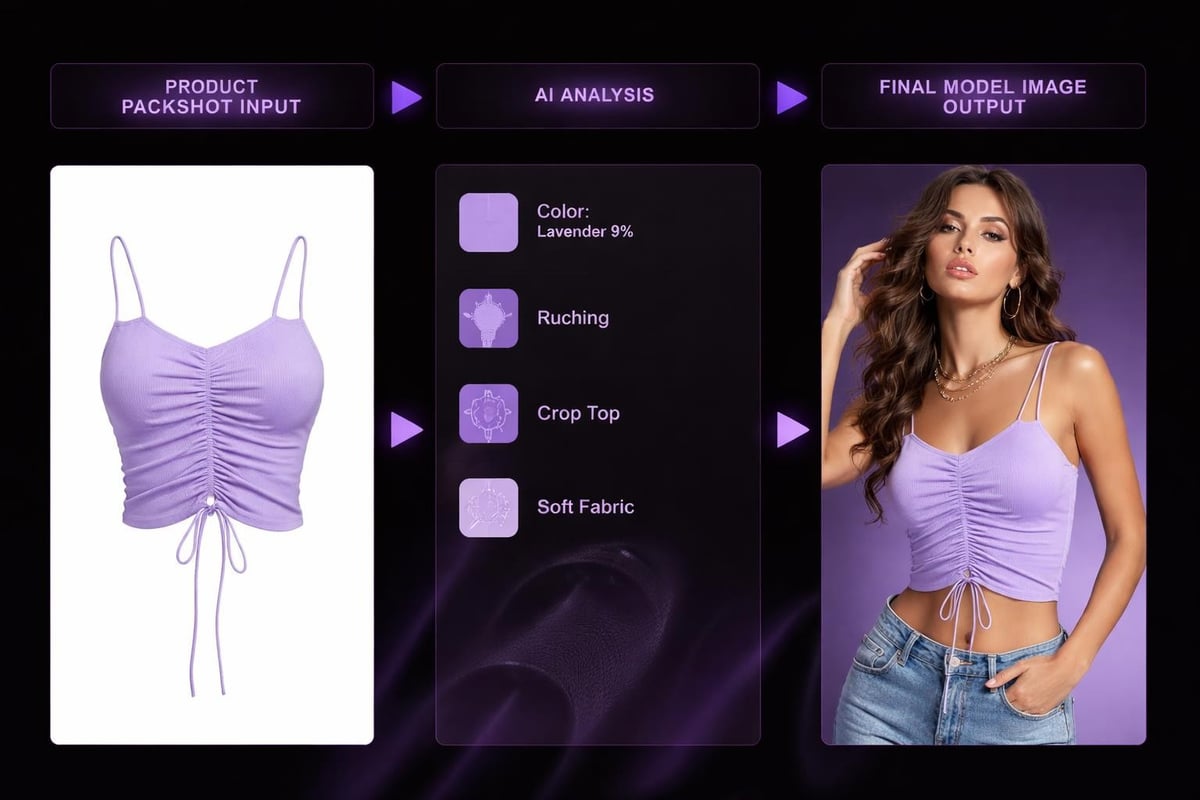
Virtual Try-On Experiences Drive Customer Engagement
E-commerce conversion rates in fashion have historically lagged behind other retail categories due to sizing uncertainties and inability to visualize products on individual body types. Virtual try-on technology addresses this fundamental challenge by allowing customers to see garments on digital representations of themselves before purchasing.
Advanced AI systems analyze customer photographs or measurements to create accurate digital avatars. These avatars then "wear" selected garments, showing how fabrics drape, colors complement skin tones, and styles suit individual body shapes. The technology accounts for fabric properties, fit variations, and even how different materials interact with movement.
Measuring Virtual Try-On Impact
| Metric | Traditional E-Commerce | With Virtual Try-On |
|---|---|---|
| Conversion Rate | 1.5-2.5% | 3.5-5.0% |
| Return Rate | 25-35% | 15-20% |
| Average Order Value | Baseline | +15-25% |
| Customer Satisfaction | Baseline | +30-40% |
| Time on Product Page | 45 seconds | 2.5 minutes |
These improvements translate directly to bottom-line results. Reduced return rates alone generate substantial savings in shipping, processing, and restocking costs. Meanwhile, increased engagement signals to customers that brands prioritize their shopping experience and satisfaction.
The technology behind transforming fashion retail experiences continues evolving rapidly. Recent developments include augmented reality integration, allowing customers to see garments on themselves in real-time through smartphone cameras, and social sharing features that enable friends to provide feedback before purchases.
Intelligent Sizing Solutions Reduce Returns
Sizing inconsistencies plague the fashion industry, causing customer frustration and driving return rates that erode profitability. Different brands use varying size standards, and even within single brands, measurements can fluctuate across product lines. AI-powered sizing recommendation systems analyze vast datasets to predict optimal fits for individual customers.
These intelligent systems consider multiple factors:
- Historical purchase data and return patterns
- Body measurement inputs from customers
- Garment-specific construction and fabric characteristics
- Brand-specific sizing tendencies and variations
- Customer feedback and fit reviews from similar body types
Machine learning models continuously refine predictions as they process more data, becoming increasingly accurate over time. This creates a feedback loop where each customer interaction improves recommendations for all future shoppers.
Brands implementing smart sizing solutions report dramatic improvements in customer satisfaction and operational efficiency. The technology particularly benefits online-exclusive retailers who cannot offer traditional fitting rooms, leveling the playing field against brick-and-mortar competitors.
Dynamic Content Creation for Marketing Campaigns
Marketing teams in fashion brands constantly need fresh visual content for social media, email campaigns, website updates, and advertising placements. Traditional content creation struggles to keep pace with these demands, forcing brands to recycle imagery or settle for lower-quality alternatives.
AI-driven content generation platforms enable marketing teams to produce unlimited variations of styled product imagery. A single packshot can become dozens of different scenes, featuring various models, backgrounds, styling approaches, and seasonal contexts. This versatility supports targeted campaigns for different customer segments without proportionally increasing production budgets.
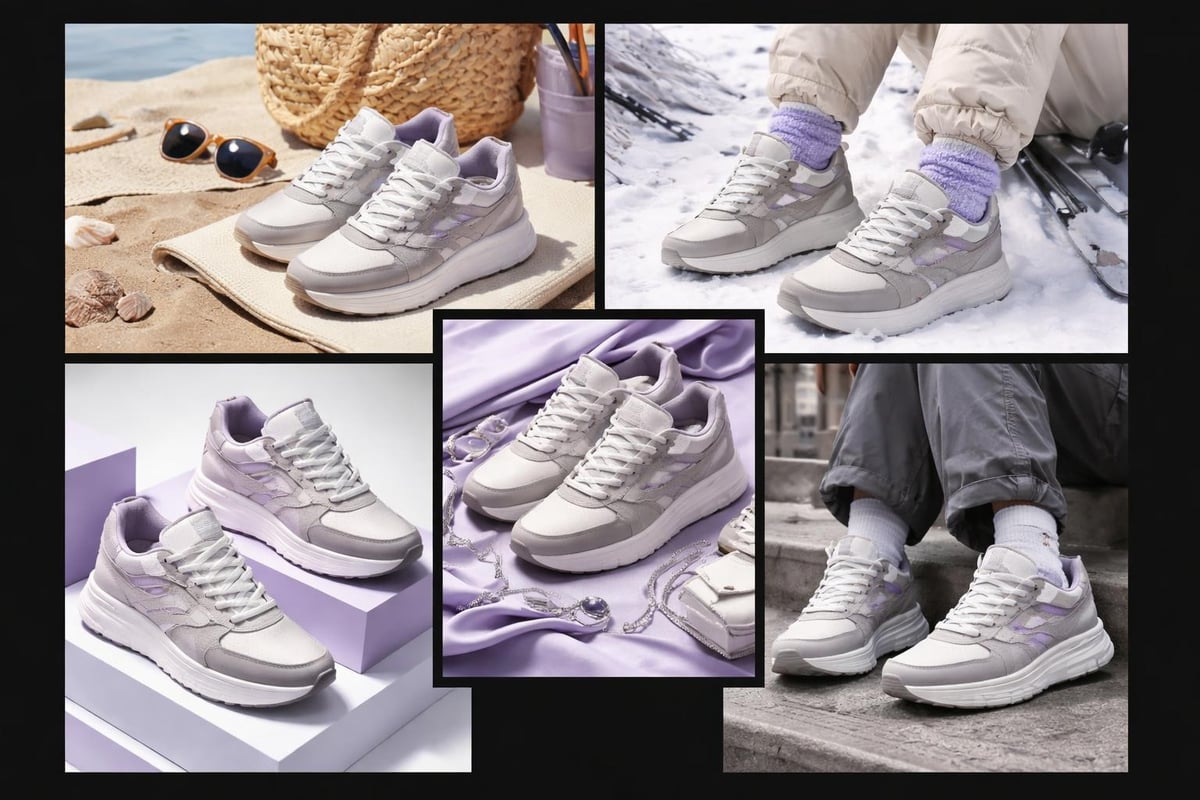
The ability to rapidly test creative concepts transforms campaign development. Instead of committing to a single creative direction based on intuition, brands can deploy multiple variations, measure performance, and optimize in real-time. This data-driven approach to creative development represents a fundamental shift in how fashion marketing operates.
Content Production Comparison
Traditional Photoshoot Process:
- Concept development: 3-5 days
- Scheduling and logistics: 7-10 days
- Shoot day: 1-2 days
- Post-production: 5-7 days
- Total timeline: 16-24 days
- Cost per final image: $500-2,000
AI-Powered Generation:
- Concept development: 1-2 days
- Asset preparation: 1 day
- Generation and selection: 2-4 hours
- Minor refinements: 1 day
- Total timeline: 3-4 days
- Cost per final image: $50-200
These efficiency gains allow brands to maintain constant communication with customers through fresh, relevant content while reallocating budget toward strategic initiatives like sustainable fashion practices and ethical production methods.
Personalization at Scale Through AI Analysis
Modern consumers expect personalized shopping experiences that reflect their individual preferences, style sensibilities, and purchasing behaviors. Delivering true personalization across thousands or millions of customers requires sophisticated data analysis and content adaptation capabilities that only AI systems can provide.
Personalization engines analyze browsing patterns, purchase history, abandoned cart items, and engagement metrics to understand individual customer preferences. These insights drive customized product recommendations, tailored homepage layouts, and personalized email content that significantly outperforms generic alternatives.
The technology extends beyond simple product matching. Advanced systems understand style preferences, color palettes, price sensitivity, and even occasion-based shopping patterns. This nuanced understanding enables brands to present curated selections that feel handpicked for each customer.
Personalization drives measurable business outcomes:
- Email open rates increase 25-40% with personalized subject lines
- Click-through rates improve 50-75% with relevant product selections
- Average order values rise 10-30% when recommendations match preferences
- Customer lifetime value increases 20-35% through improved retention
- Brand loyalty strengthens as customers feel understood and valued
Transforming fashion retail through personalization requires balancing automation with authentic brand voice. The most successful implementations use AI to handle data analysis and content selection while maintaining human oversight of creative direction and brand messaging.
Streamlined Workflow Integration
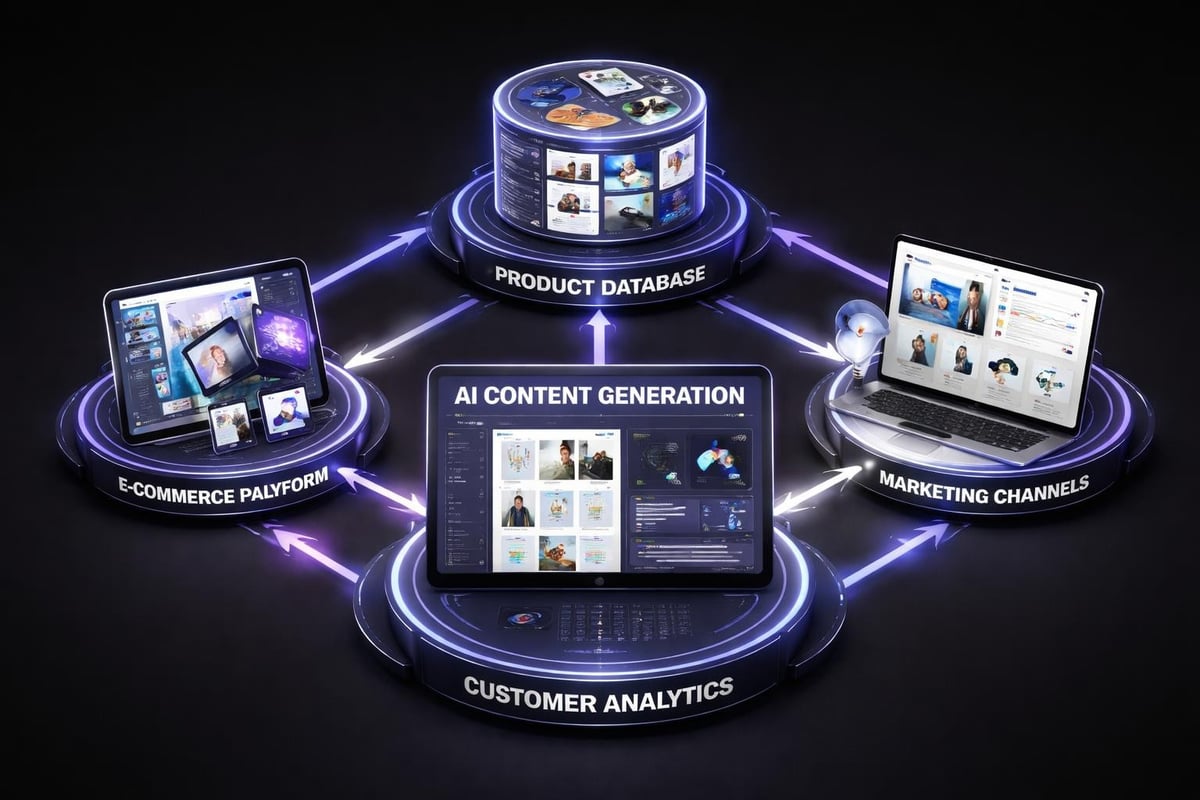
Implementing AI technology effectively requires integration with existing systems and workflows rather than wholesale replacement of established processes. Fashion brands typically operate complex technology ecosystems spanning product information management, e-commerce platforms, marketing automation, and customer relationship management.
Modern AI fashion solutions offer flexible integration options that connect with common platforms through APIs, webhooks, and standard data formats. This interoperability ensures that visual content, sizing recommendations, and personalization insights flow seamlessly across all customer touchpoints.
| Integration Point | Function | Business Impact |
|---|---|---|
| Product Database | Automatic content generation triggers | Faster time-to-market |
| E-commerce Platform | Real-time virtual try-on display | Higher conversion rates |
| Marketing Automation | Personalized visual content delivery | Improved engagement |
| Analytics Systems | Performance tracking and optimization | Data-driven decisions |
| Inventory Management | Dynamic content based on availability | Reduced wasted effort |
Successful implementation follows structured phases: assessment of current workflows, identification of high-impact integration points, pilot testing with limited product sets, performance measurement, and gradual expansion based on proven results.
The services offered by advanced platforms encompass the full spectrum of visual content needs, from initial product photography transformation through final customer-facing applications. This comprehensive approach ensures consistency and quality across all brand touchpoints.
Industry-Wide Transformation Trends
The broader fashion industry undergoes simultaneous transformations driven by sustainability concerns, ethical production demands, and technological capabilities. AI and robotics are revolutionizing operations across manufacturing, design, and retail sectors, creating new possibilities for brands willing to embrace change.
Sustainability initiatives particularly benefit from AI optimization. Predictive analytics reduce overproduction by forecasting demand with greater accuracy. Virtual sampling eliminates physical prototypes, reducing material waste. Digital-first marketing approaches lower carbon footprints compared to traditional photoshoots requiring travel, logistics, and physical sets.
The movement toward community innovation and ethical practices aligns naturally with technological advancement. AI tools democratize access to professional-quality visual content, enabling smaller brands and independent designers to compete with established players who traditionally controlled expensive production resources.
Industry observers note accelerating adoption curves as successful early implementations demonstrate clear ROI. Brands that pioneered AI-driven visual content five years ago now consider these capabilities essential rather than experimental. This normalization drives ongoing innovation as technology providers develop increasingly sophisticated features.
Measuring Return on Investment
Financial justification for transforming fashion operations through AI technology rests on quantifiable metrics that demonstrate value across multiple dimensions. Smart brands establish baseline measurements before implementation and track improvements systematically.
Primary ROI categories include:
- Direct cost reduction: Decreased photoshoot expenses, lower return processing costs, reduced sample production
- Revenue enhancement: Higher conversion rates, increased average order values, improved customer retention
- Operational efficiency: Faster product launches, reduced time-to-market, streamlined content workflows
- Strategic capability: Ability to test new markets, expanded product offerings, enhanced competitive positioning
Typical payback periods range from 3-8 months depending on implementation scope and brand scale. Larger retailers with extensive product catalogs often see faster returns due to economies of scale in content generation. Smaller brands benefit proportionally from efficiency gains that free resources for growth initiatives.
Long-term value extends beyond immediate financial returns. Brands building AI-native capabilities position themselves advantageously for future industry evolution. As customer expectations continue rising and competition intensifies, technological sophistication becomes a sustainable competitive advantage rather than temporary differentiation.
Future Developments and Opportunities
The trajectory of AI in fashion points toward increasingly sophisticated applications that blur boundaries between physical and digital retail experiences. Emerging technologies under development include fully interactive virtual showrooms, AI-designed collections based on trend analysis and customer preferences, and seamless integration between online browsing and in-store experiences.
Generative design systems already enable revolutionary fashion workflows where AI suggests design variations, predicts market reception, and even creates complete collections from style parameters. While human creative direction remains essential, these tools amplify designer capabilities and accelerate ideation processes.
The integration of zero-waste design principles with AI optimization represents particularly promising territory. Algorithms can calculate cutting patterns that minimize fabric waste, suggest design modifications that improve material efficiency, and predict production methods that reduce environmental impact without compromising aesthetics.
Social commerce features leveraging AI-generated content enable customers to visualize products in diverse contexts, share styled looks with friends, and receive instant feedback before purchasing. This social dimension transforms shopping from solitary decision-making into collaborative experiences that strengthen brand communities.
Implementation Strategies for Success
Brands approaching AI adoption benefit from structured implementation strategies that balance ambition with pragmatic execution. Successful rollouts typically begin with clearly defined use cases that address specific pain points rather than attempting comprehensive transformation simultaneously.
Recommended implementation sequence:
- Identify highest-impact opportunity (usually visual content generation or sizing optimization)
- Select pilot product category representing significant business volume
- Establish clear success metrics aligned with business objectives
- Partner with proven technology providers offering robust support
- Train internal teams on new workflows and capabilities
- Launch limited deployment and measure performance
- Iterate based on results and user feedback
- Expand gradually to additional categories and applications
Change management receives insufficient attention in many implementations. Employees accustomed to traditional workflows may resist new approaches or struggle with unfamiliar interfaces. Successful brands invest in training, communicate benefits clearly, and involve team members in planning processes to build buy-in.
Technical considerations include data quality, system integration complexity, and scalability requirements. High-quality input imagery produces superior AI-generated results, making investment in foundational product photography worthwhile. Integration planning should account for future needs beyond initial use cases to avoid architectural limitations.
Transforming fashion through AI technology delivers measurable improvements in efficiency, customer experience, and competitive positioning while supporting sustainability goals that increasingly influence purchasing decisions. The convergence of visual content automation, intelligent personalization, and seamless workflow integration creates opportunities for brands to operate with unprecedented agility and creativity. Lumoo Studio provides comprehensive AI-powered solutions that help fashion, sport, and retail brands generate dynamic visuals, styled model images, and engaging lookbooks that resonate with target audiences while dramatically reducing production costs and timelines. By converting ordinary packshots into captivating model images and videos, brands elevate their visual storytelling and strengthen market presence in an increasingly competitive digital landscape.